
North of Thailand & Chiang Mai (08/2026)
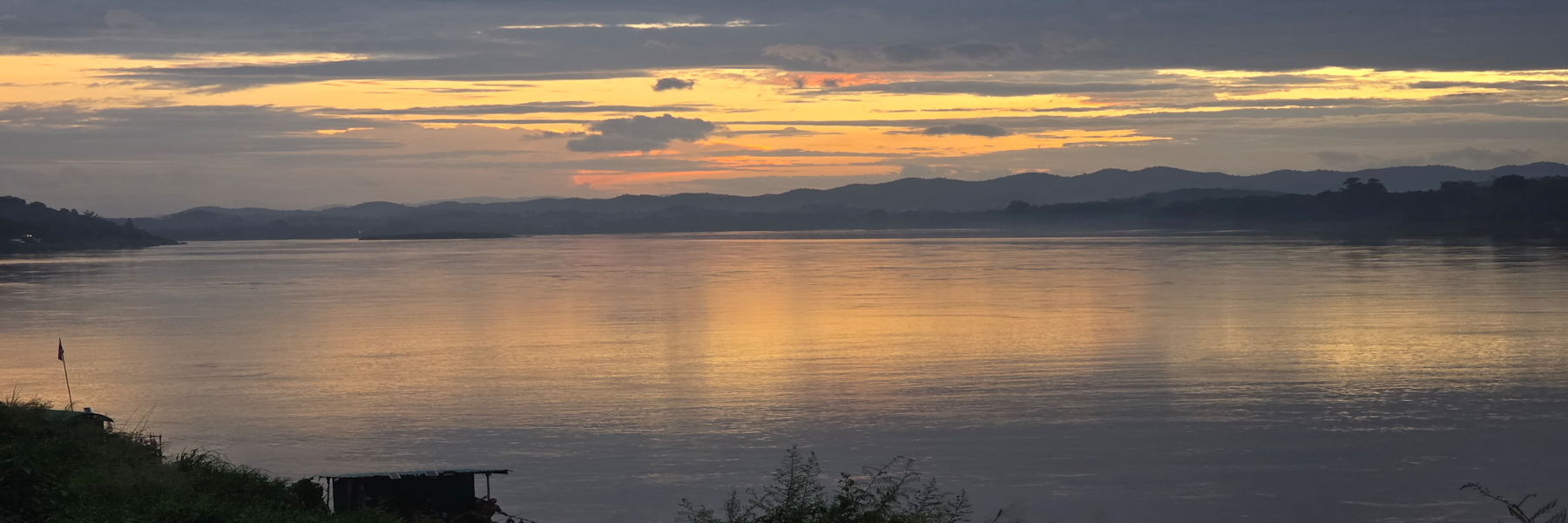


Heike & Carsten, are travelling the globe, in their 'Mobile Home & Office' – with no limitations
Hello all!
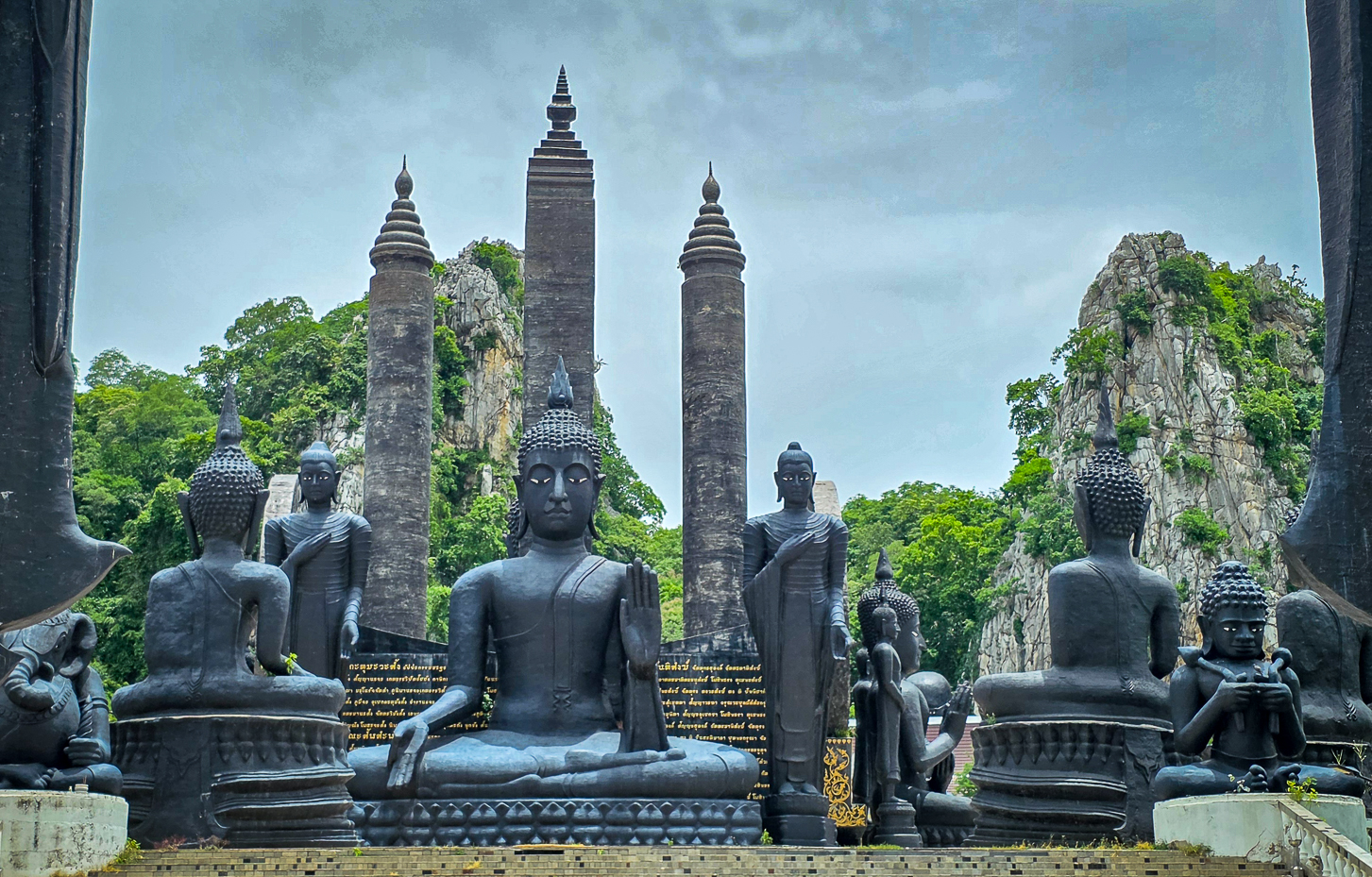
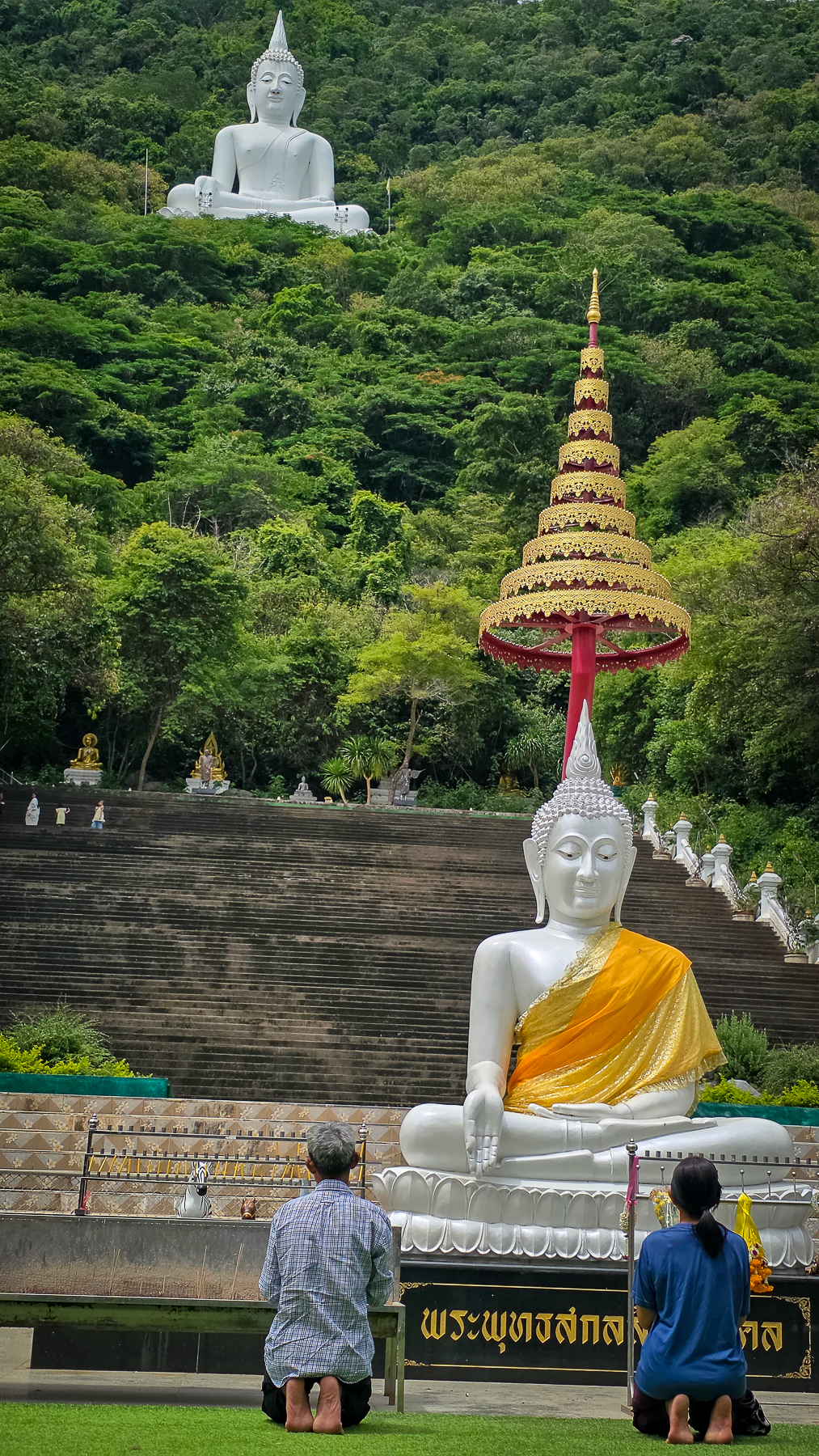
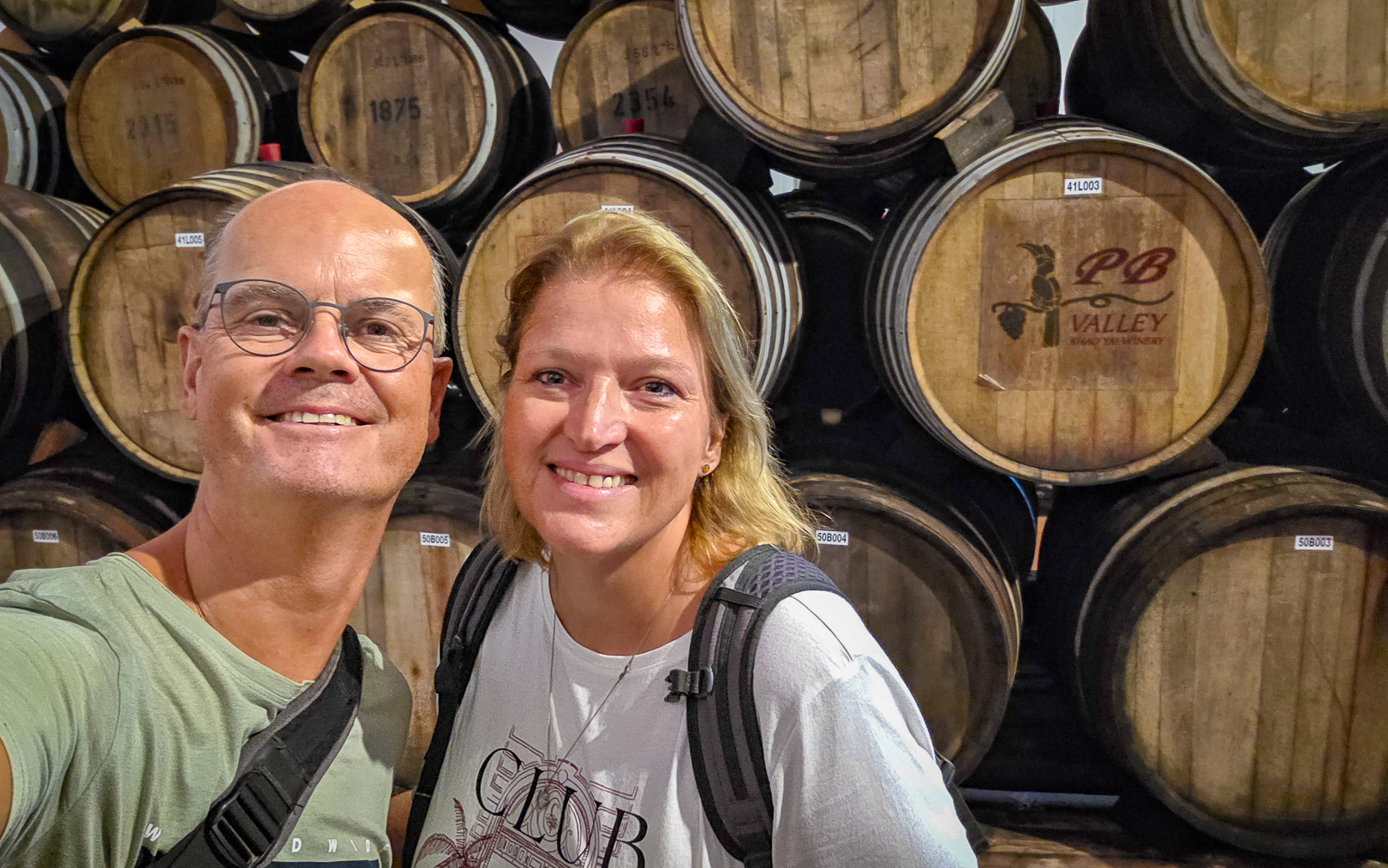
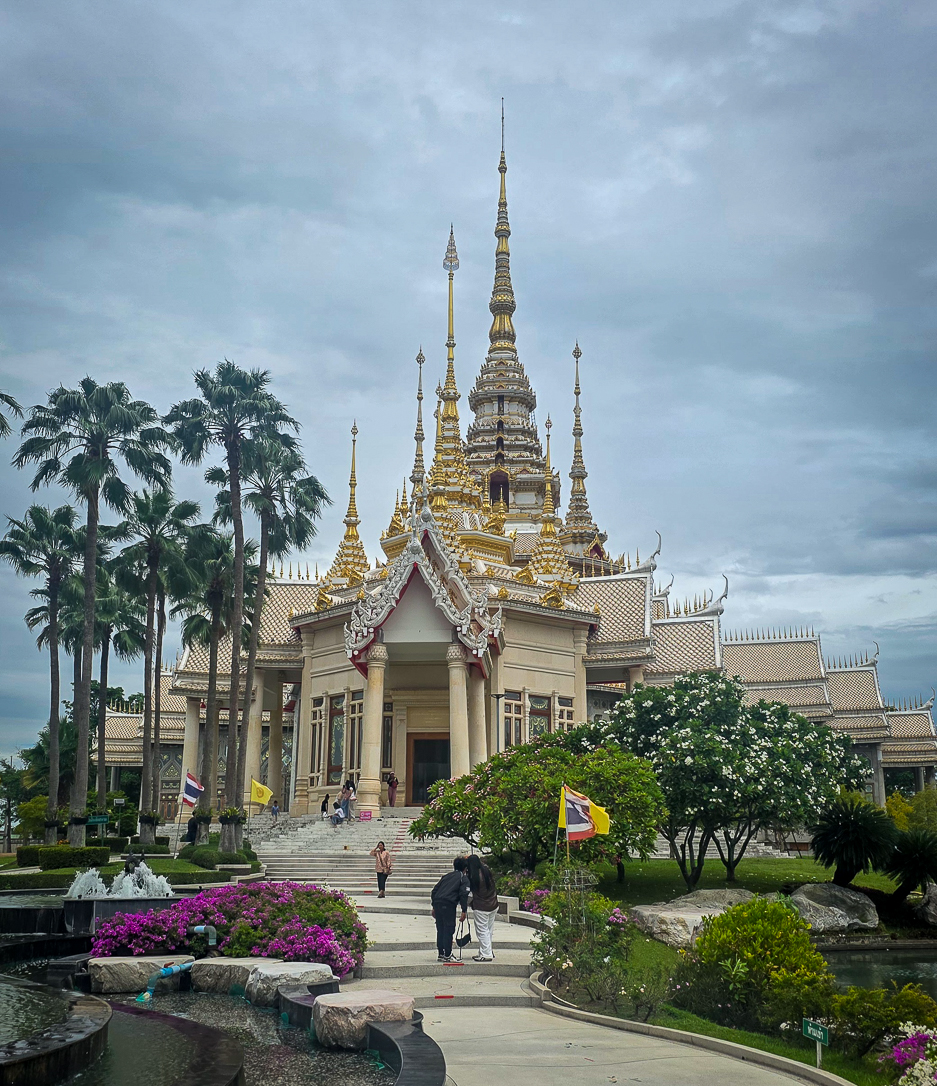
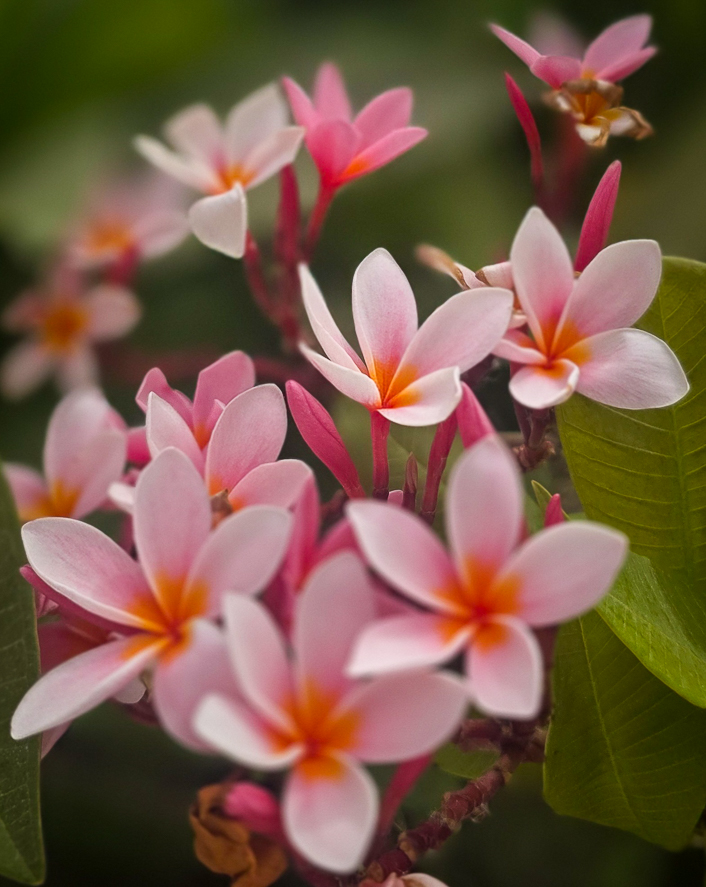
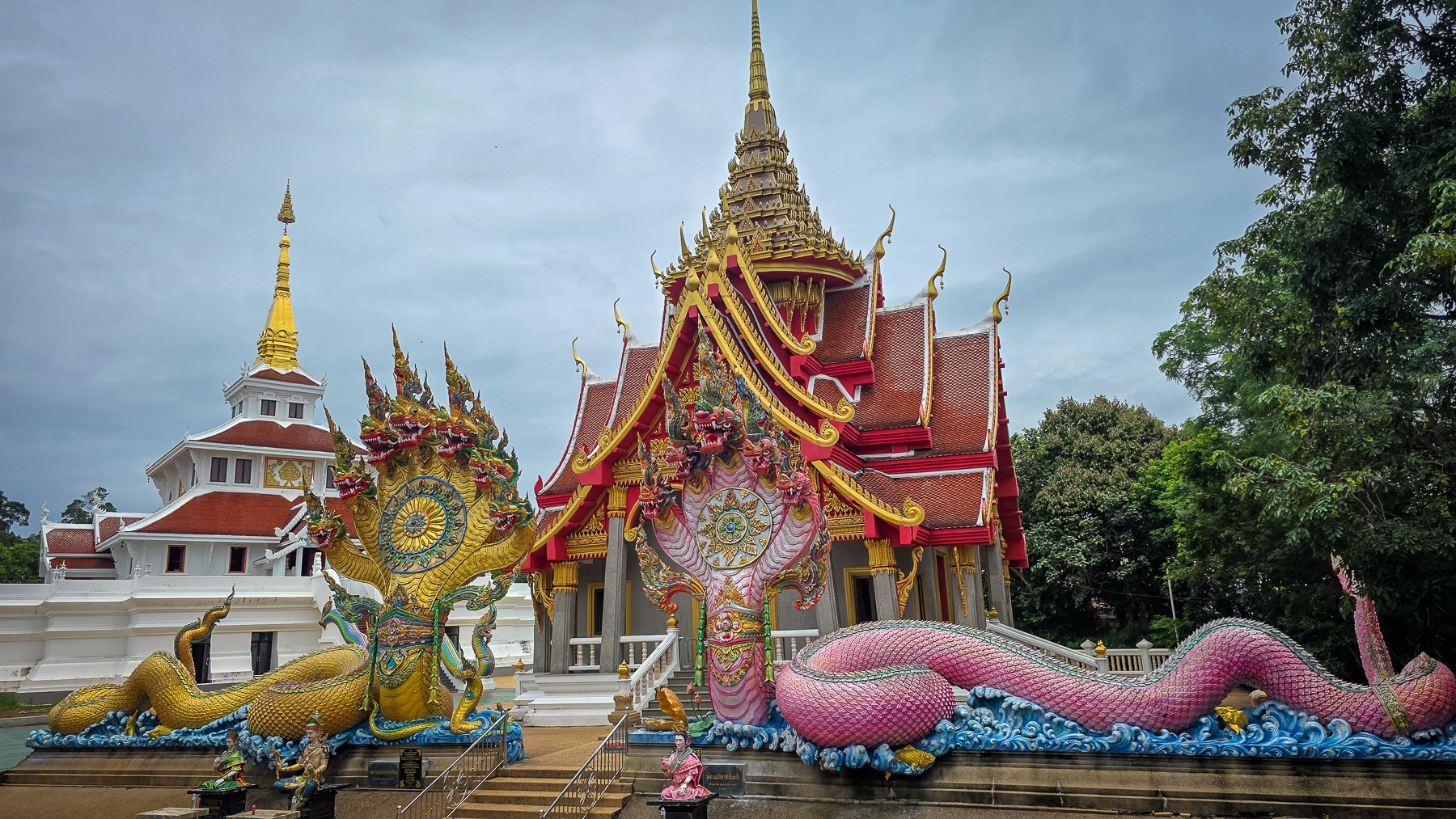
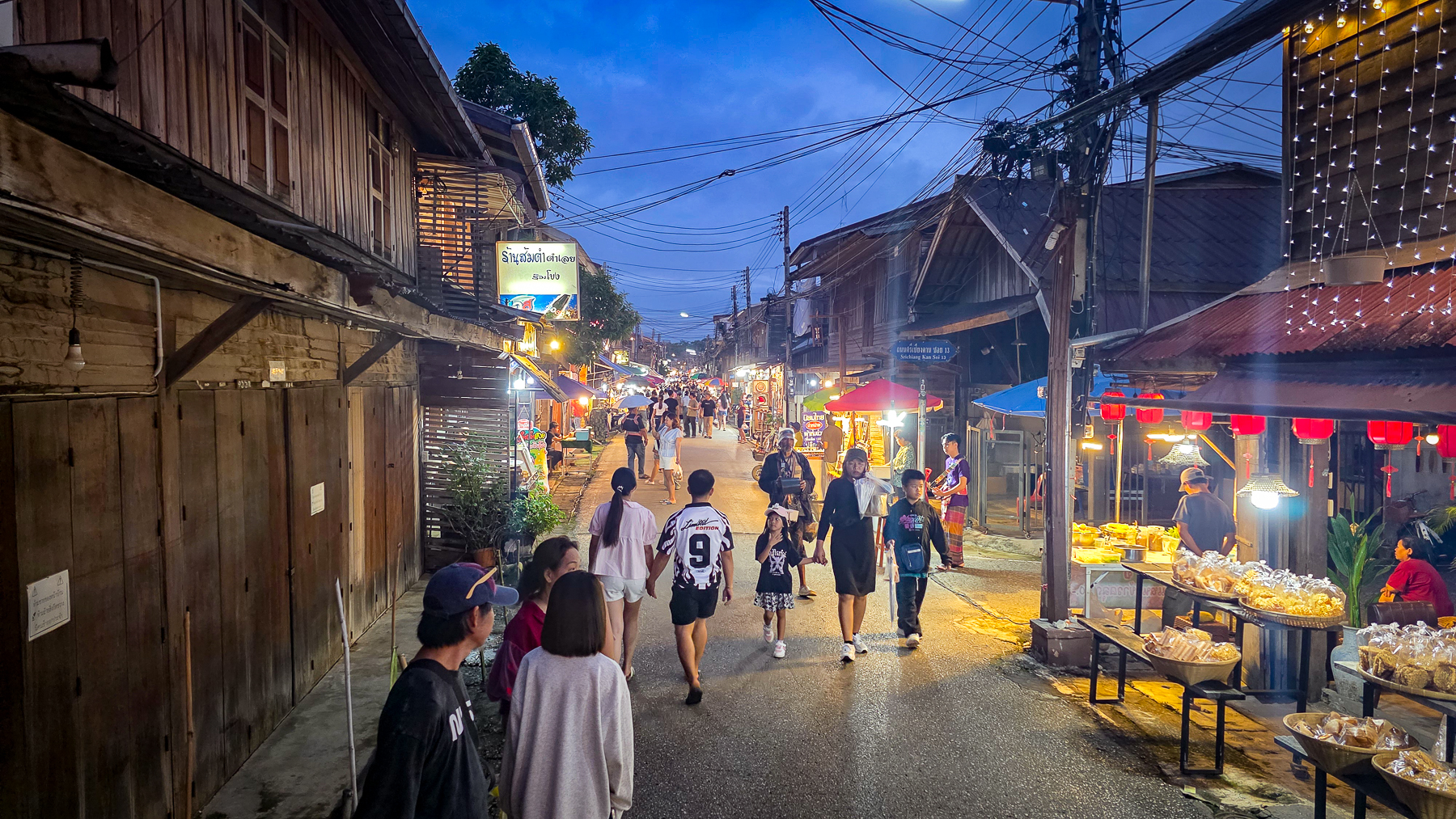
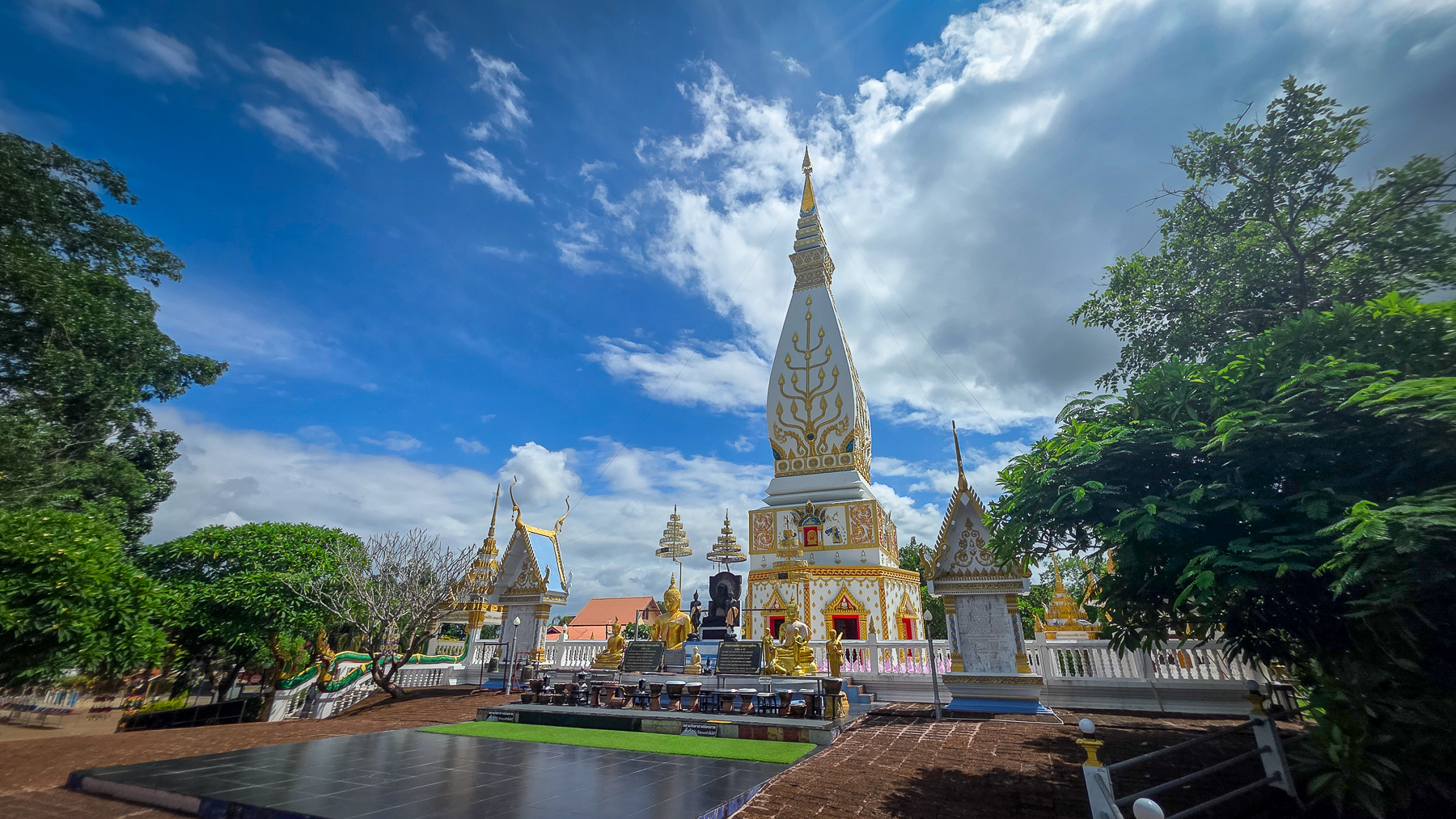
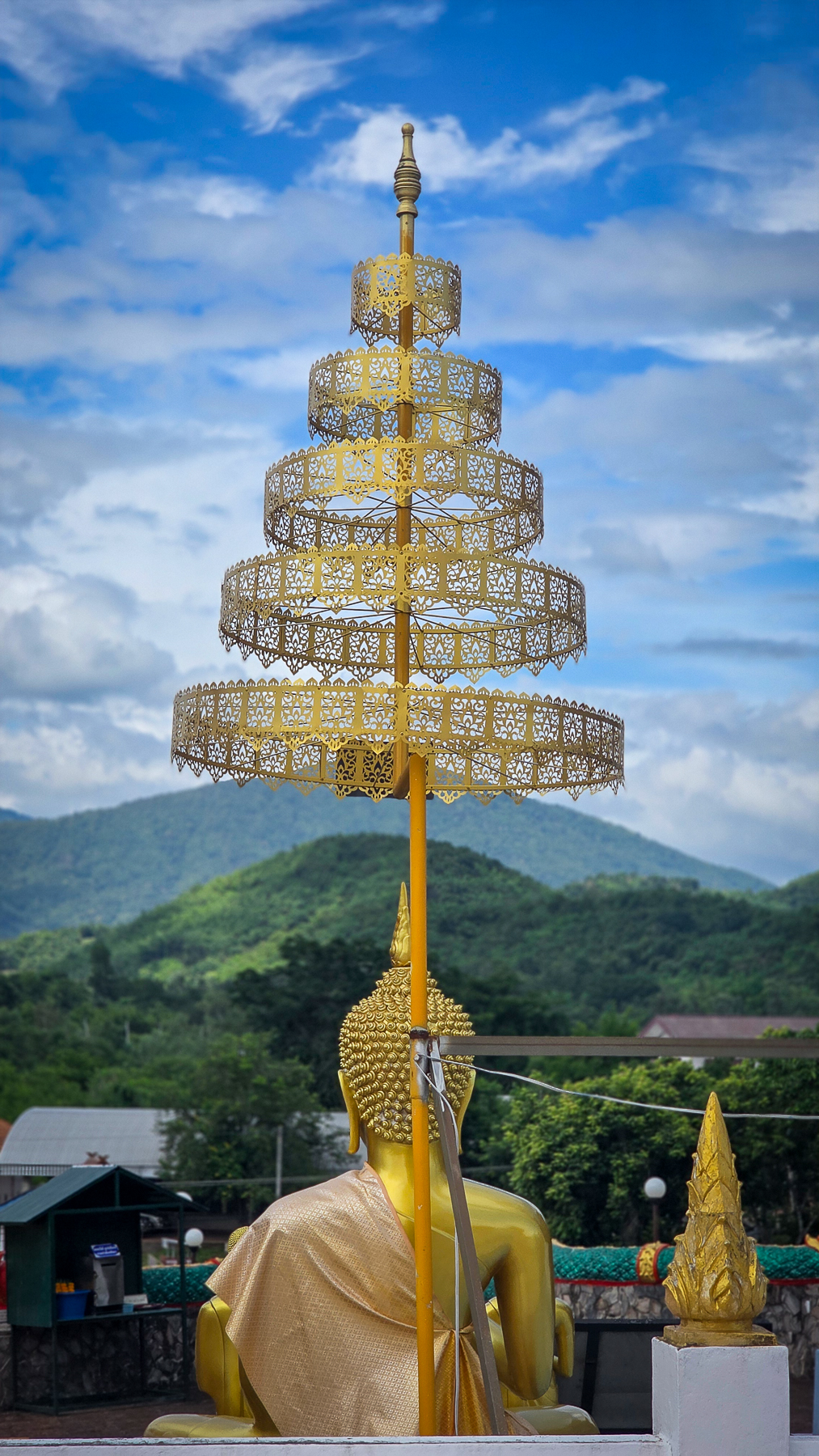
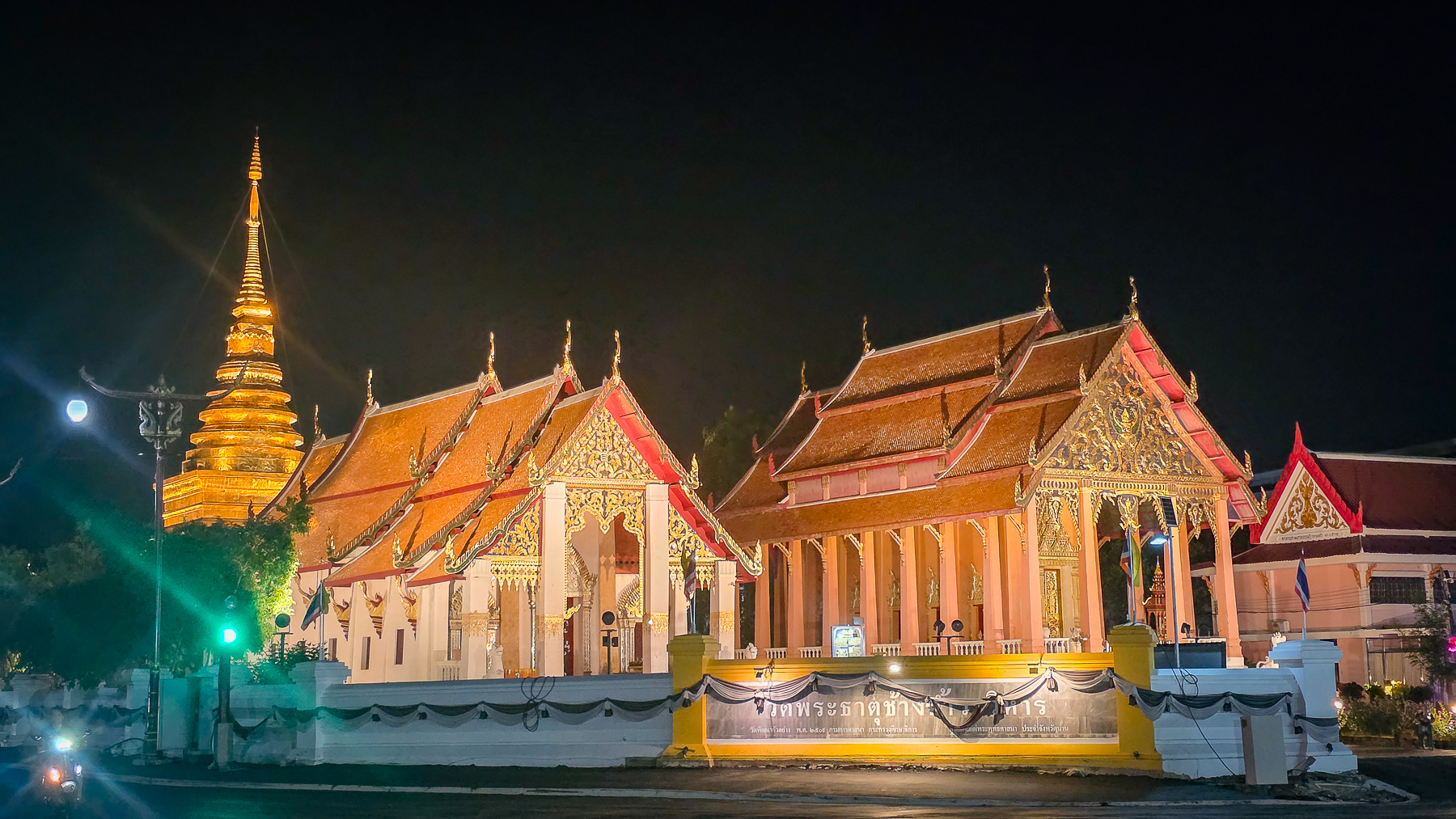
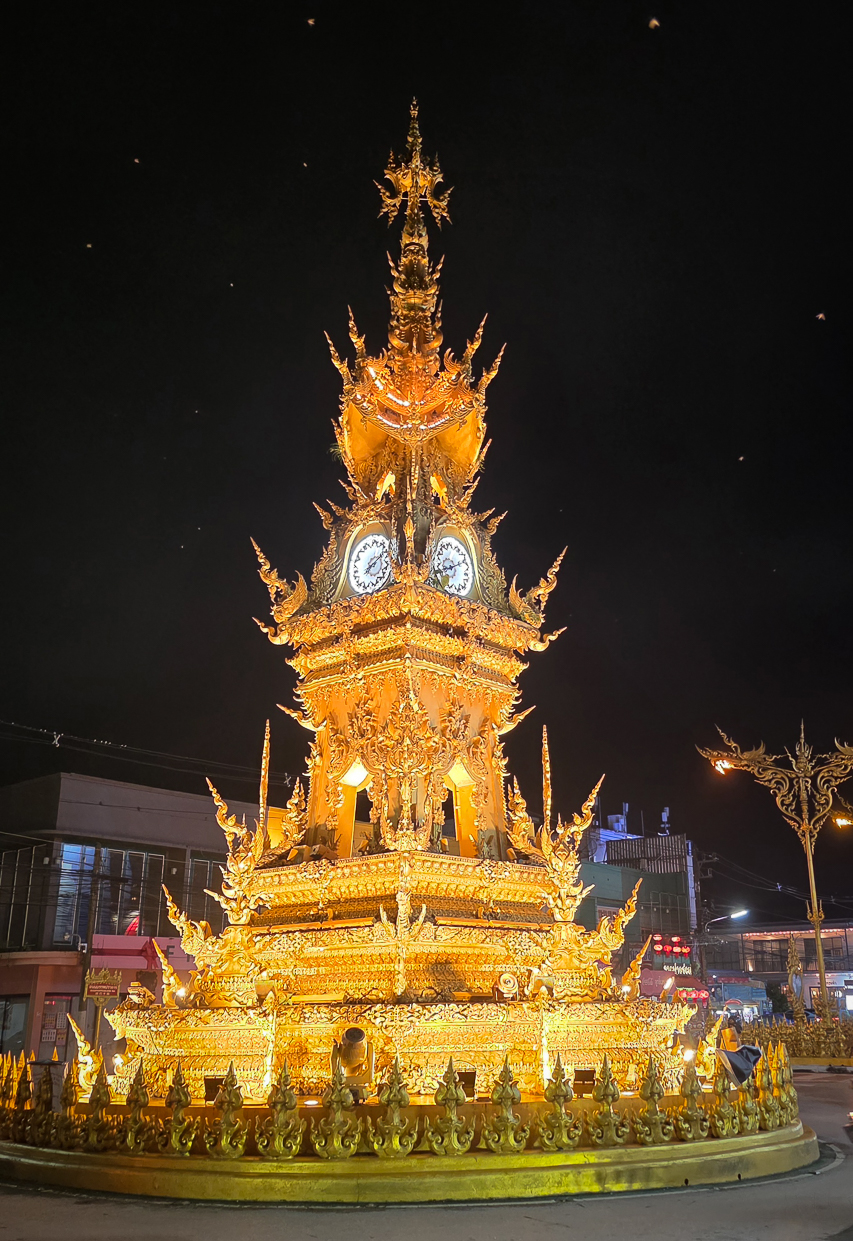
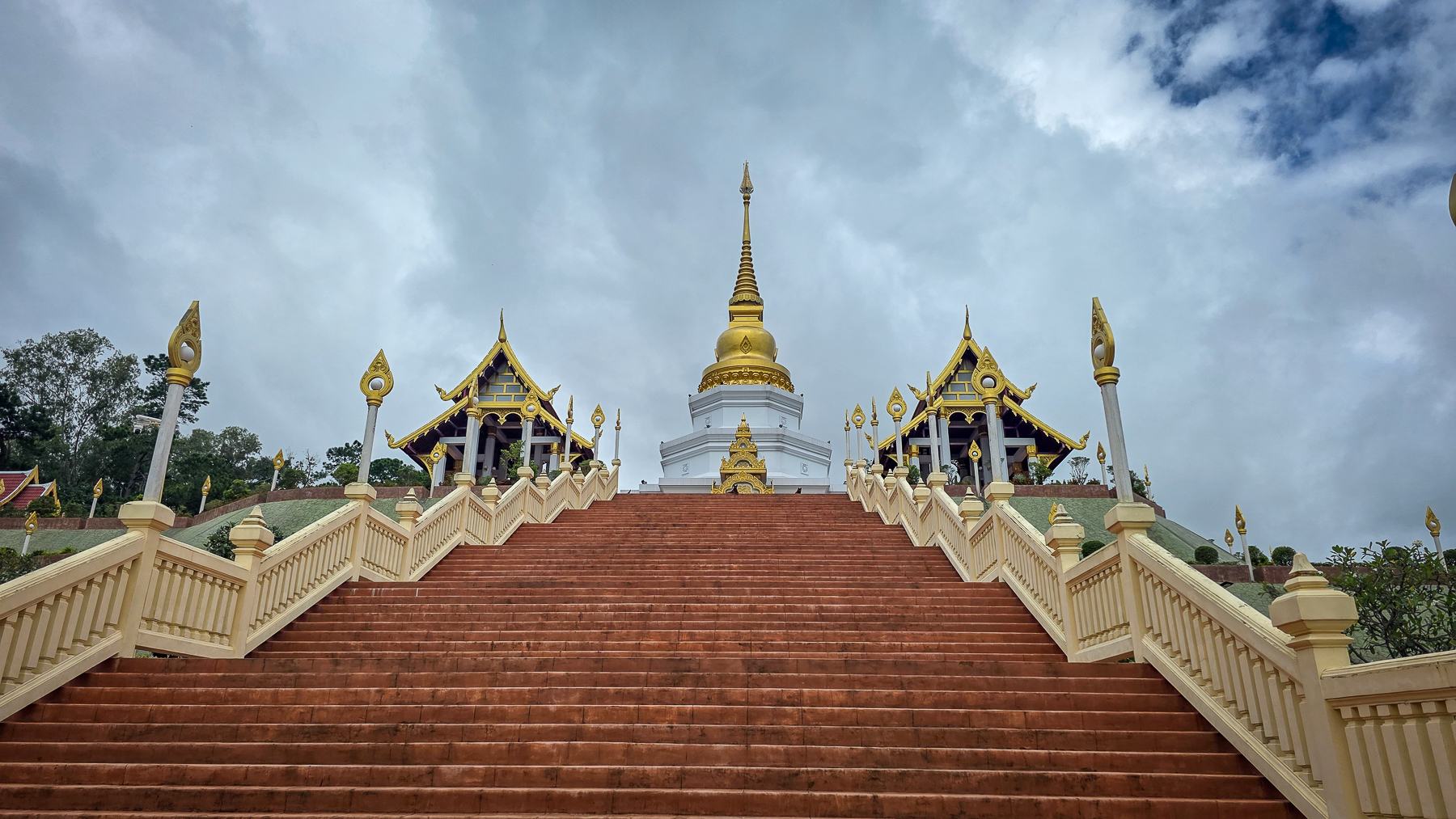
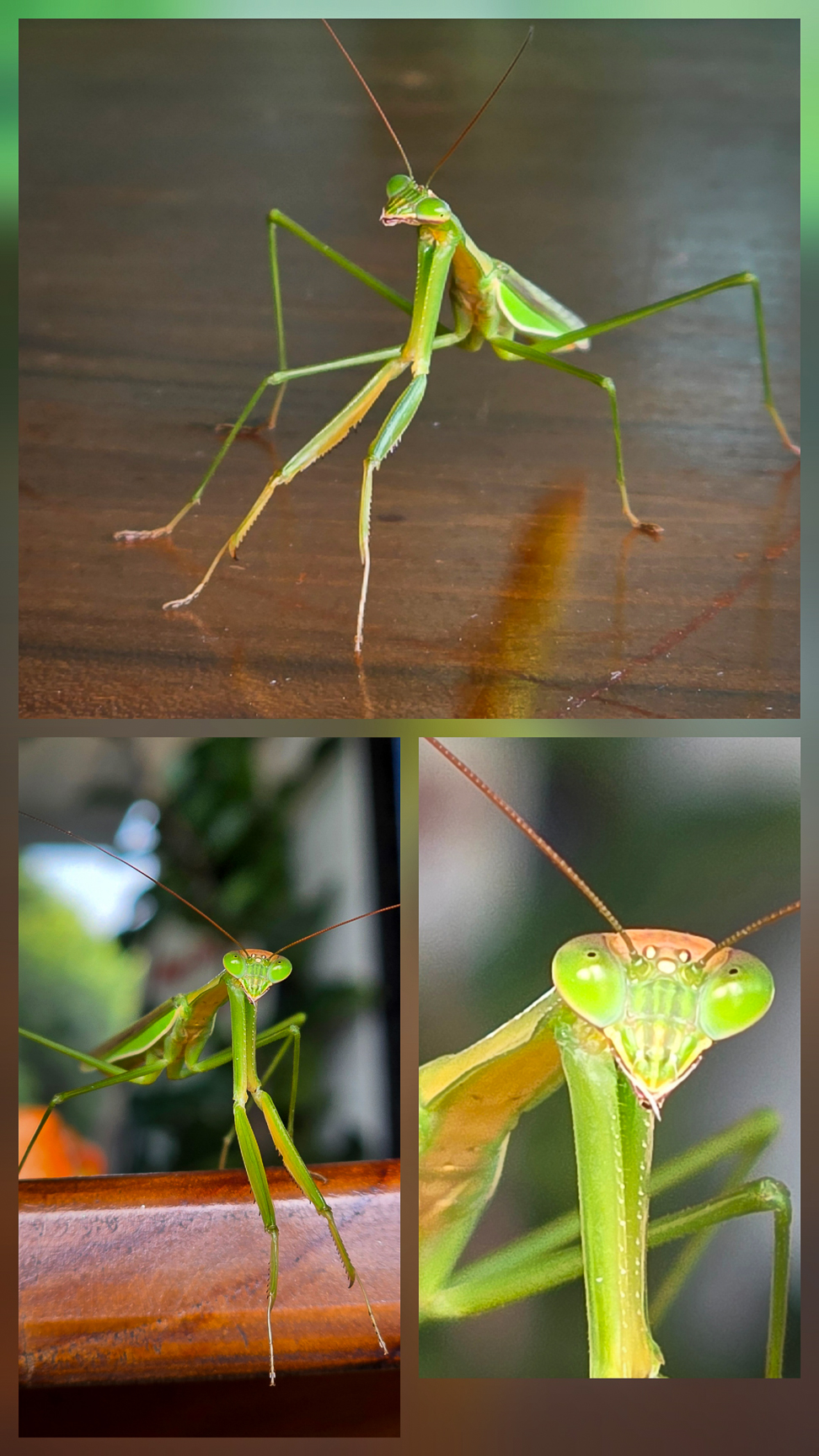
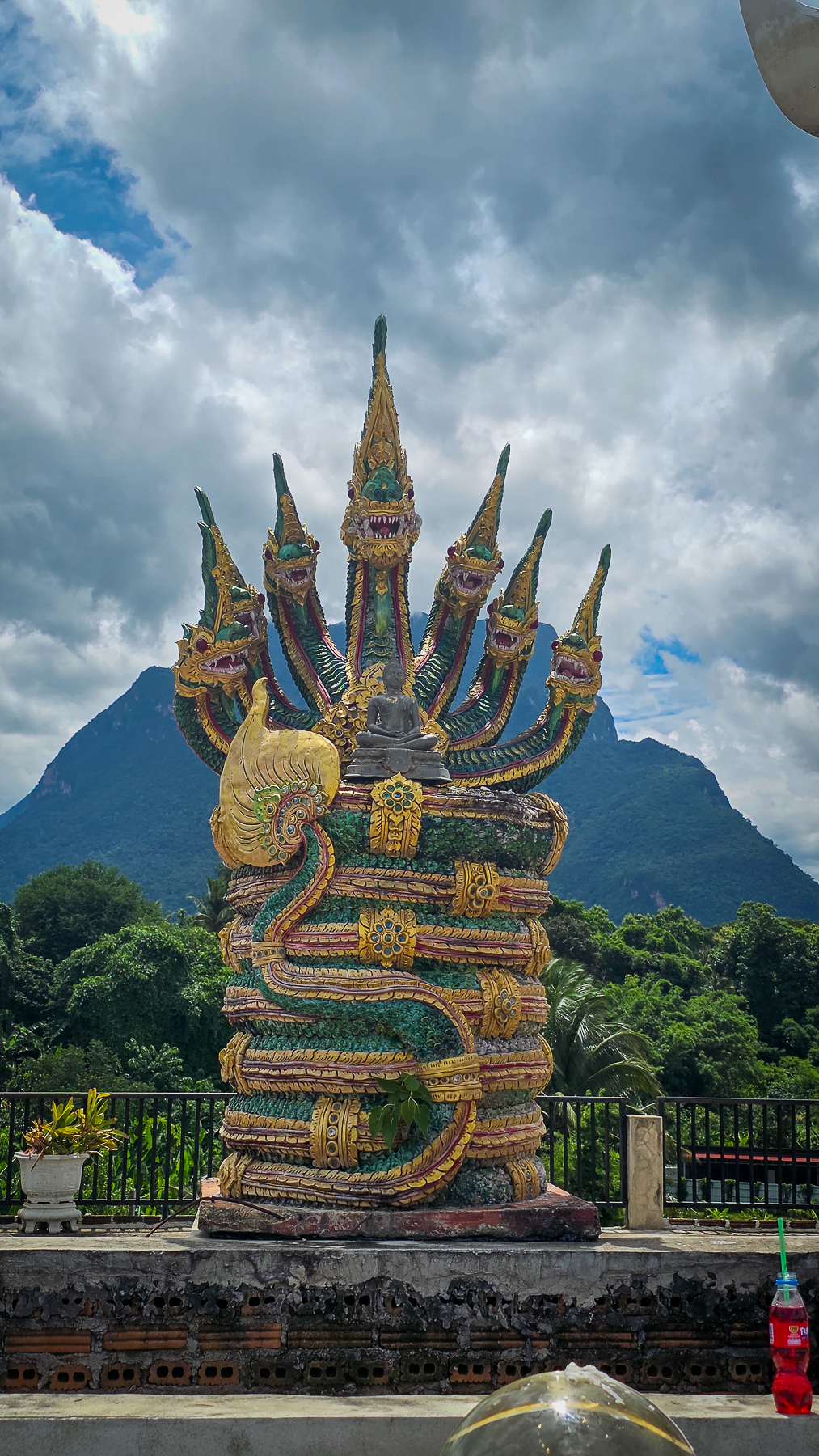
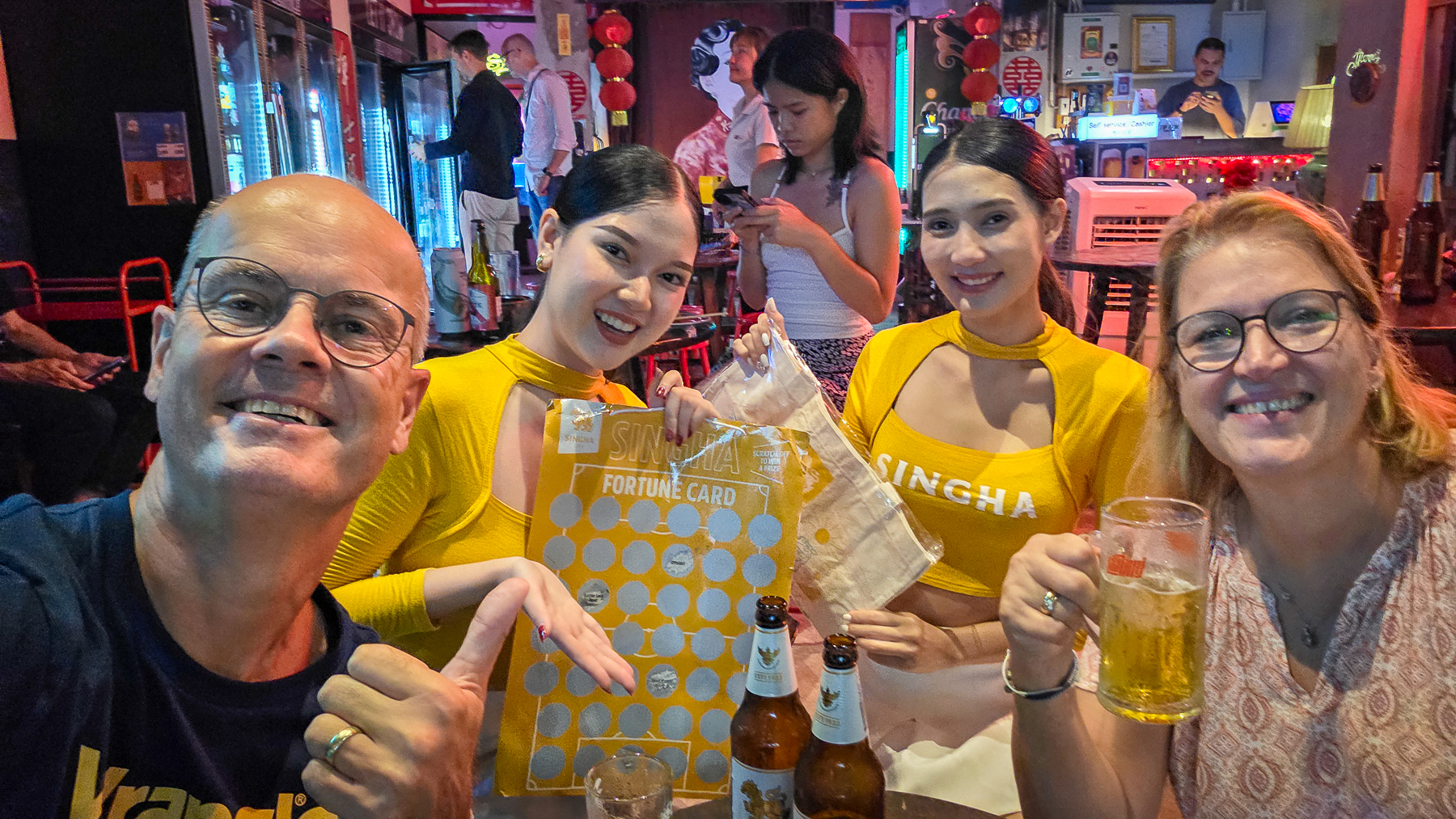
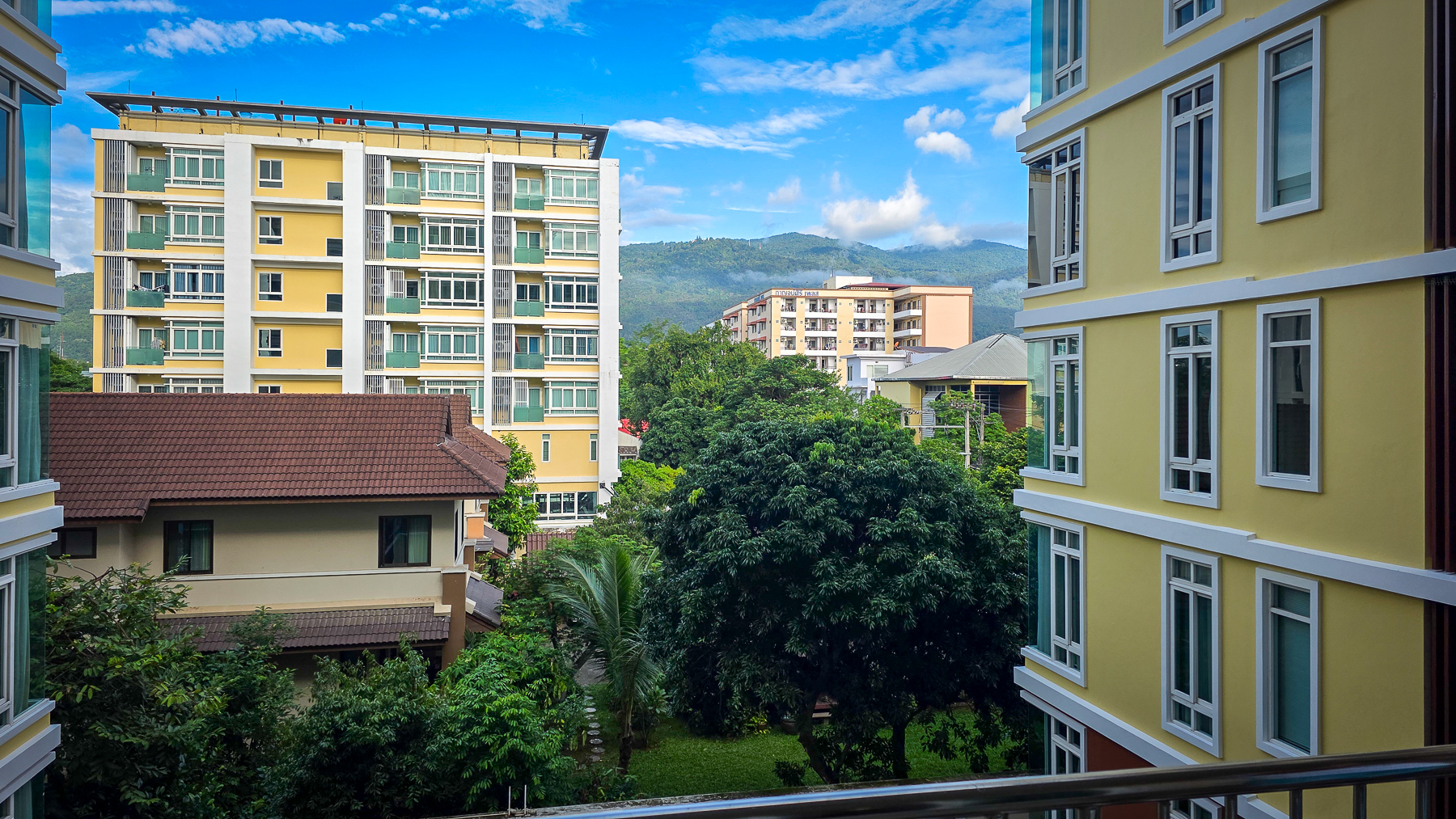
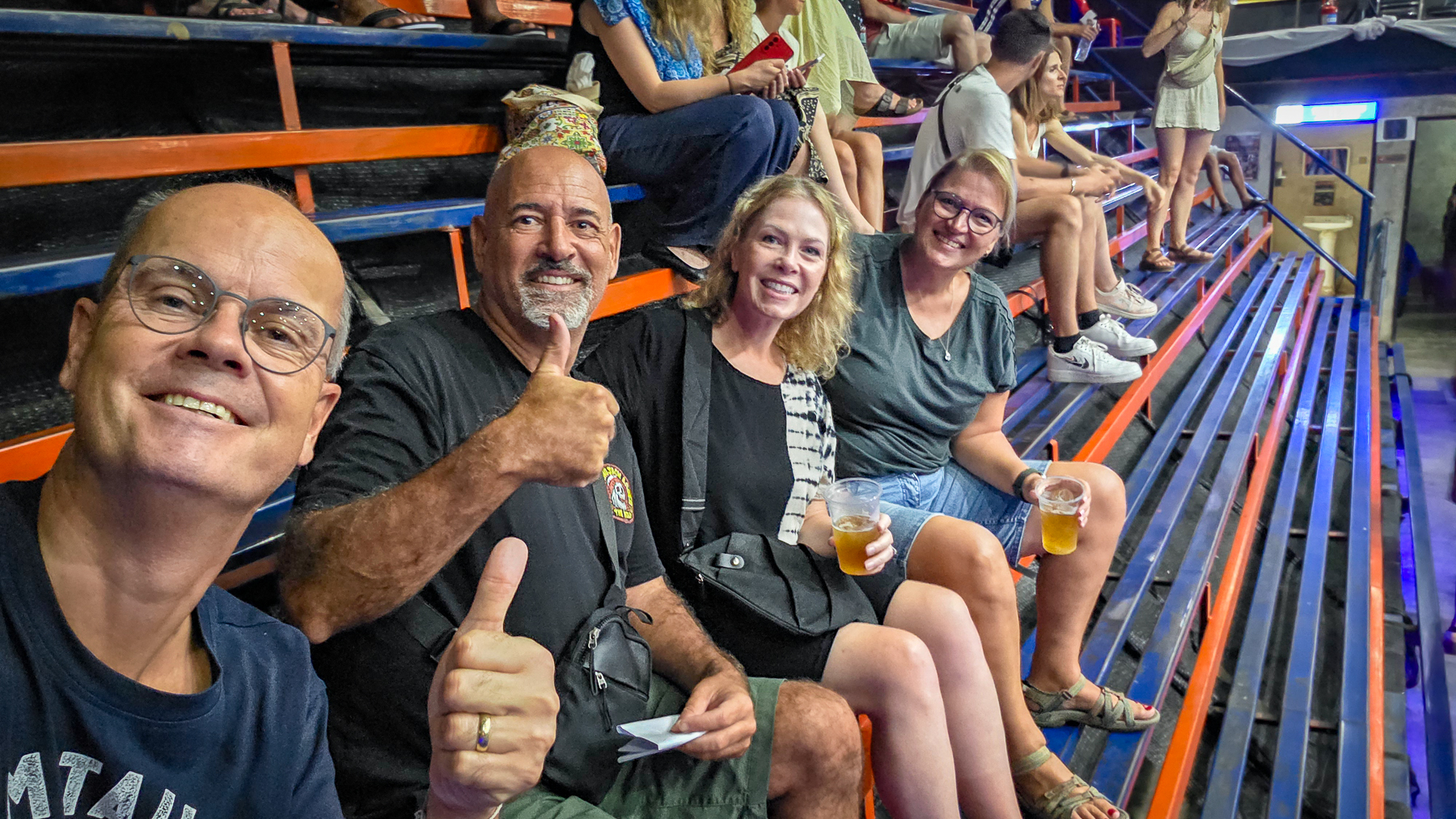
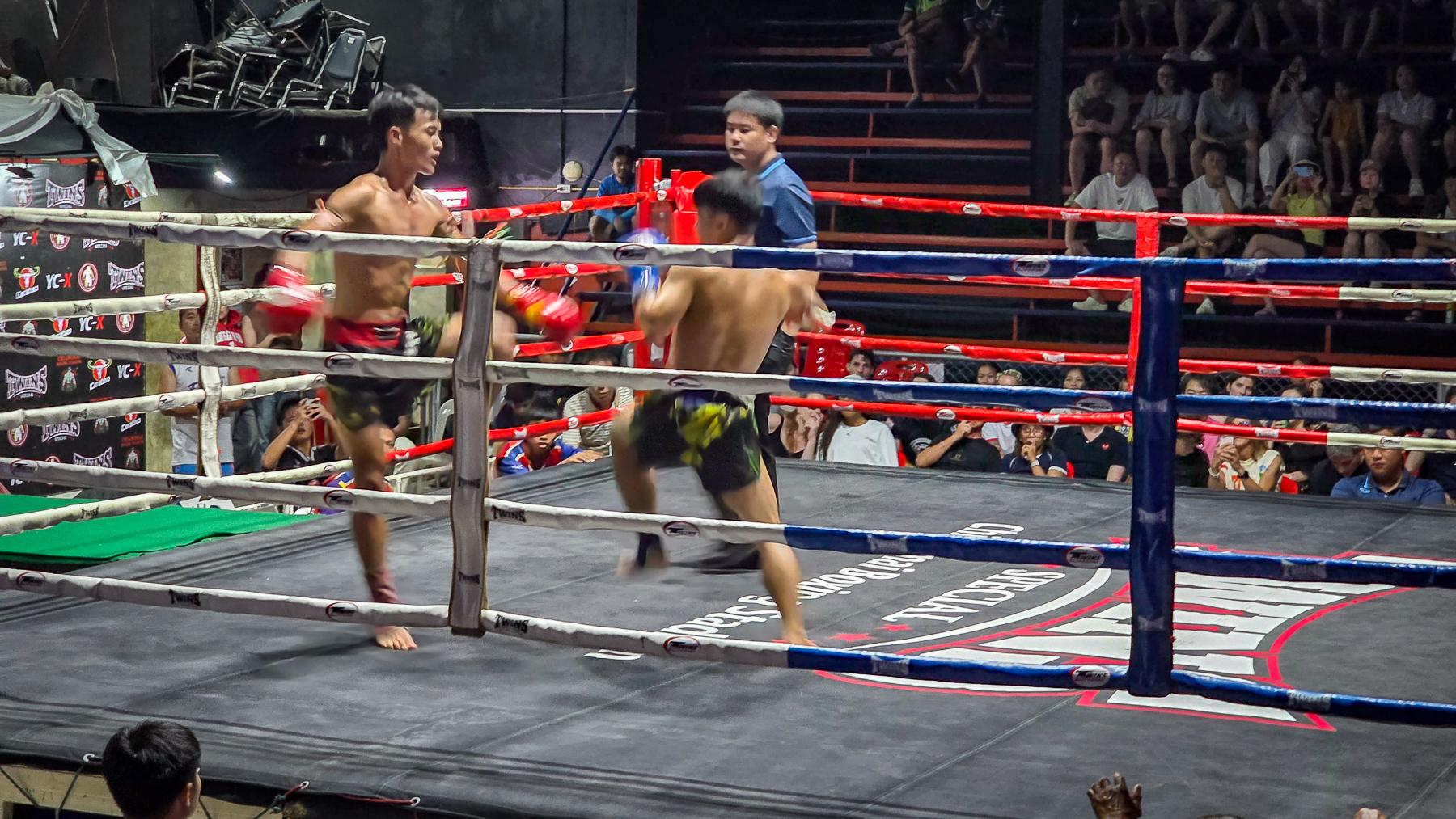
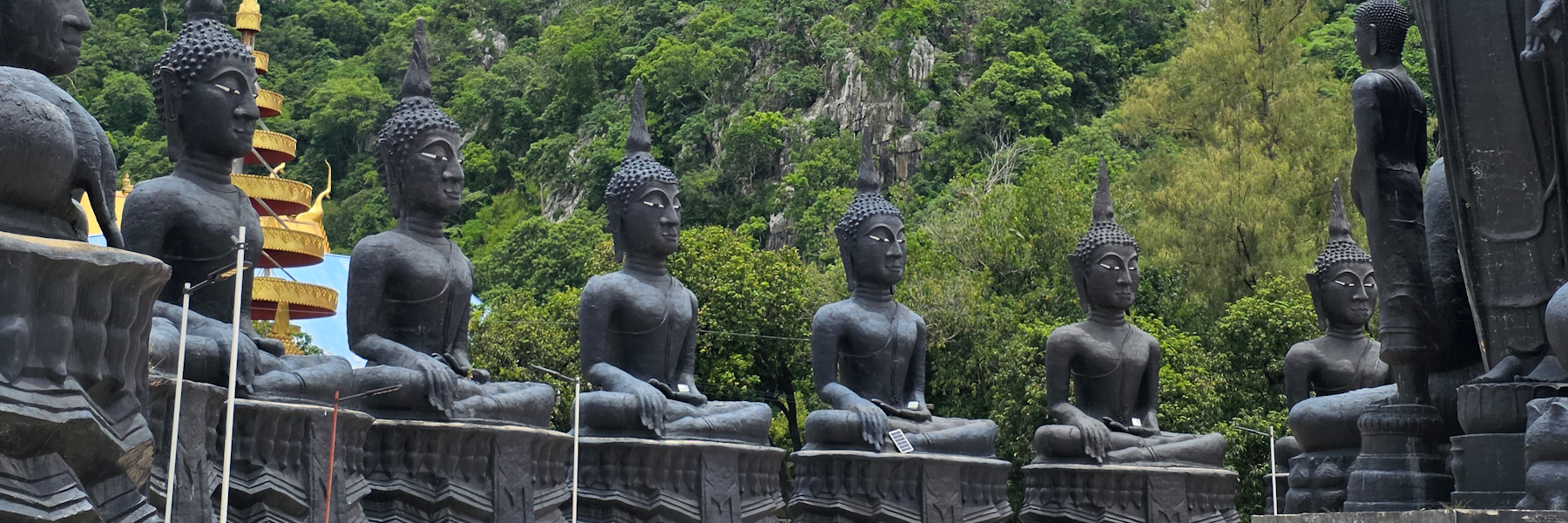
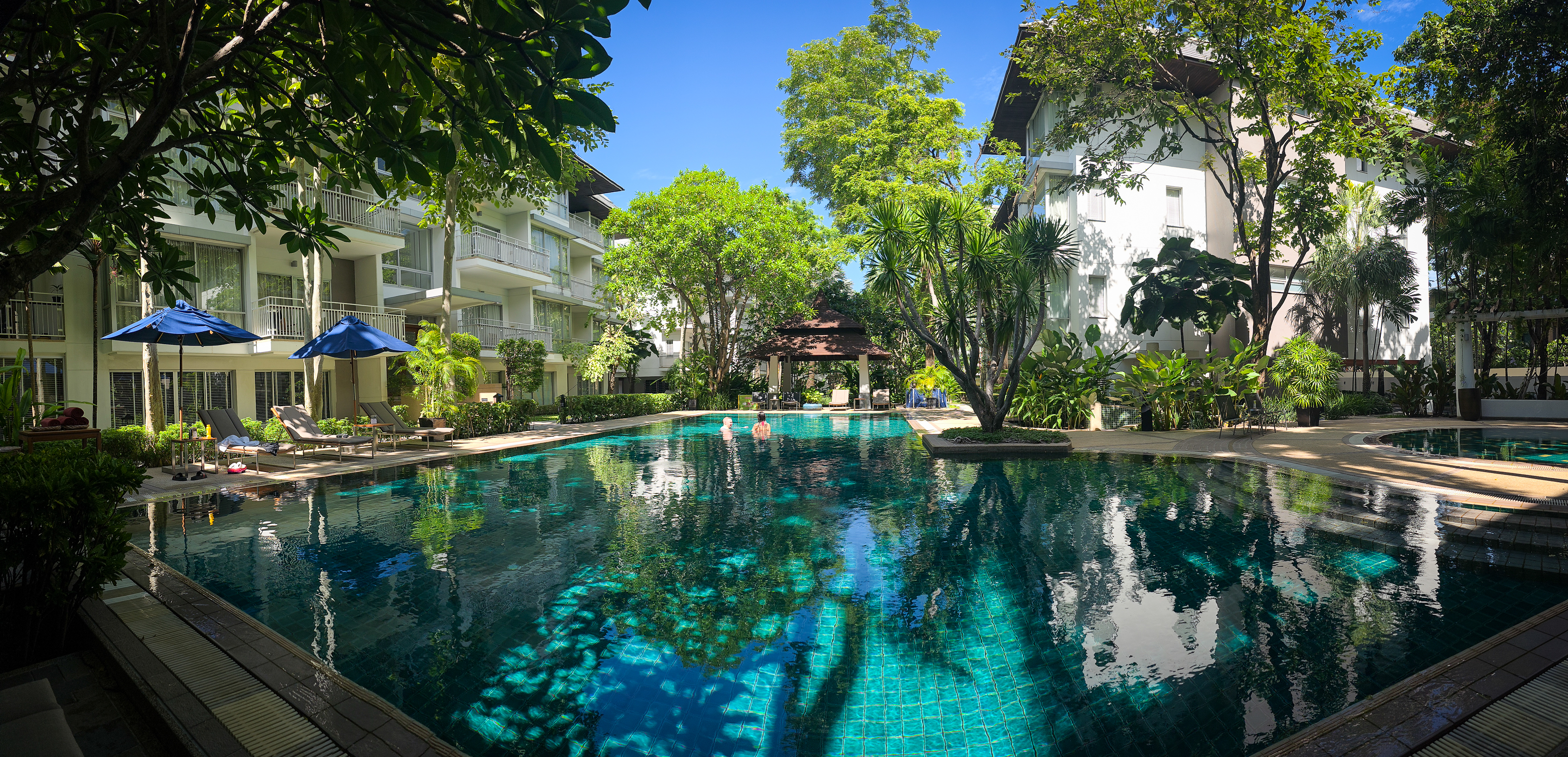
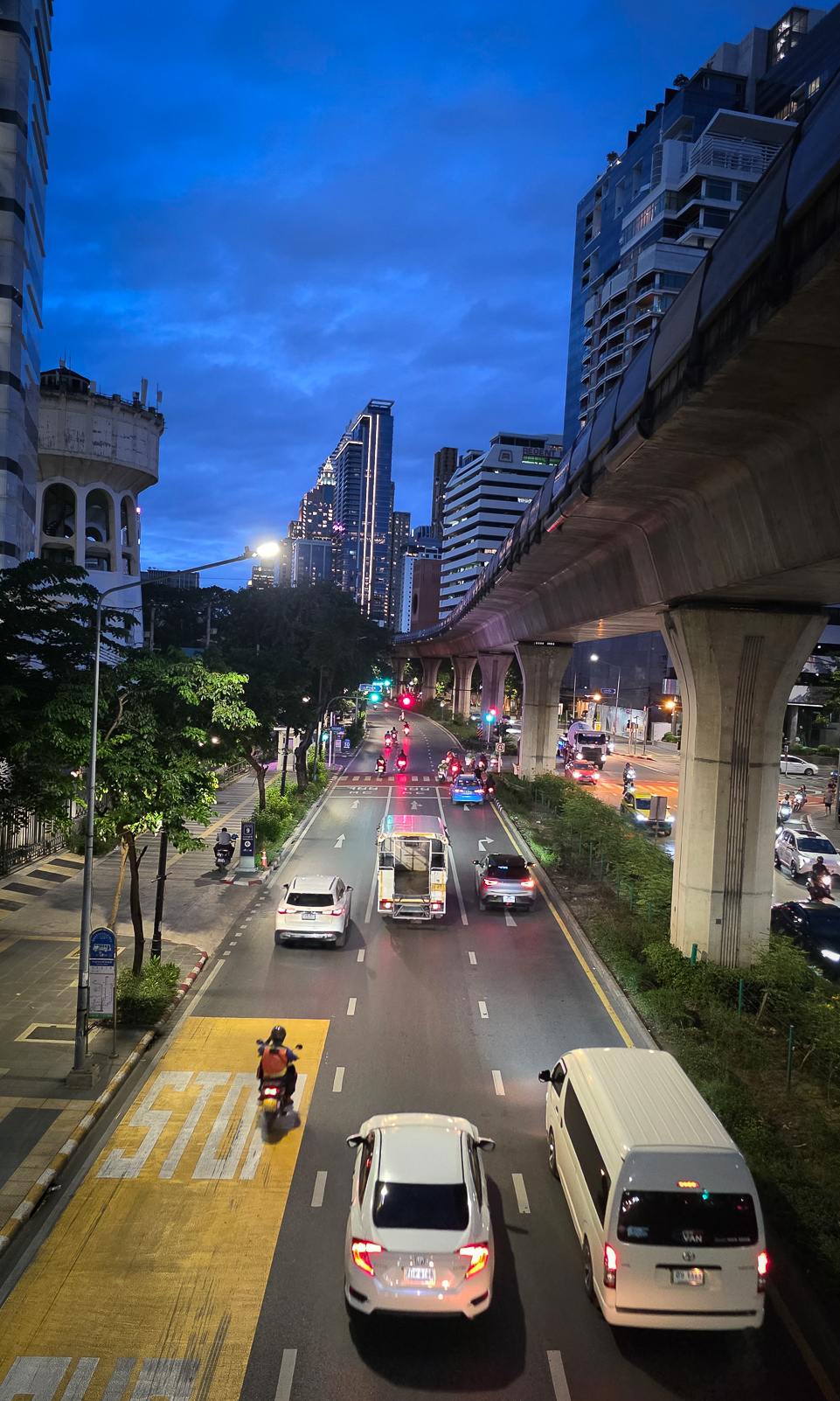
In our first blog post about Thailand (link), we wrote about rediscovering a country that had changed much more than we expected. This second post is mainly about the pictures: four weeks traveling through the hinterland of Northern Thailand, along the Mekong and through small towns, mountains and green landscapes, followed by another four weeks in Chiang Mai. There, instead of moving on every few days, we settled into something close to normal life, with work, food, sport and plenty of time to enjoy the city. So this time, we will let the pictures tell most of the story.
Best wishes from
Heike & Carsten
To see full-size pictures and comments please
KLICK!
on the thumbnails!
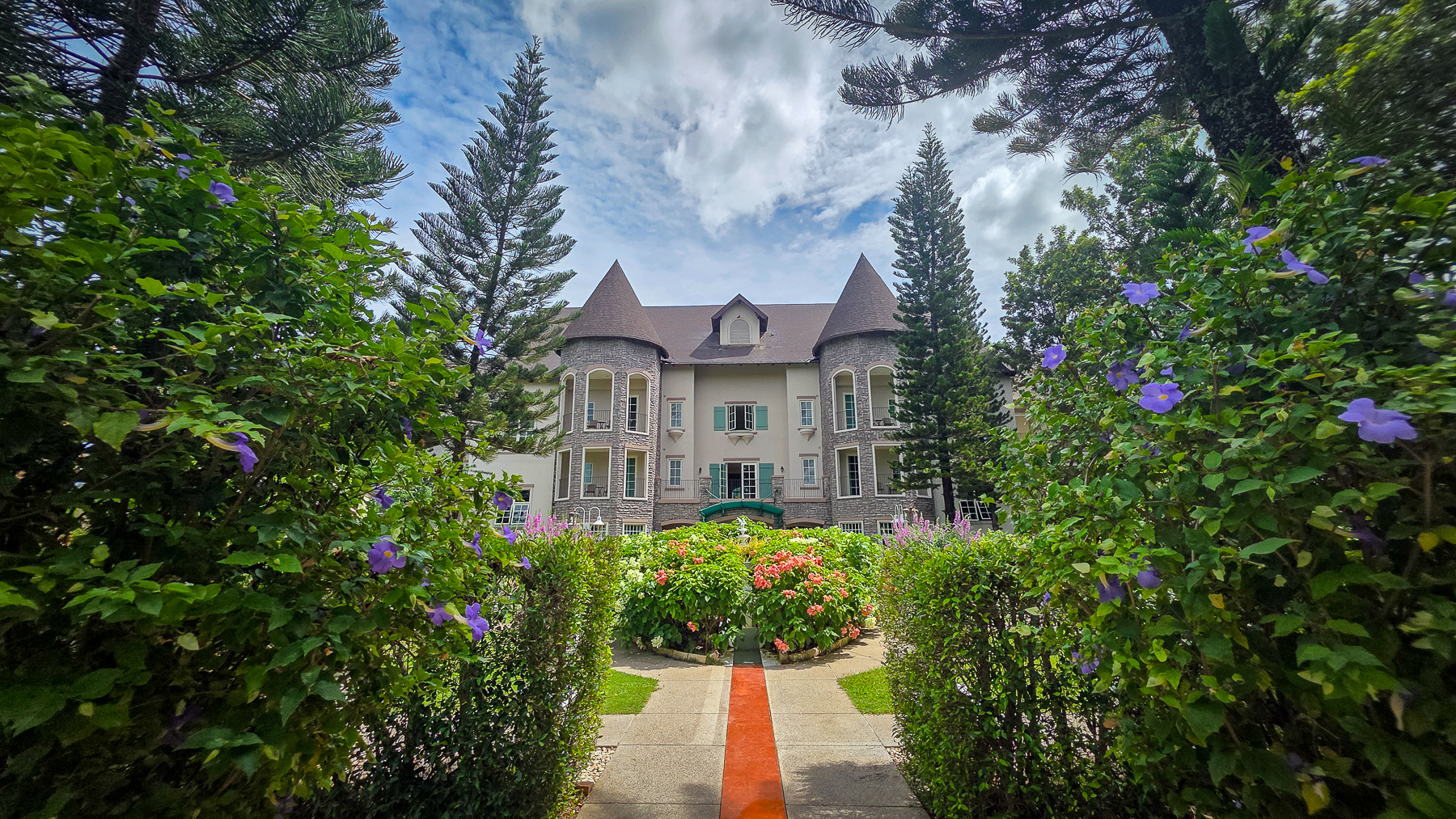
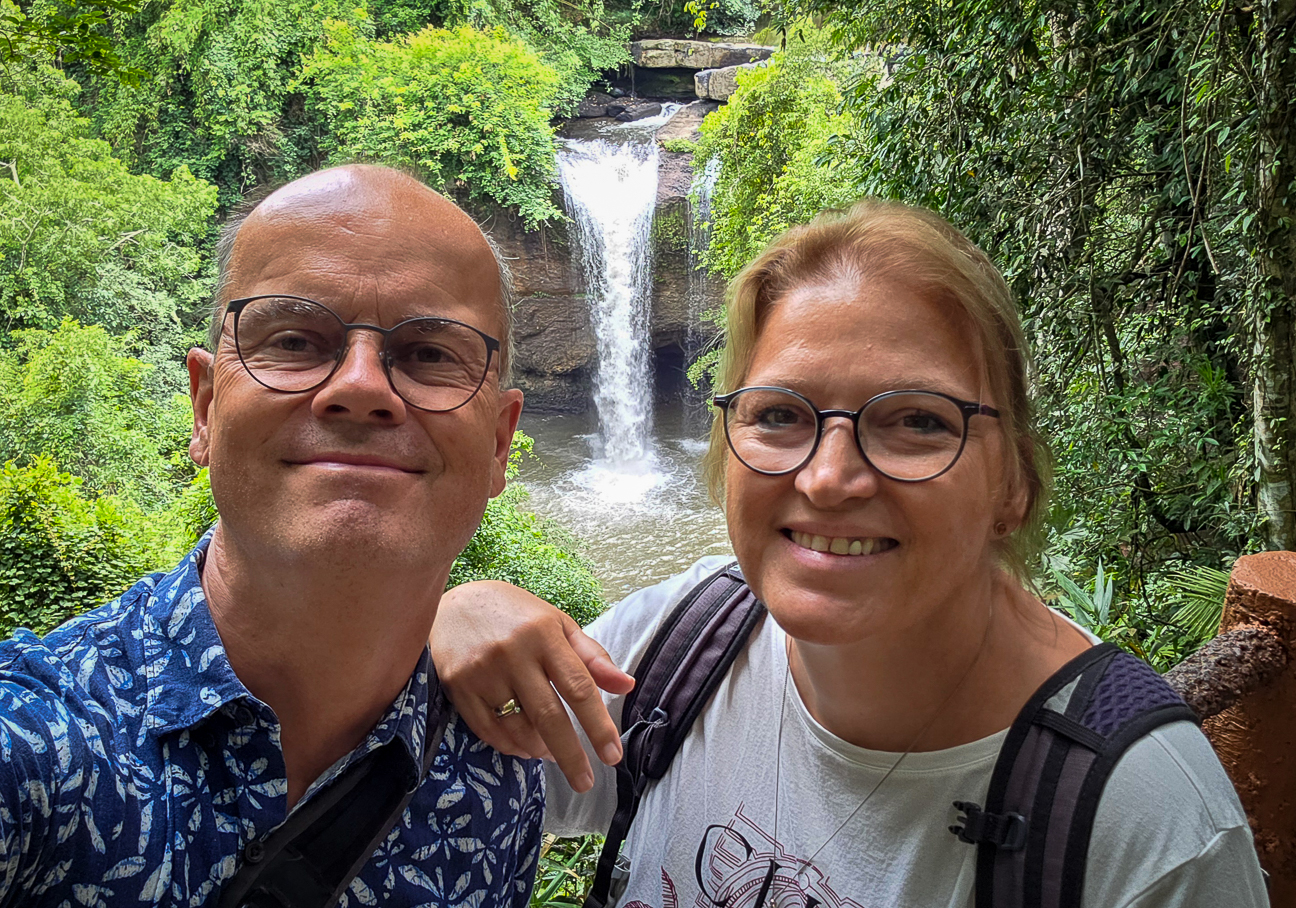
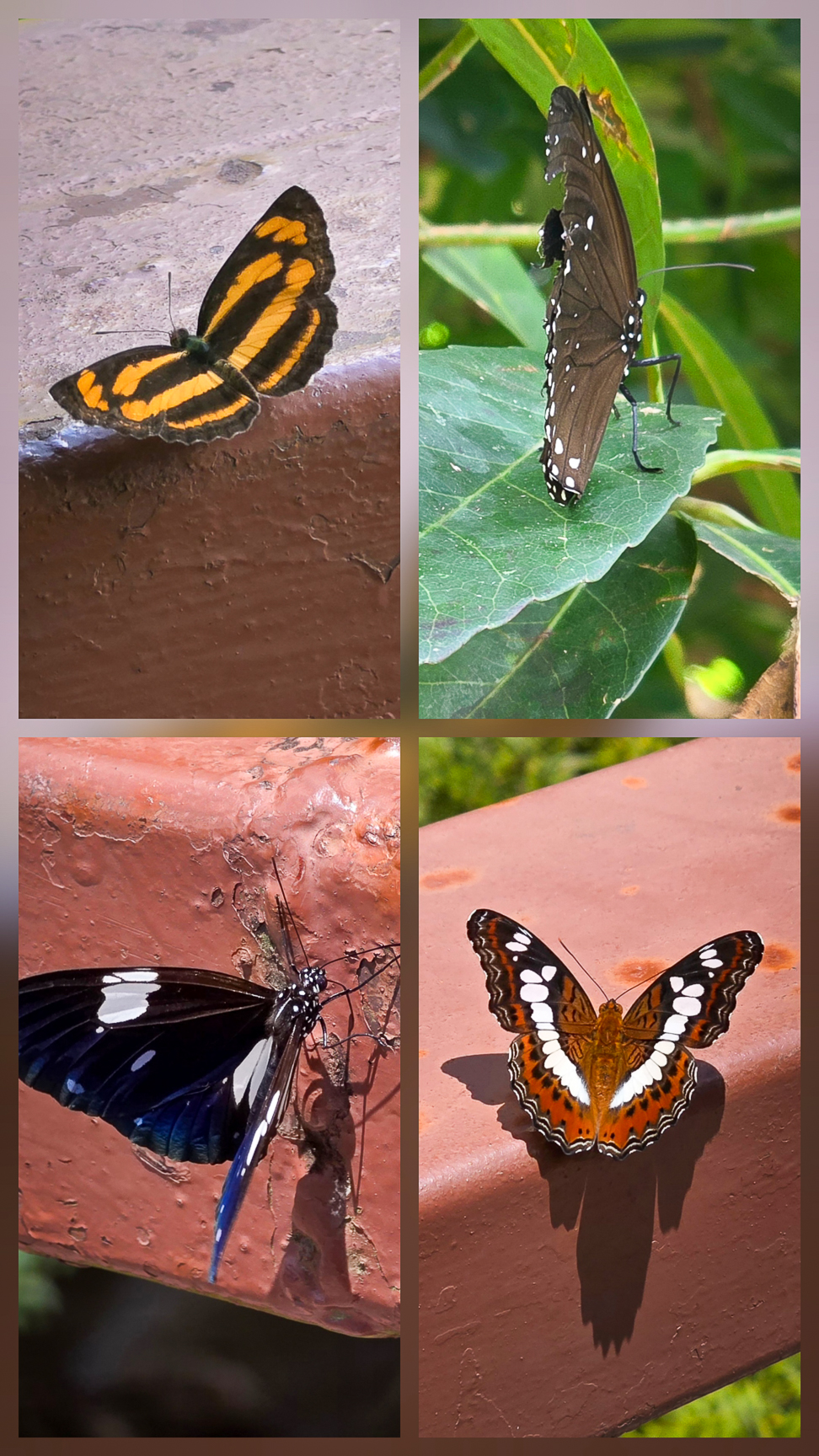
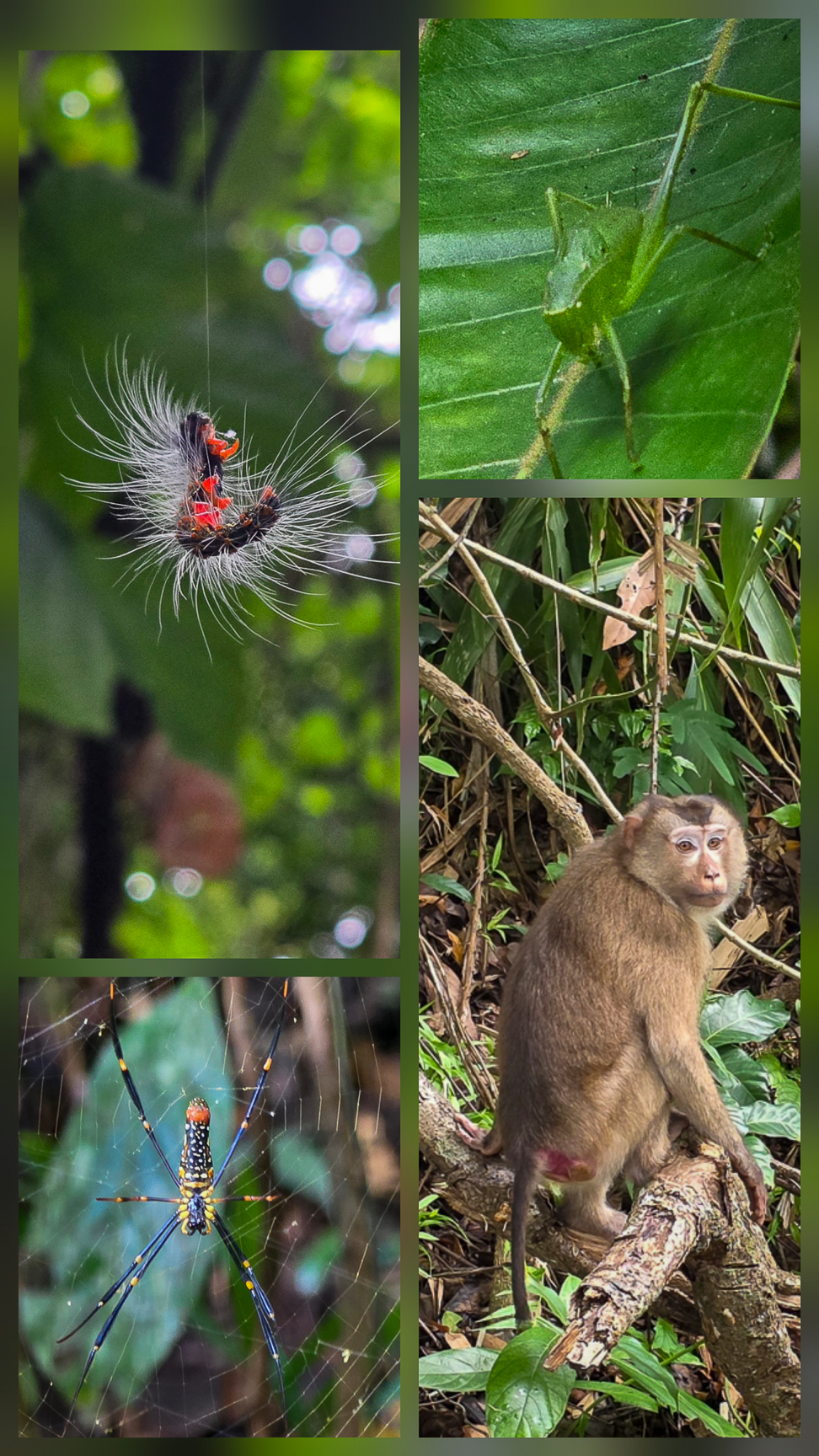
At my 'Overlander Base' you find the sources (great weblinks) that I actually use on the road — try them yourself.
Hello all!
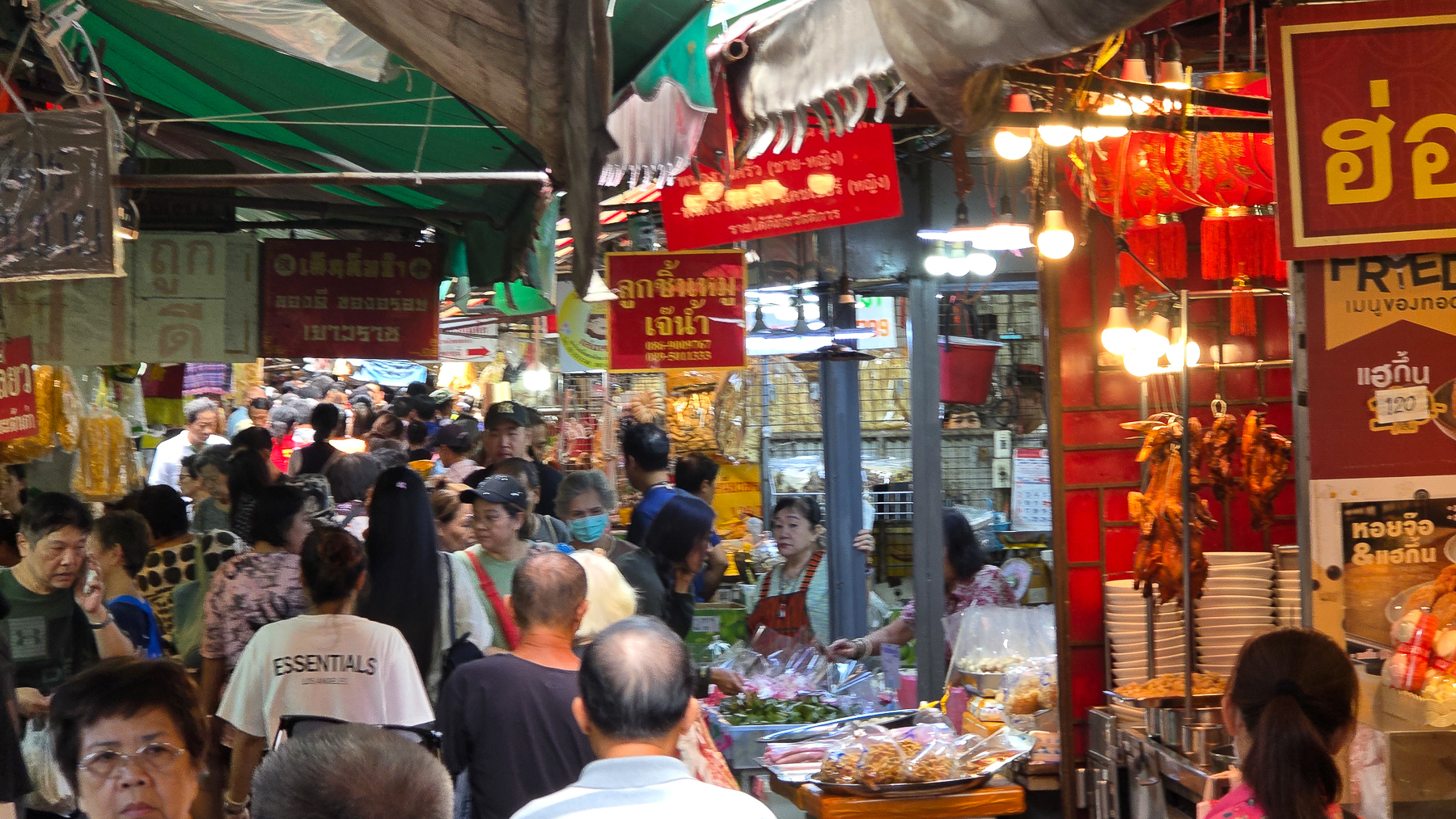
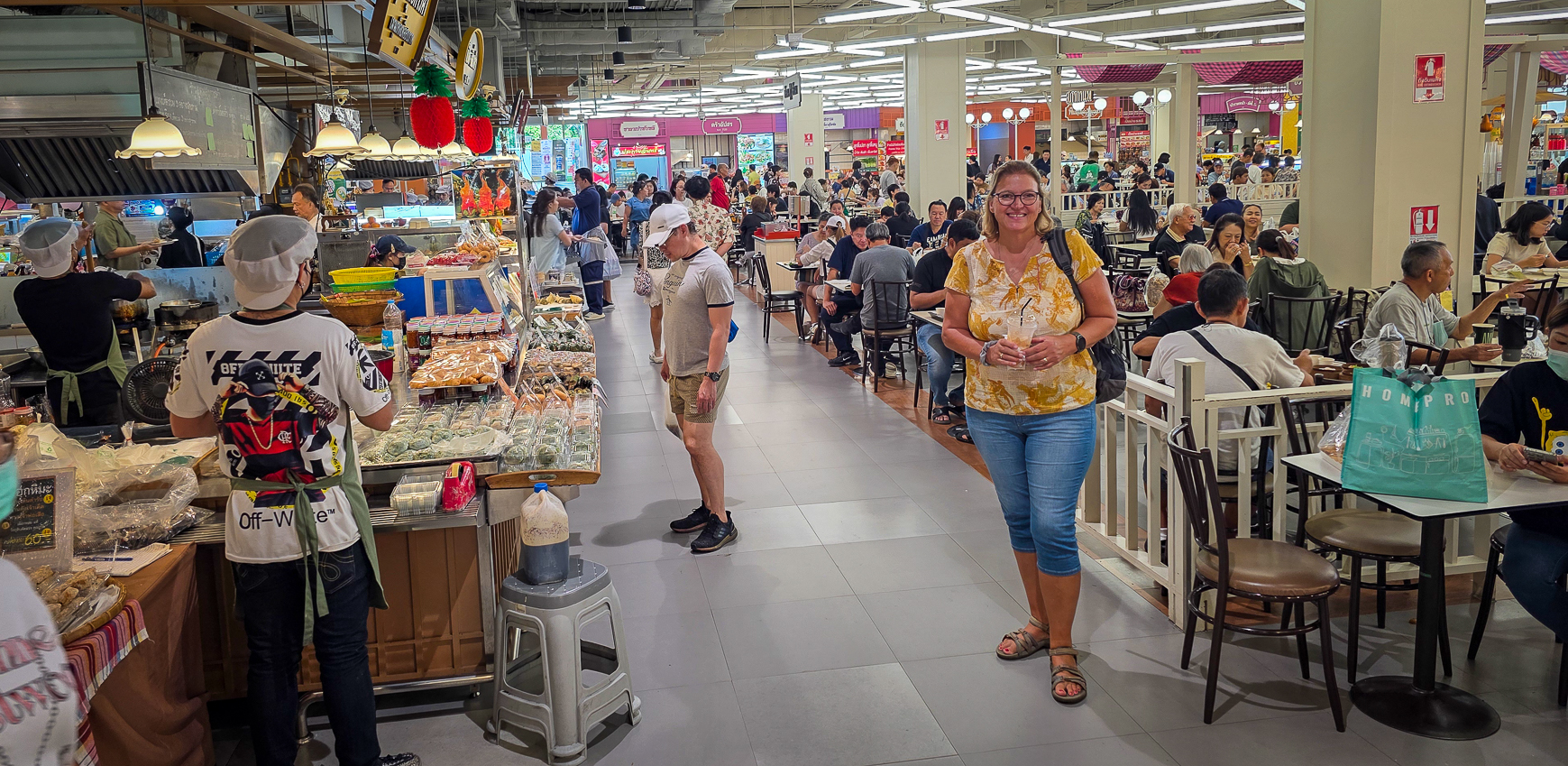
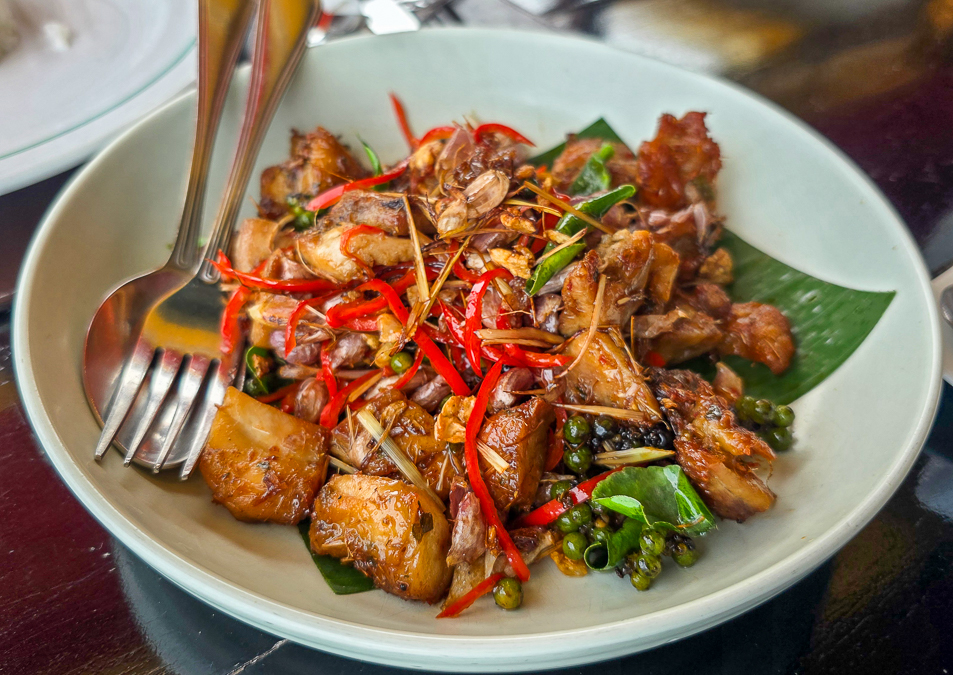
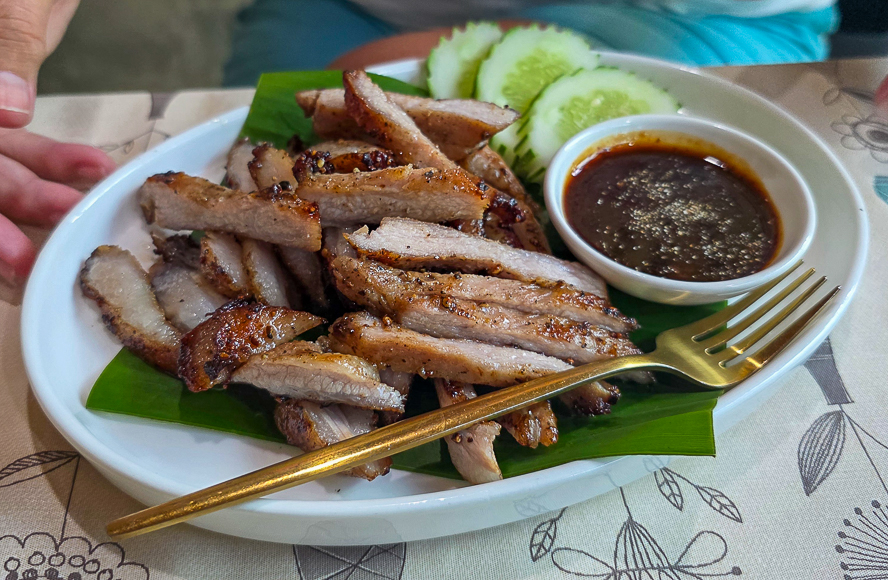
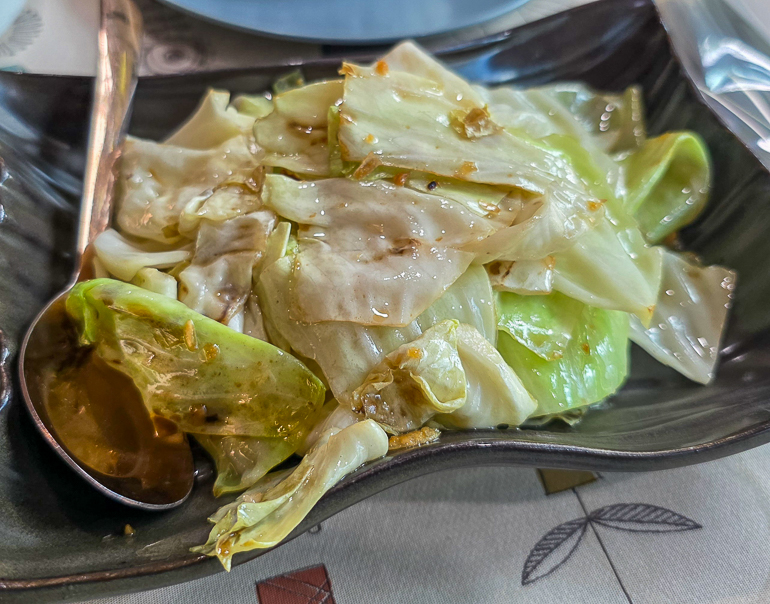
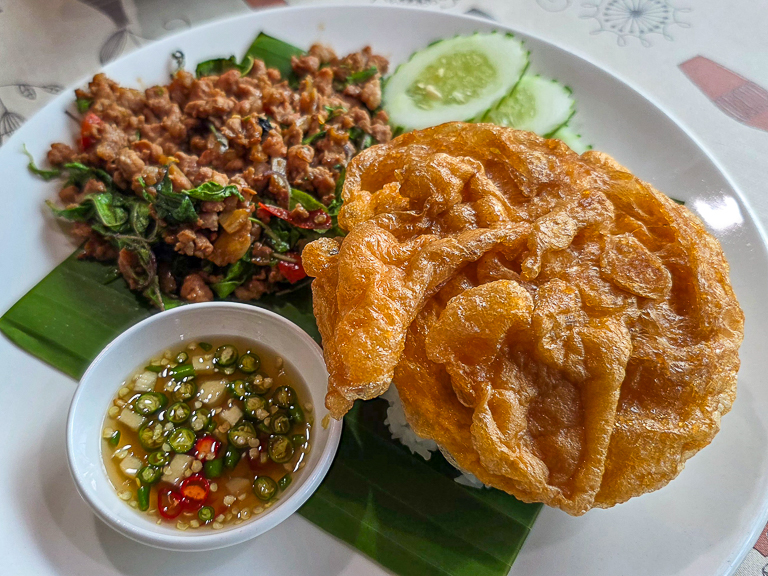
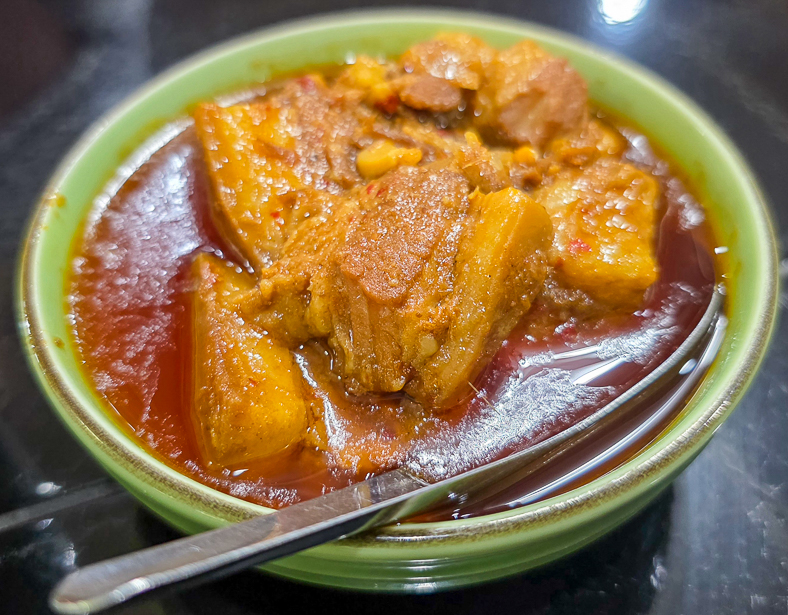
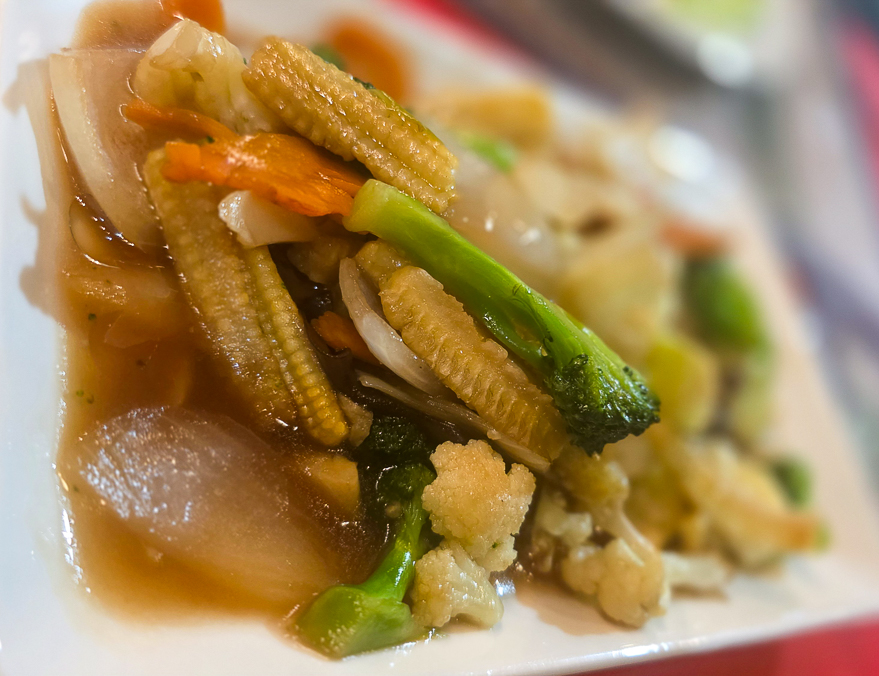
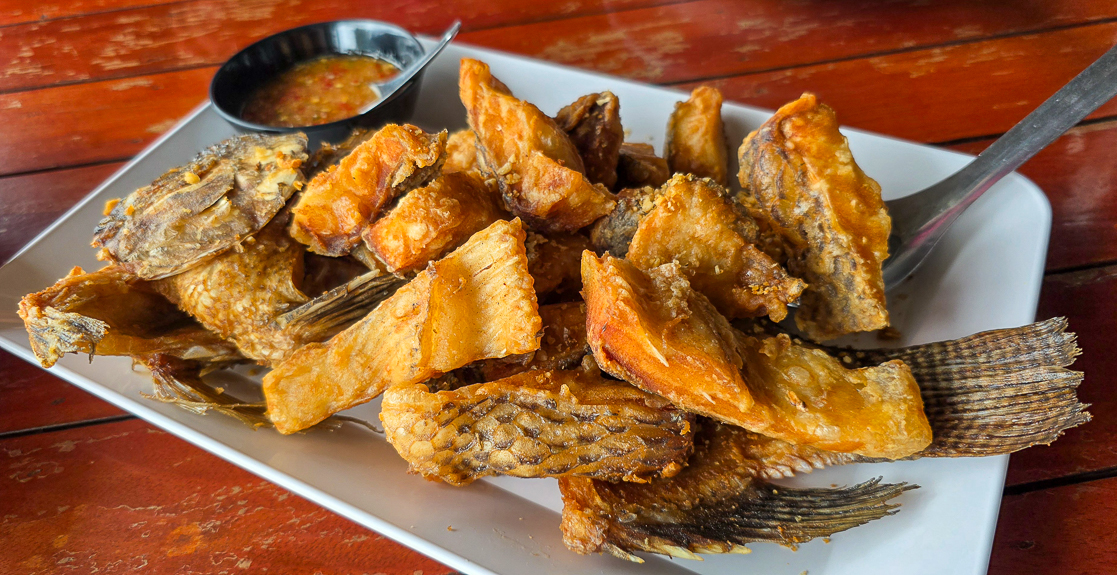
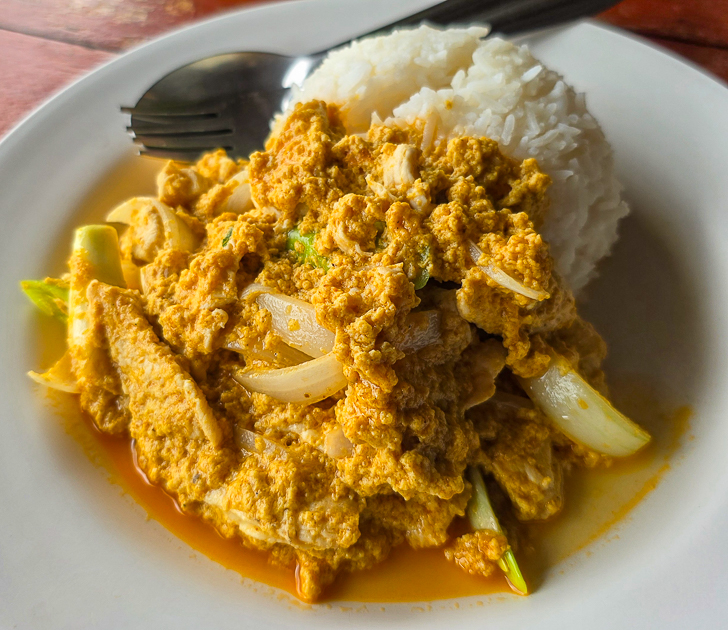
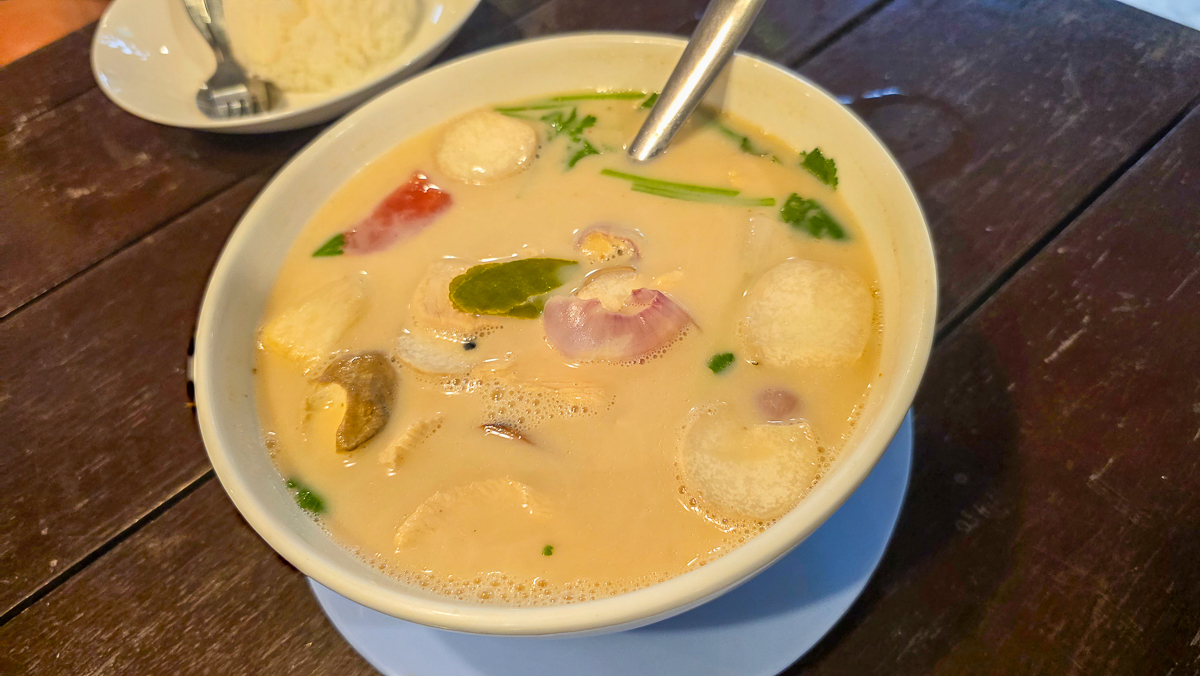
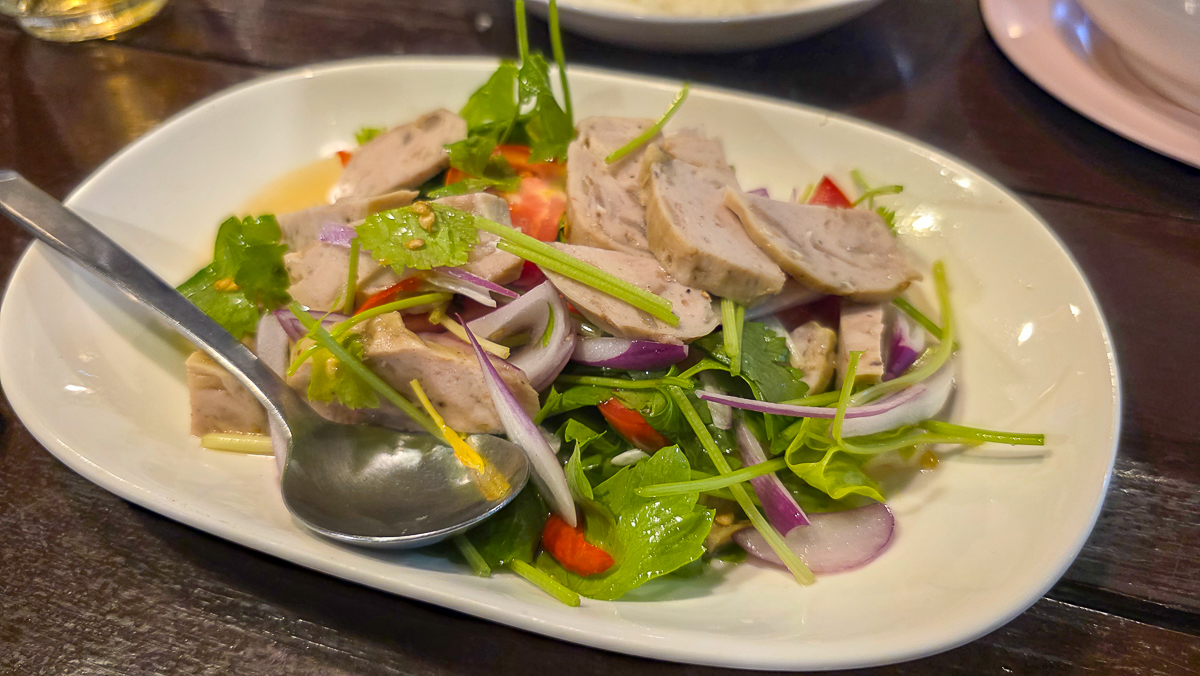
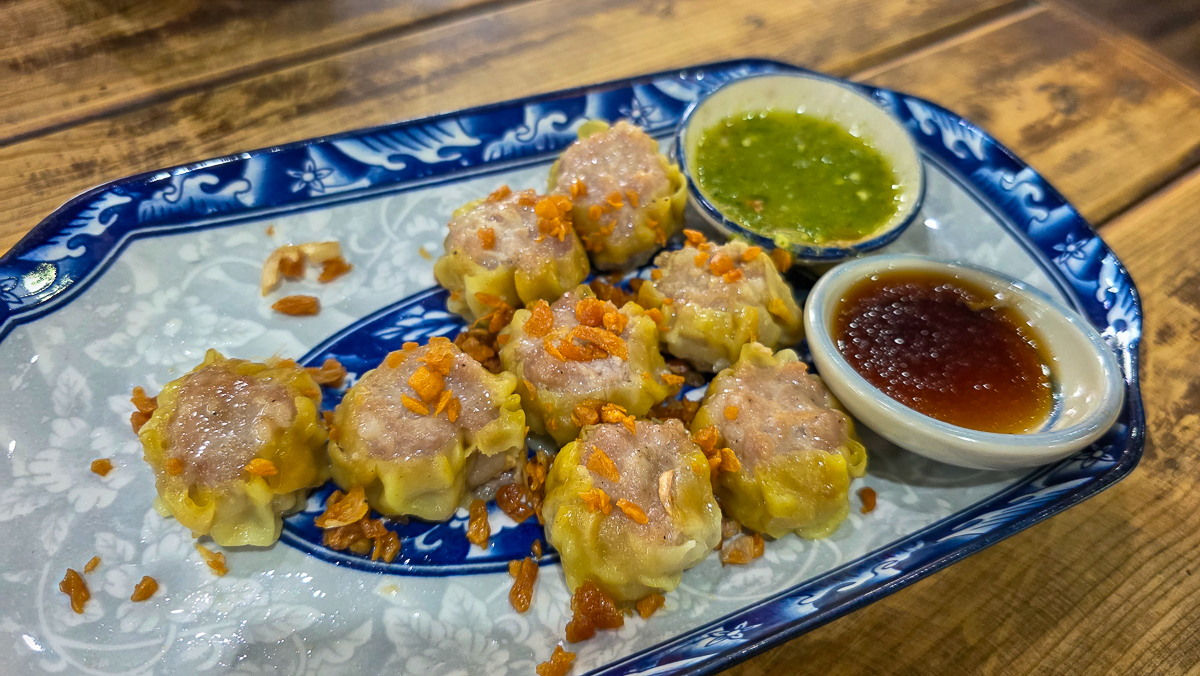
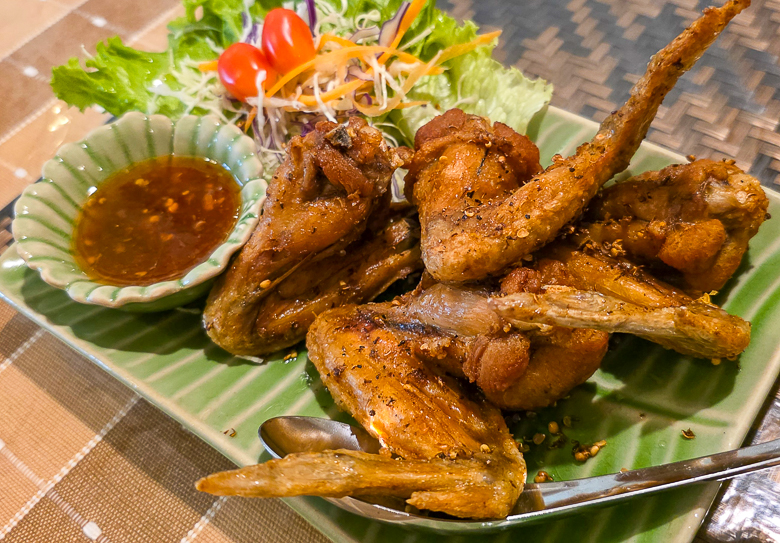
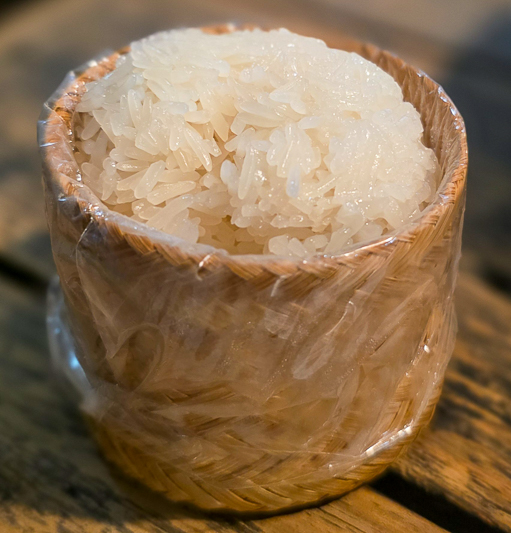
Today you find 2 picture librarys below: „Bangkok“ and „Thai Food“ –> check them all :-)!
Back to Thailand felt like entering a completely different world. Why Thailand, now? There is a good reason: In West Africa the rain-season starts and its no fun to drive on muddy roads when it is rainging, having hot temperatures ander heavy humidity. So we had to make a break …and we liked that idea anyway ;-)!
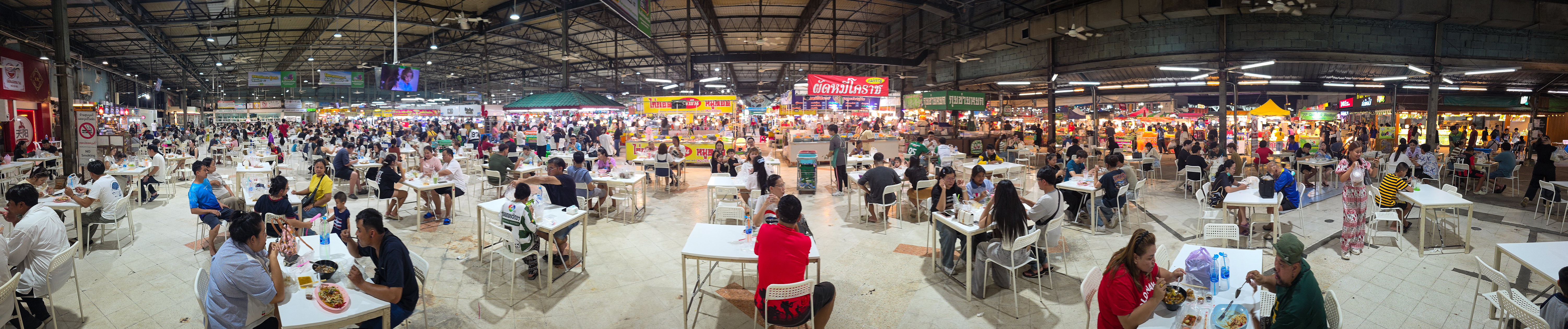
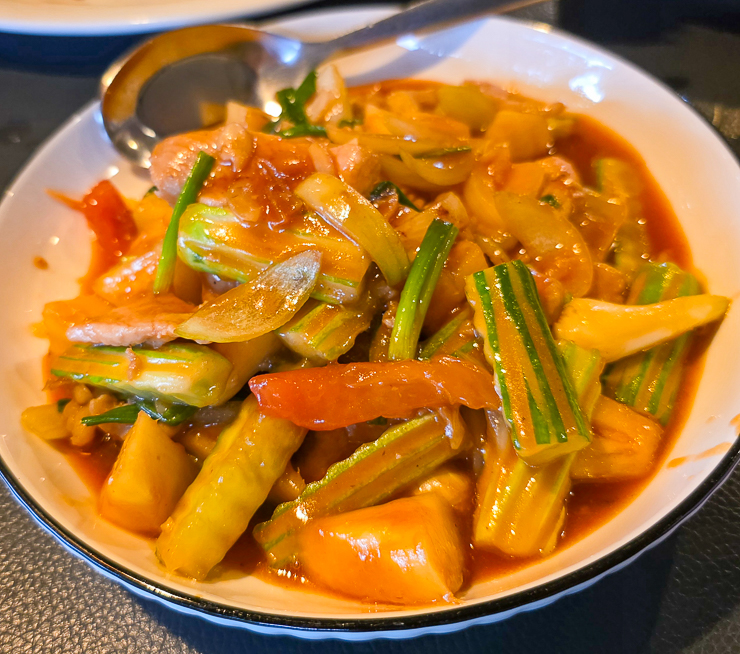
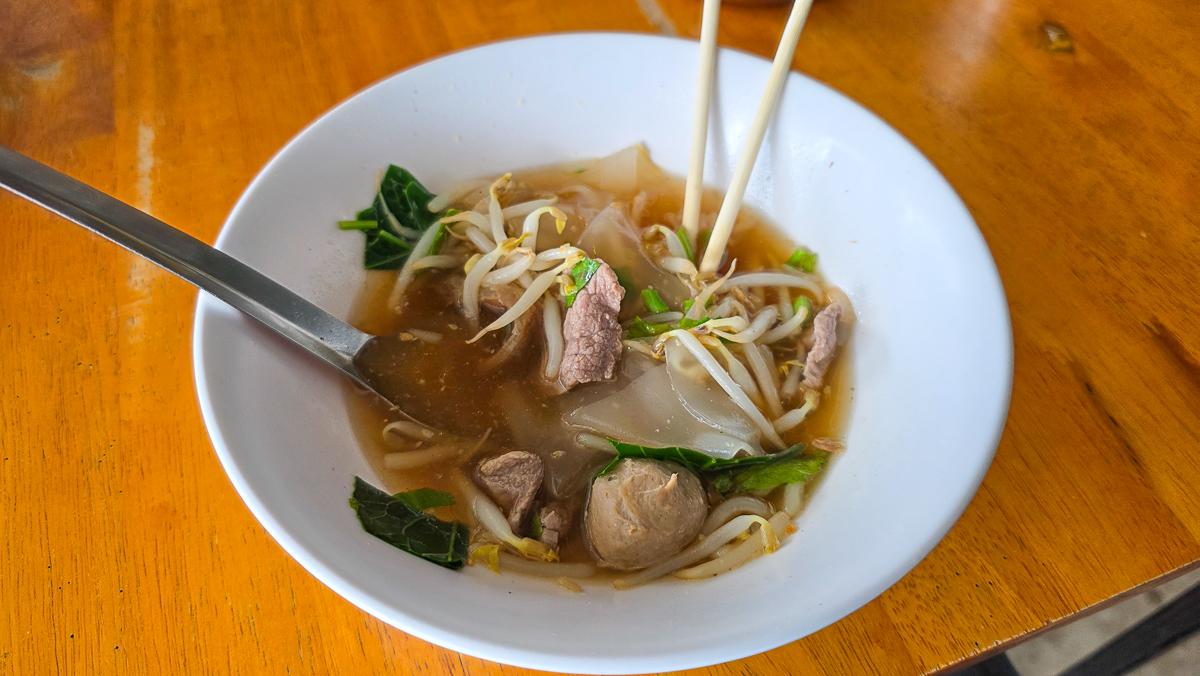
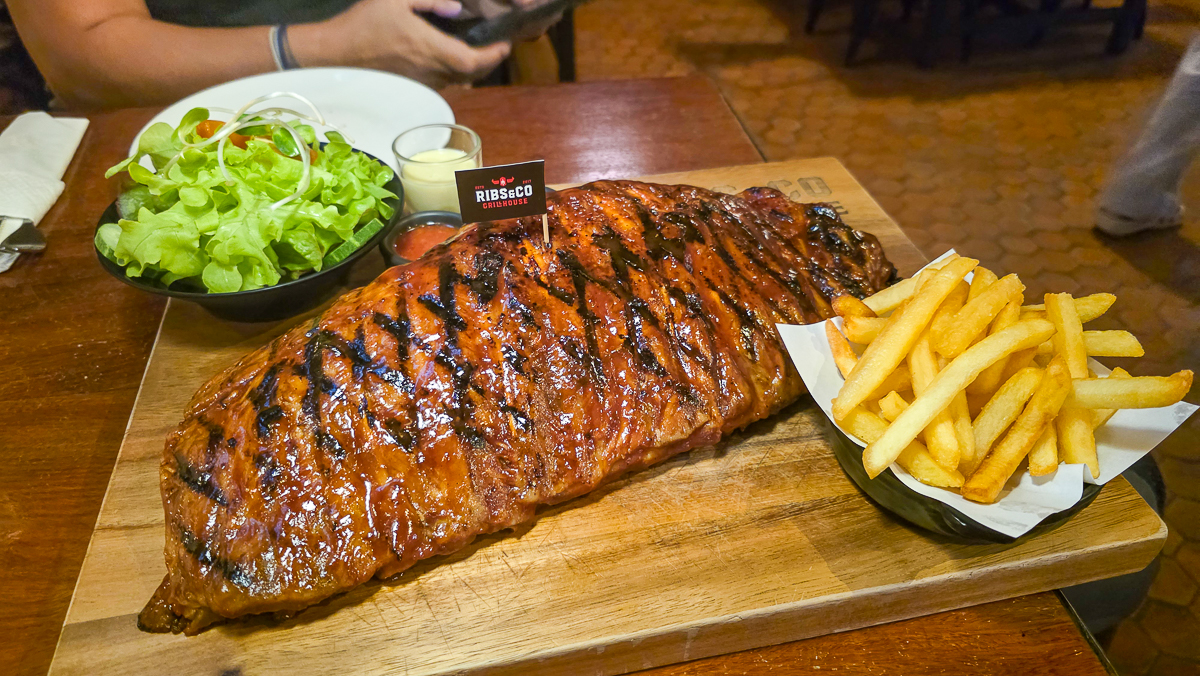
After spending a long time in West Africa we arrived in Bangkok on June 24 and immediately found ourselves surrounded by colors, restaurants, shops and people everywhere. Even before we could check into our hotel, a really good bowl of Boat Noodles reminded us of one of the things we love about Thailand: food is simply everywhere. Our neighborhood was not touristy at all, the huge local food court around the corner gave us enough culinary choices for the coming days. And yes, Bangkok was as hot and humid as expected.
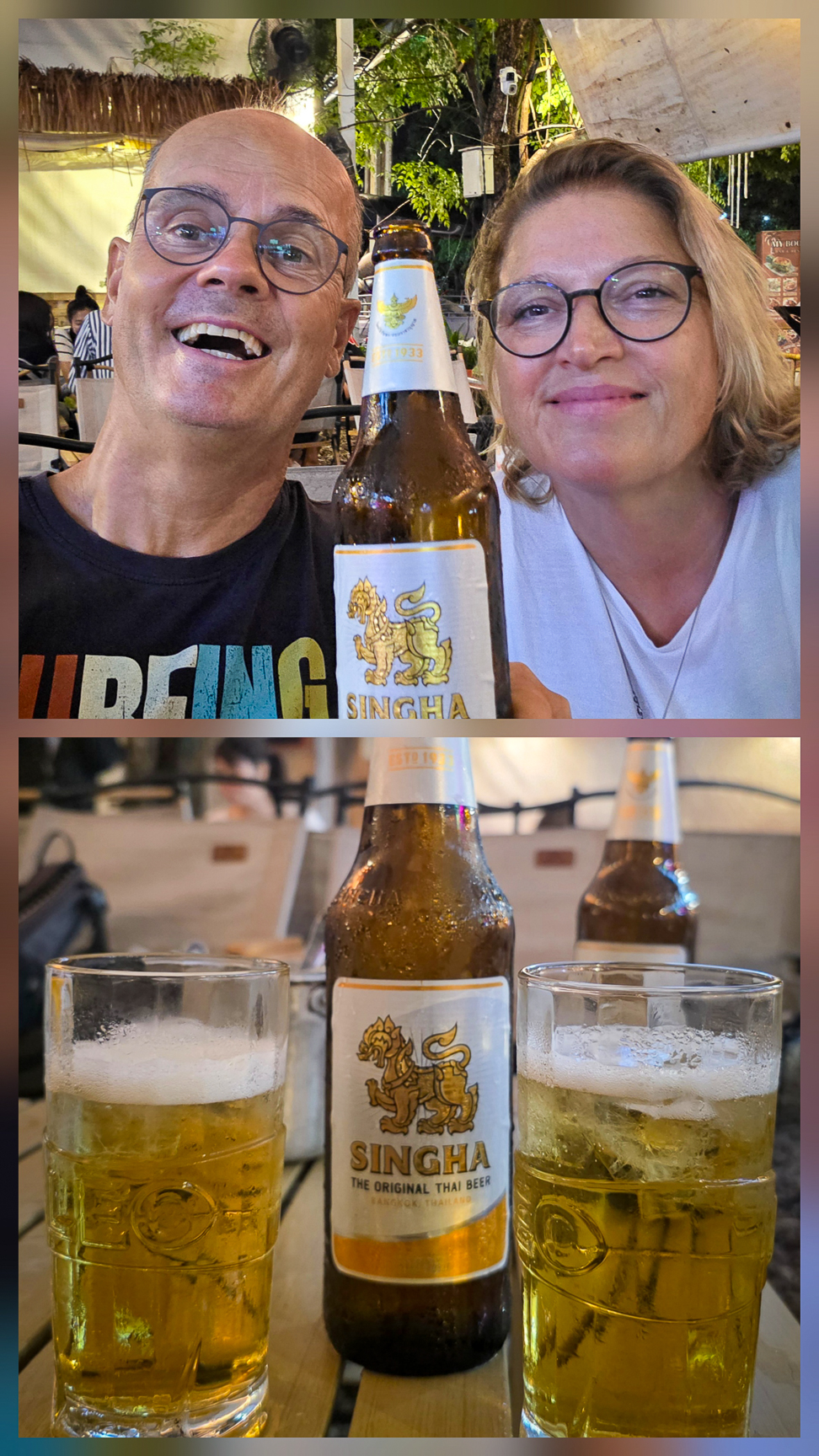
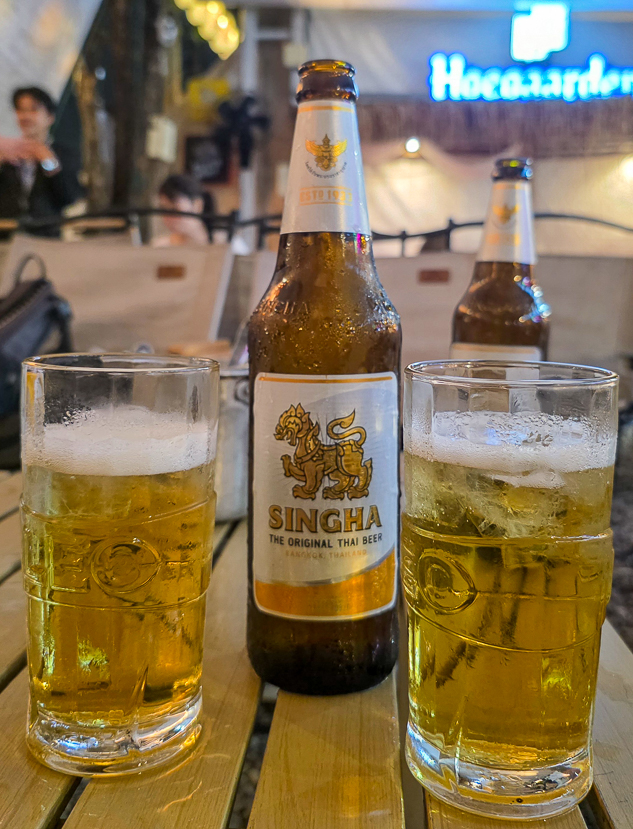
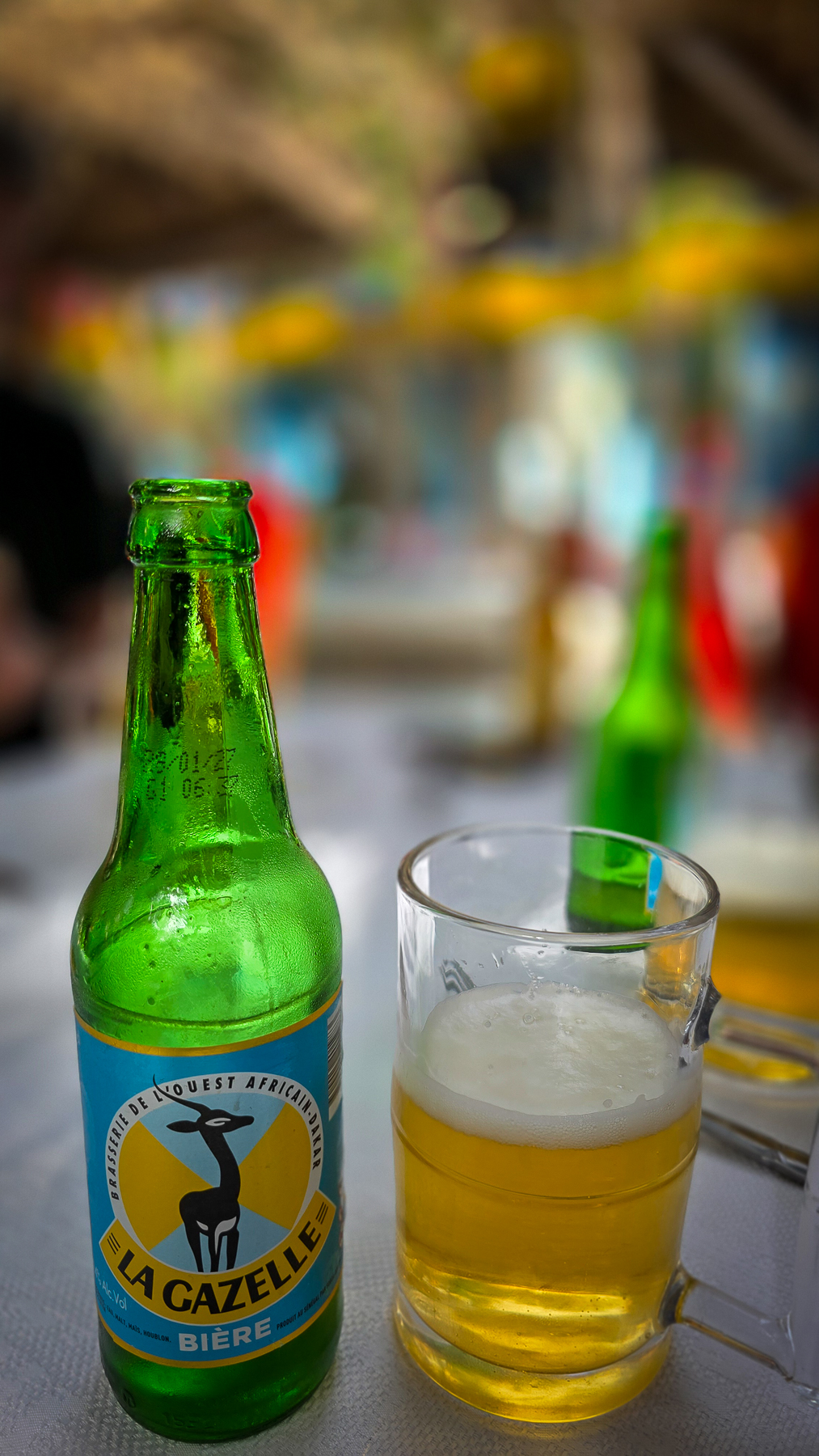
Bangkok became a kind of reset for us. We enjoyed the Train Night Market, local restaurants, massages and simply having an enormous choice of things to do again. Carsten also declared the swimming season officially open, mainly because the Senegalese ‚Gazelle Beers‘ had obviously left some traces around the belly. The plan was simple: more sport, less alcohol and somehow getting five kilograms off again. But Bangkok was just the location to arrive and to settle down.
Leaving Bangkok for the Thai hinterland showed us a side of the country that we had hardly experienced before. With our rental car we drove northeast through Saraburi, where we were often the only Farangs around, and visited Wat Phra Phutthabat with its footprint traditionally revered as Buddha’s footprint. Driving through the countryside was enjoyable in itself: green hills, small towns and restaurants at almost every corner. Eating is not simply something the Thais do between other activities. Sometimes it seems to be the activity around which everything else is organized.
For this trip through the hinterland of north Thailand we will publish a separate blogpost next week! So today we have the gerneral overview with focus on Bangkok and food 😉
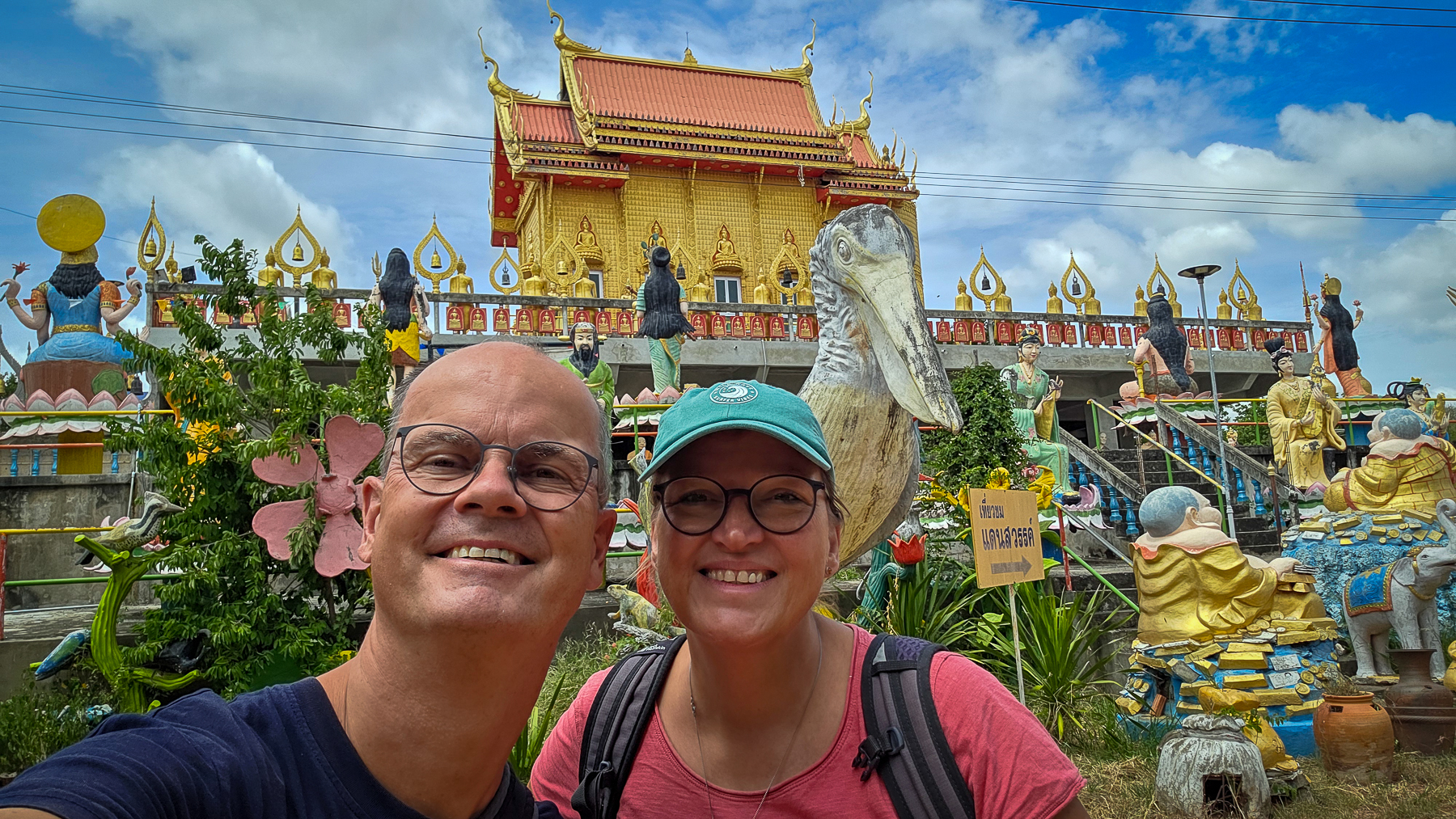
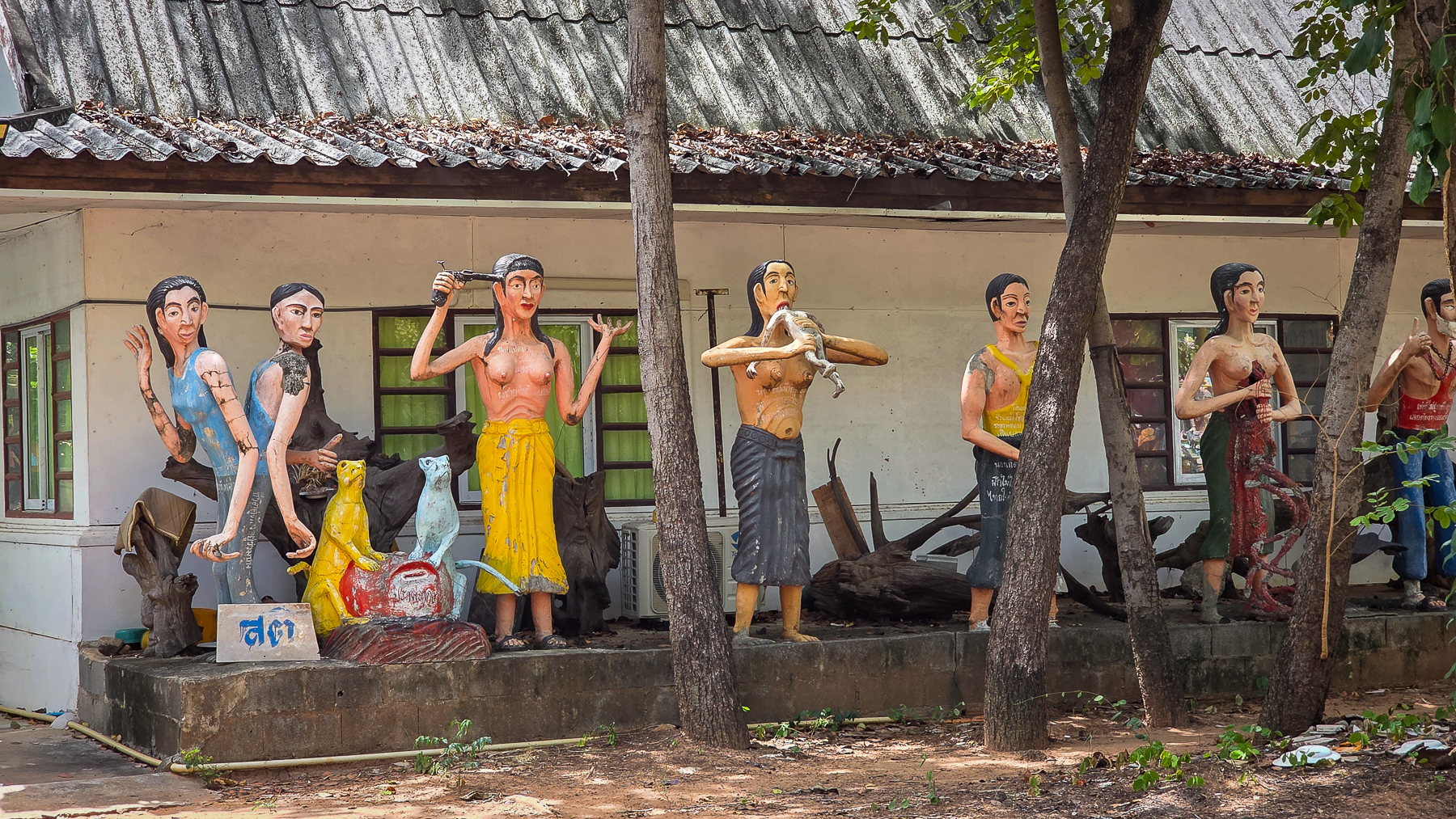
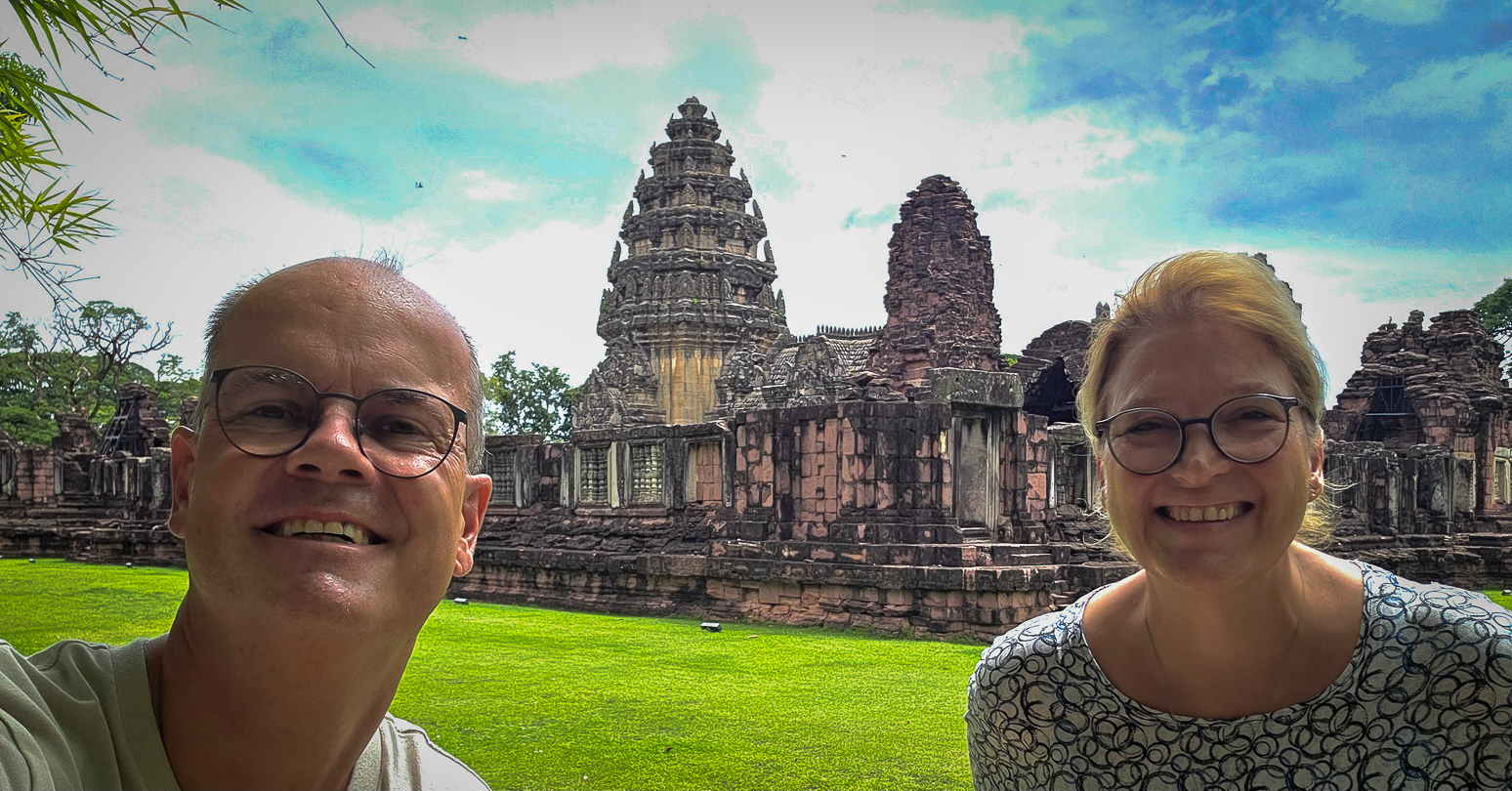
Khao Yai, Korat and the road north brought quite some variety. Khao Yai gave us beautiful tropical jungle, although most of its famous wildlife apparently had decided not to show up for us. In Korat we visited the completely crazy Wat Lak Roi with its endless collection of strange figures and sculptures, followed by the enormous Save One Night Market, definitely one of our food highlights. Further north, the well-preserved Khmer temple of Phimai gave us a small taste of the architecture we knew from Cambodia before we continued through Isaan towards the Mekong and the border with Laos.
Something became increasingly obvious on the road: Thailand was much more developed than the picture we still carried around in our heads. Roads were excellent, cars were modern, shops and services were everywhere and even far away from the big tourist centers things generally worked surprisingly well. Our perception was obviously still partly based on a Thailand we had experienced many years earlier. Traveling is good at exposing outdated perceptions, including your own.
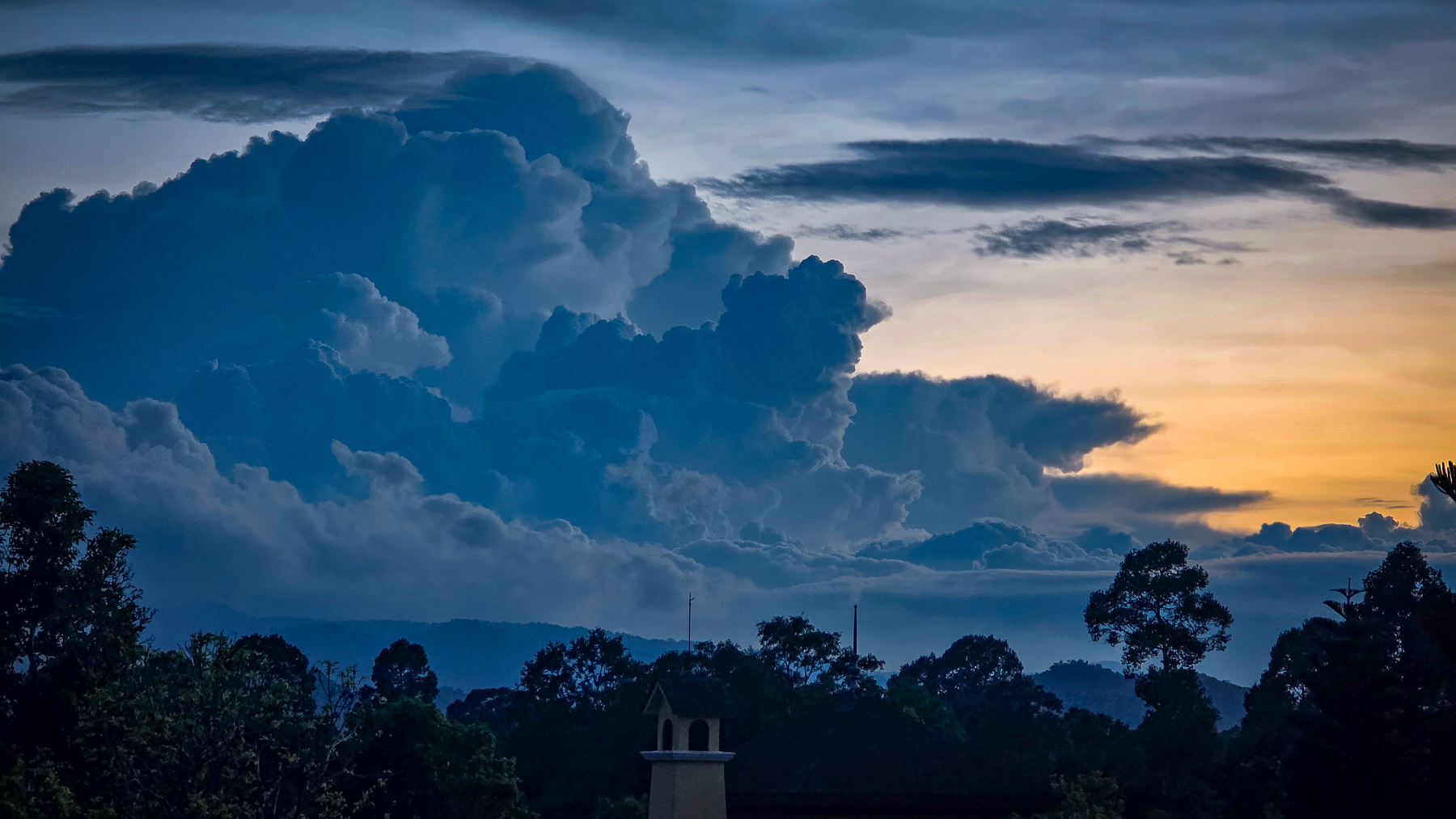
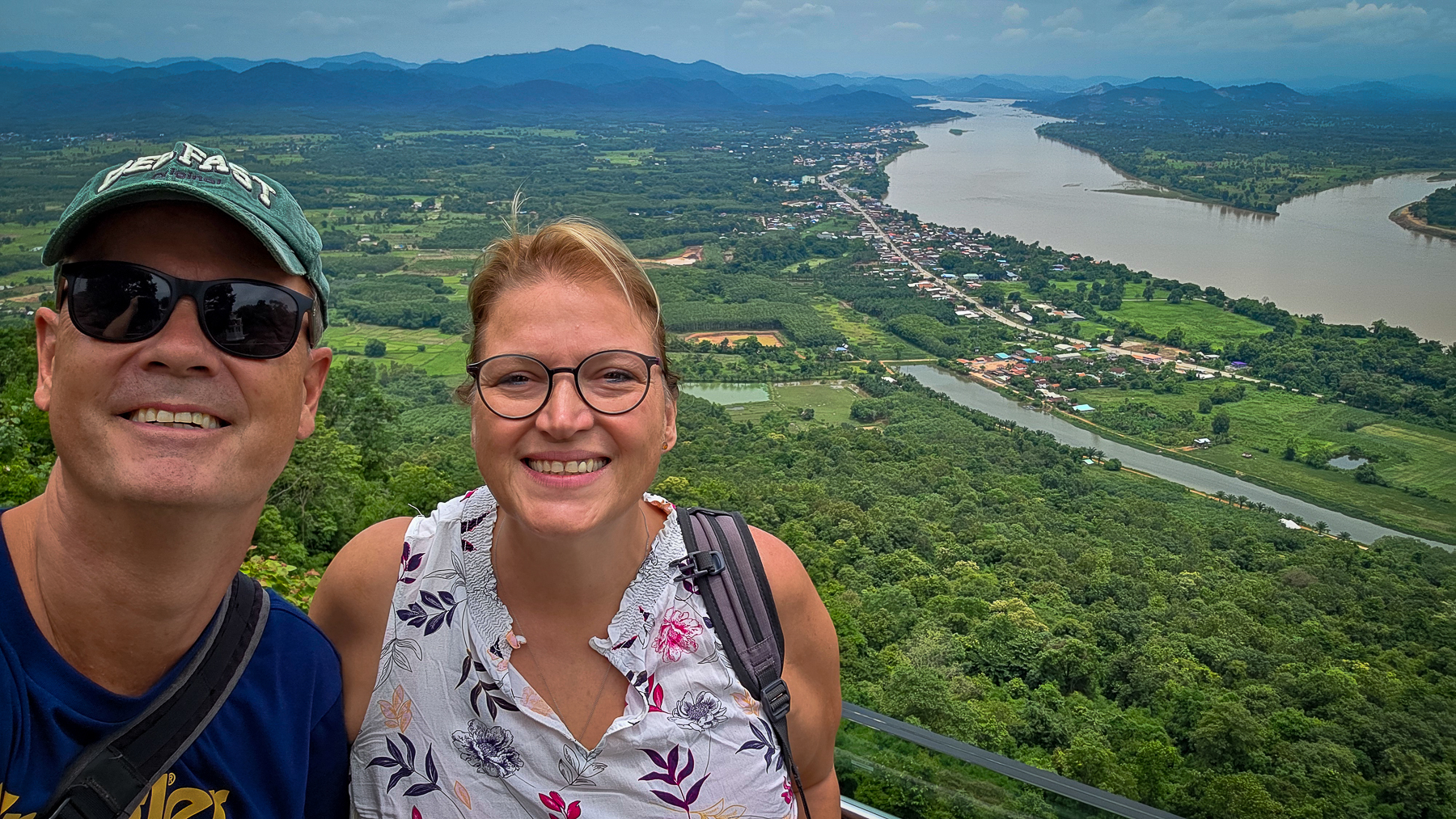
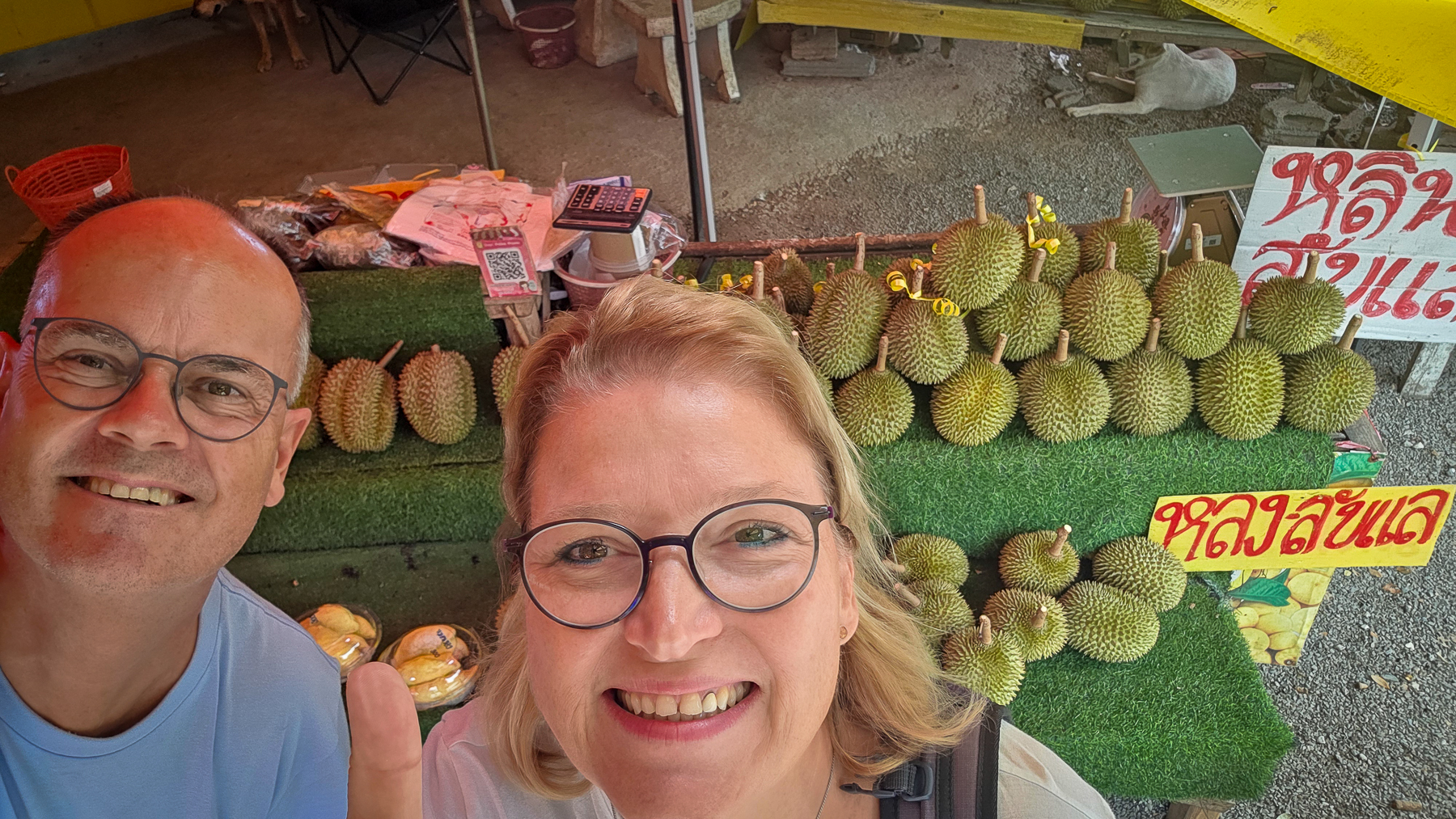
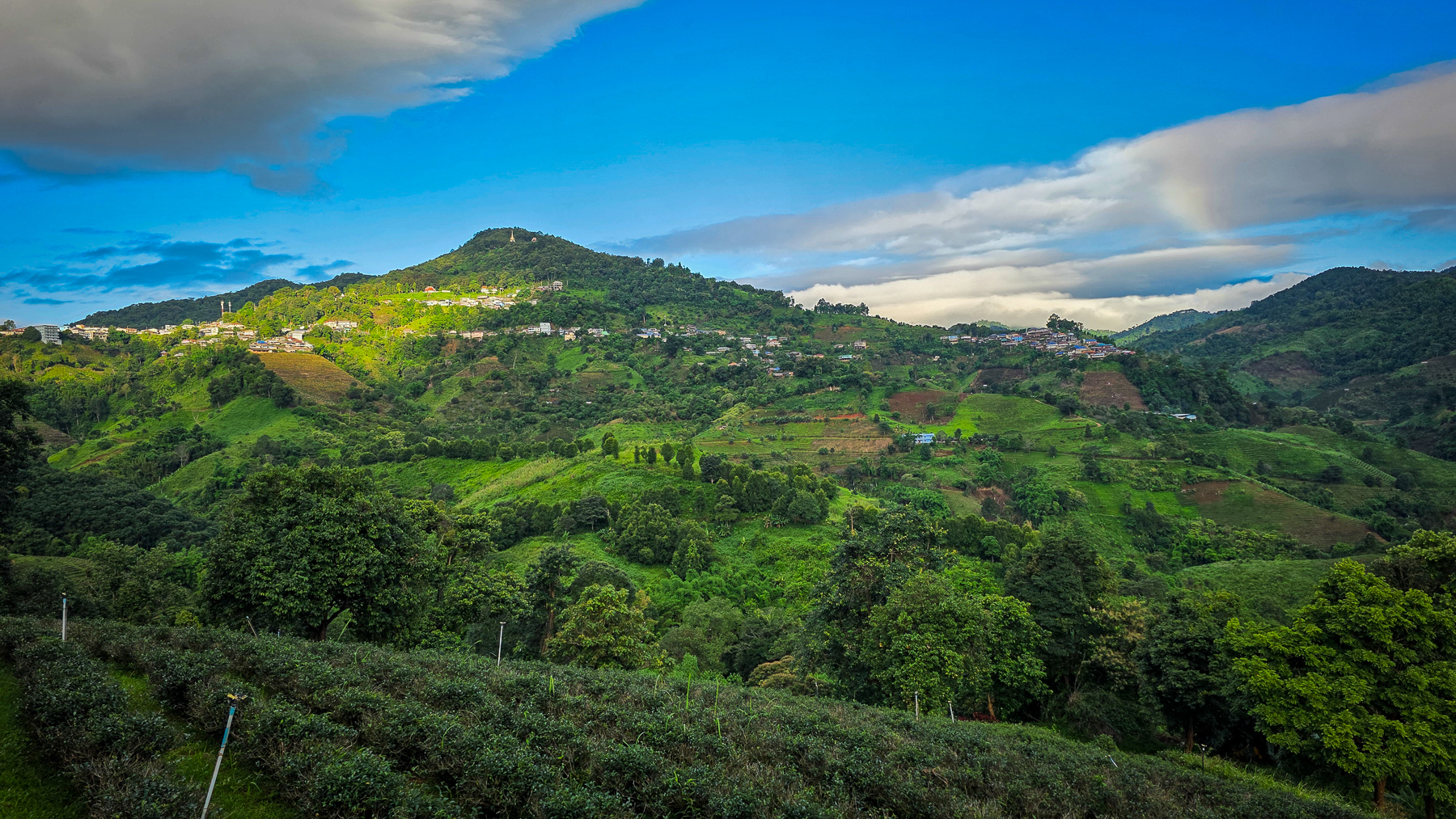
Northern Thailand was beautiful and often surprisingly quiet. We followed the Mekong north, stayed in Chiang Khan with its pleasant Walking Street and continued through Dan Sai and Nan towards Chiang Rai. Rice fields, mountains, jungle and rainy-season clouds accompanied us. In the durian-growing region we naturally bought some of the wonderfully creamy fruit. It tasted fantastic. Unfortunately, the car then smelled fantastic in a completely different sense. Around Doi Mae Salong we drove through the green tea hills before slowly turning south towards Chiang Mai.
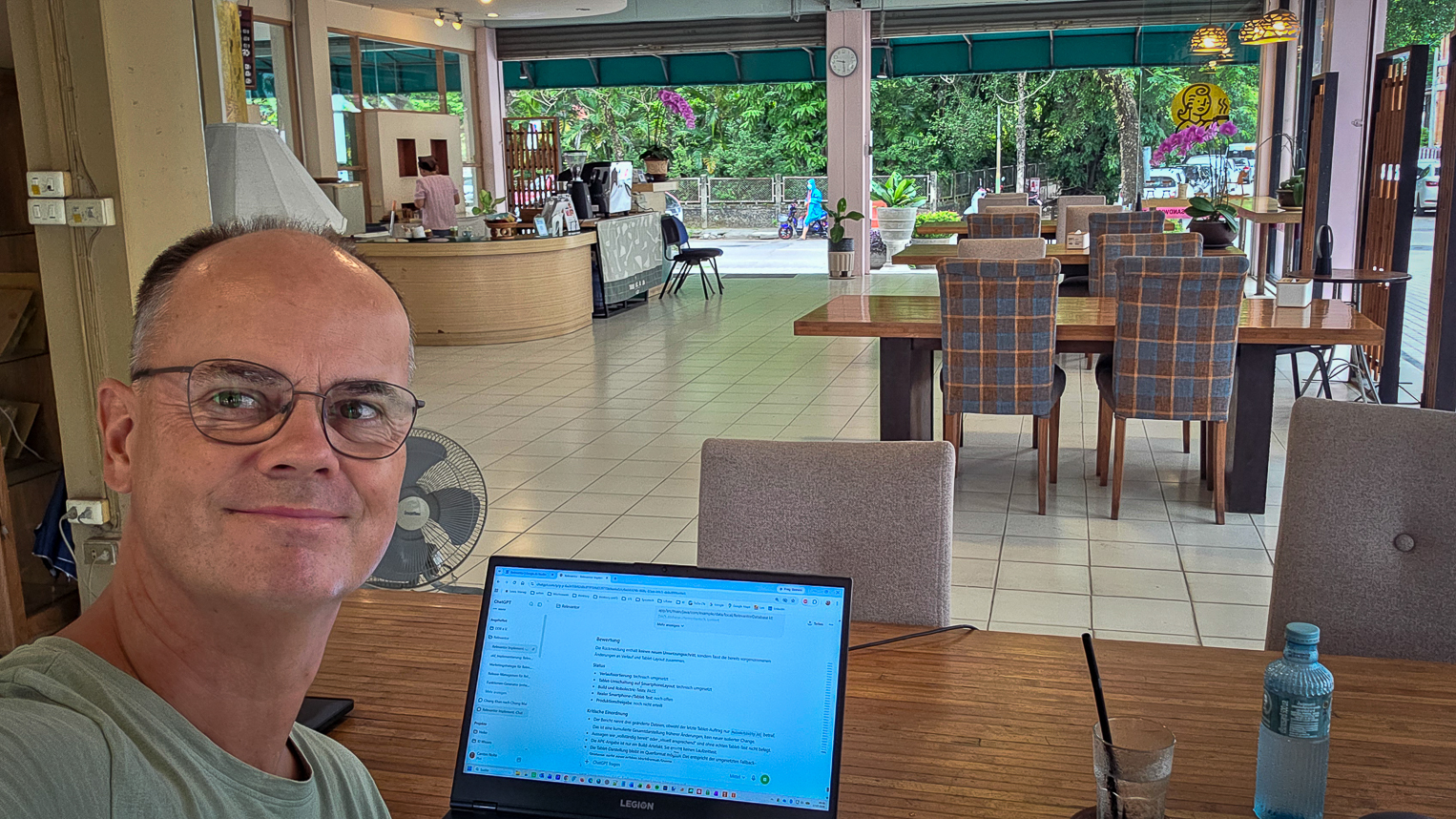
Chiang Mai gave us a different kind of travel experience. Instead of moving on every few days, we stayed for about four weeks and developed something close to a normal daily rhythm. Carsten regularly worked on Relevantor and his other AI projects, sometimes spending six or seven concentrated hours in a coworking space. We combined this with sport, massages, restaurants, markets and meeting new people. And we also got to know Thailand’s medical system. Heike’s knee was examined in a private clinic, including X-ray and MRI within a very short time, and both of us had a new dental crown made. The quality, speed and organization of the medical and dental care impressed us enormously, in some respects even more than we would have expected in Europe.
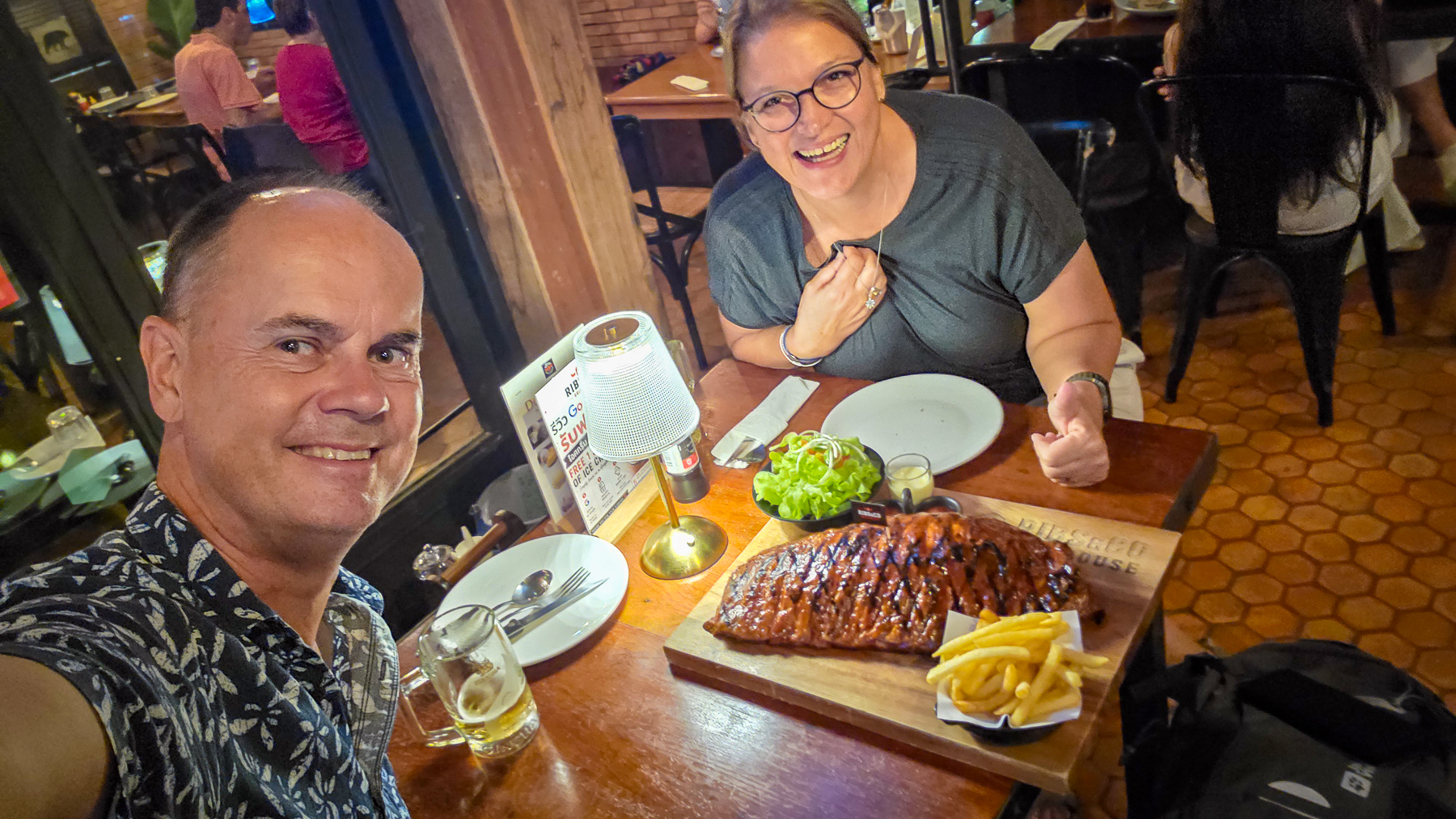
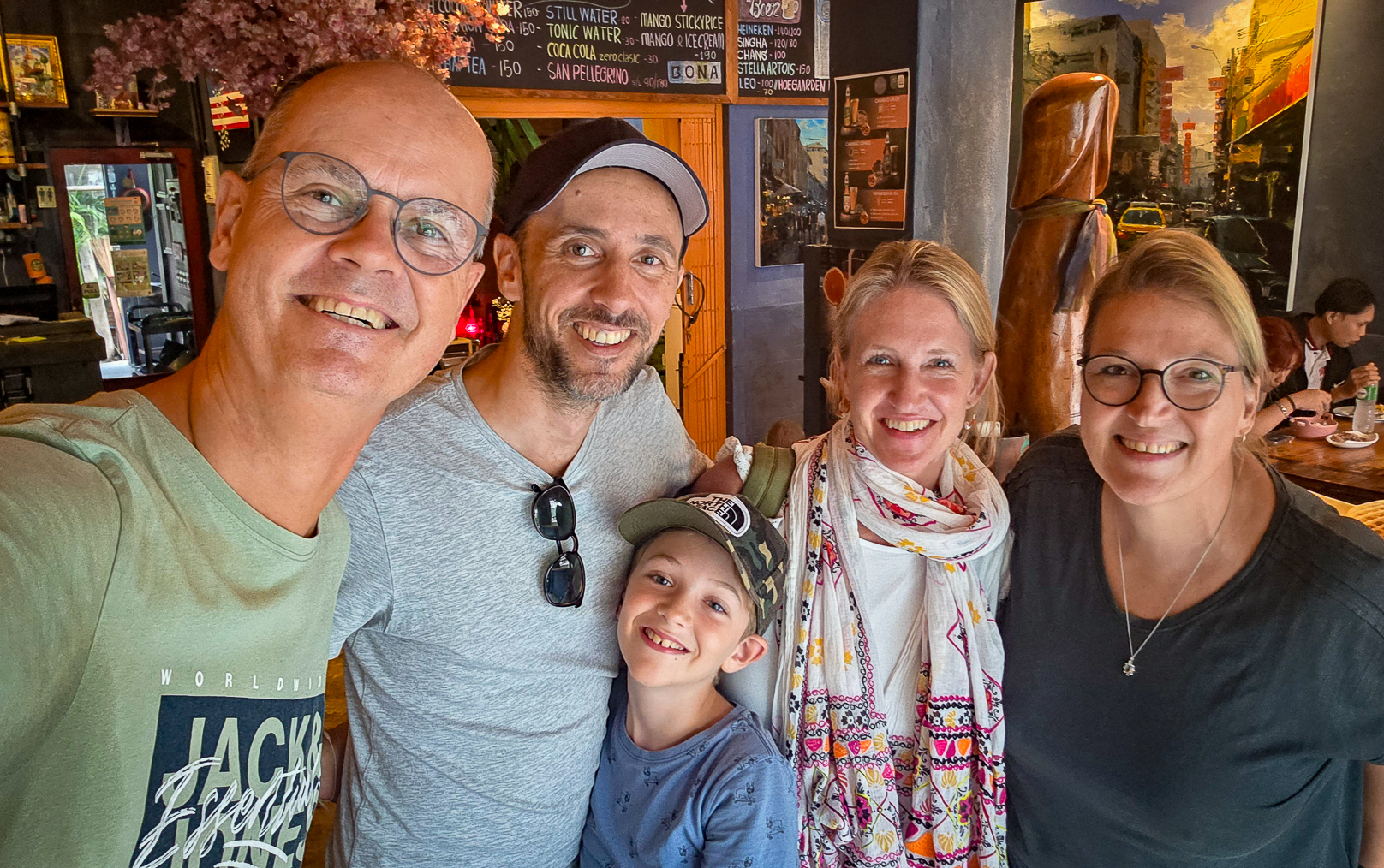
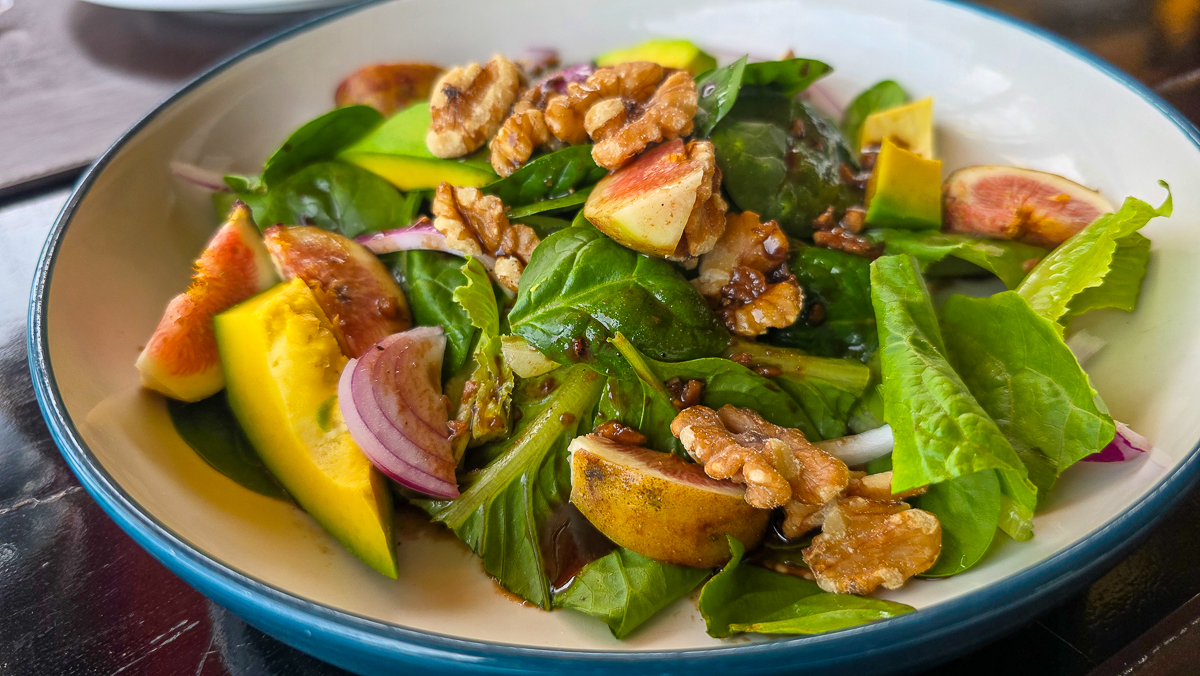
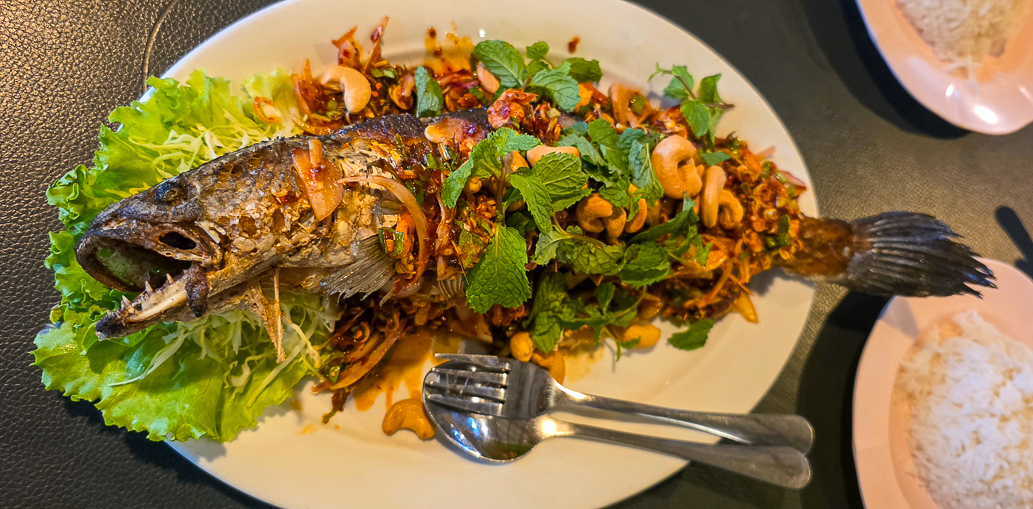
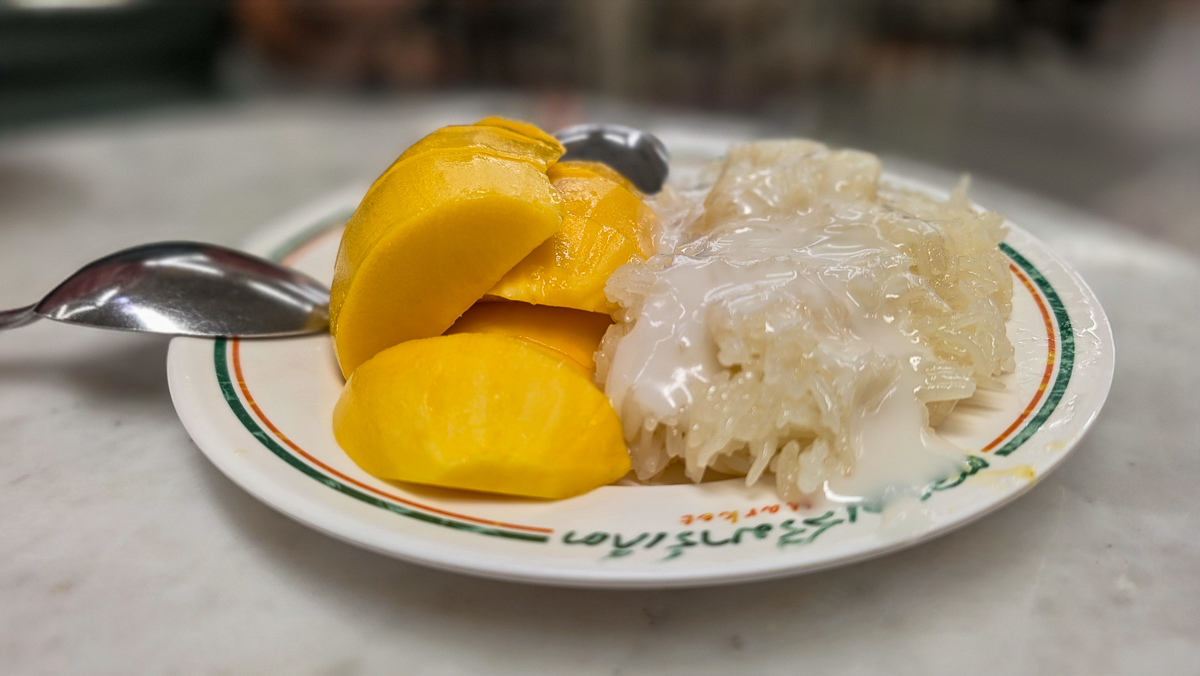
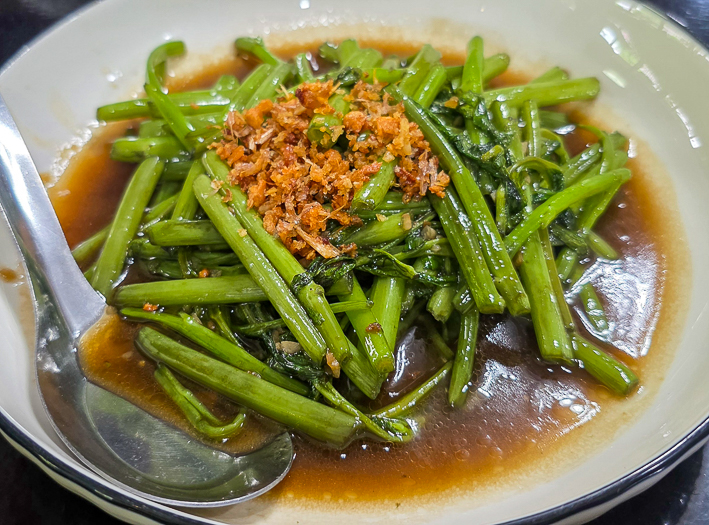
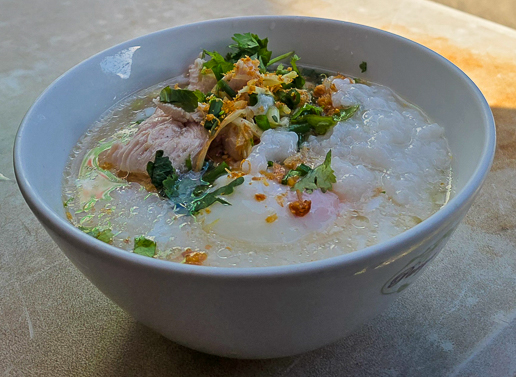
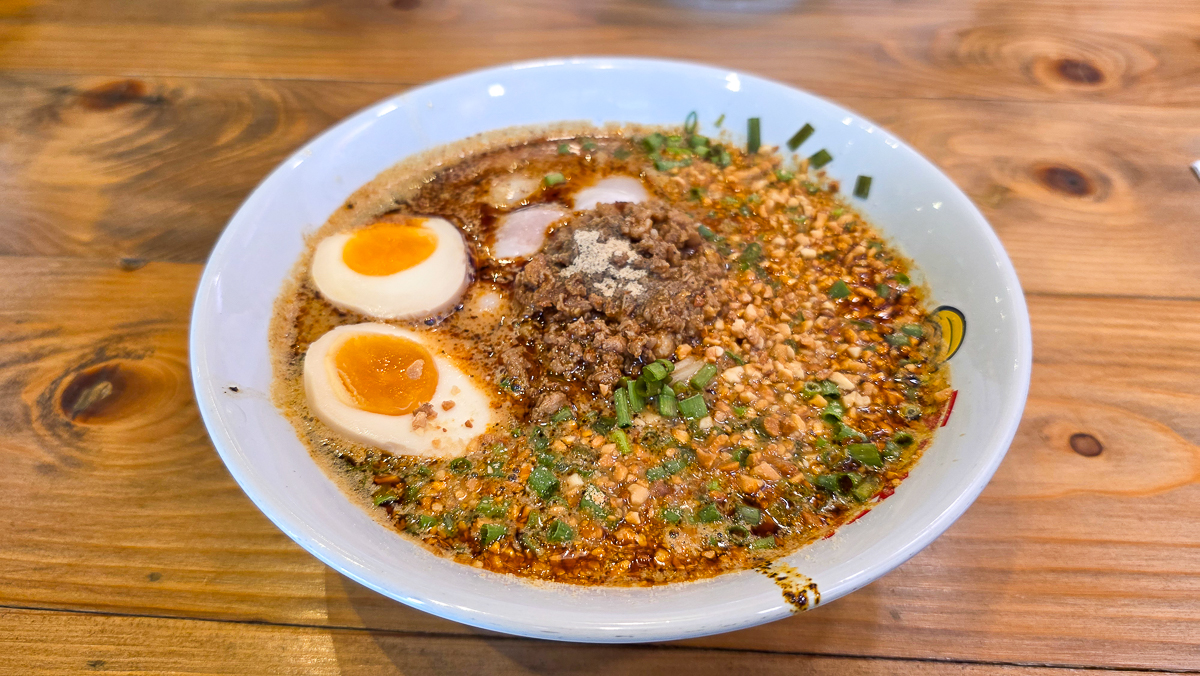
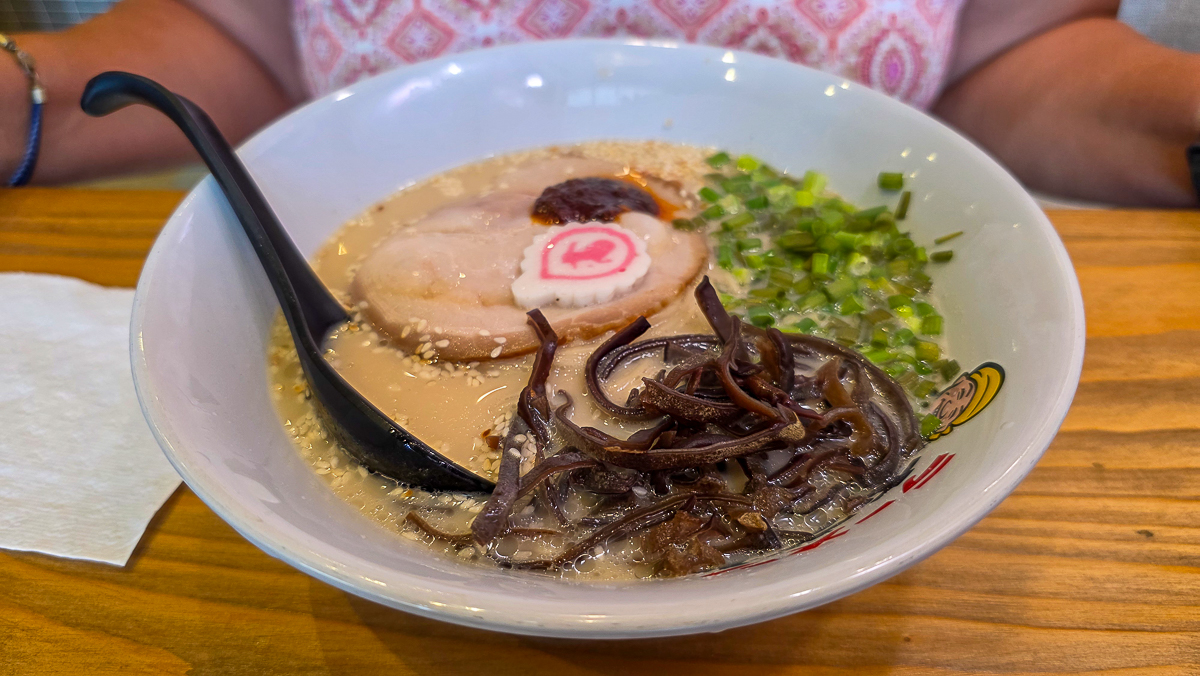
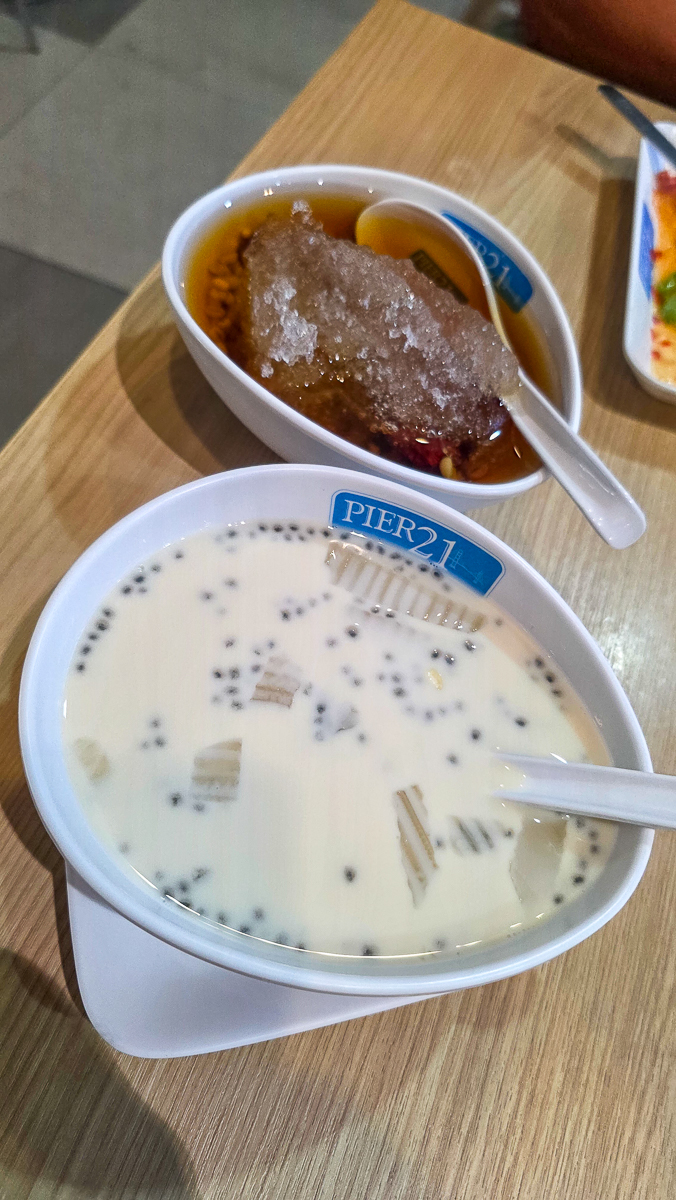
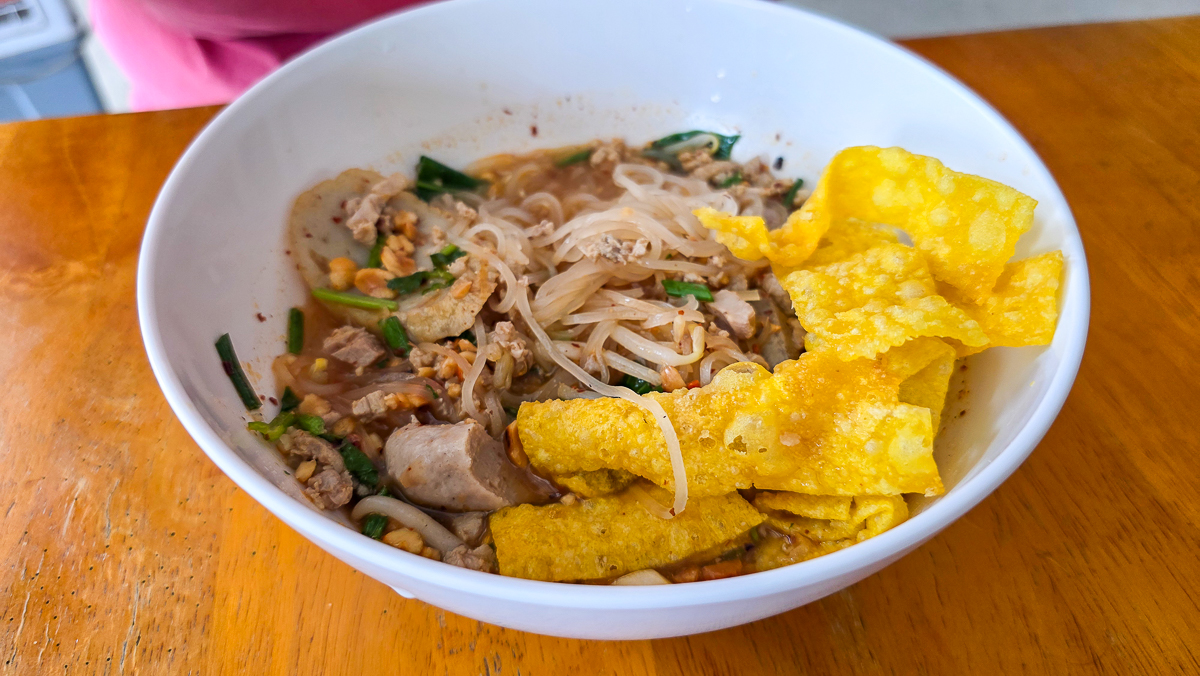
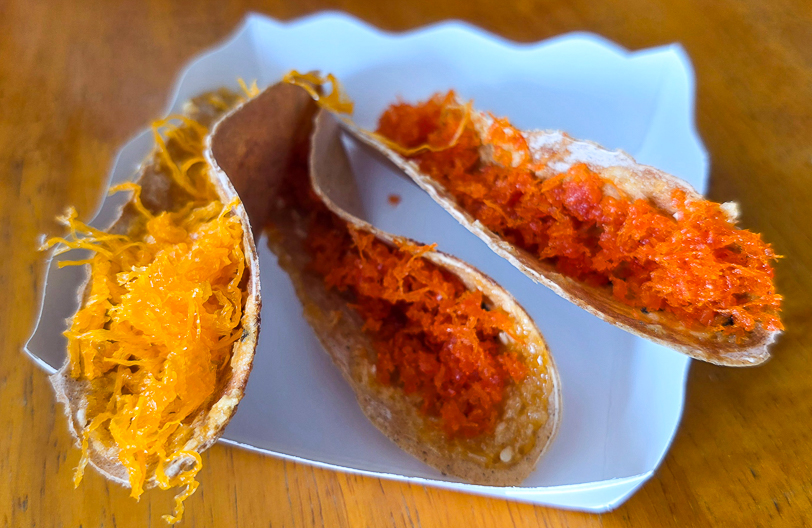
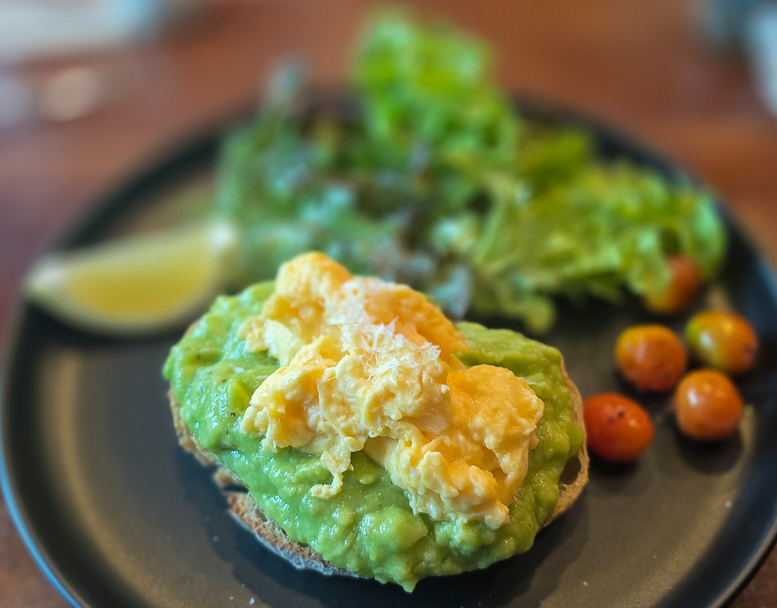
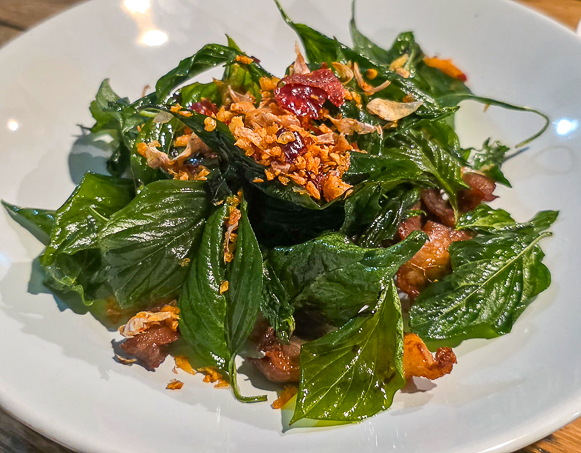
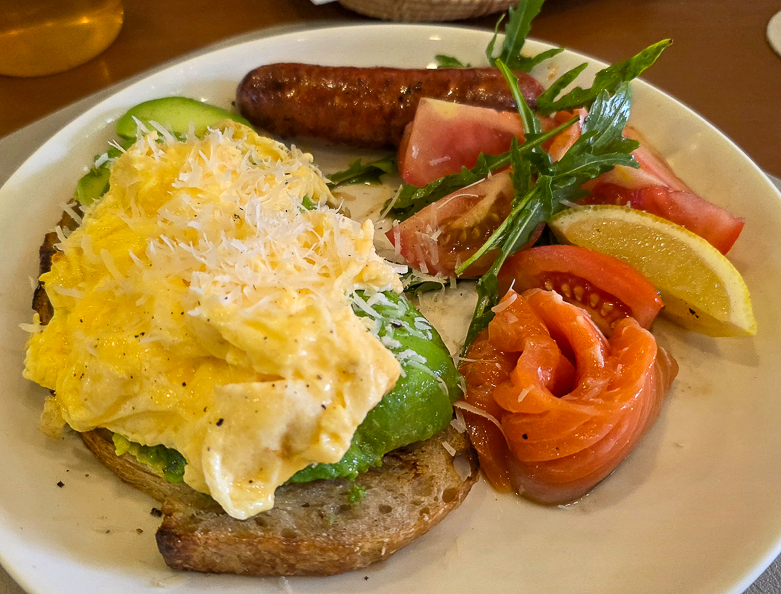
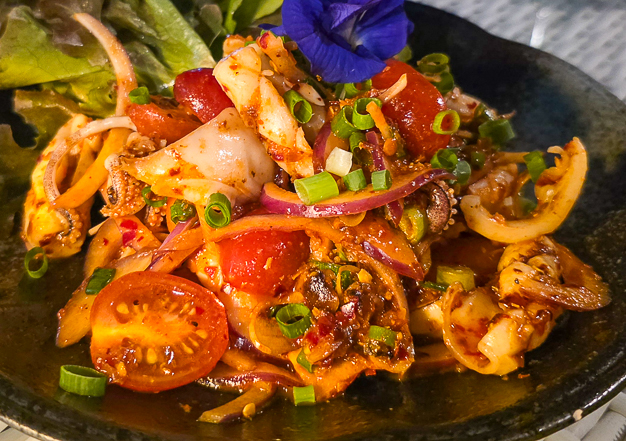
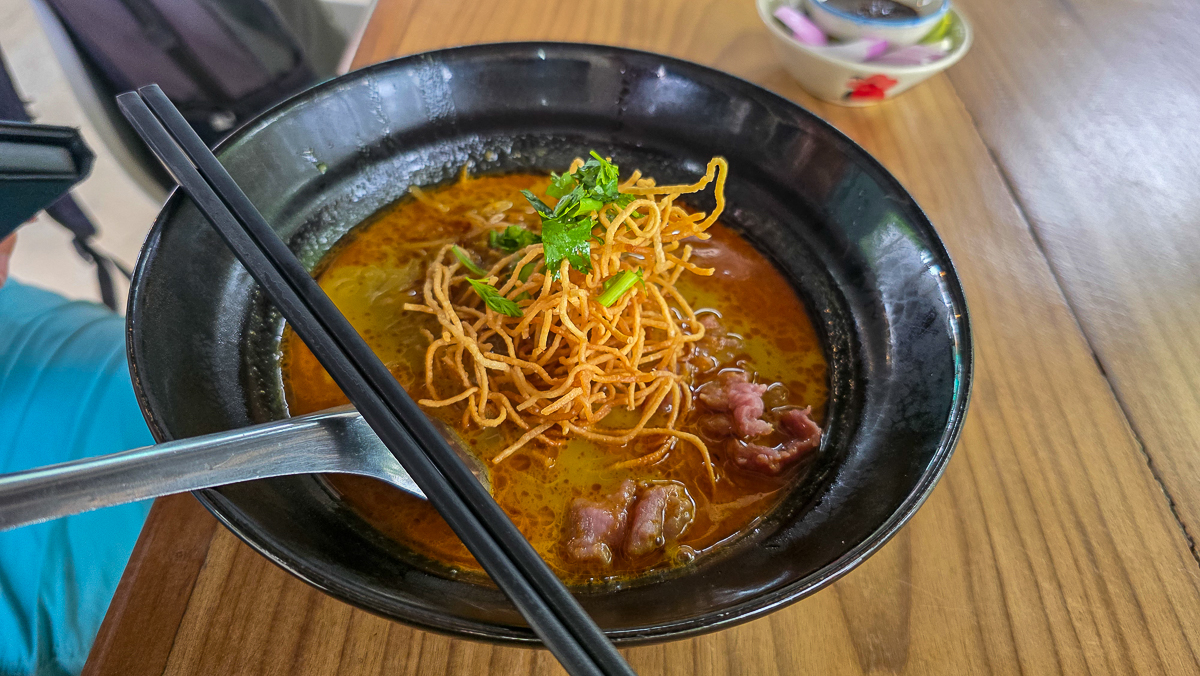
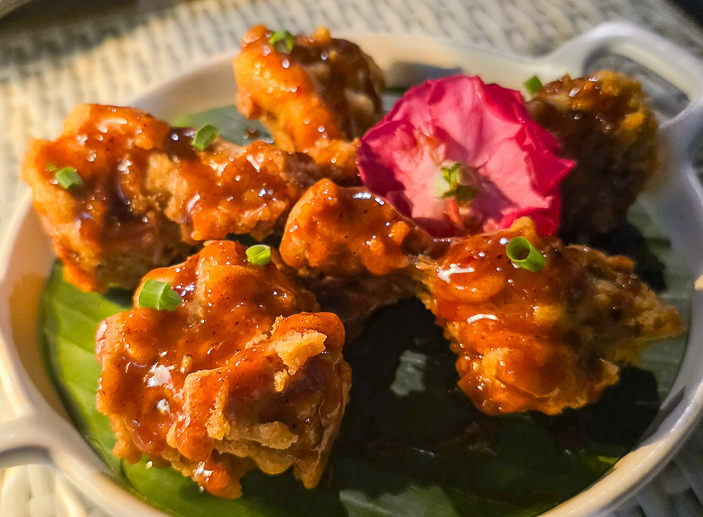
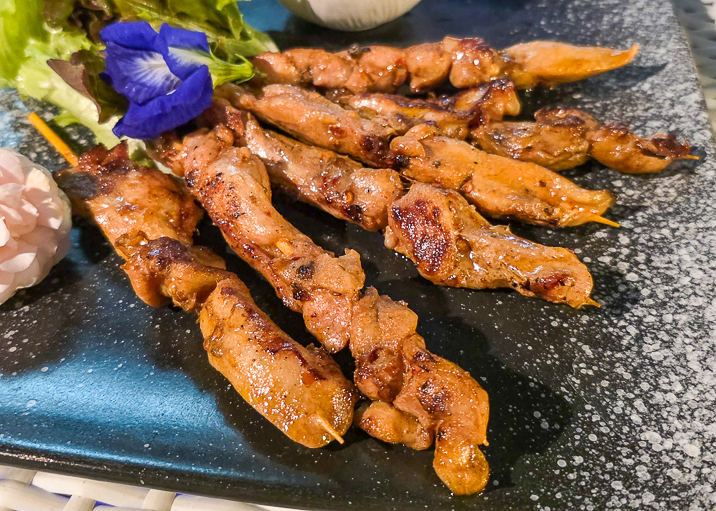
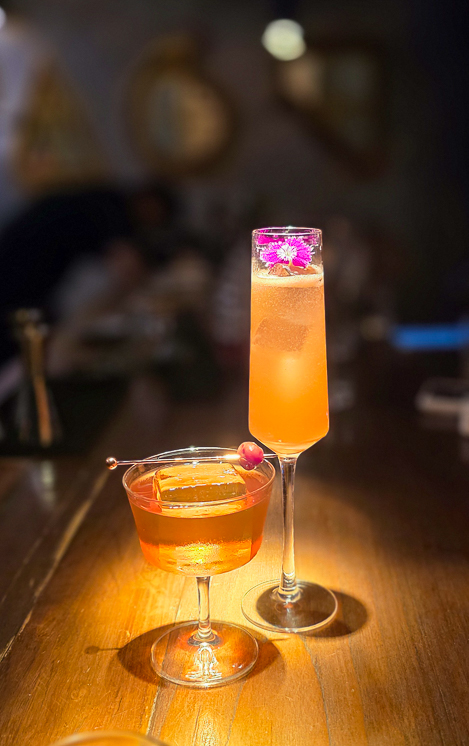
Food remained our reliable companion. Chiang Mai offered everything from simple breakfast soups and Khao Soi to Chinese restaurants, street markets and sophisticated restaurants and bars. The city also seemed much busier than during our earlier visits, with more restaurants, bars, stalls and activity everywhere. Thailand had not stood still while our old picture of the country had.
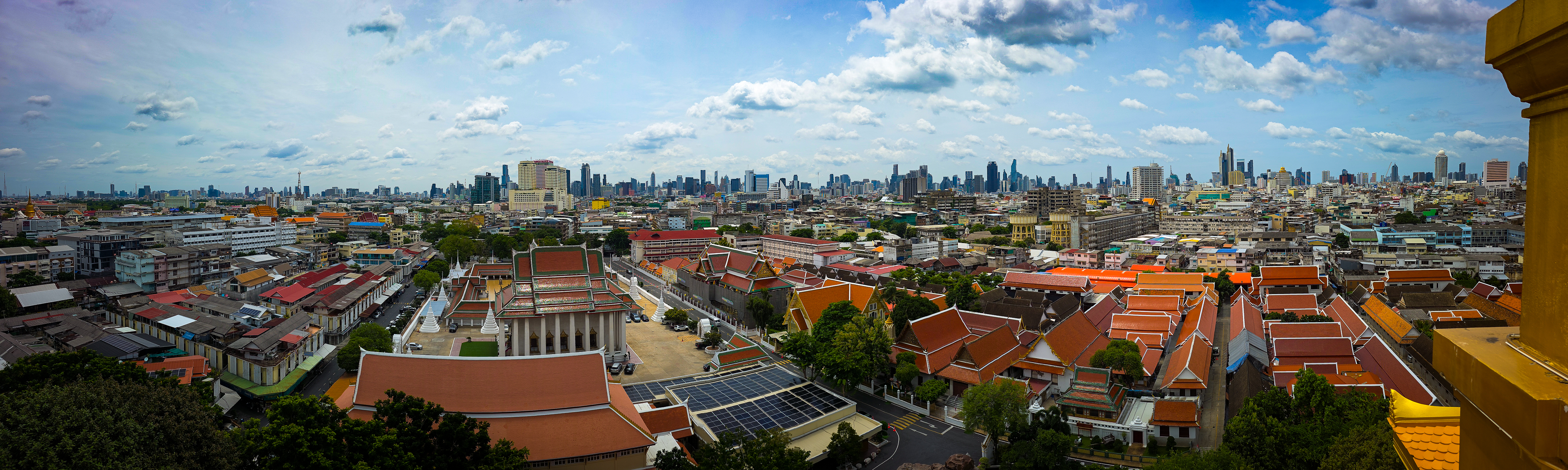
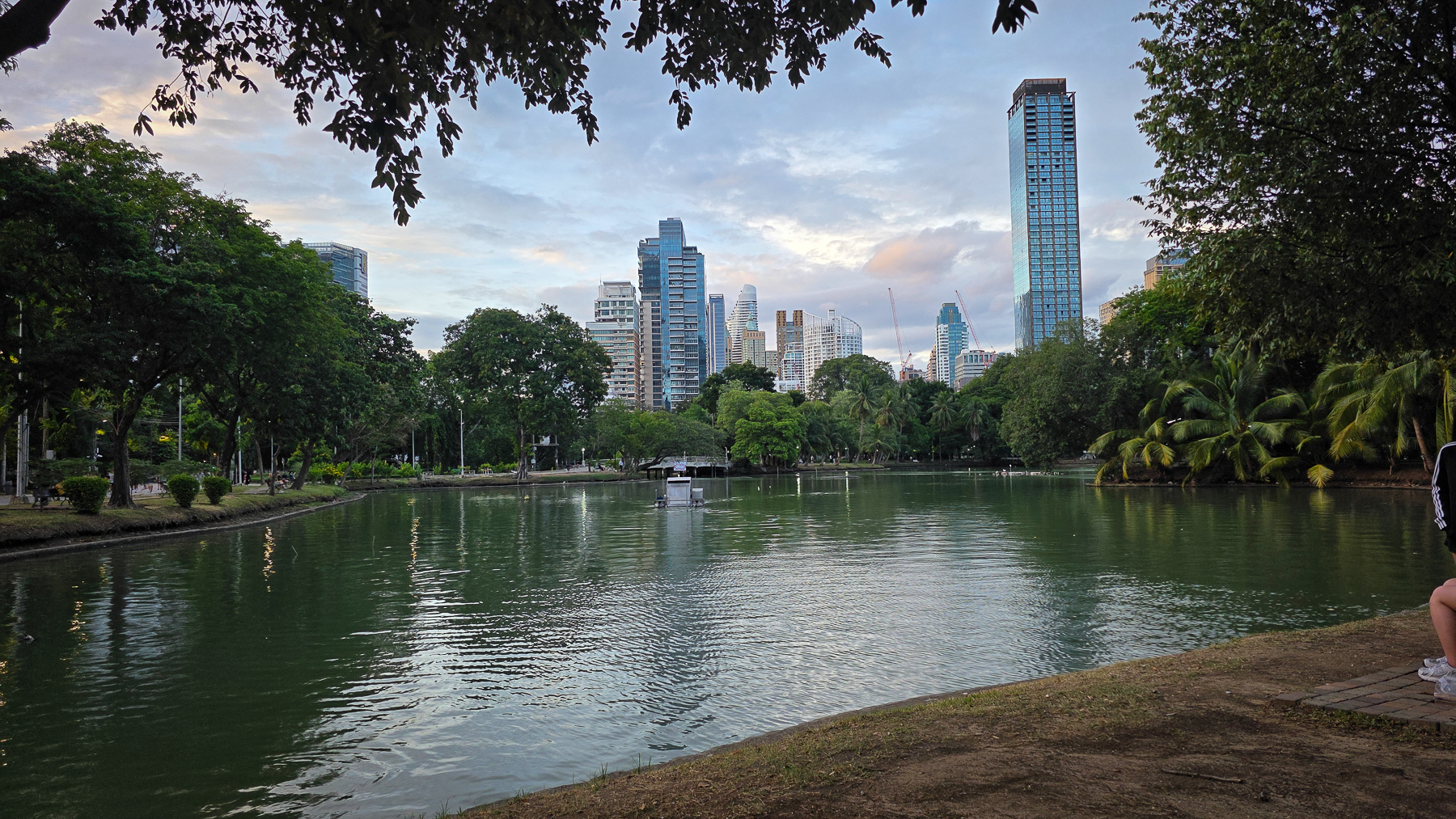
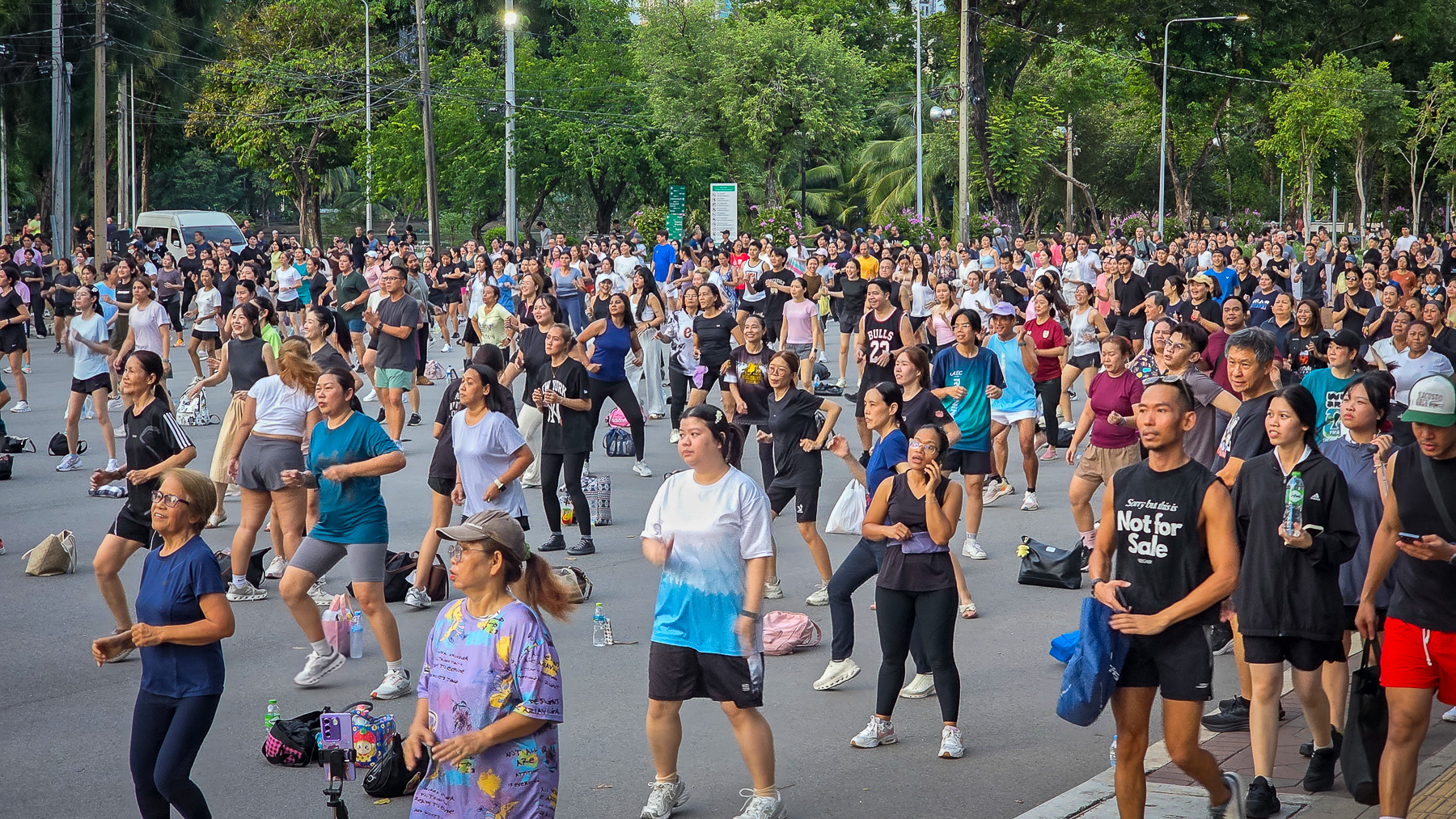
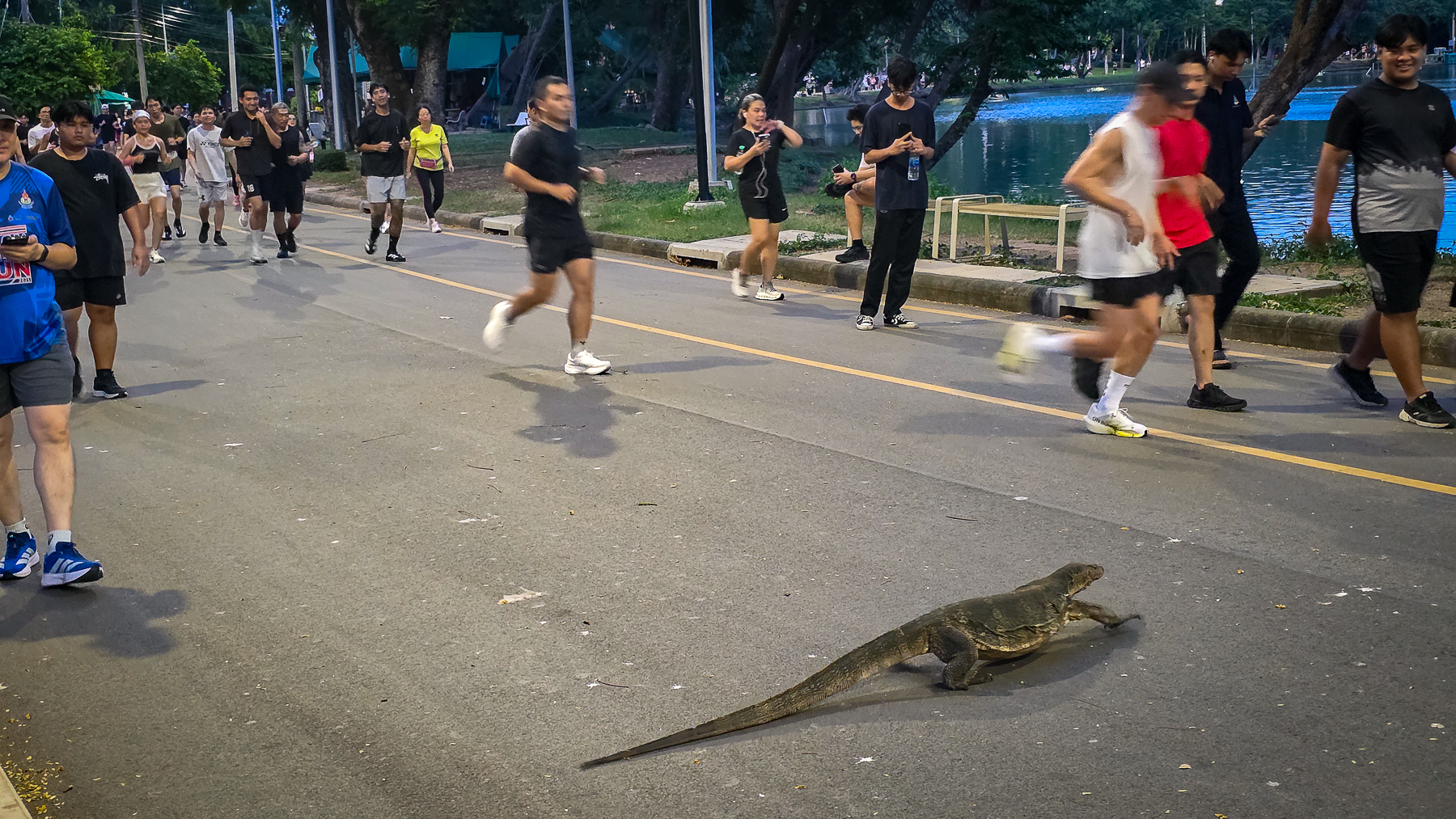
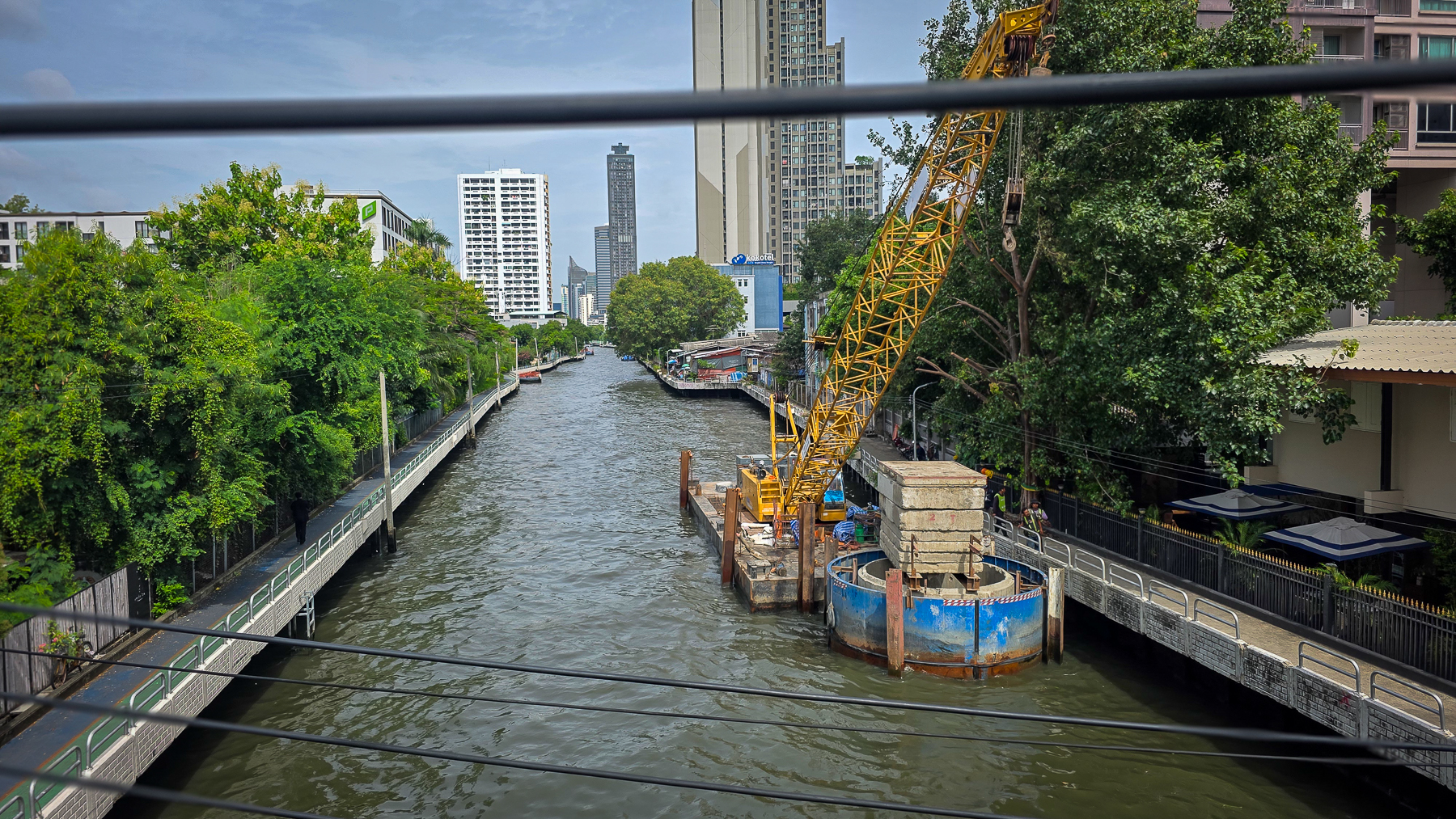
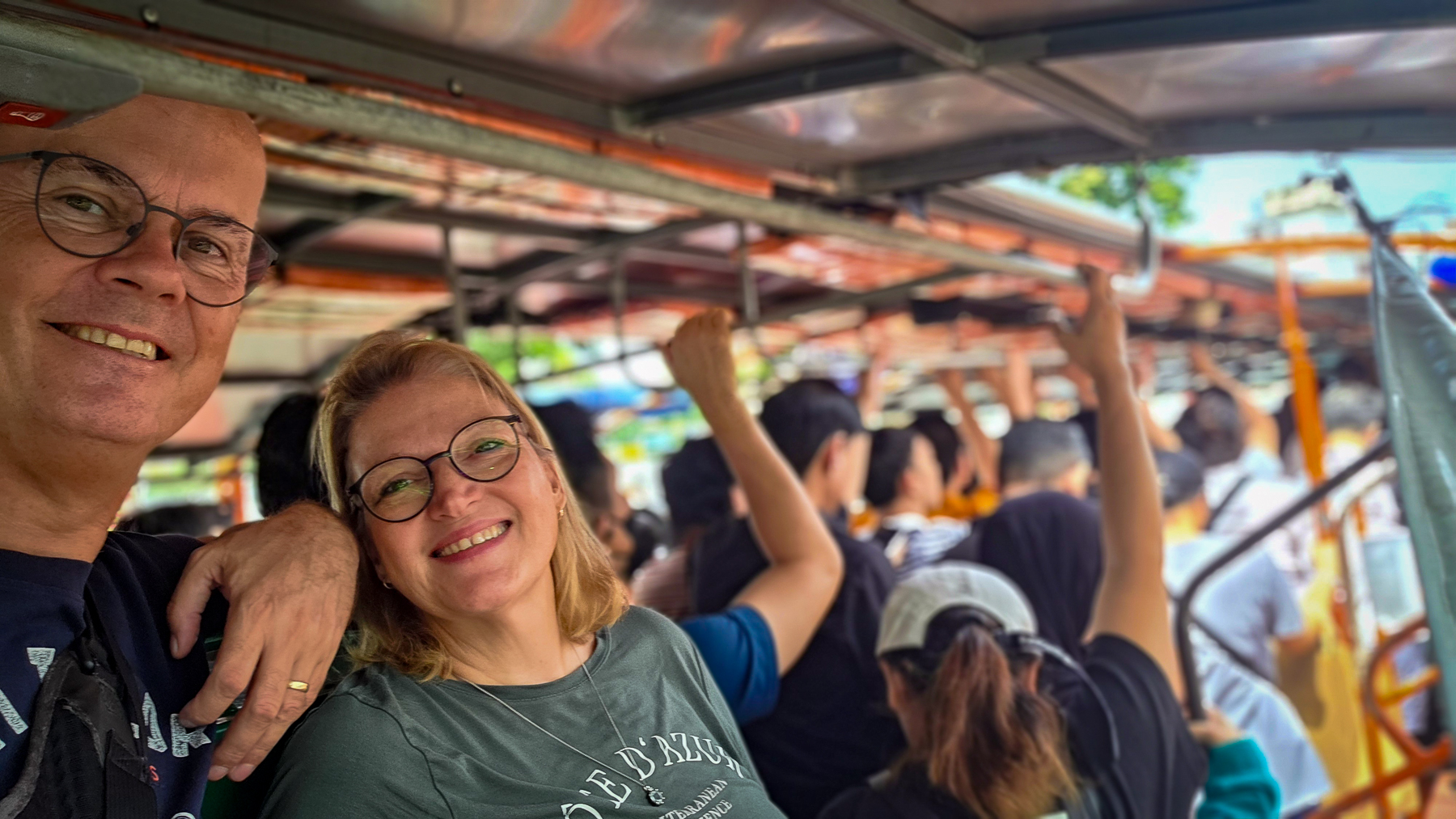
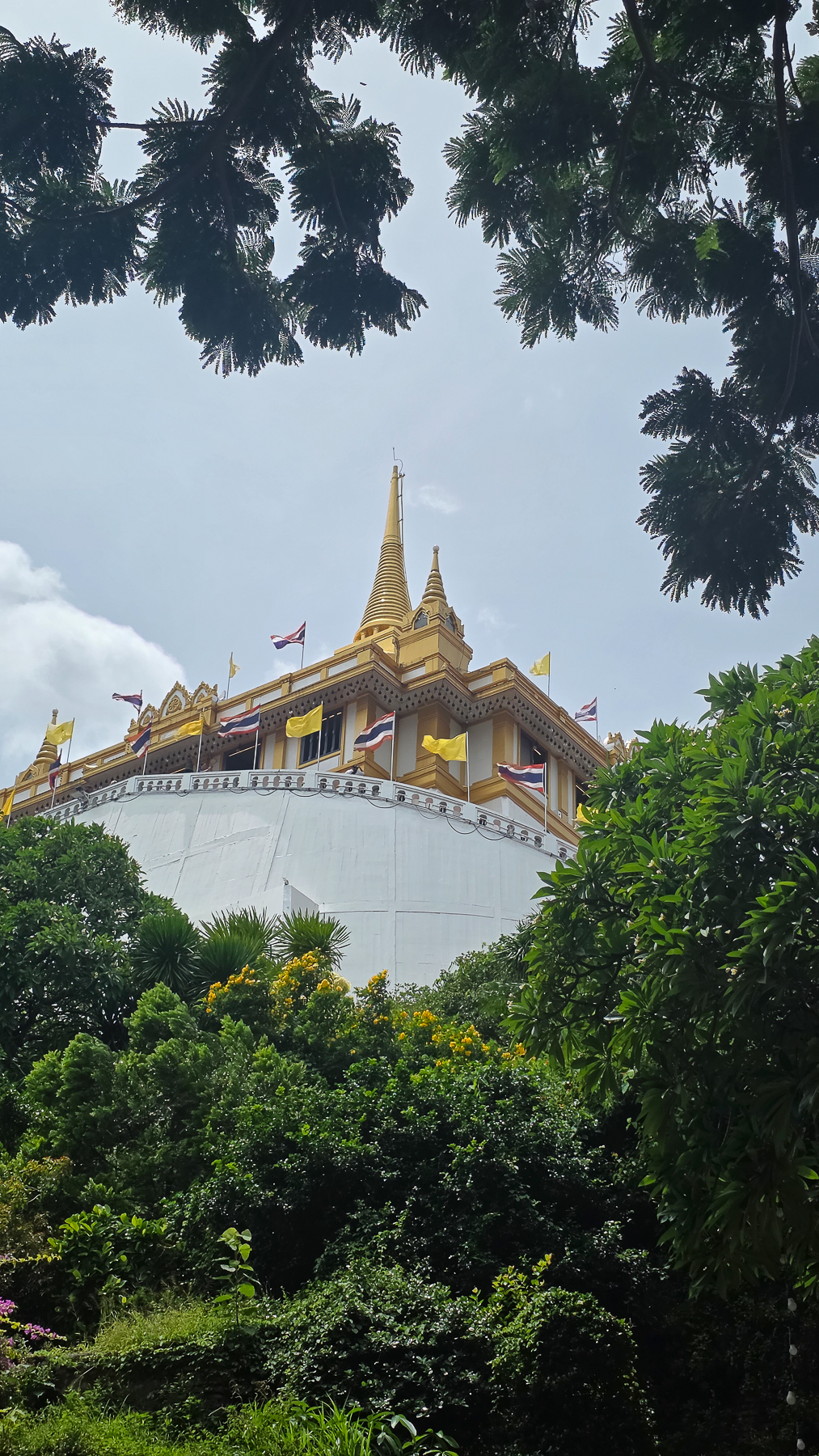
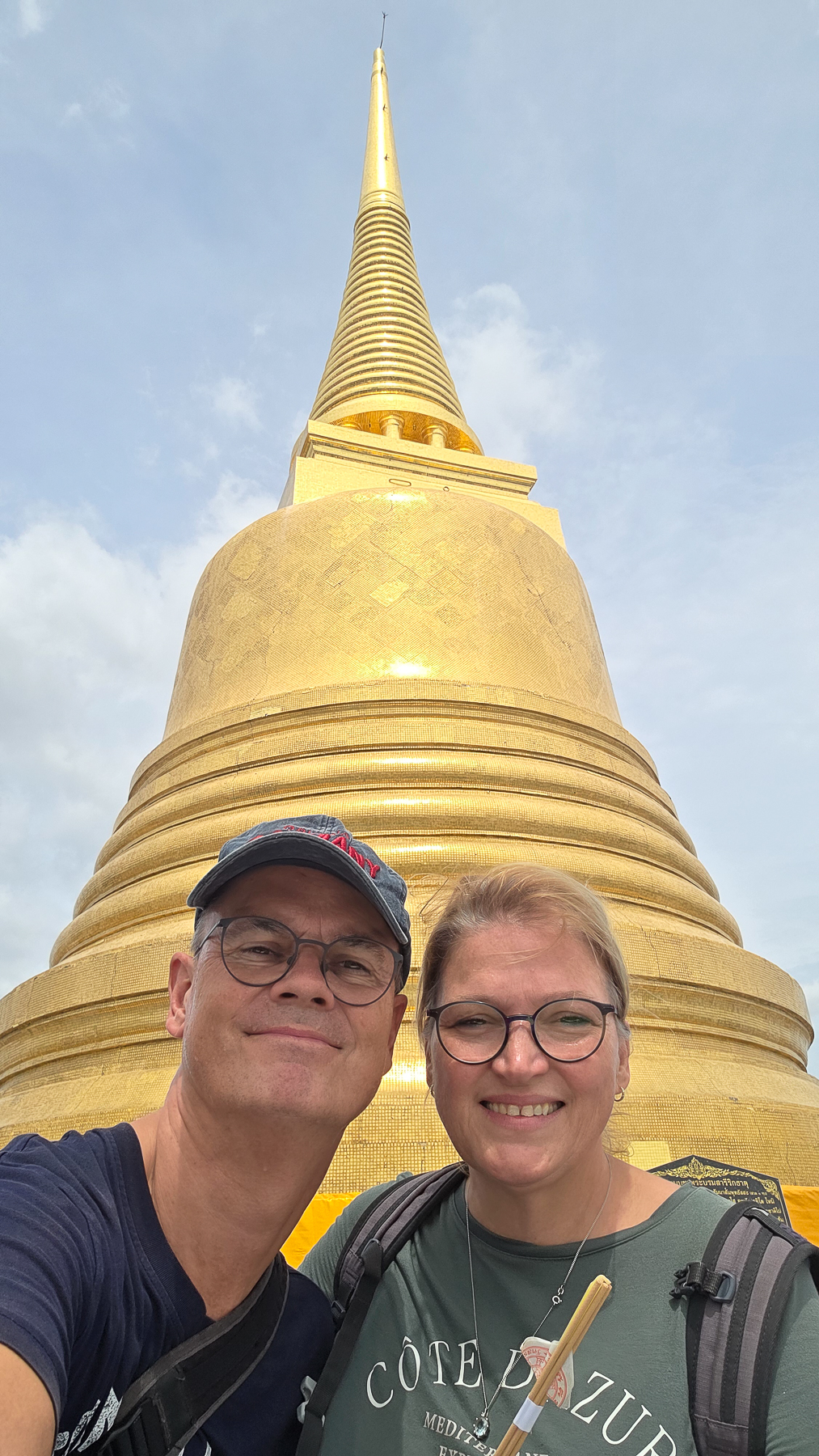
Returning to Bangkok reinforced that impression. We explored the city by local water taxi, visited the Golden Mount, Chinatown, Lumpini Park and later Chatuchak and Ko Kret. Bangkok seemed almost endless, loud and sometimes exhausting, but also incredibly dynamic. Public transport, modern buildings, restaurants and entire neighborhoods seemed to stretch forever. One of our strongest impressions after these weeks was how much Thailand had developed since our first visits and how slowly our own mental picture had caught up with reality.
Our last weeks in Thailand also brought an important decision. During the previous weeks Carsten had seriously questioned whether he still wanted the permanent Overlander life in the truck. After almost five years on the road, constantly changing places, dealing with borders and logistics and trying to combine all this with concentrated work had become tiring. And more important: Carsten wants to much more intensively work deep into the topic of ‚Artificial Intelligence‘ (this is his new business area…). After many discussions, however, Carsten agreed with Heike that we would continue our African journey all the way to South Africa. Once the decision had been made, the doubts largely disappeared. The issue was basically settled. We would continue, but change the way we travel: less moving every few days, more longer stops and regular periods in hotels or other places where concentrated work is possible.
Thailand therefore became much more than a pleasant break from Africa. We rediscovered a country we thought we already knew and realized how much it had changed. At the same time, these two months helped us find a better idea of how traveling, working and normal life can fit together. We still love traveling, good food, new places and unexpected encounters. But the way we travel does not have to remain the same forever.
Best wishes from
Heike & Carsten
To see full-size pictures and comments please
KLICK!
on the thumbnails!
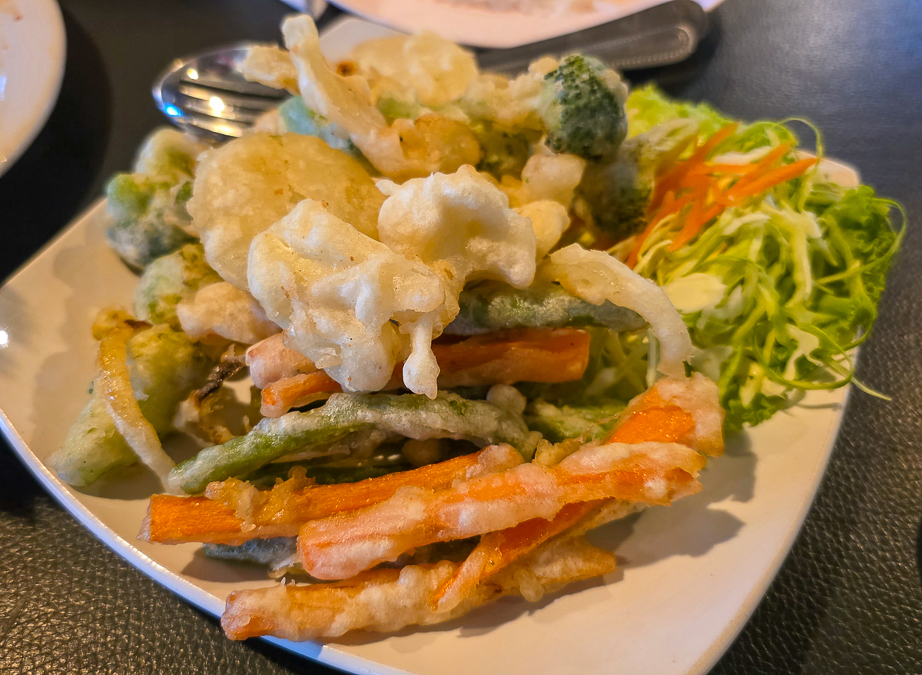
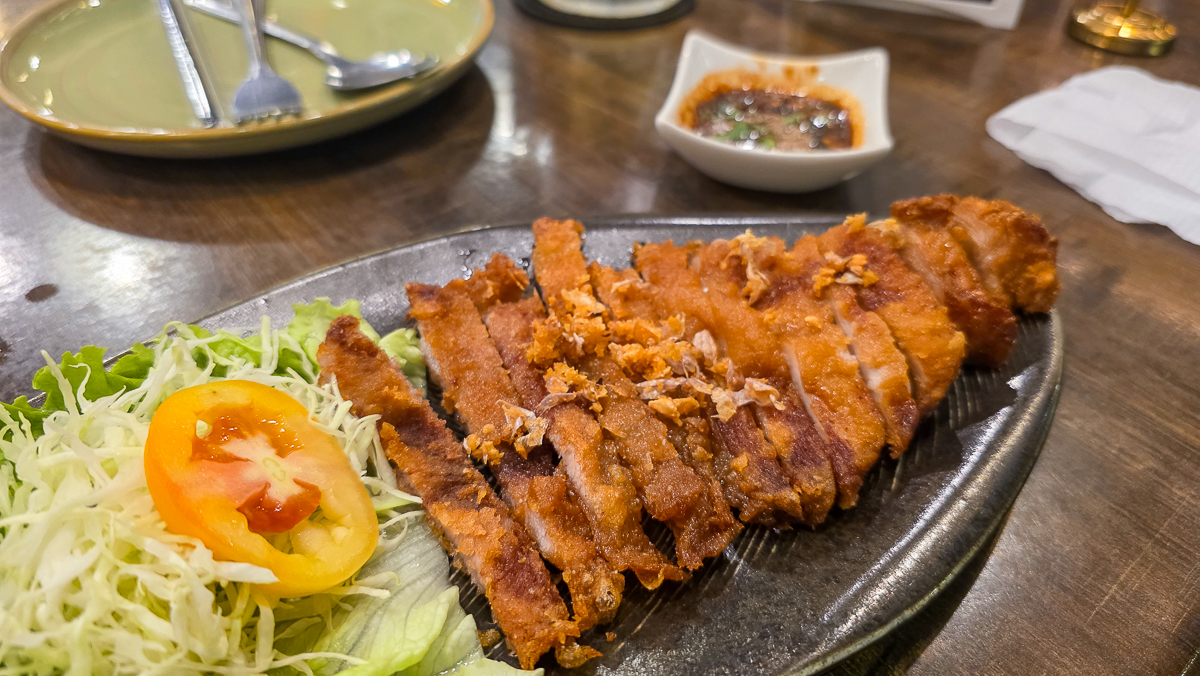
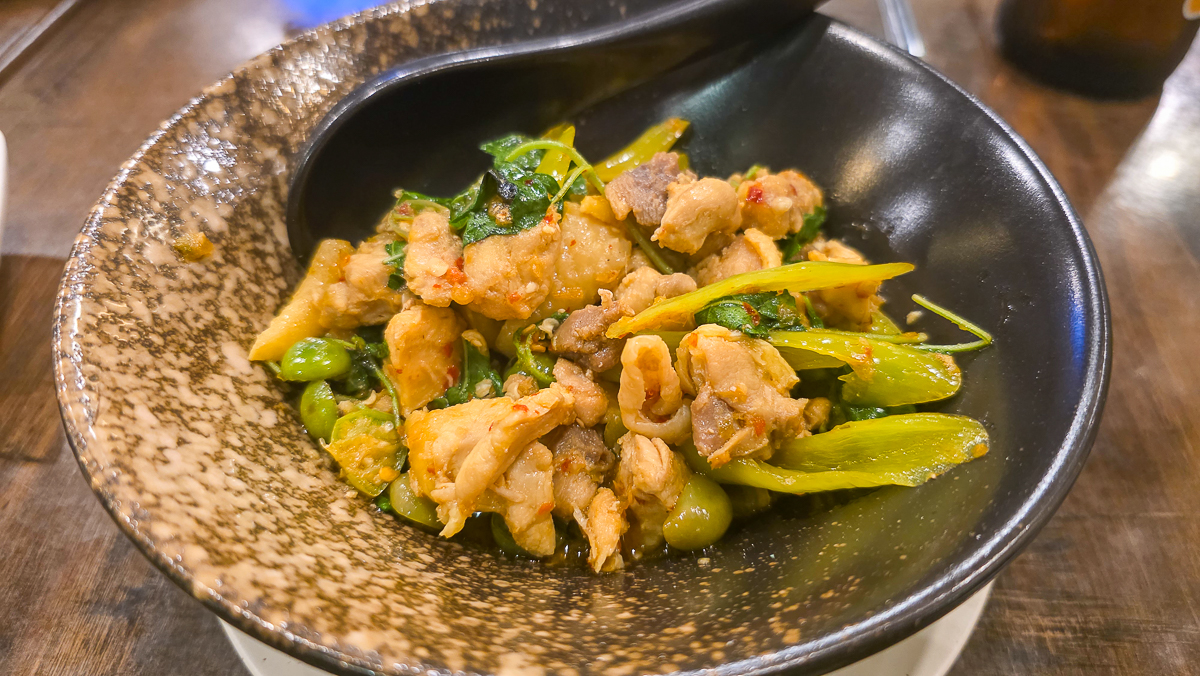
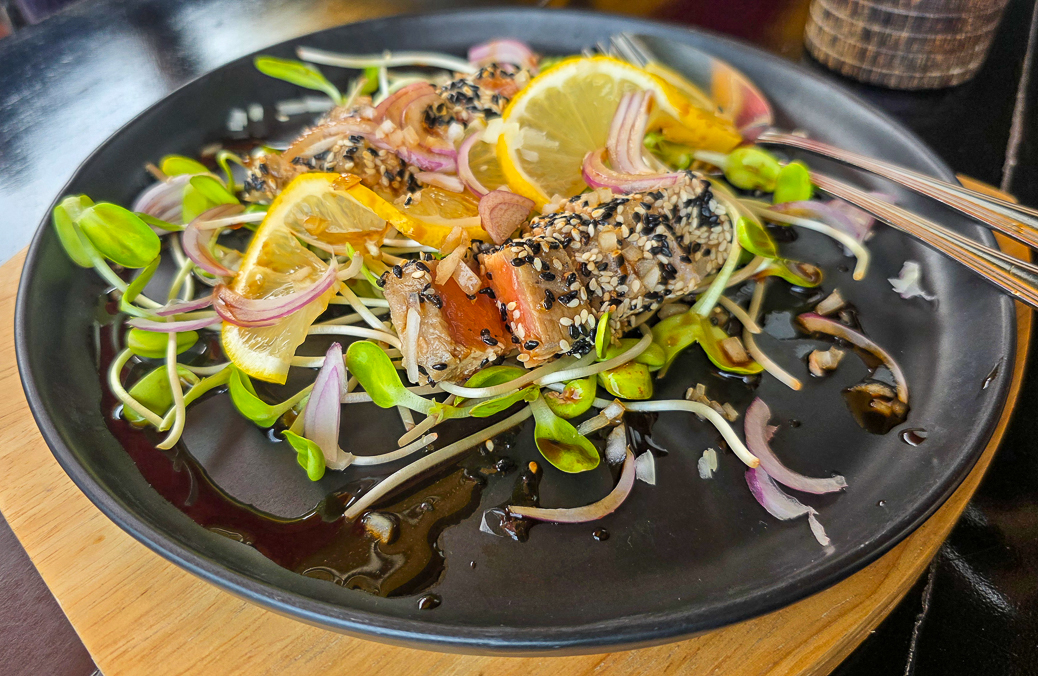
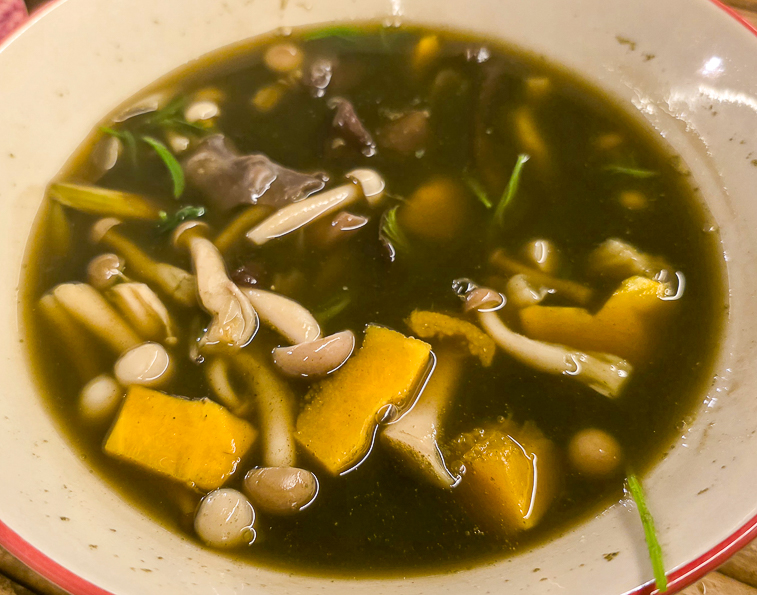
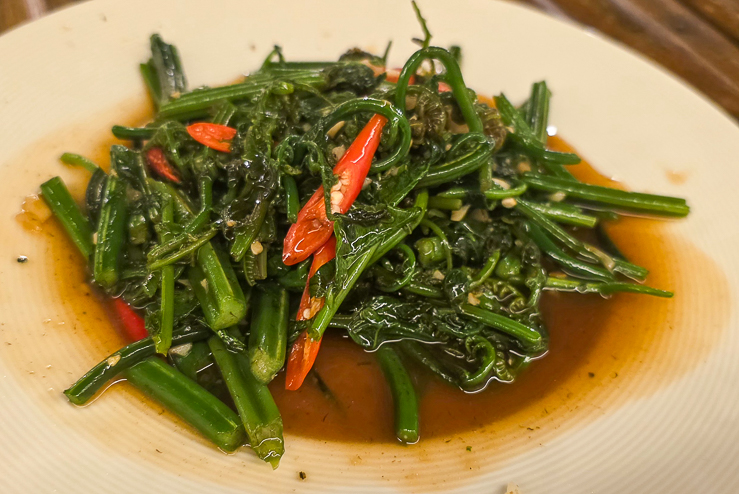
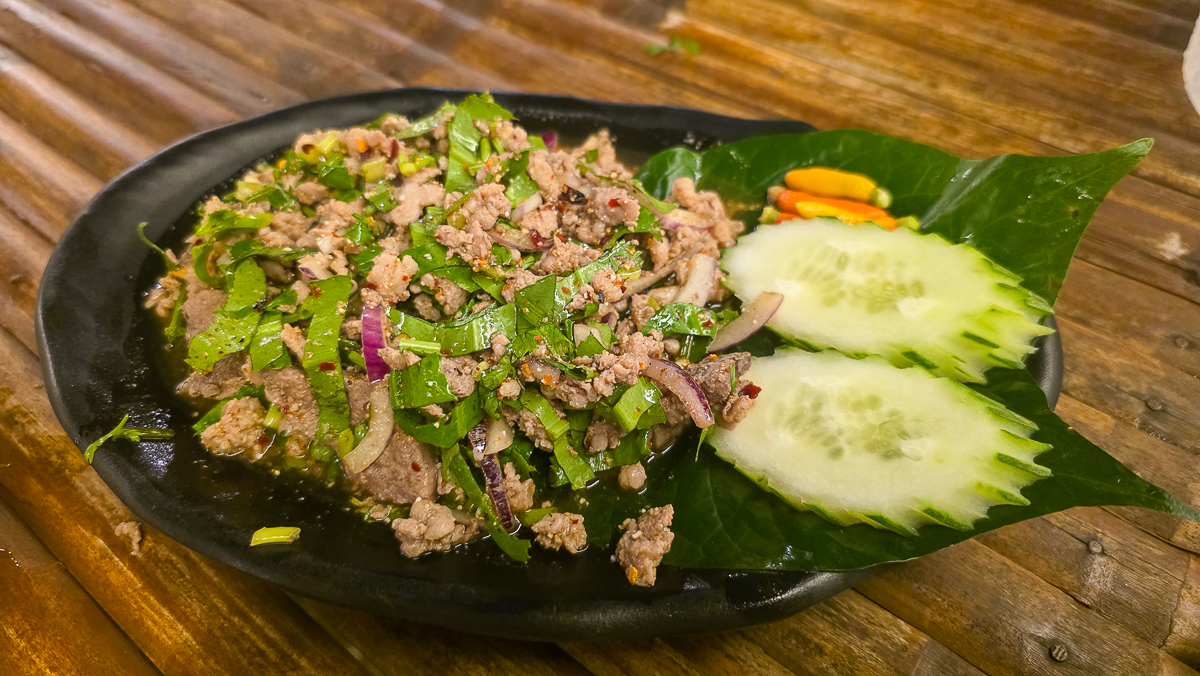
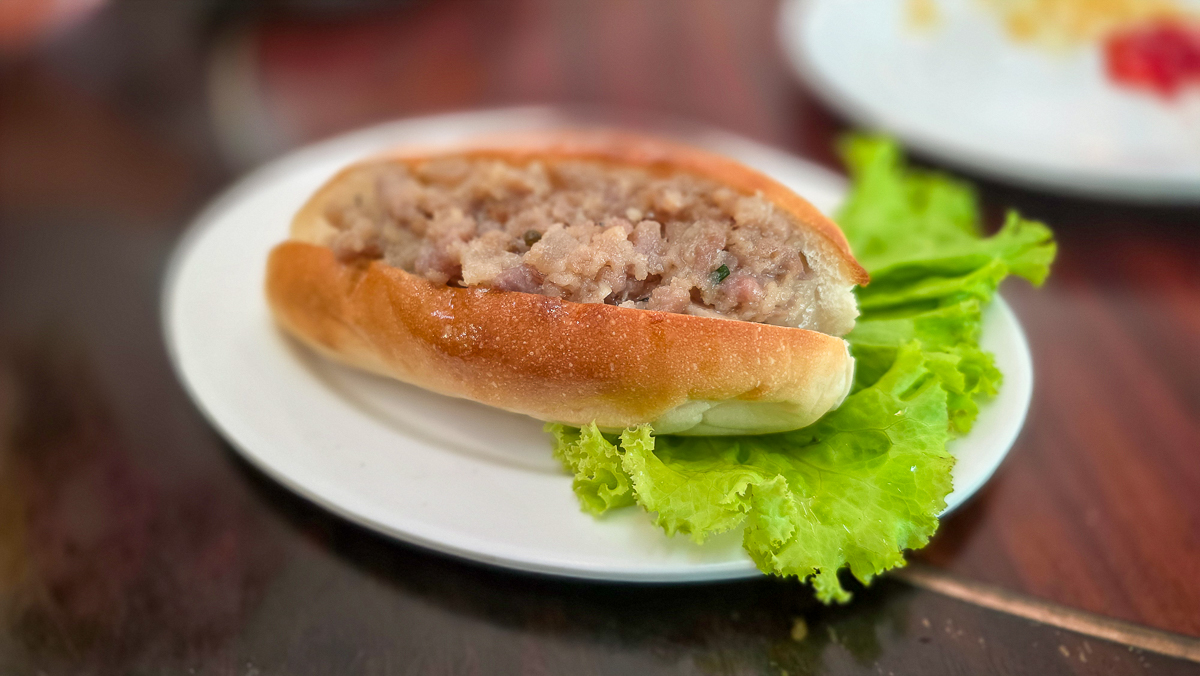
At my 'Overlander Base' you find the sources (great weblinks) that I actually use on the road — try them yourself.
Hello all!
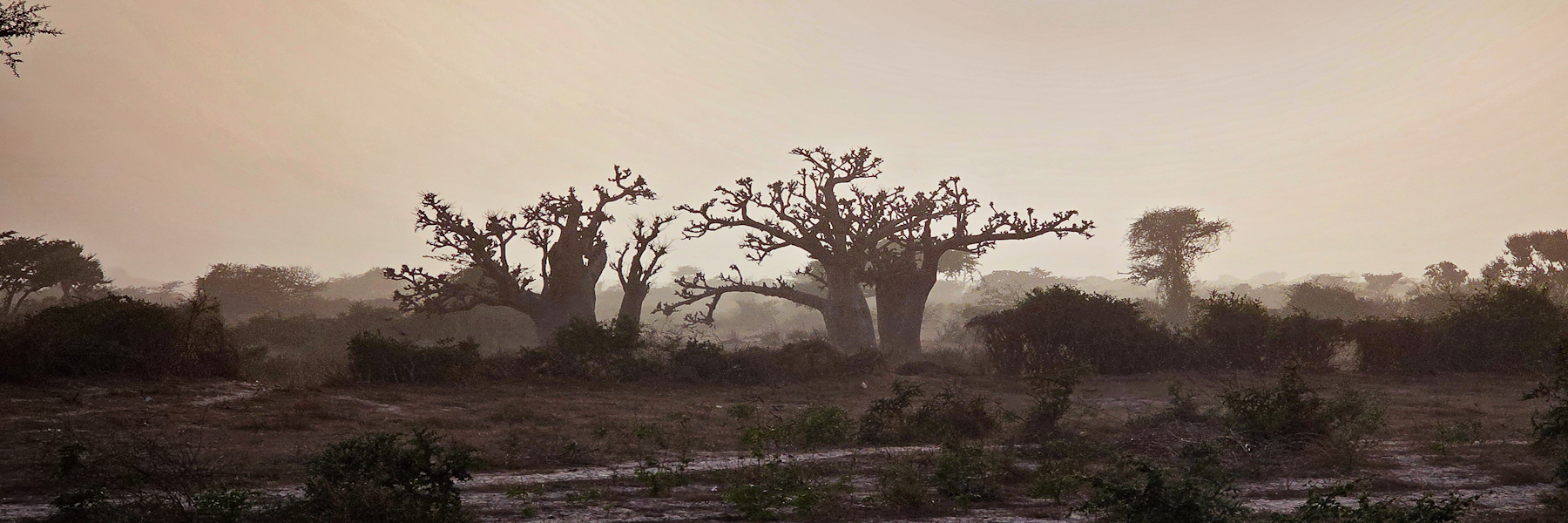
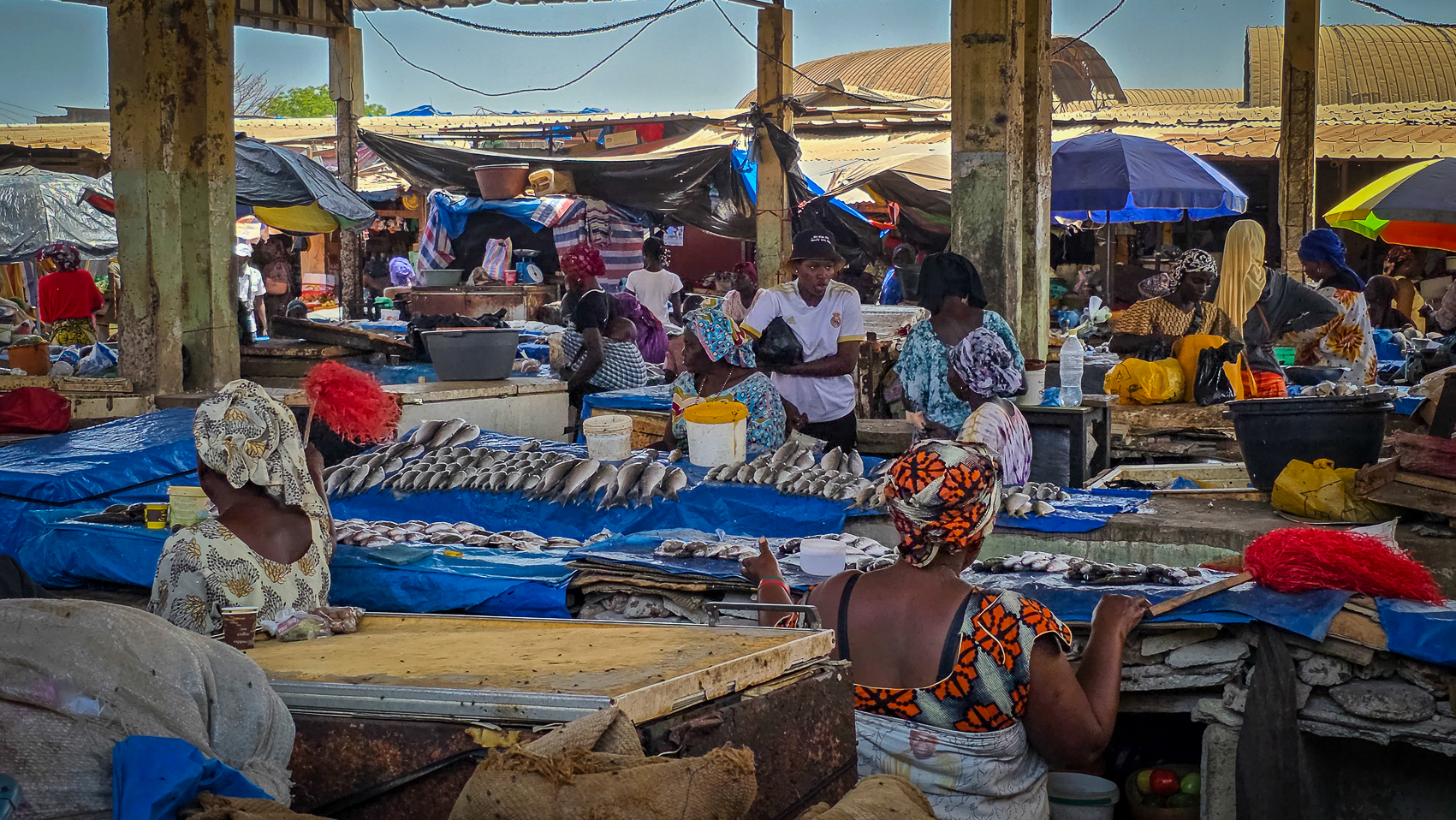
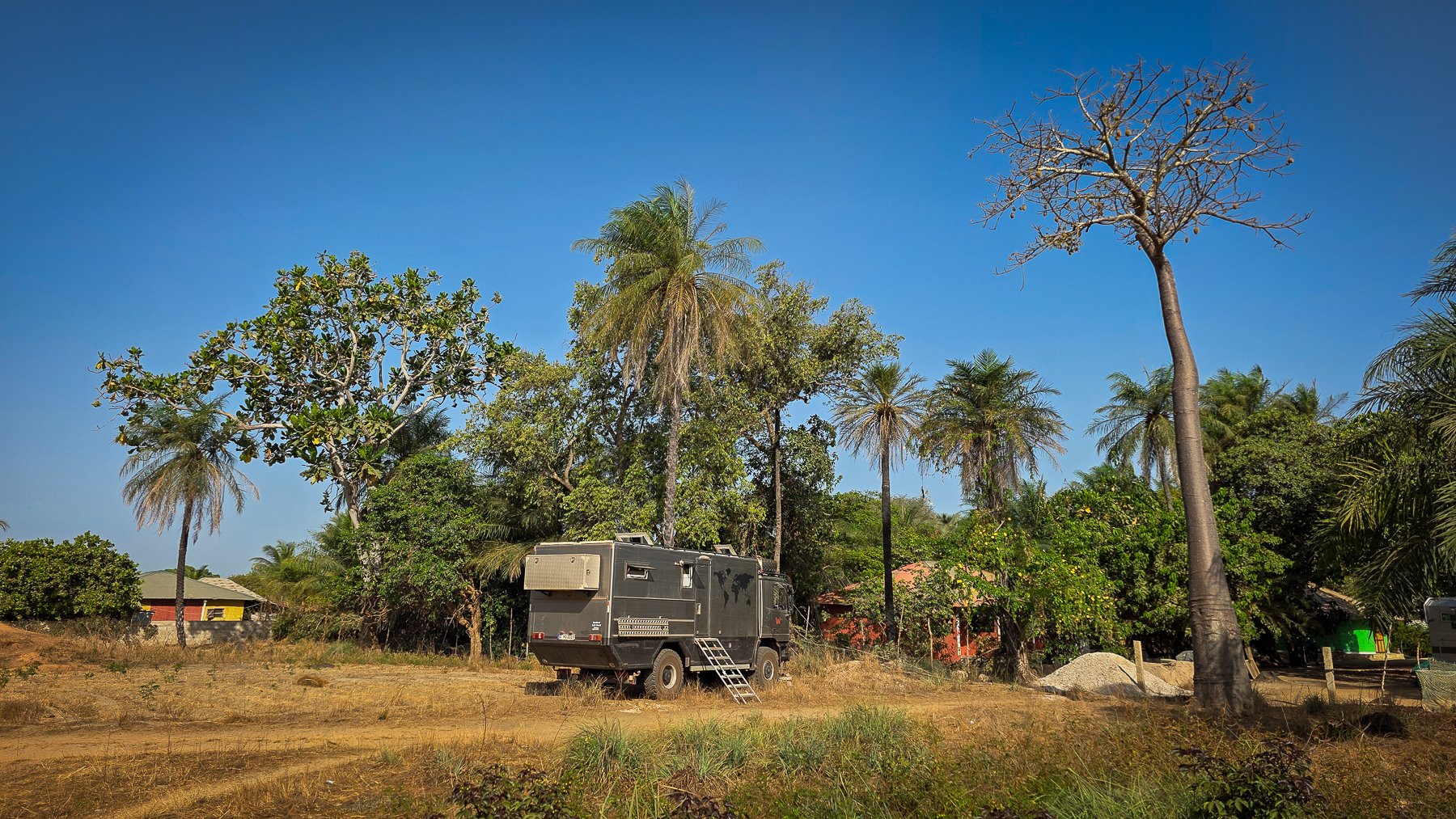
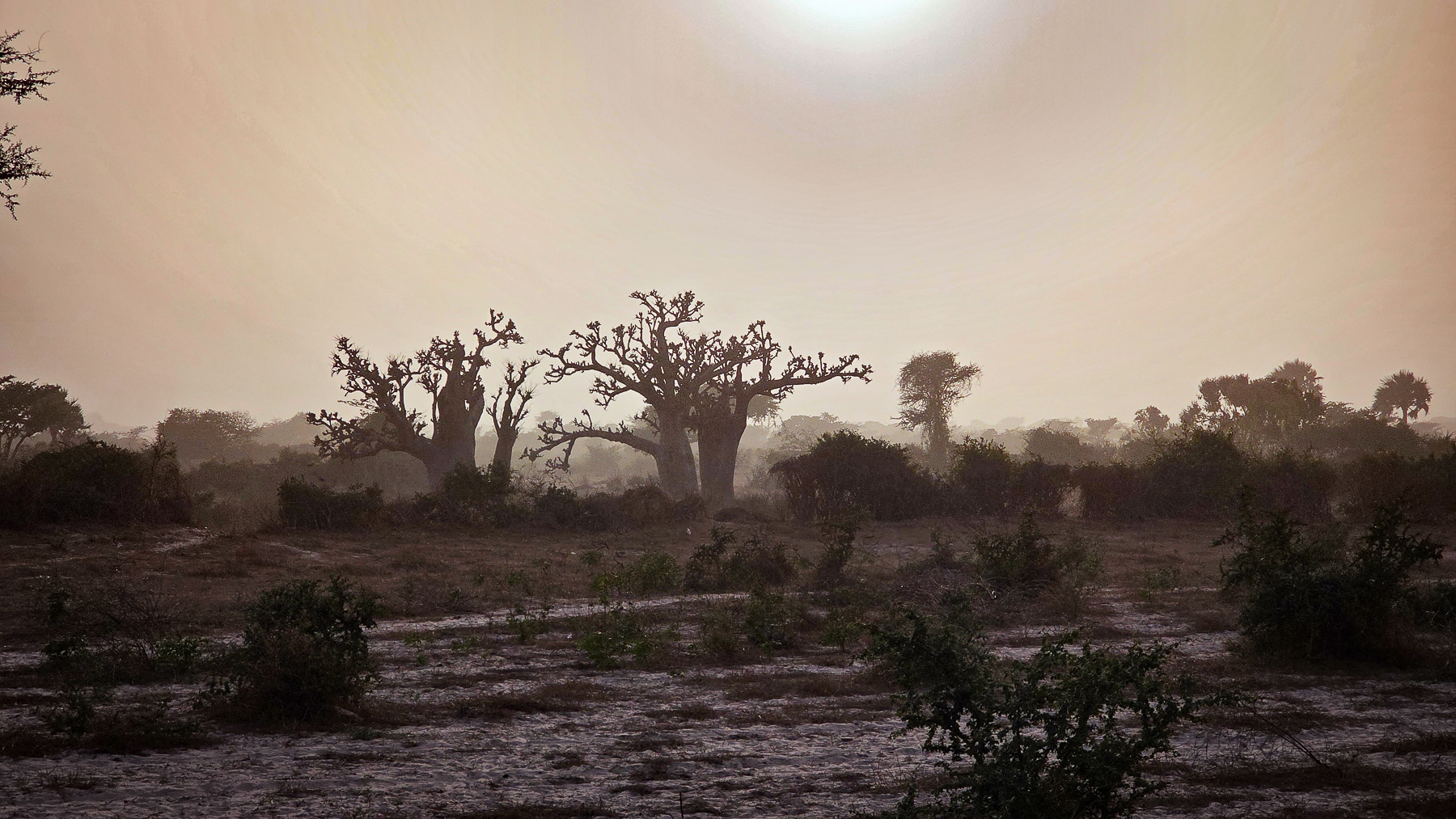
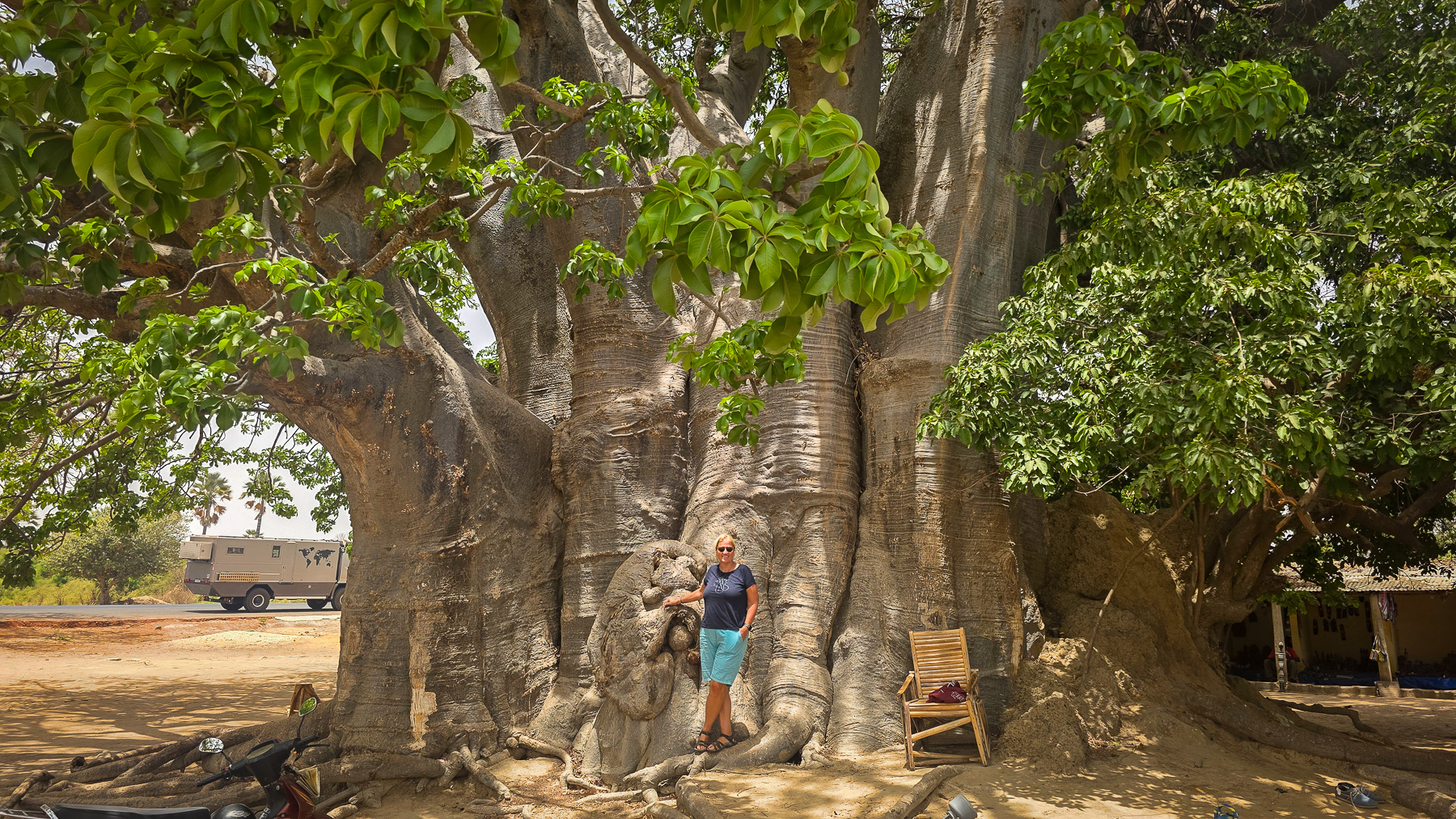
First Impressions of Senegal were a bit unusual because we did not visit the country only once. Due to our route through Senegal, Guinea-Bissau and The Gambia, we actually entered Senegal four different times during the last months. This means that some of the experiences in this post happened weeks apart, but together they form our overall picture of the country. Senegal was our first real step into ‚Black Africa‘ and the contrast to the Arab countries was immediately visible. Suddenly there were baobab trees, warthogs, beautiful birds, colorful markets and a very different atmosphere to Muslim Mauretania.
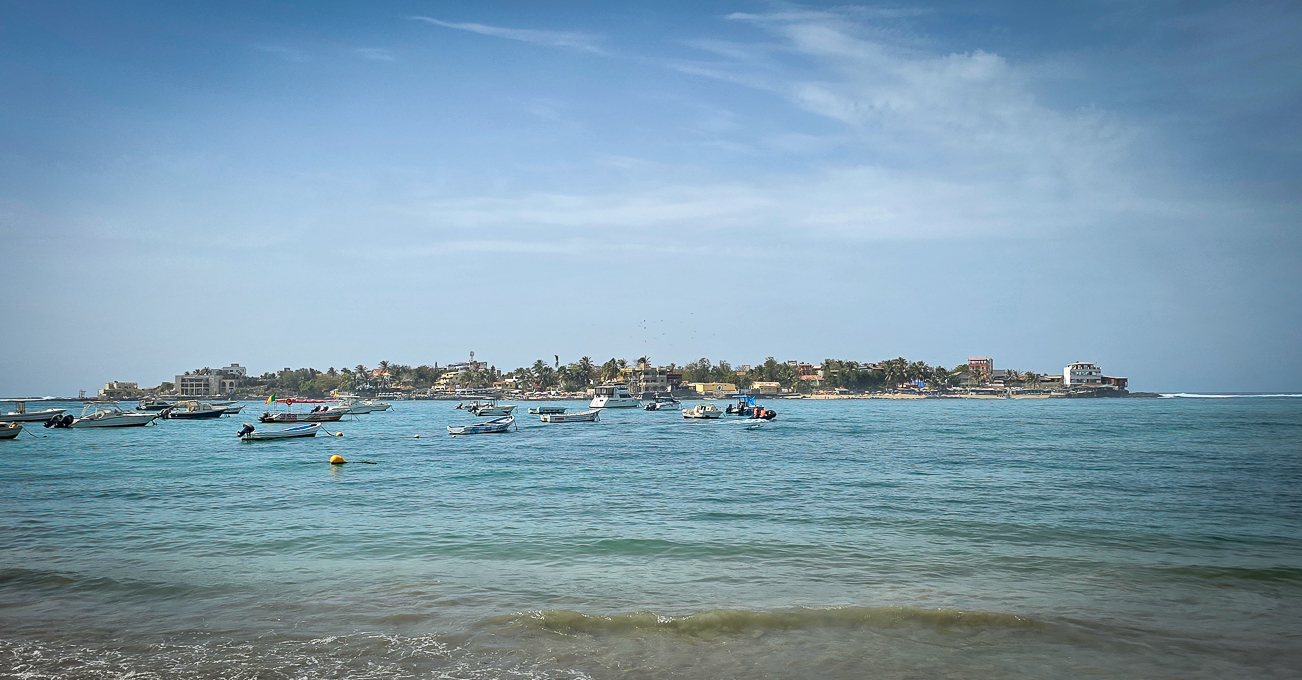
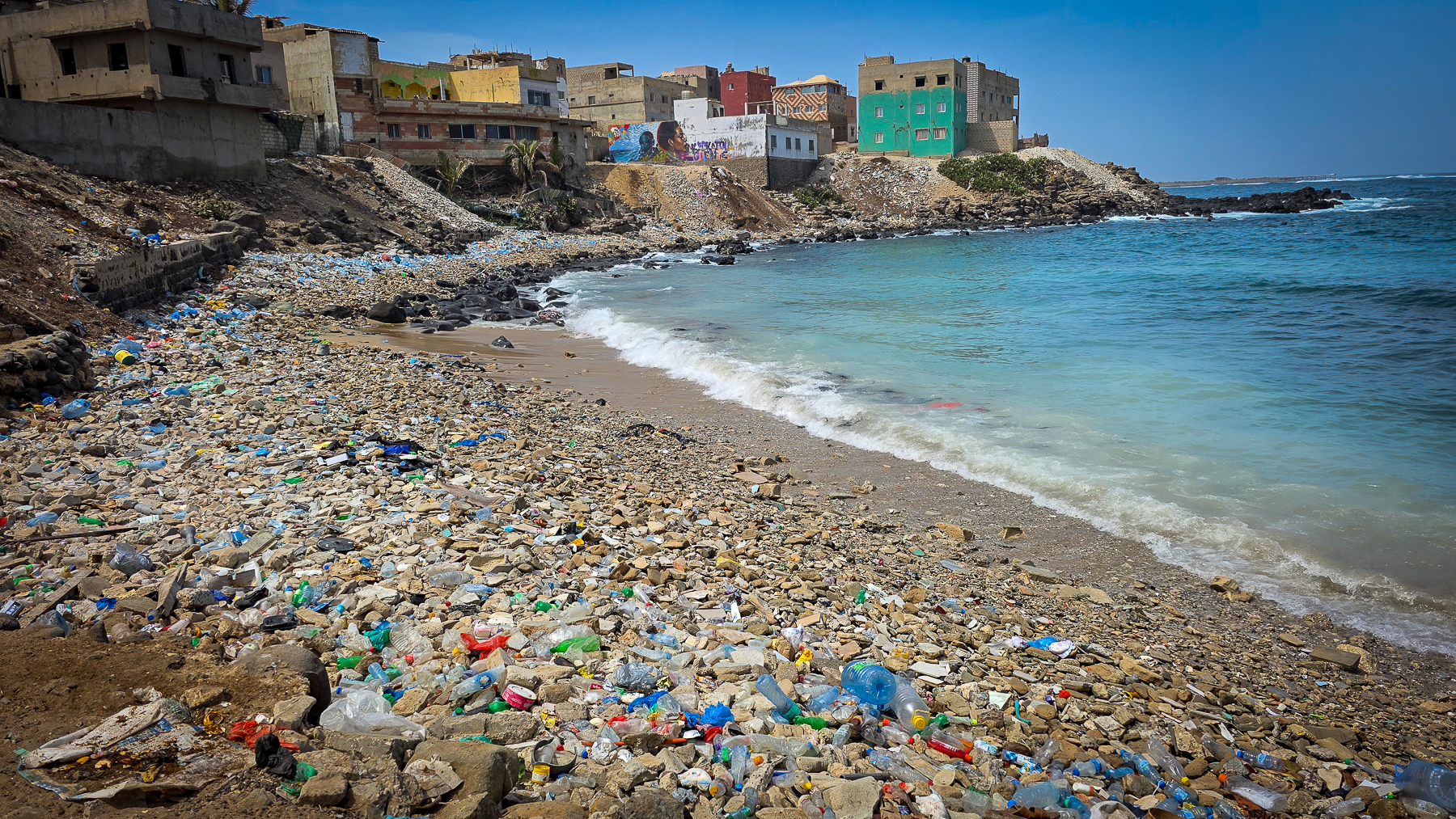
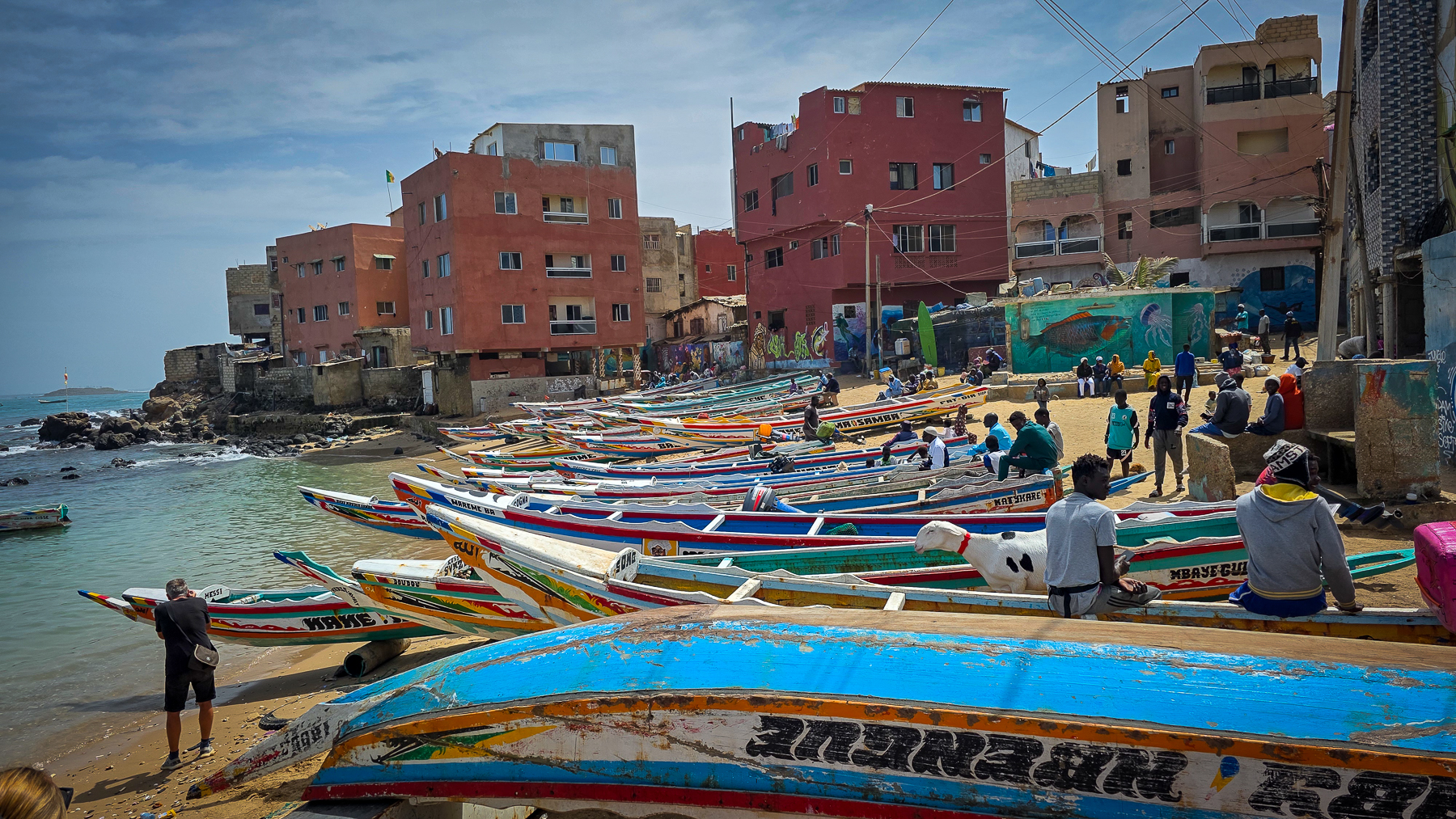
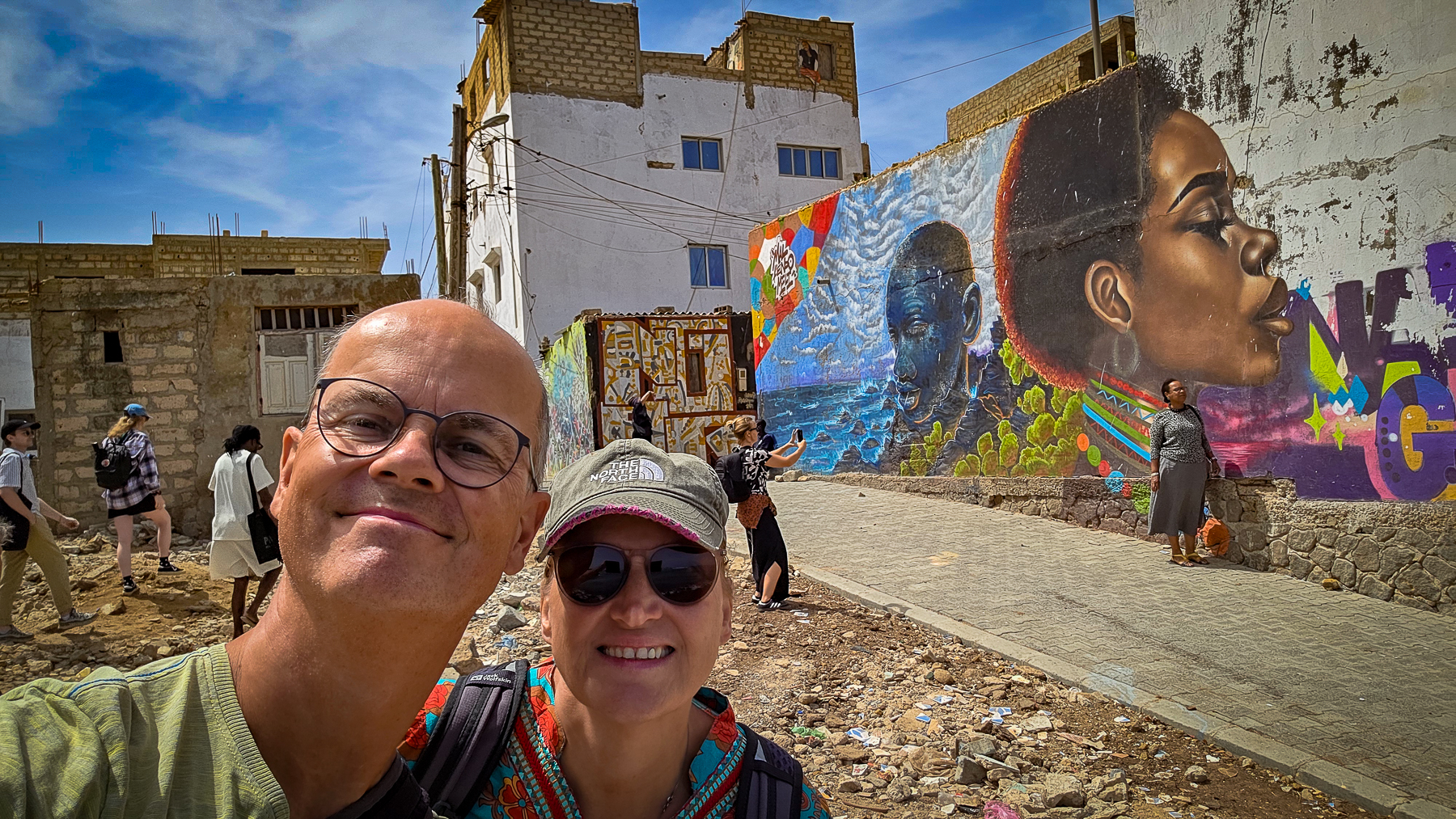
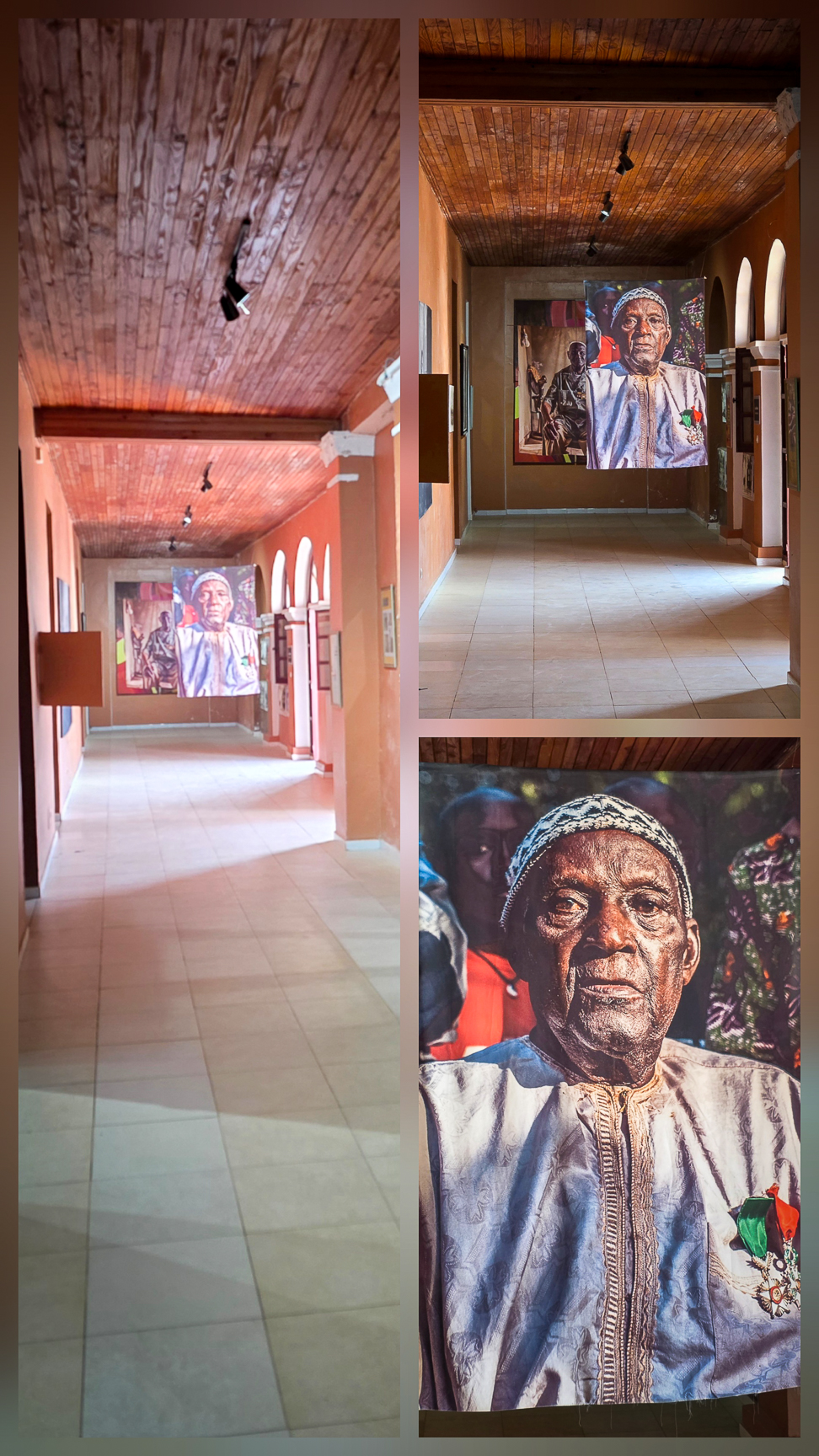
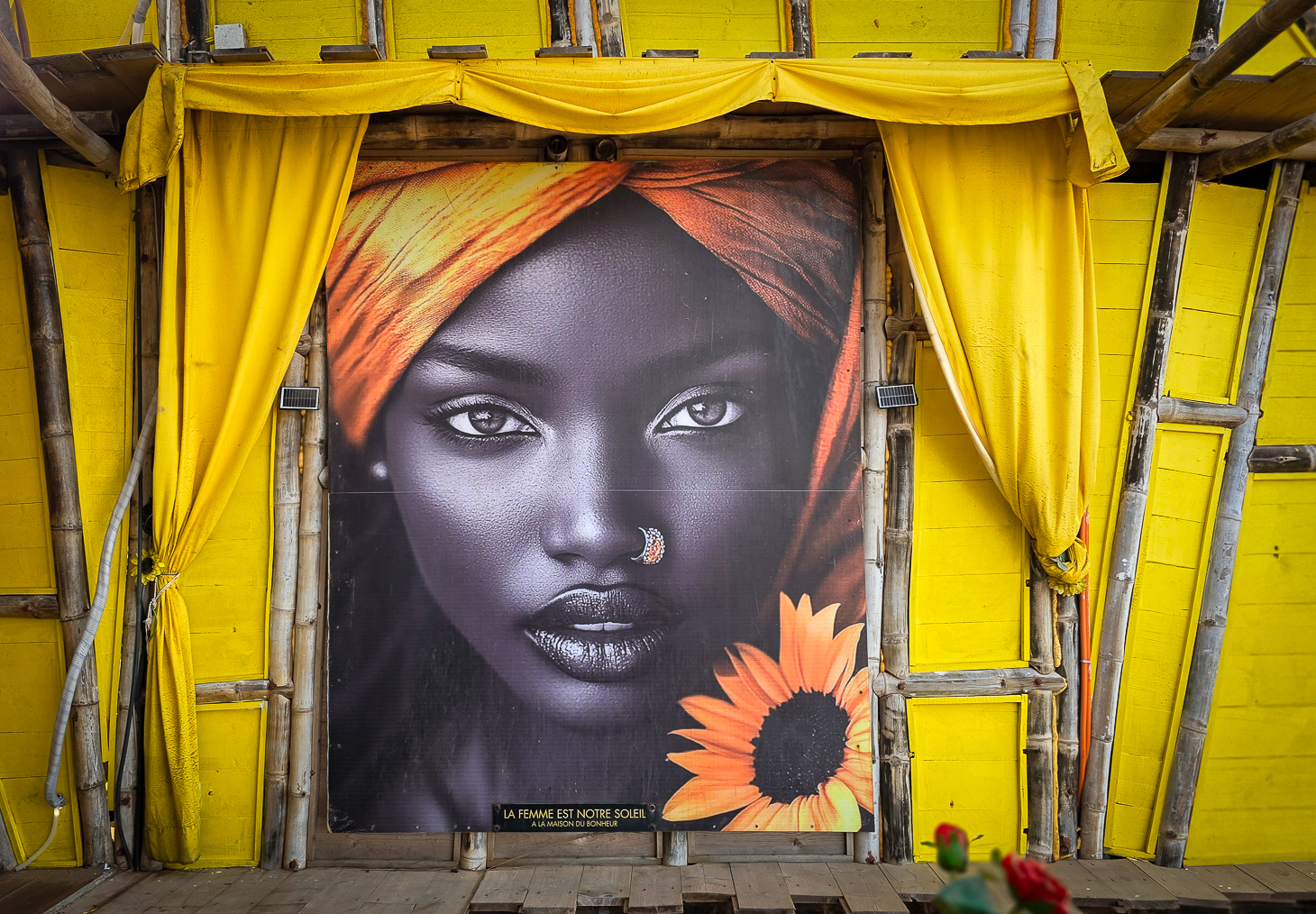
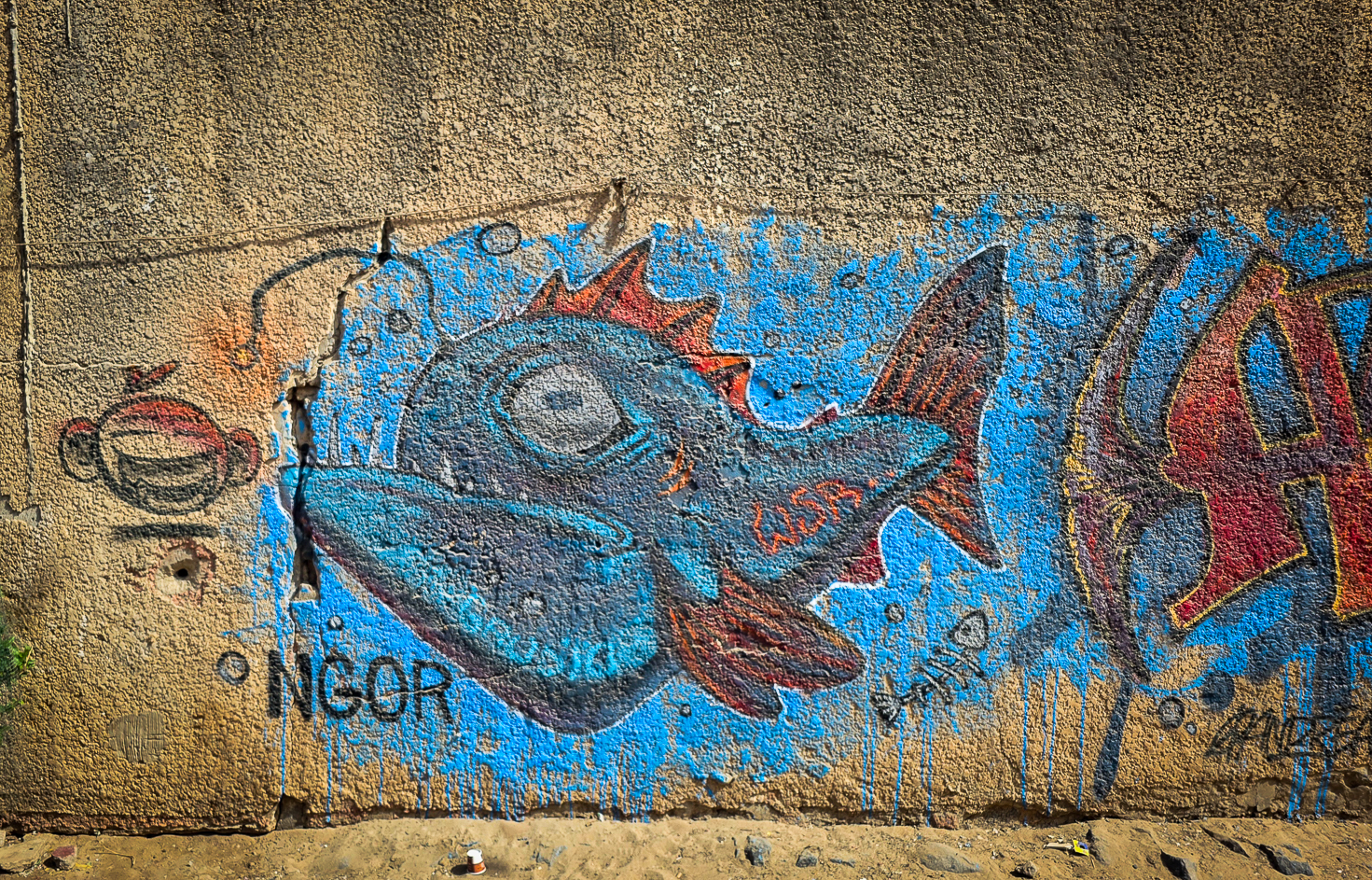
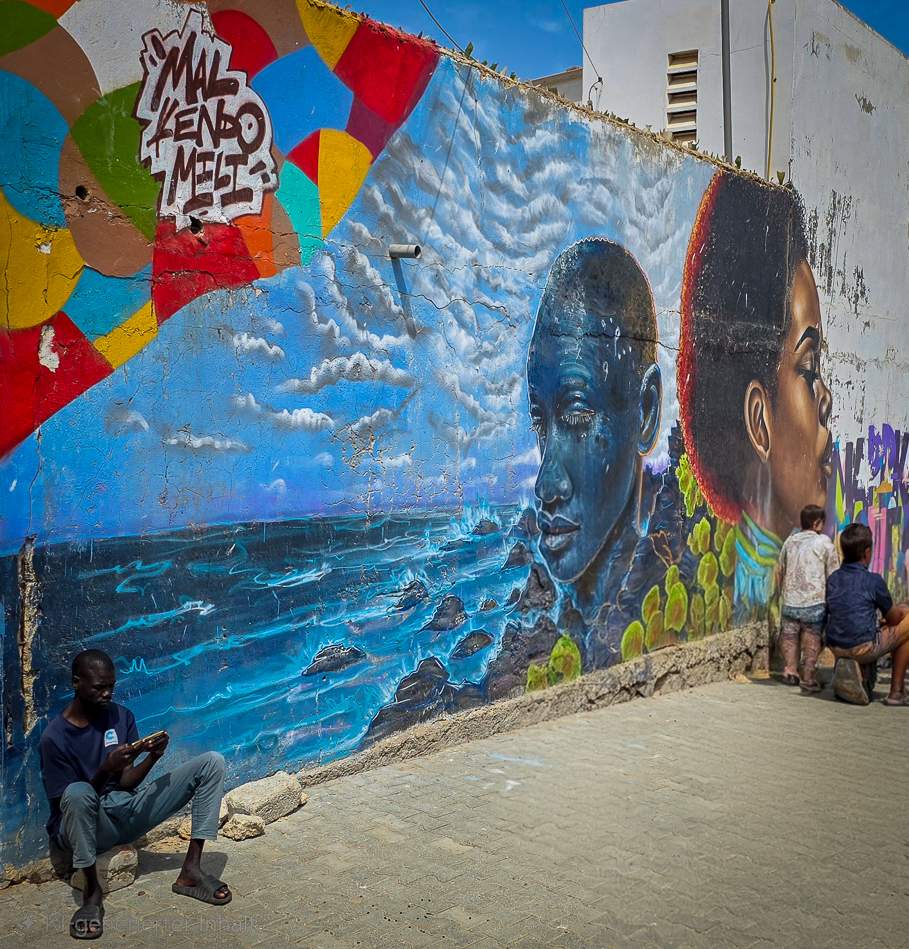
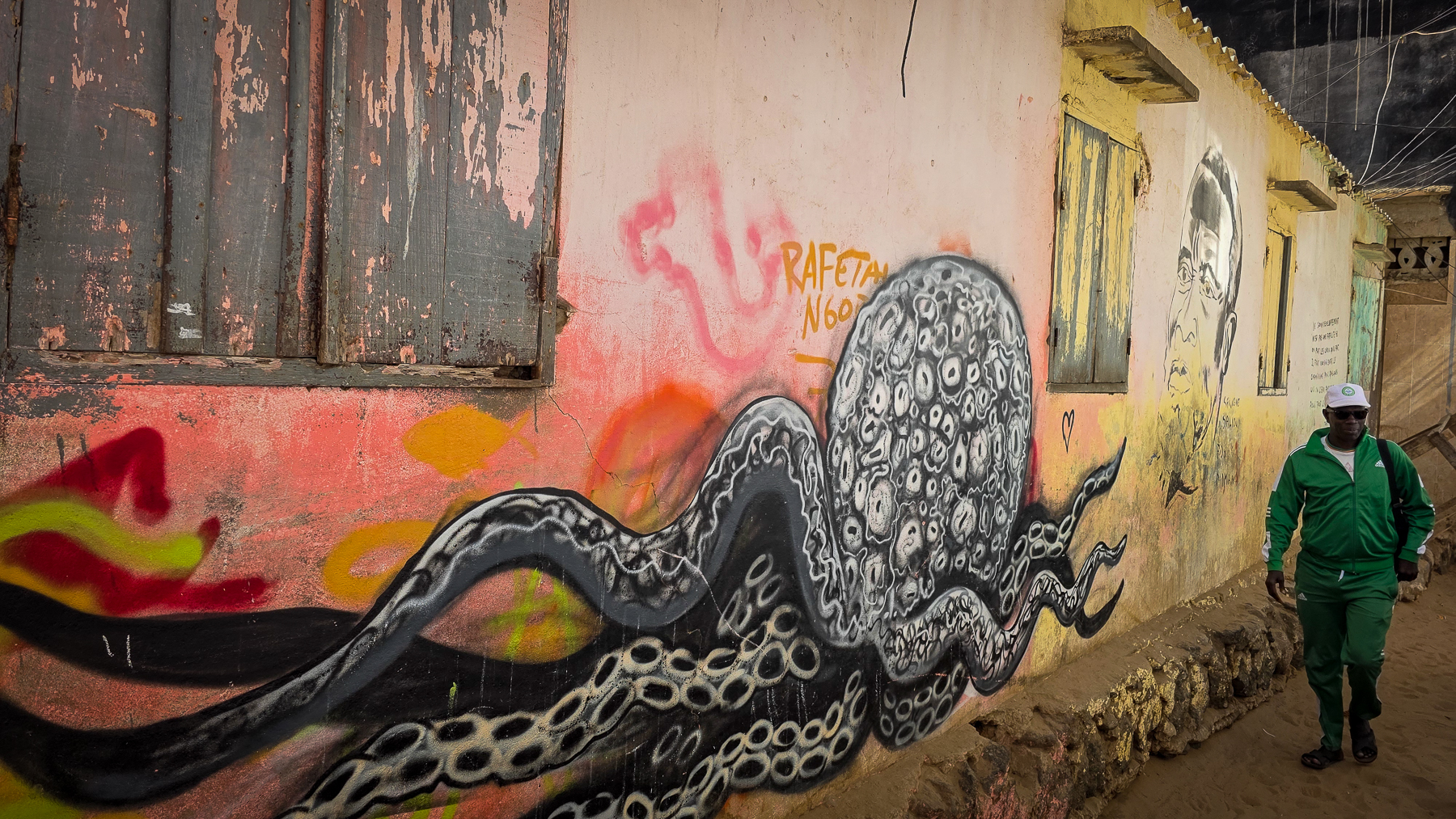
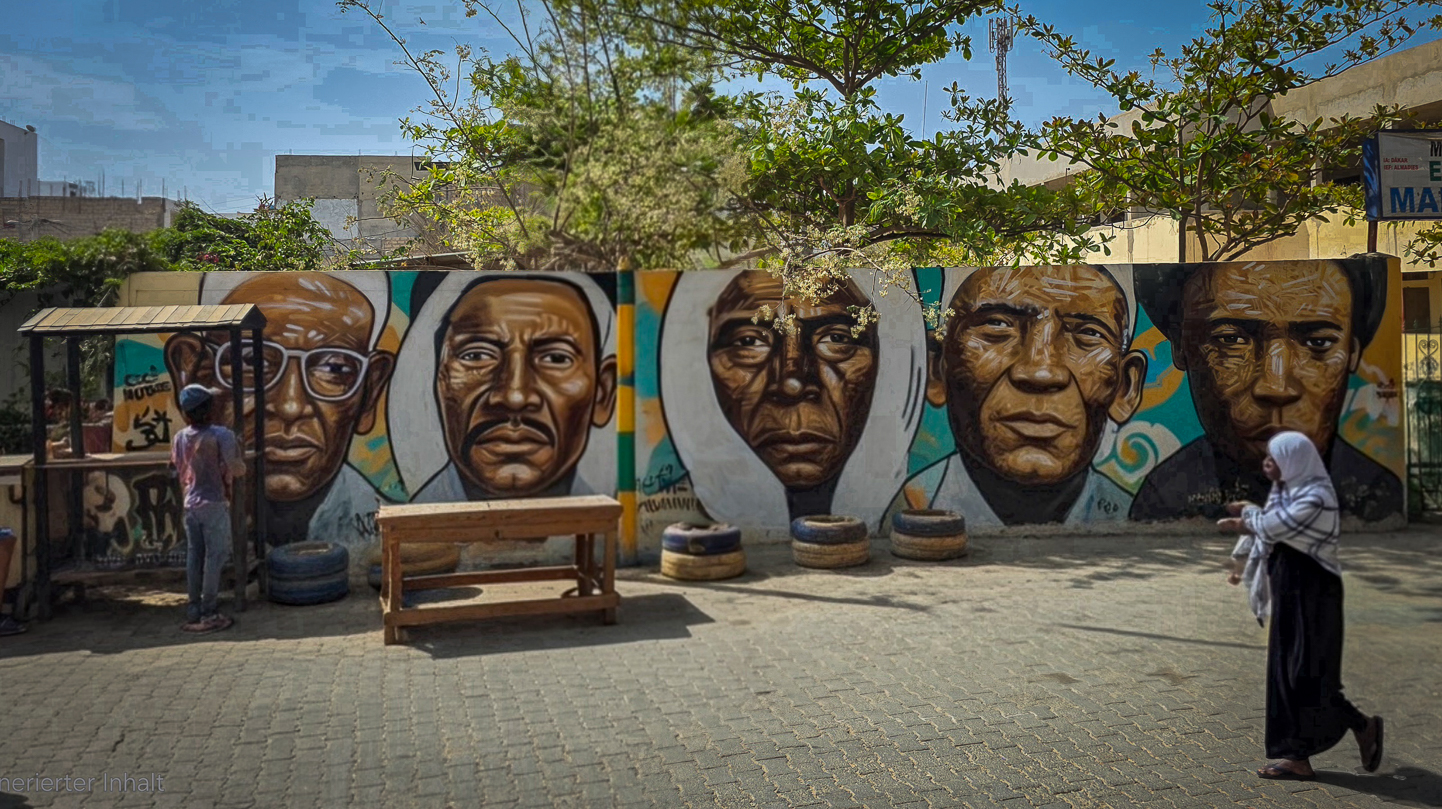
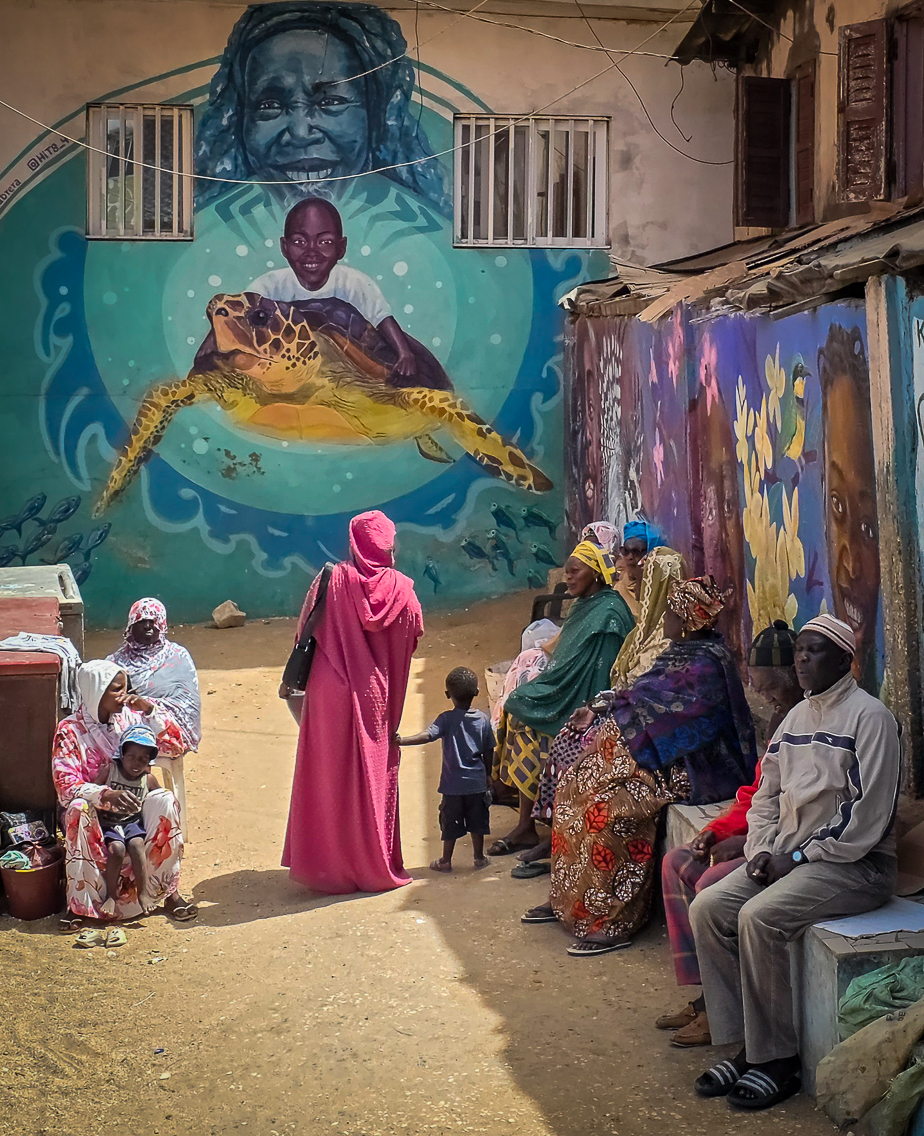
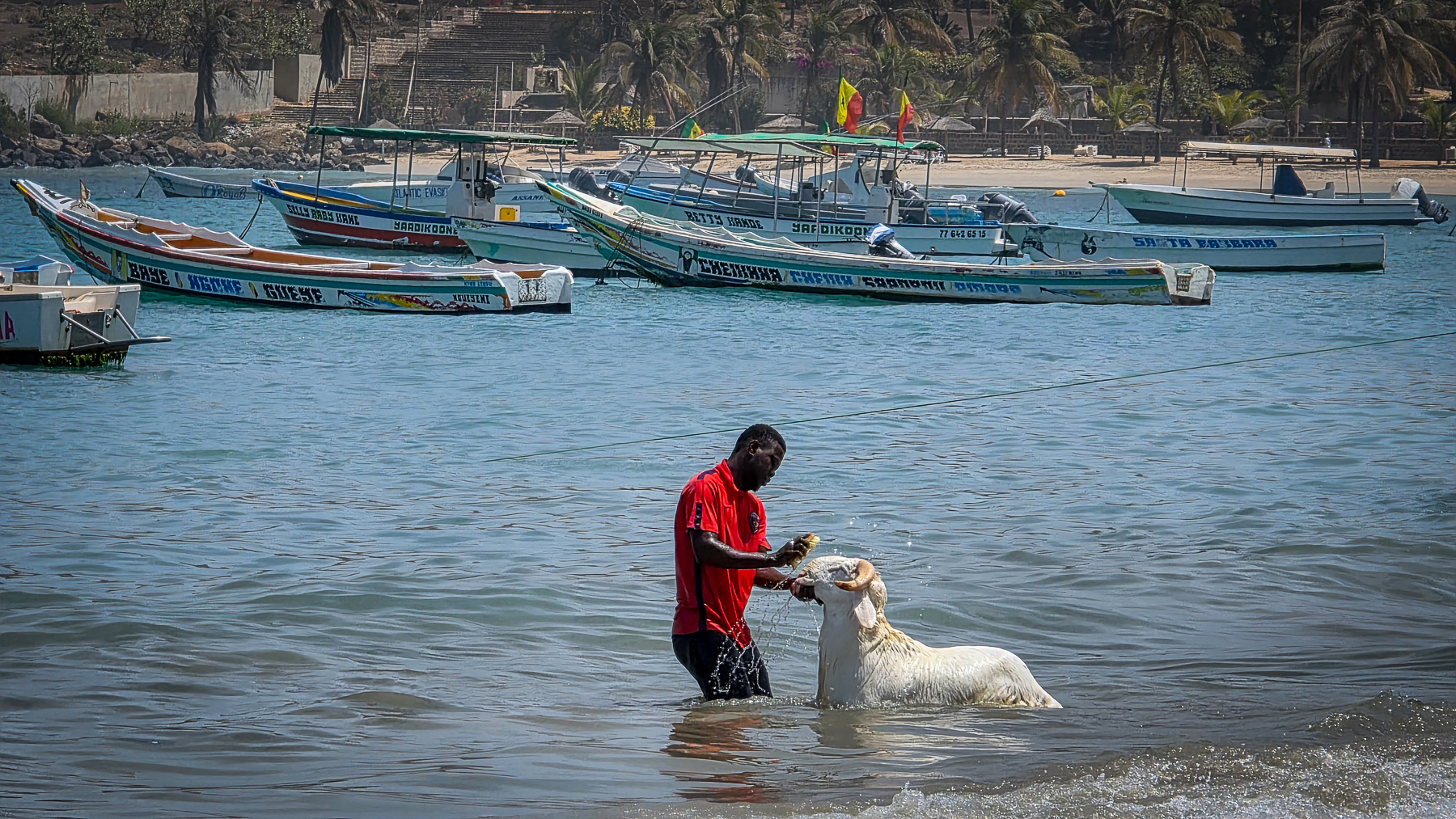
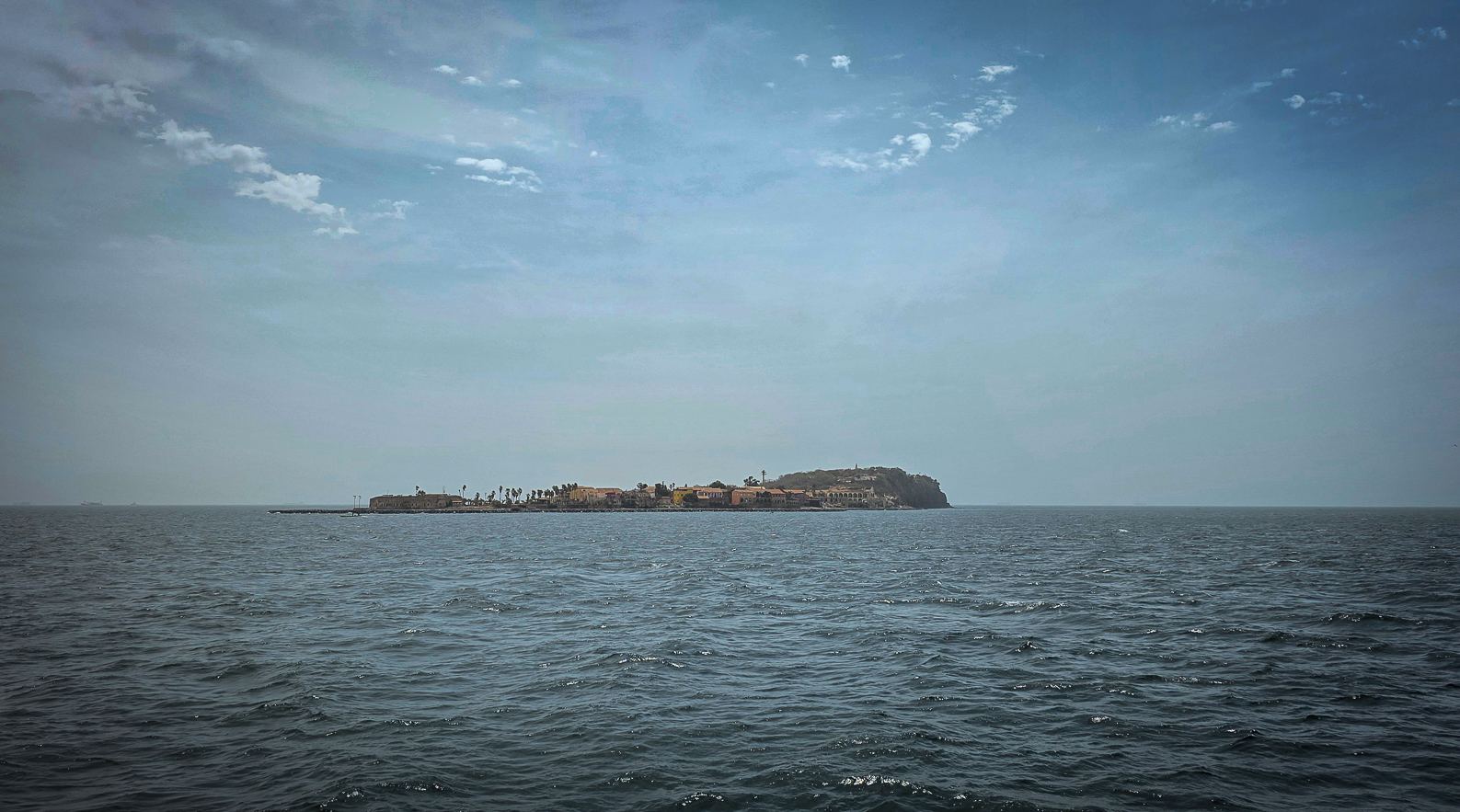
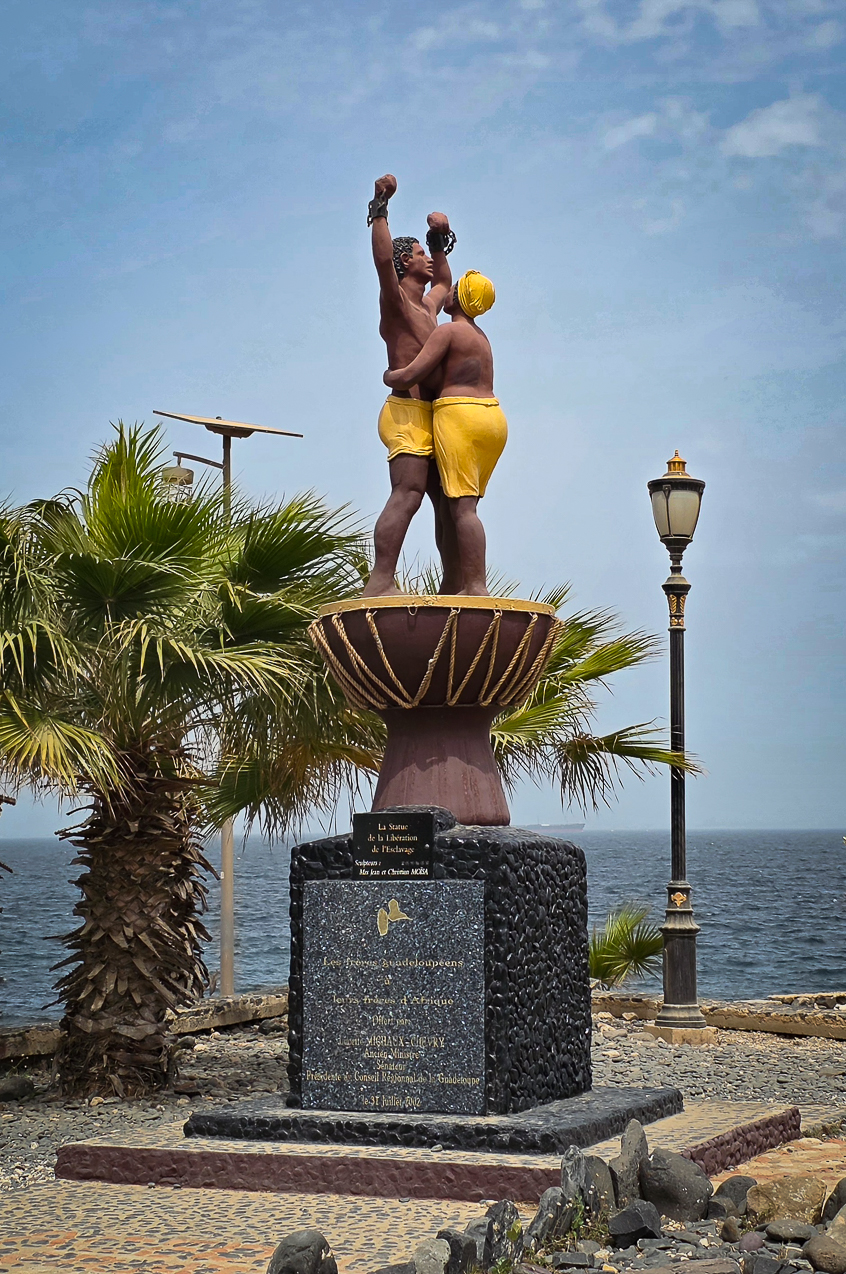
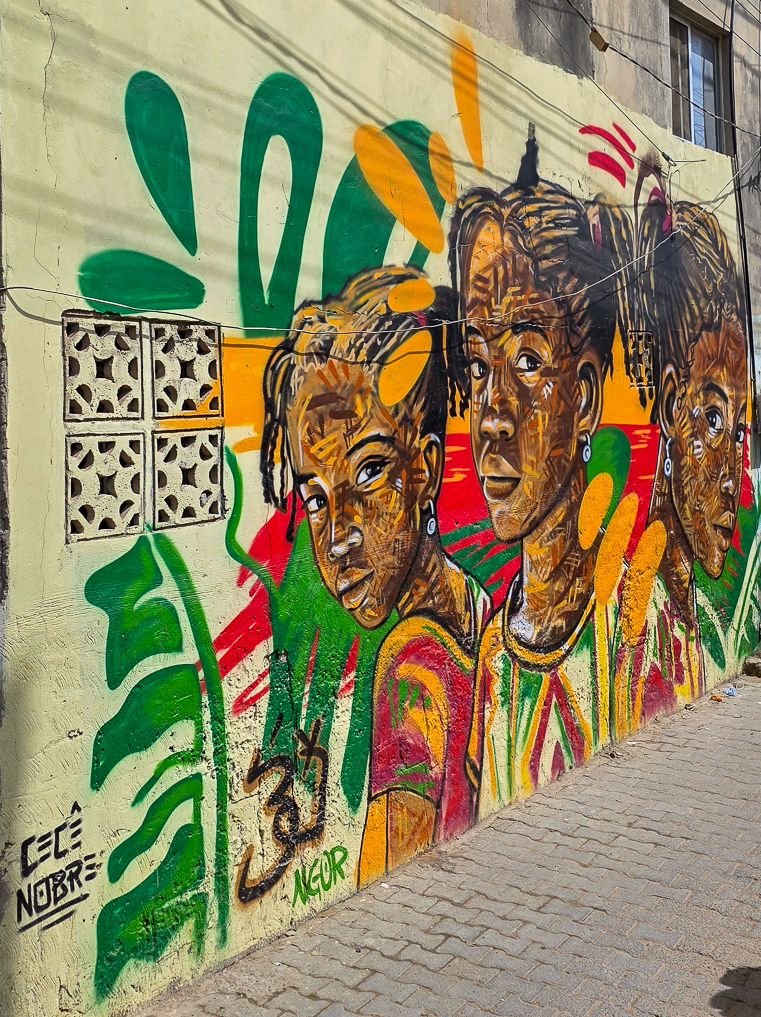
Saint-Louis and Dakar showed us two very different faces of the country. Saint-Louis impressed us with its colonial architecture and historical charm; as the former capital of French West Africa, the island still carries the layout, balconies and faded elegance of a colonial trading city. Dakar felt hectic, crowded and surprisingly exhausting. We visited Gorée Island, which is one of Senegal’s most symbolic places of remembrance for the transatlantic slave trade, even if the experience itself felt less intense than expected. We also spent time on the small island of N’Gor, just off the coast of Dakar, known for its colorful fishing boats, relaxed atmosphere and vibrant local art scene. Compared to the bustle of Dakar, N’Gor felt like a peaceful retreat where life moved at a much slower pace. We explored some street art districts and spent quite some time navigating the traffic chaos. Dakar was interesting to see, but after a few days we were happy to leave the city behind and return to quieter places.
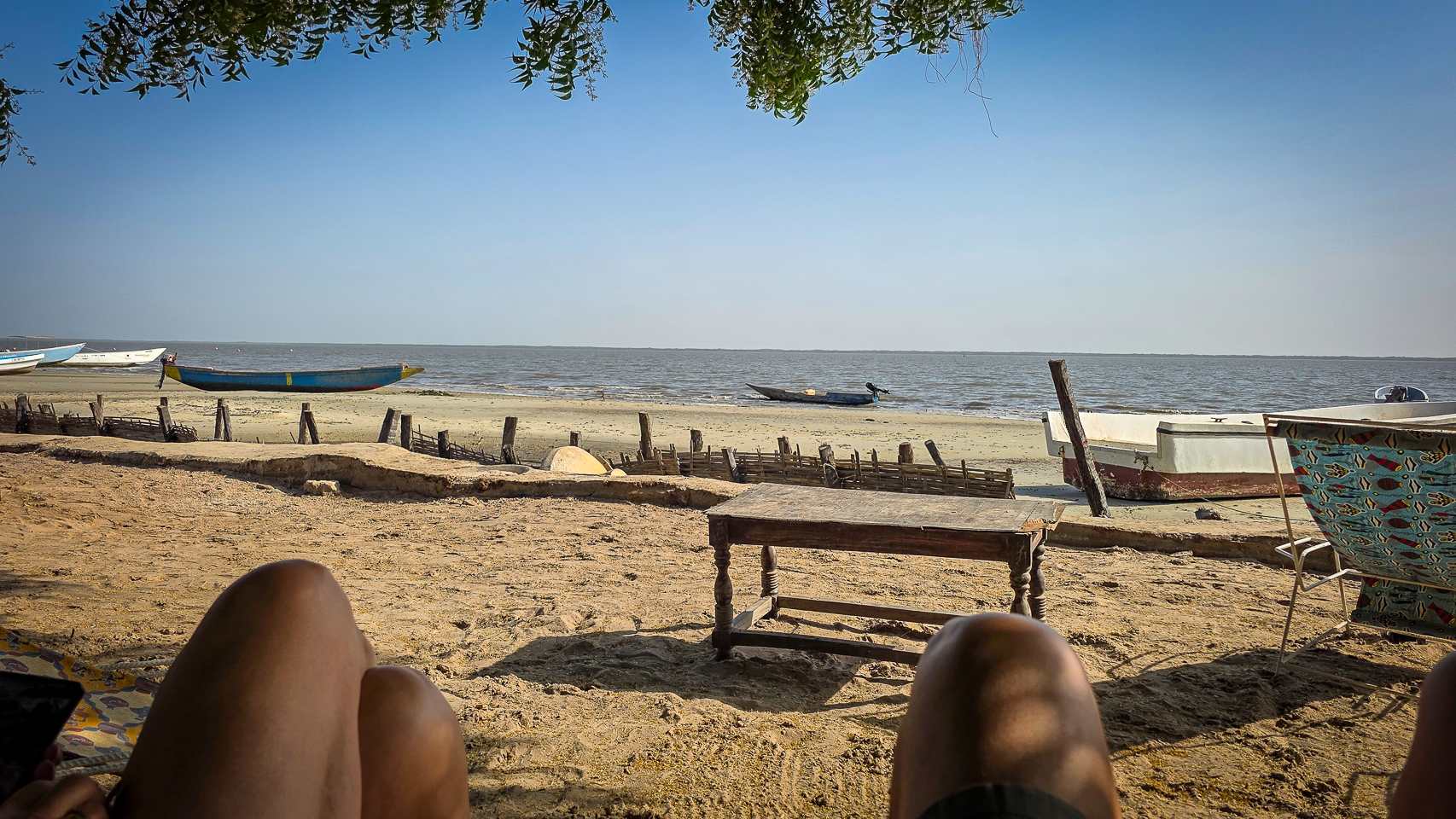
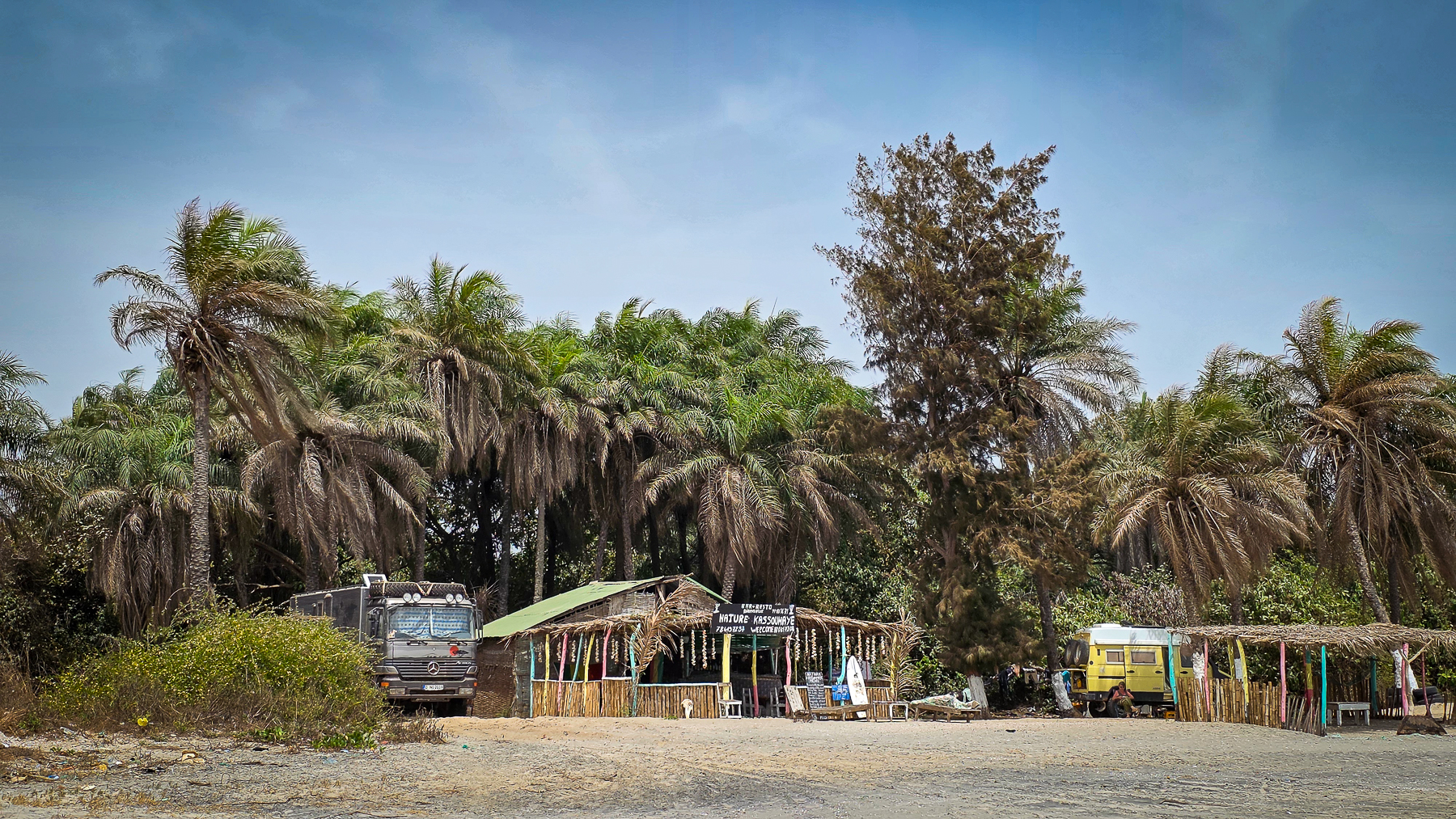
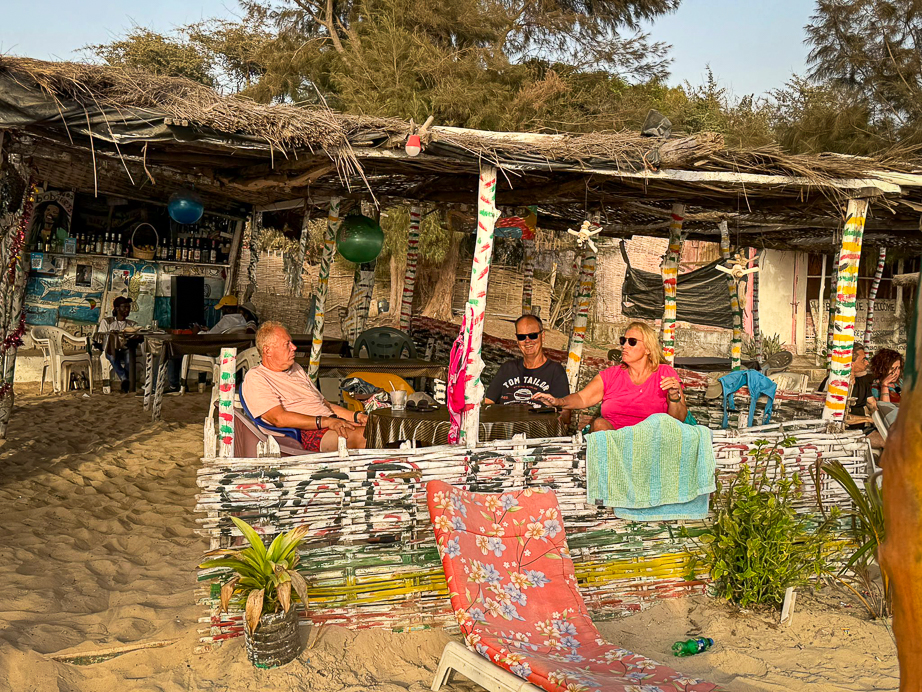
Life on the Atlantic Coast quickly became one of our favorite aspects of Senegal. Long beach walks, hammocks under palm trees, small lodges, mangrove tours and endless views over the ocean created a very relaxed atmosphere. Especially after the extreme heat further inland, the Atlantic breeze felt like a gift. Many days passed without major sightseeing, simply enjoying the slower rhythm of life. Looking back, these quiet days near the sea are among our strongest memories of Senegal.
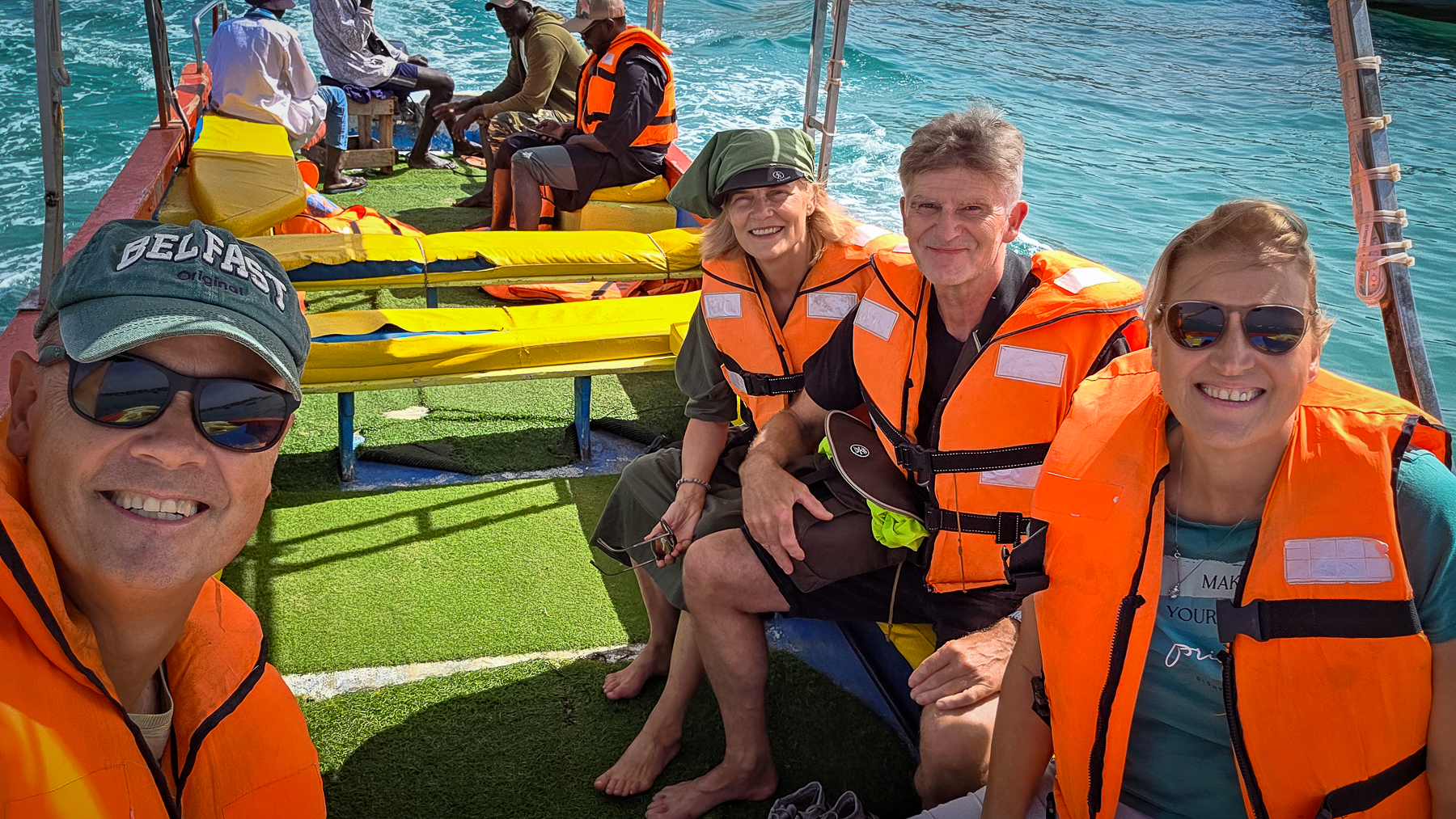
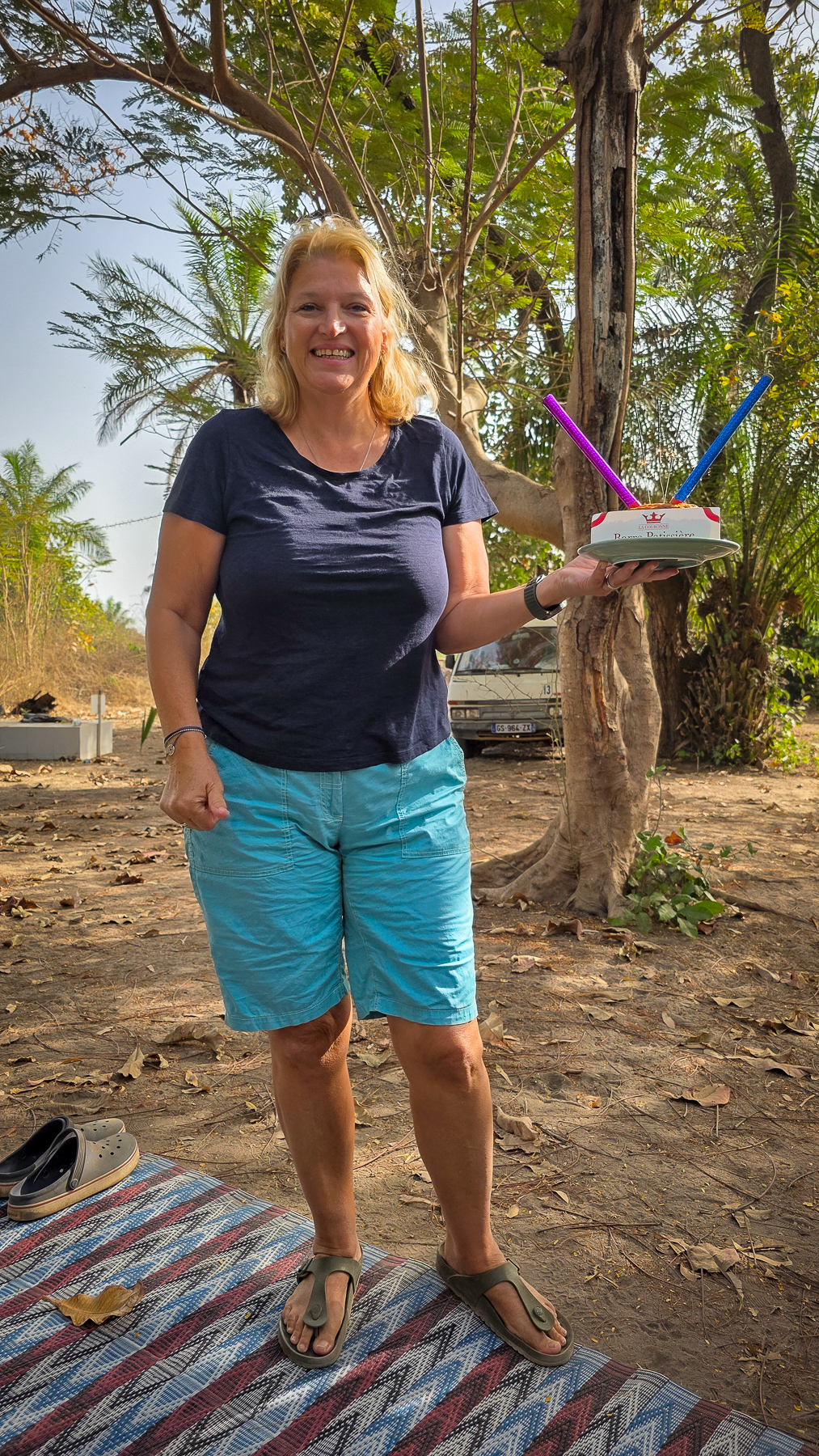
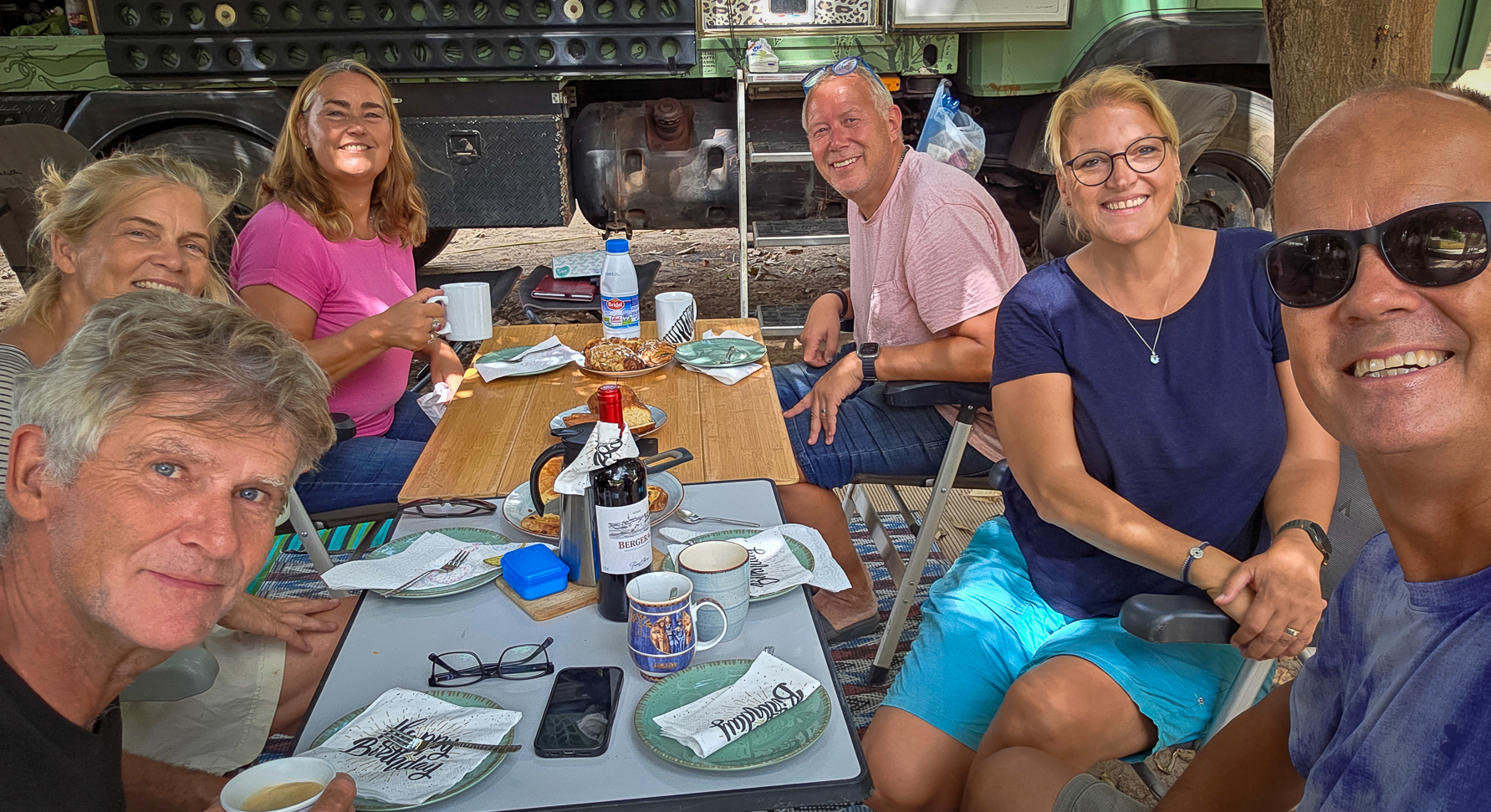
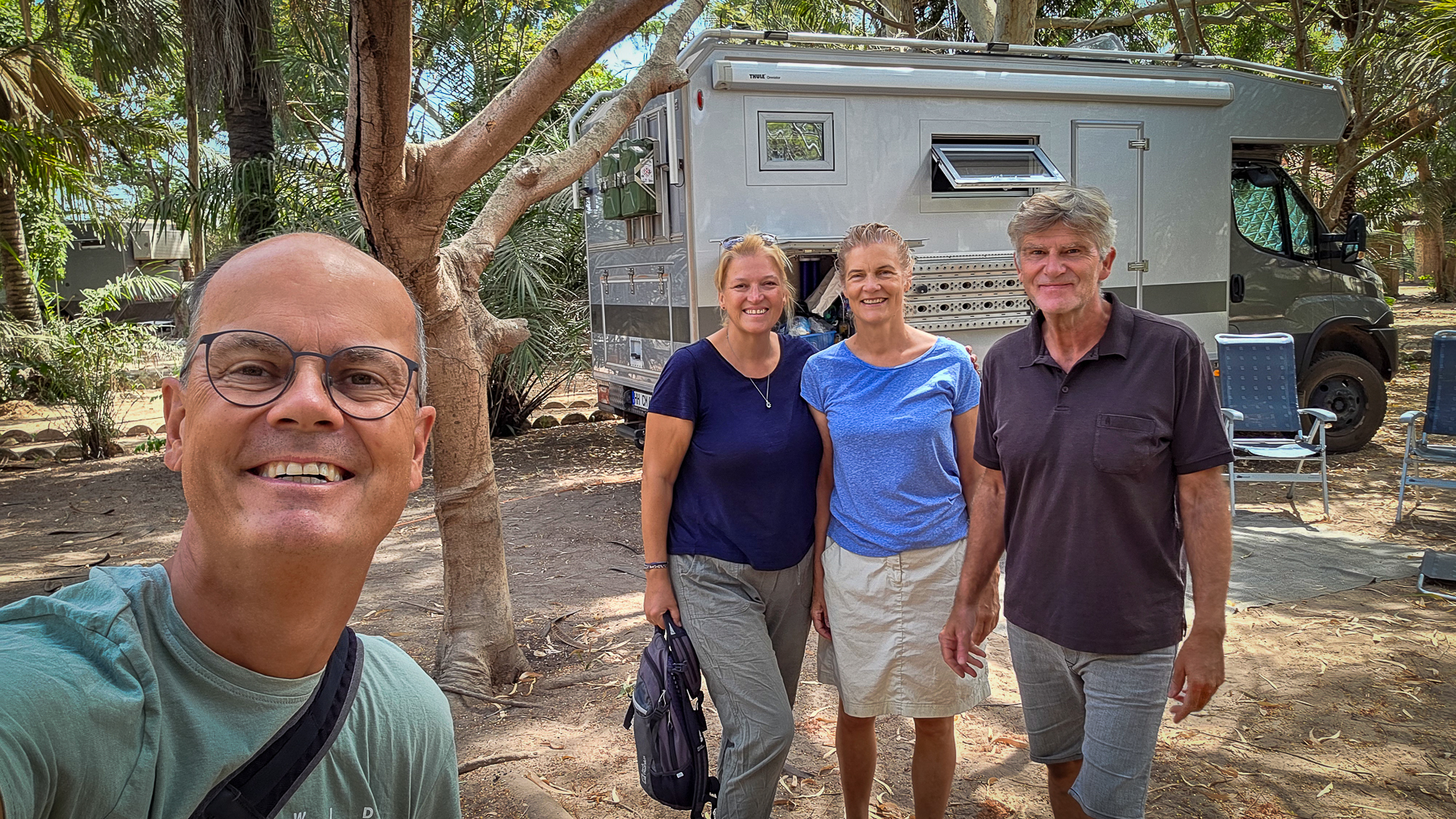
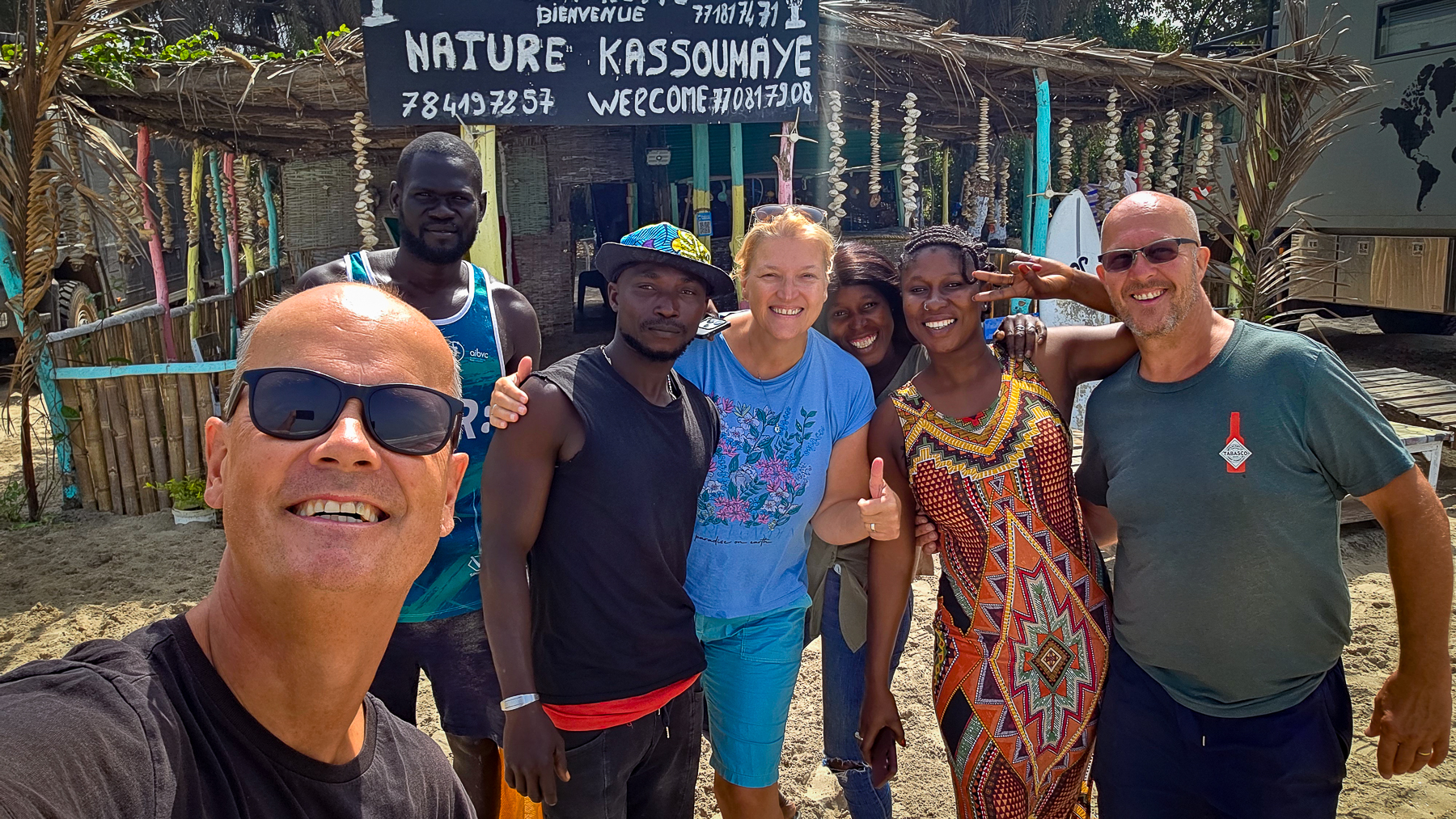
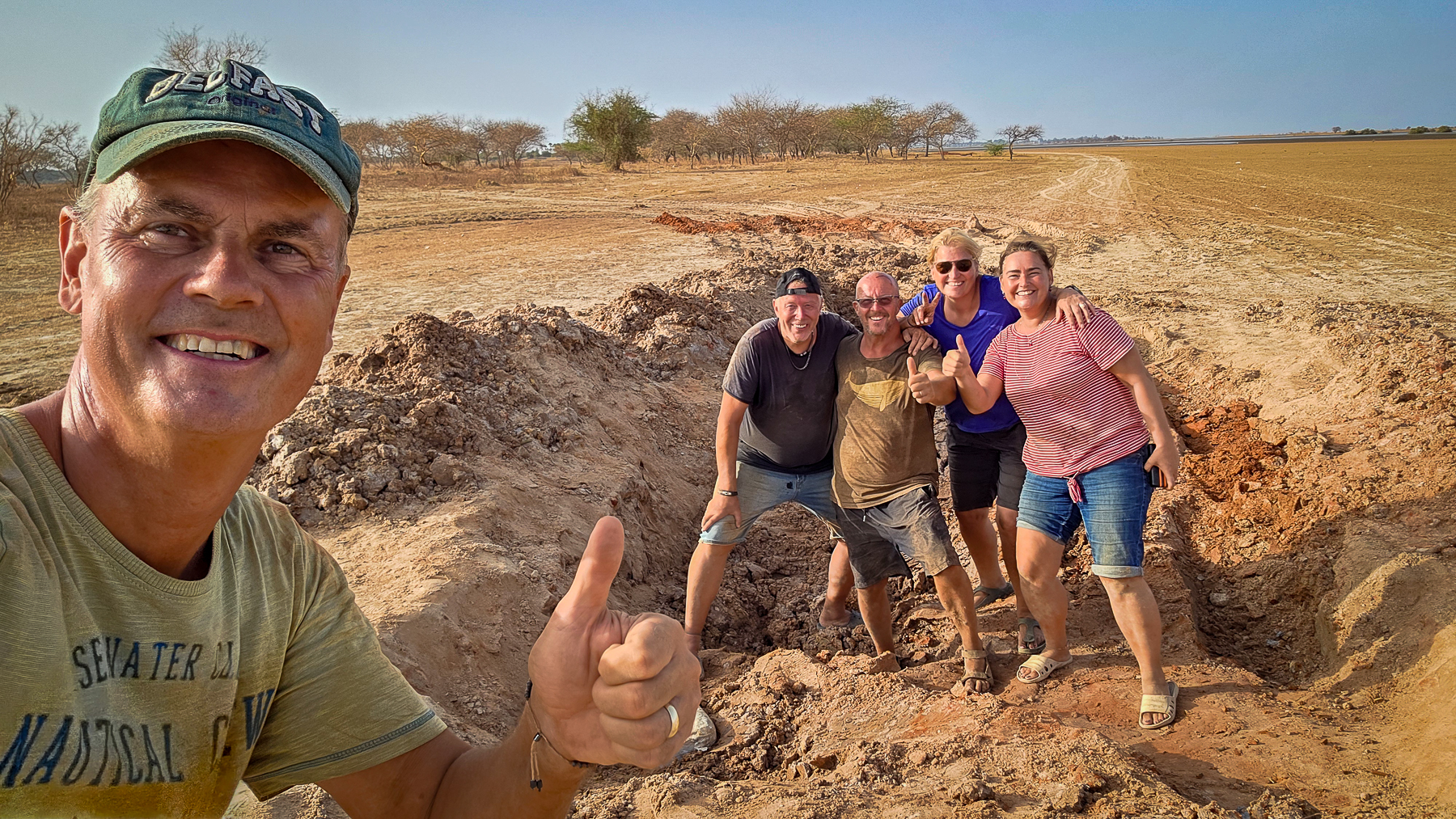
Traveling with Other Overlanders was another important part of our time in Senegal. We spent several weeks together with Marlis and Carsten from Hamburg, sharing campsites, meals, ideas and experiences. Traveling together often opens doors to activities that we would probably never have considered on our own. We realized that there are ‚other things to do on a world trip‘, that was very beneficial for the substance of our trip! We also had a great time with ‚Tina & Volker‘ plus ‚Susanne & Hans-Peter‘, they all are on a similar trip like we are, …on the way to South Africa.
Casamance – A Different Senegal felt almost like a country within a country. The region is greener, more tropical and more relaxed than many other parts of Senegal. We visited the enormous market in Ziguinchor, arranged our Guinea-Bissau visa without any problems and explored river landscapes and mangroves. Even a distant manatee sighting added to the feeling that this region follows its own pace. If we had to describe Casamance in one sentence, it would probably be: less stress, more nature, and a very pleasant atmosphere.
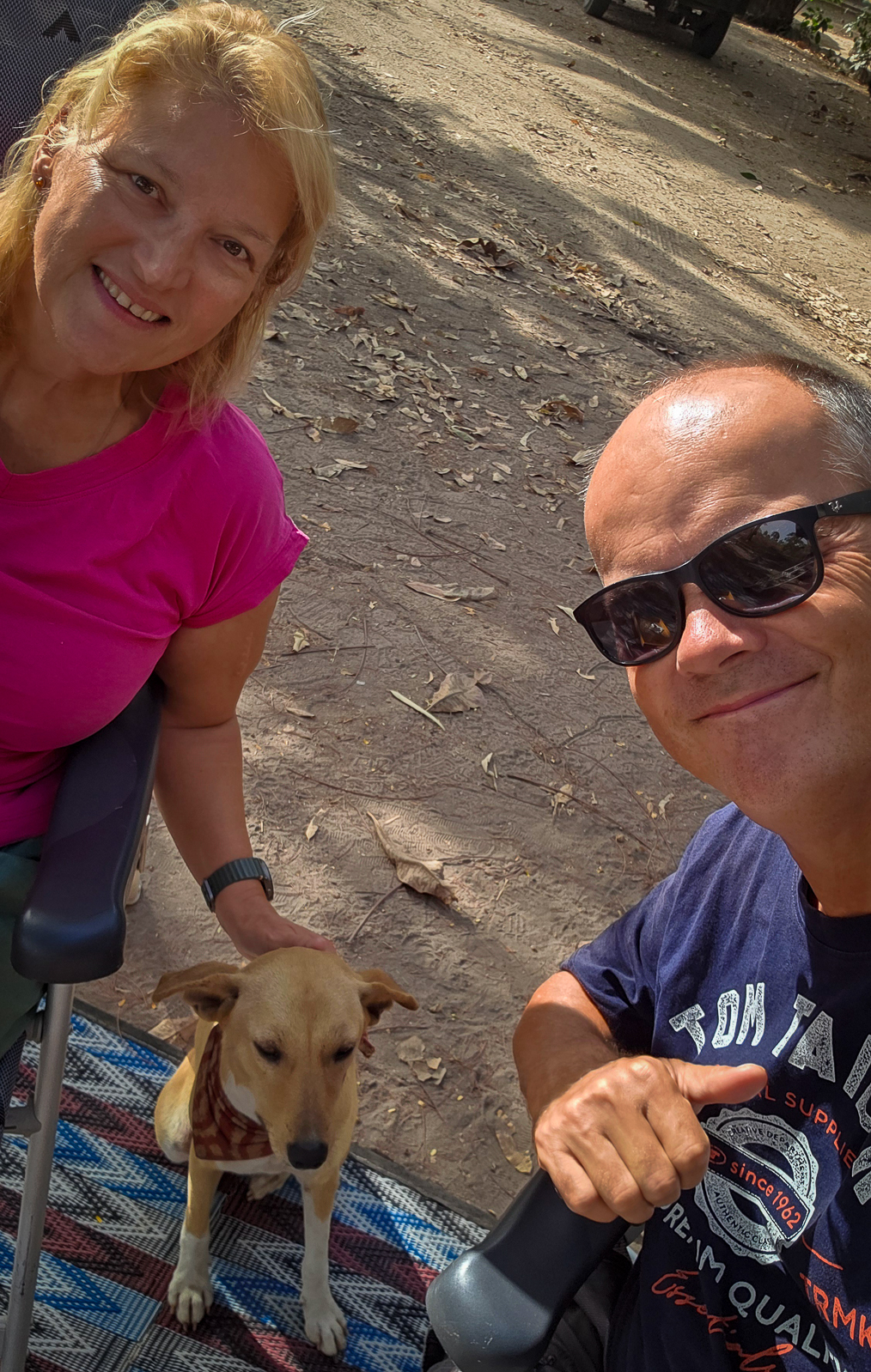
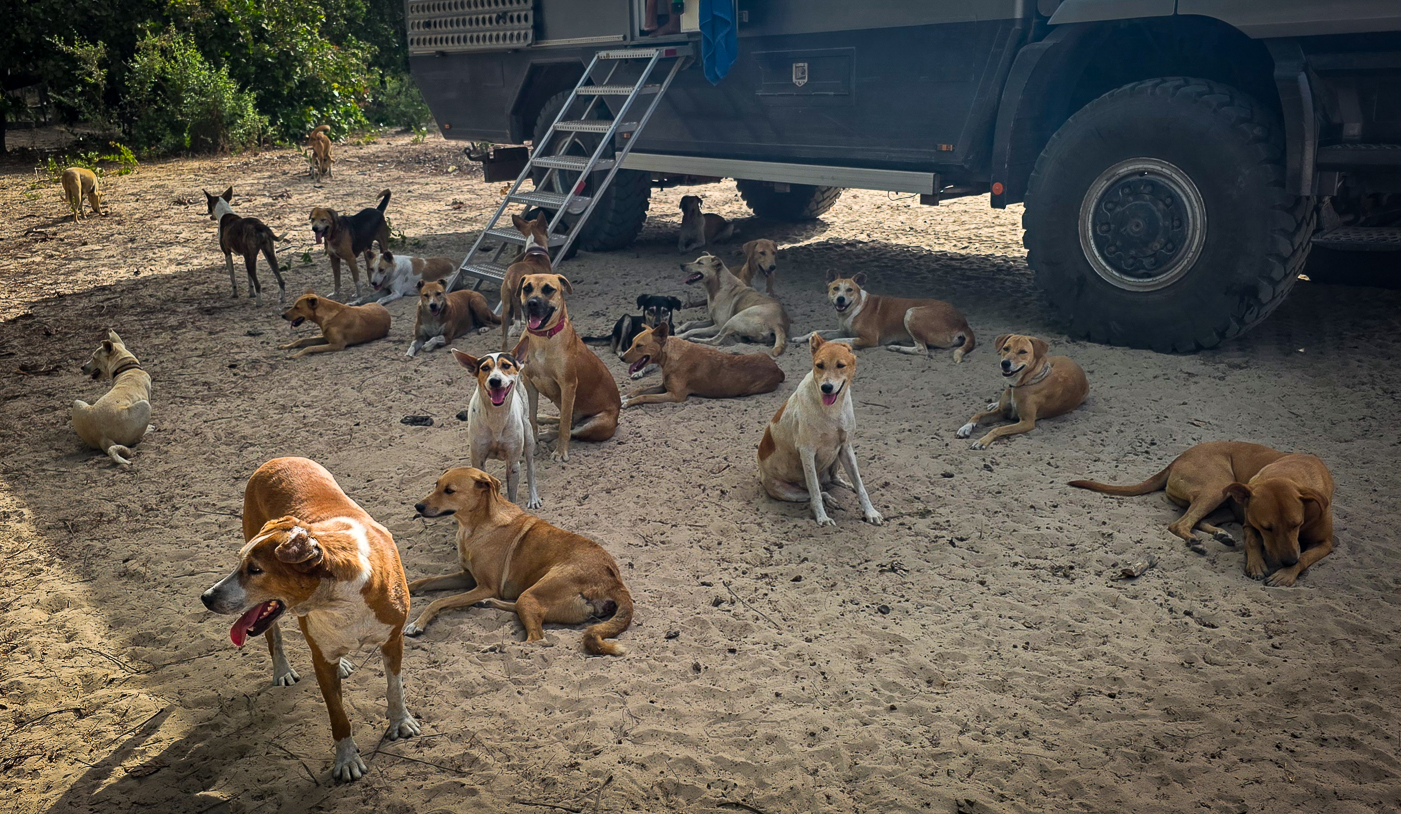
Cap Skirring and Village Life slowed us down even more. Fresh croissants and pain au chocolat in the morning, cows walking along the beach, friendly campsite dogs and campfires in the evening created a surprisingly French-African mix. We spent many days swimming, working on our projects and simply enjoying life near the ocean. Sometimes not much happened, which turned out to be exactly what we needed. Cap Skirring was one of those places where a few planned days can easily turn into a few weeks.
Festivals, Dance and Local Culture became one of the absolute highlights of our stay. Through local contacts we attended traditional festivals in Diembéreng and later a Kompo dance event near Oussouye. The energy was incredible: hours of dancing, drumming, wrestling, palm wine and celebrations that felt completely authentic. Nothing was staged for tourists, and that made the experience even more special. These events gave us a rare opportunity to experience local culture from the inside rather than simply observing it from a distance.
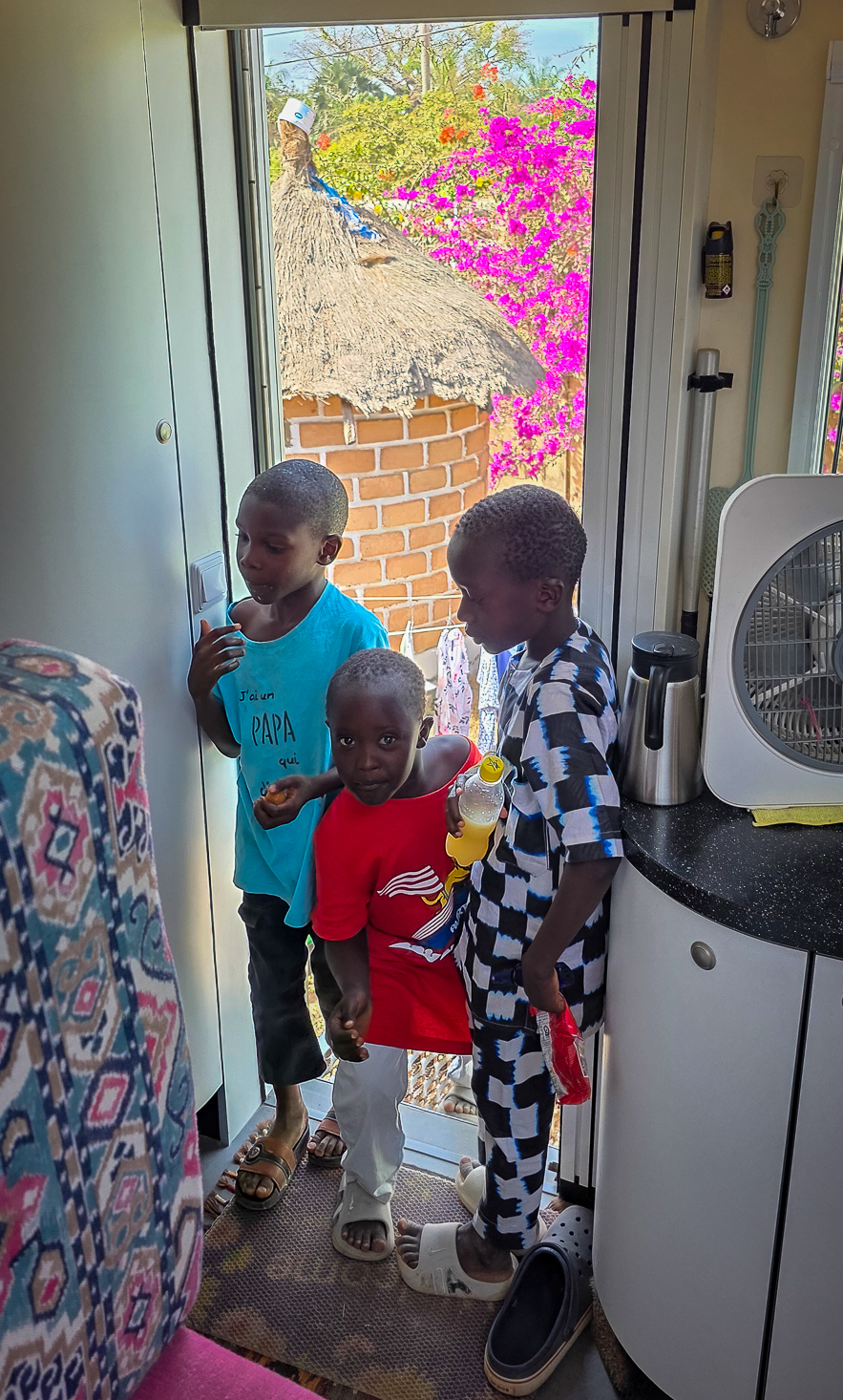
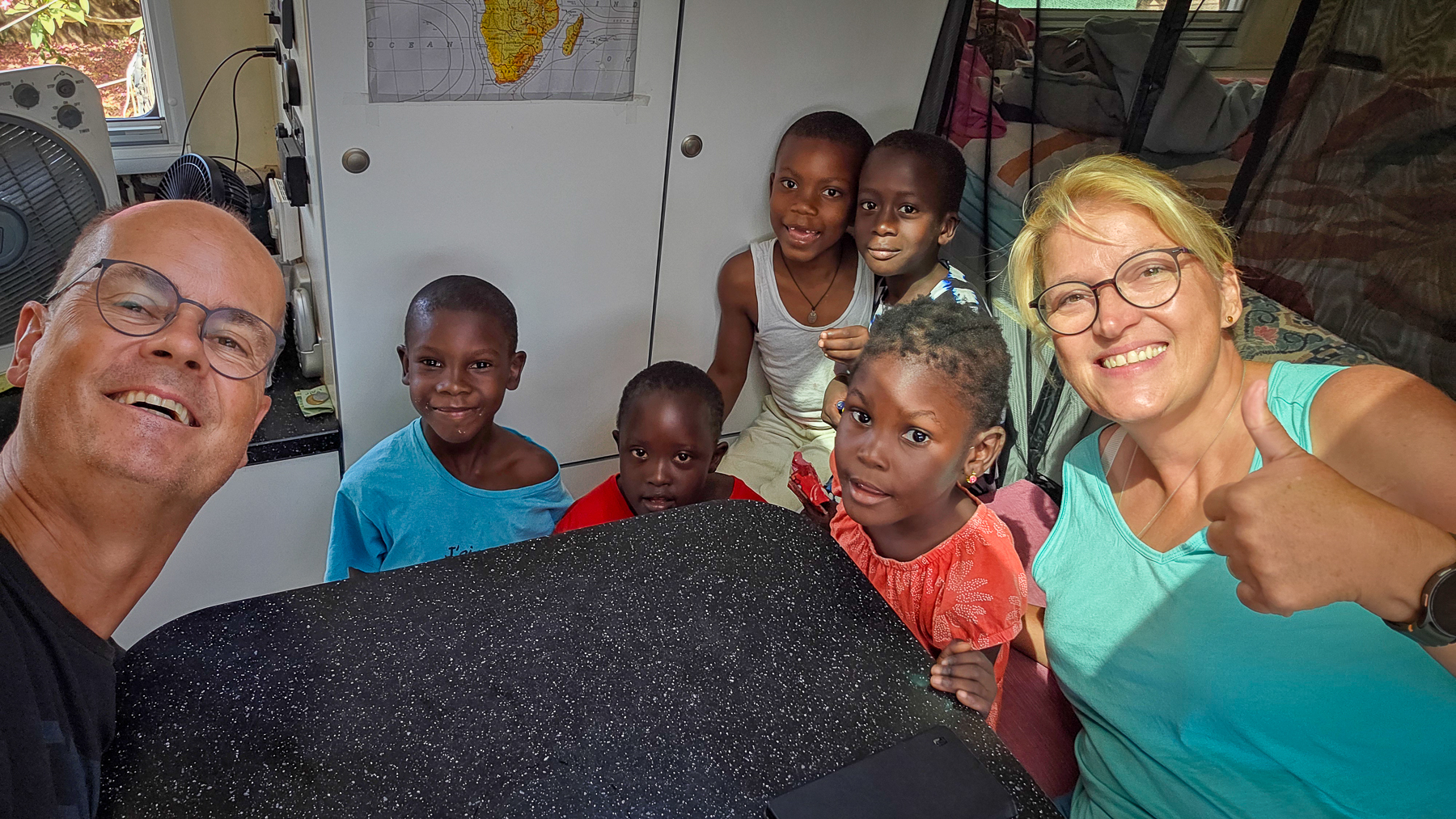
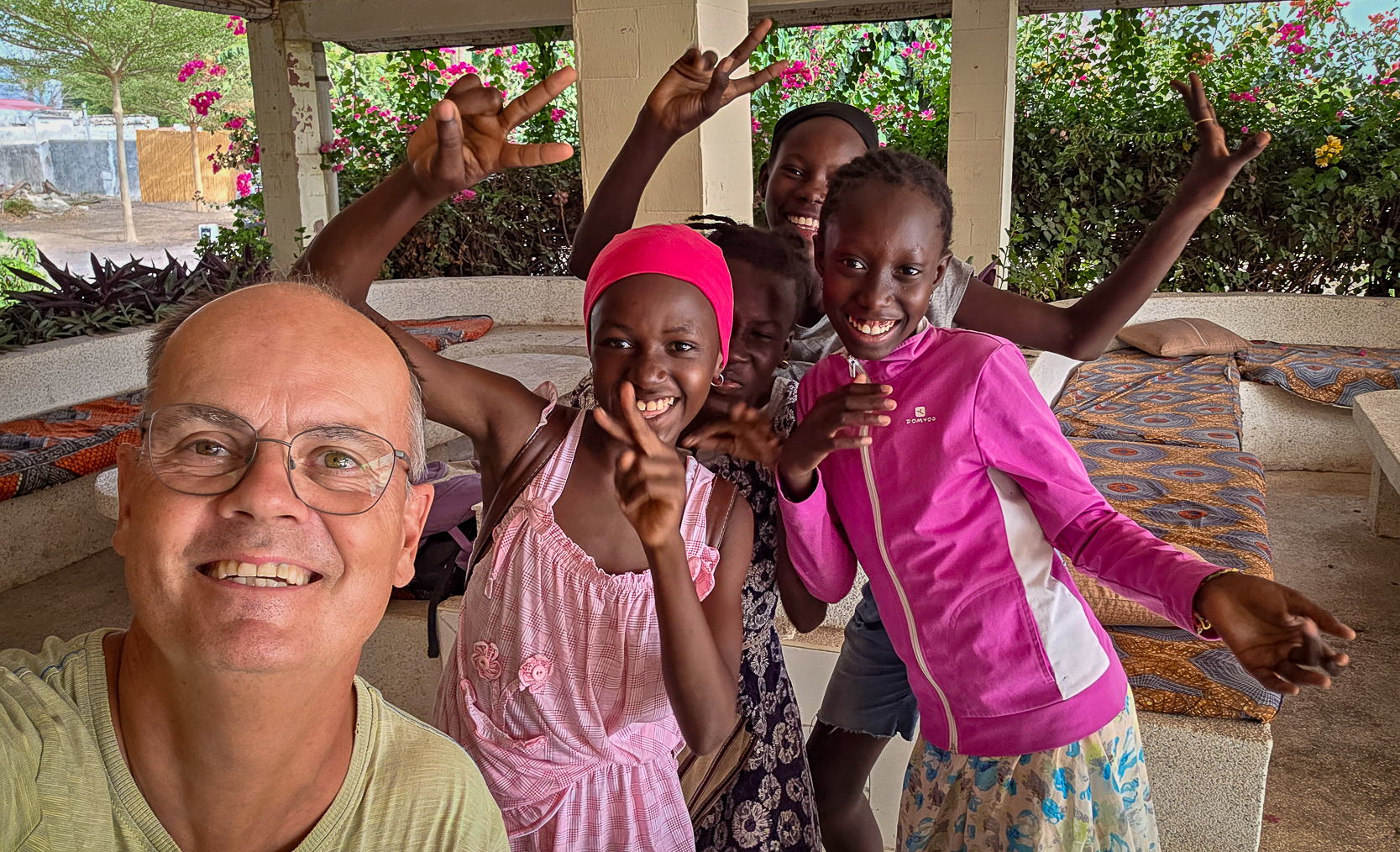
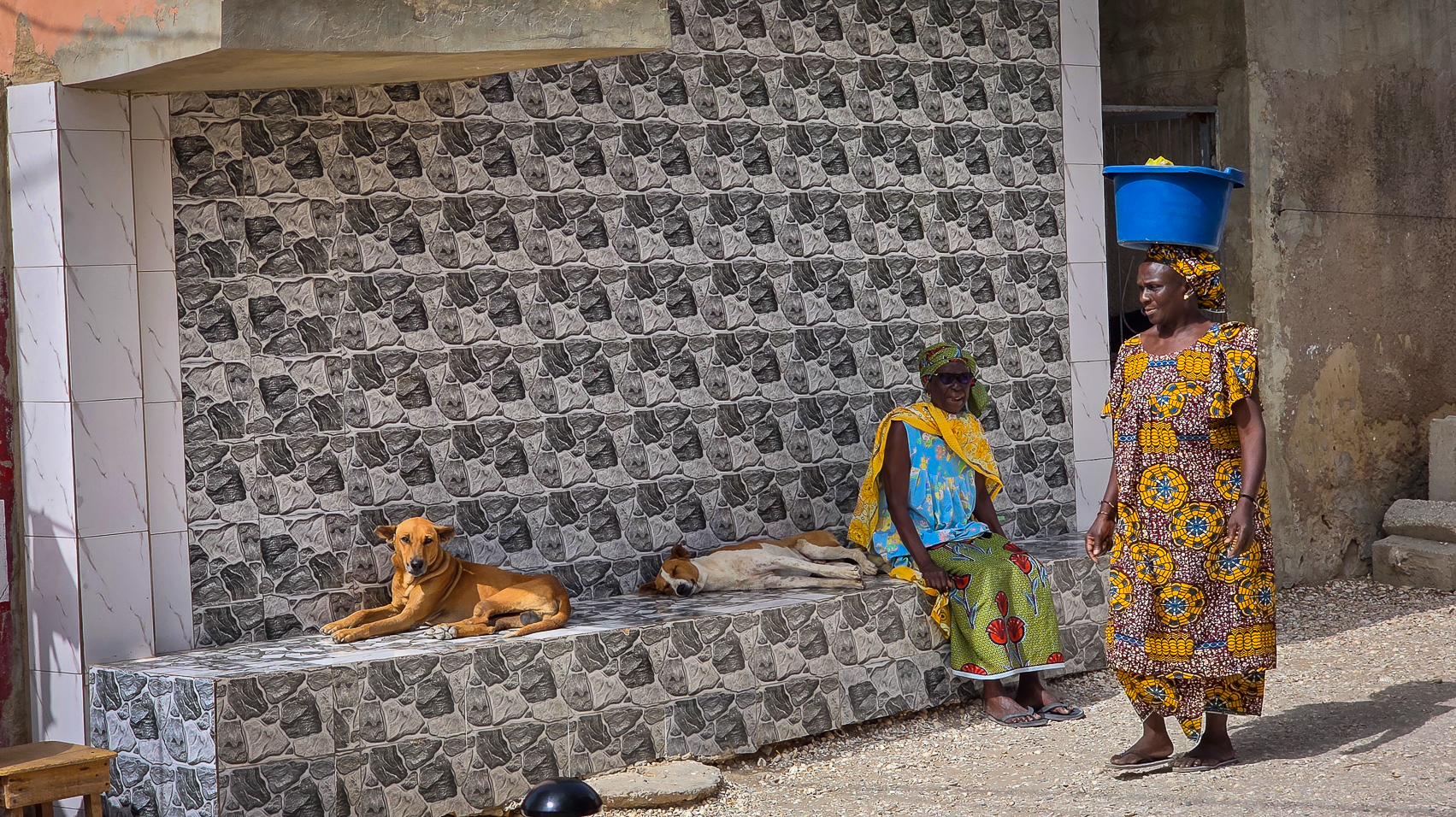
People, Children and Everyday Life often left the strongest impressions. Children appeared everywhere, usually in groups, curious and cheerful. We were repeatedly invited into conversations, observed village life and spent time with local families. One thing we noticed was how naturally children shared with each other and how strong the sense of community often seemed to be. Those small everyday encounters were often more memorable than any official attraction.
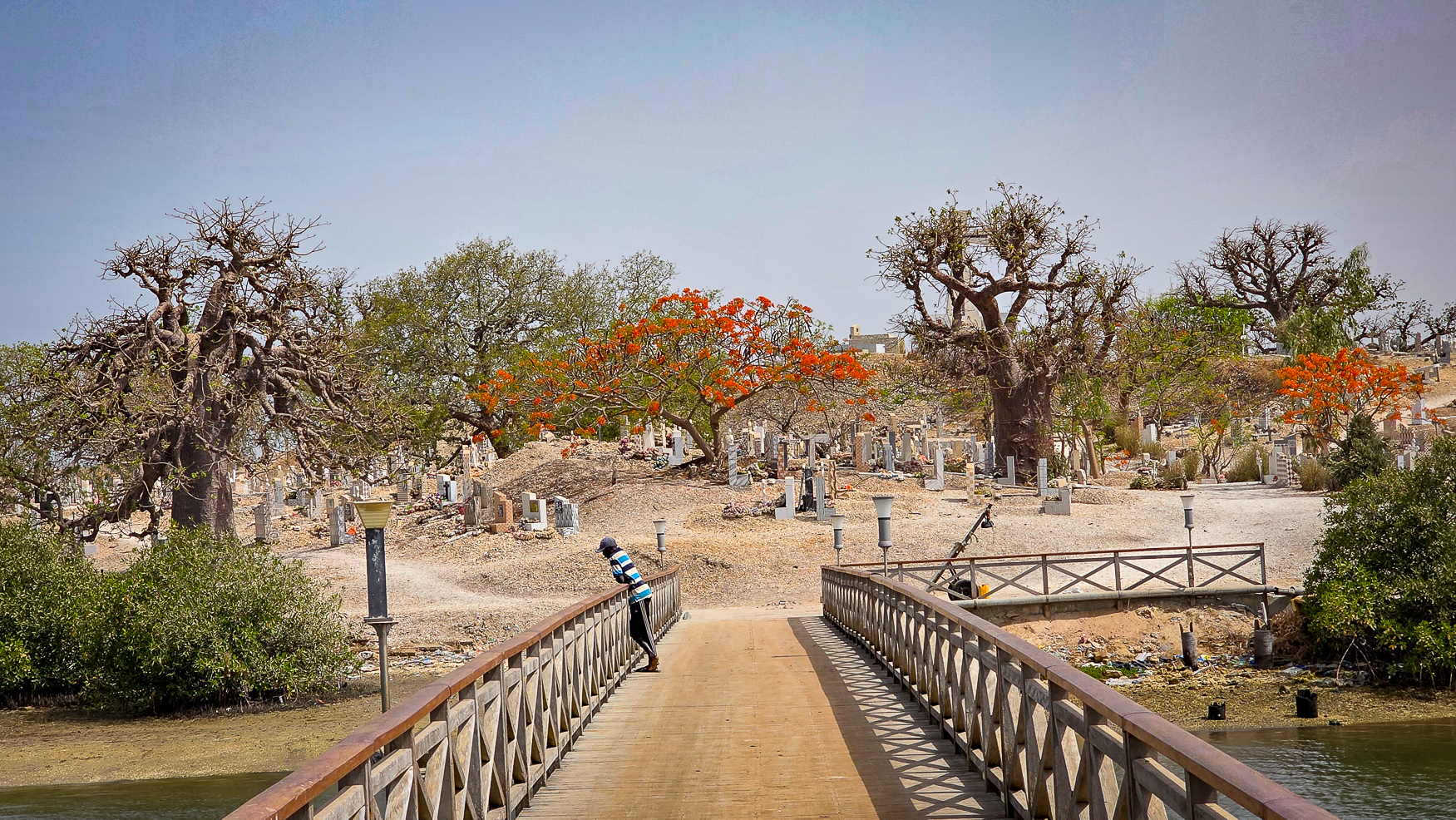
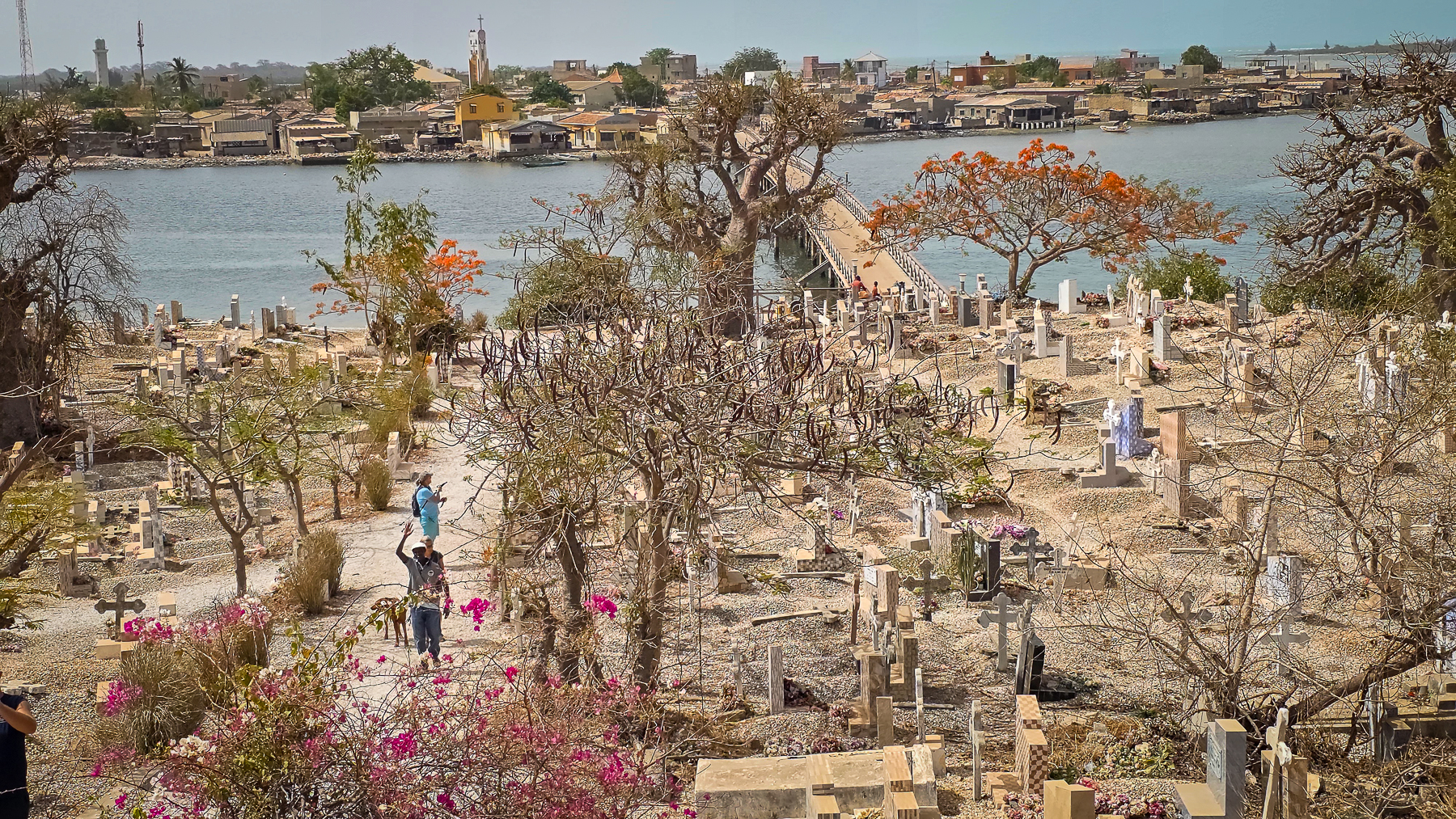
The Muslim Feast and Fadiouth offered another fascinating insight into Senegalese society. Visiting the shell island of Fadiouth was special because the village is literally built on countless seashells, with narrow paths, wooden bridges and no real car traffic on the island itself. Its famous Christian-Muslim cemetery sits on a separate shell island and shows in a very simple but impressive way how naturally different religions coexist here. At the same time we experienced Eid al-Adha, the most important Muslim festival of the year. Entire villages seemed to pause, families gathered and daily life slowed down noticeably.
What Senegal Taught Us is difficult to summarize in only a few sentences. The country constantly challenged our assumptions while confirming others. We learned once again that Africa often works through improvisation rather than detailed planning, and that things do not always have to be perfectly organized to work surprisingly well. Most importantly, Senegal reminded us that traveling is often less about famous sights and more about people, conversations, unexpected encounters and learning to feel comfortable with contradictions. For overlanders, Senegal offers a remarkable mix of culture, nature, history and hospitality, making it one of the most diverse countries we have visited in West Africa.
Best wishes from
Heike & Carsten
To see full-size pictures and comments please
KLICK!
on the thumbnails!
At my 'Overlander Base' you find the sources (great weblinks) that I actually use on the road — try them yourself.
Hello all!
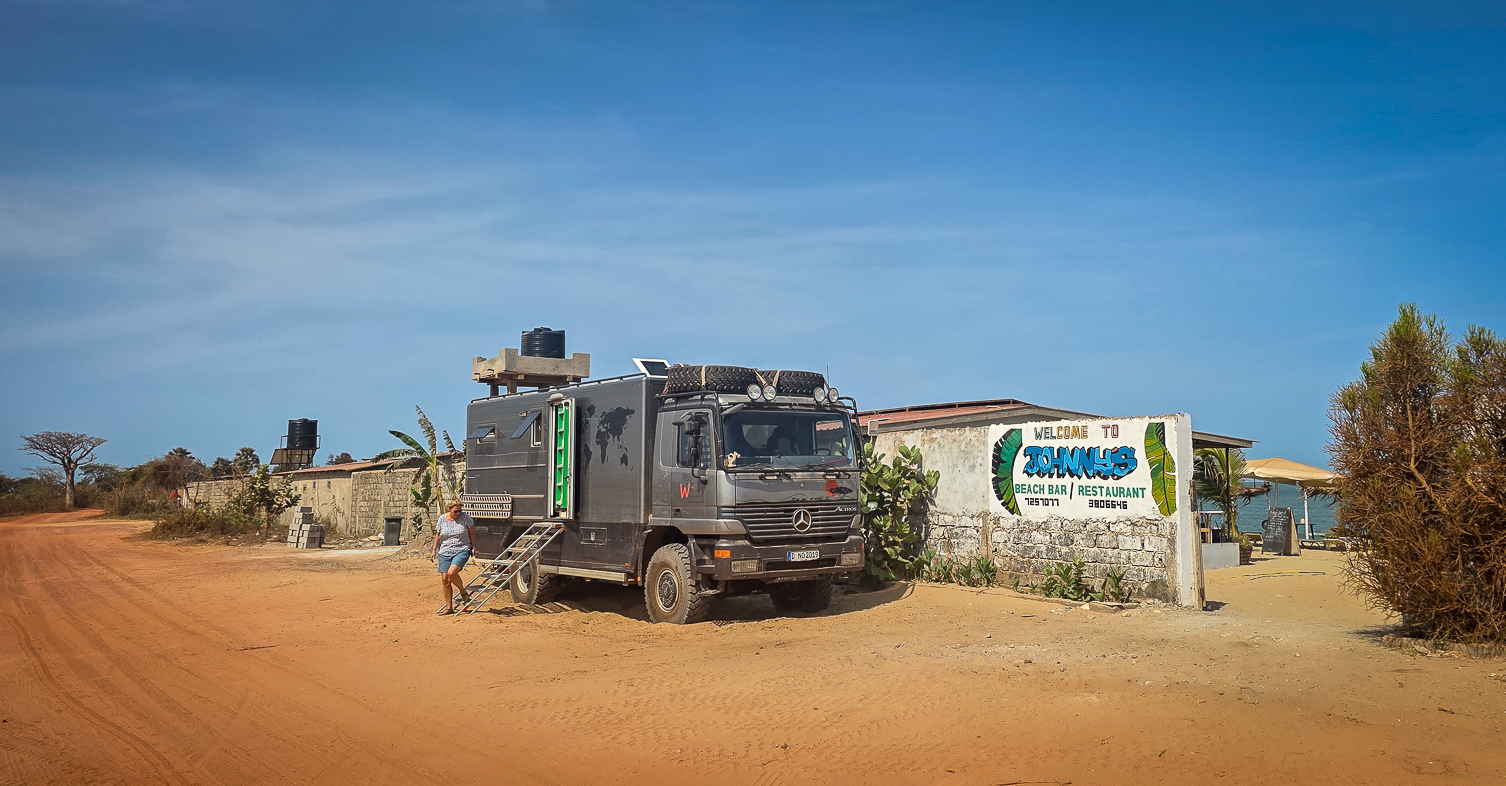
After weeks on the road through West Africa, arriving in ‚The Gambia‘ felt surprisingly easy. The border formalities were relaxed, the atmosphere immediately calmer than in many neighboring countries, and before long we found ourselves settling into life near the coast.
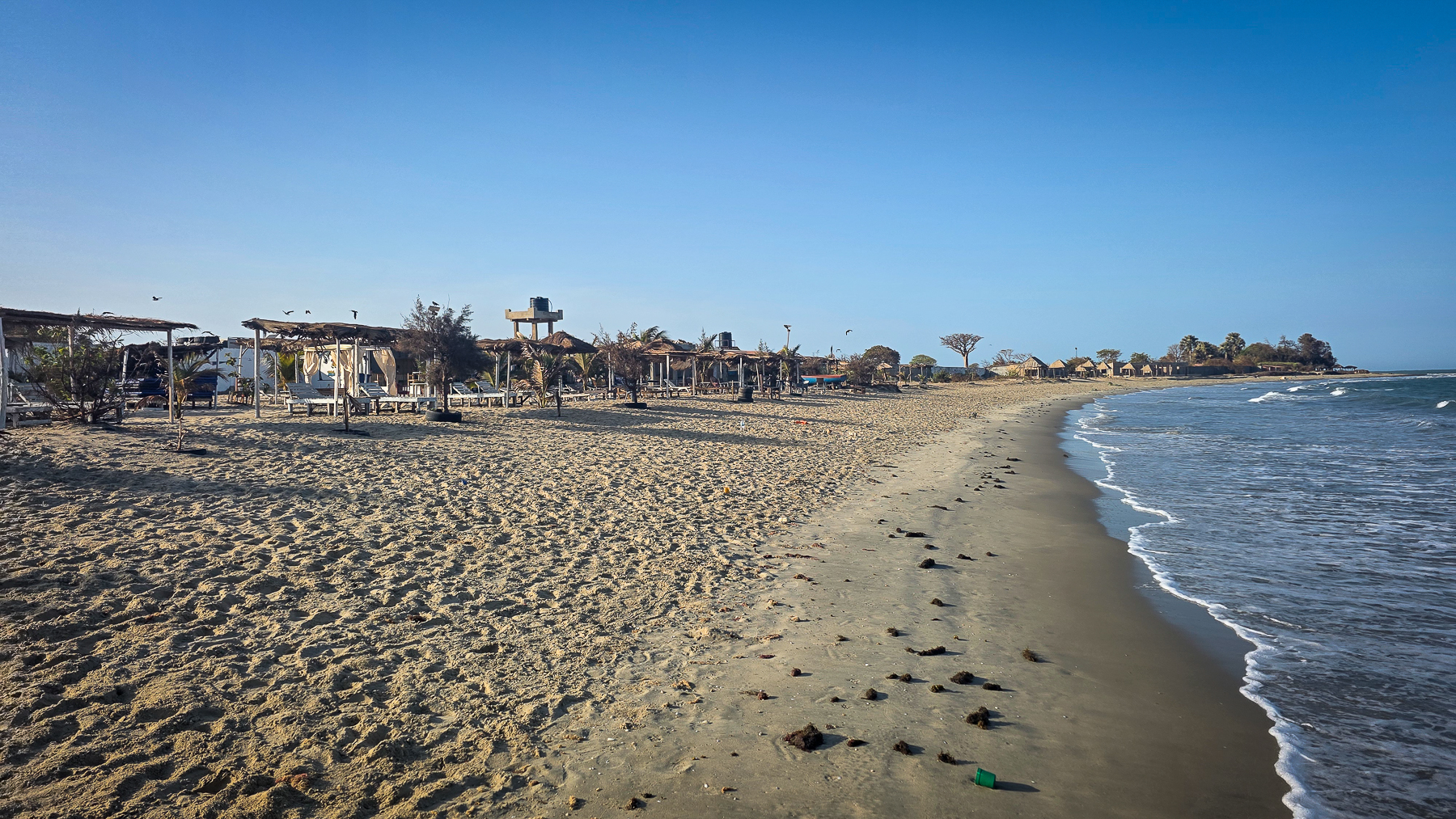
A lot of our time was spent near the beach, where life followed a very different pace. Days often started with a walk along the shoreline and ended with a cold drink while watching the sun disappear into the Atlantic. Around us was a fascinating mix of local Gambians, European expats, British retirees, long-term travelers, and the occasional „sugar boy“ trying his luck. It was an interesting reminder that tourism creates its own parallel world, sometimes completely separate from everyday Gambian life.
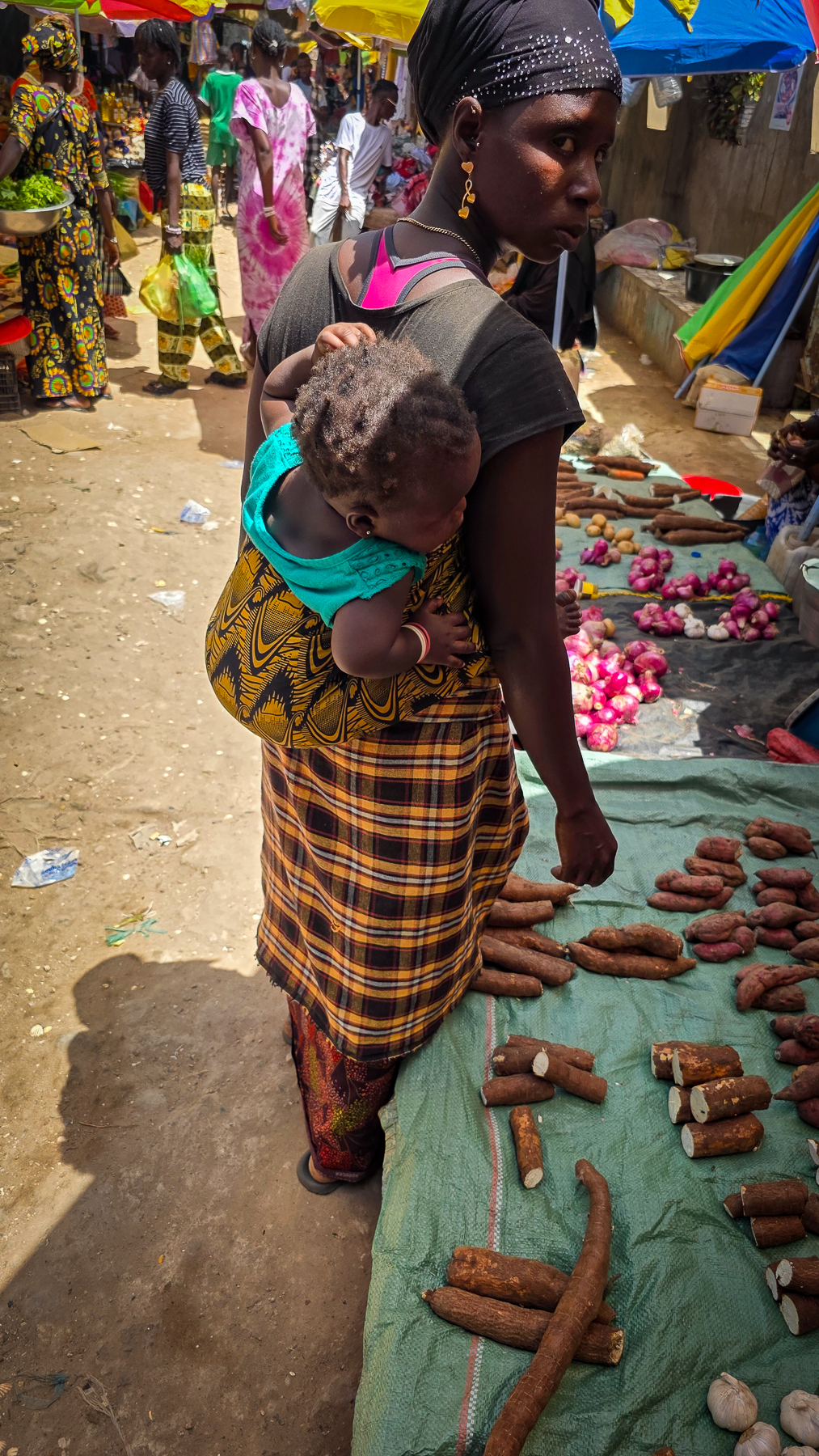
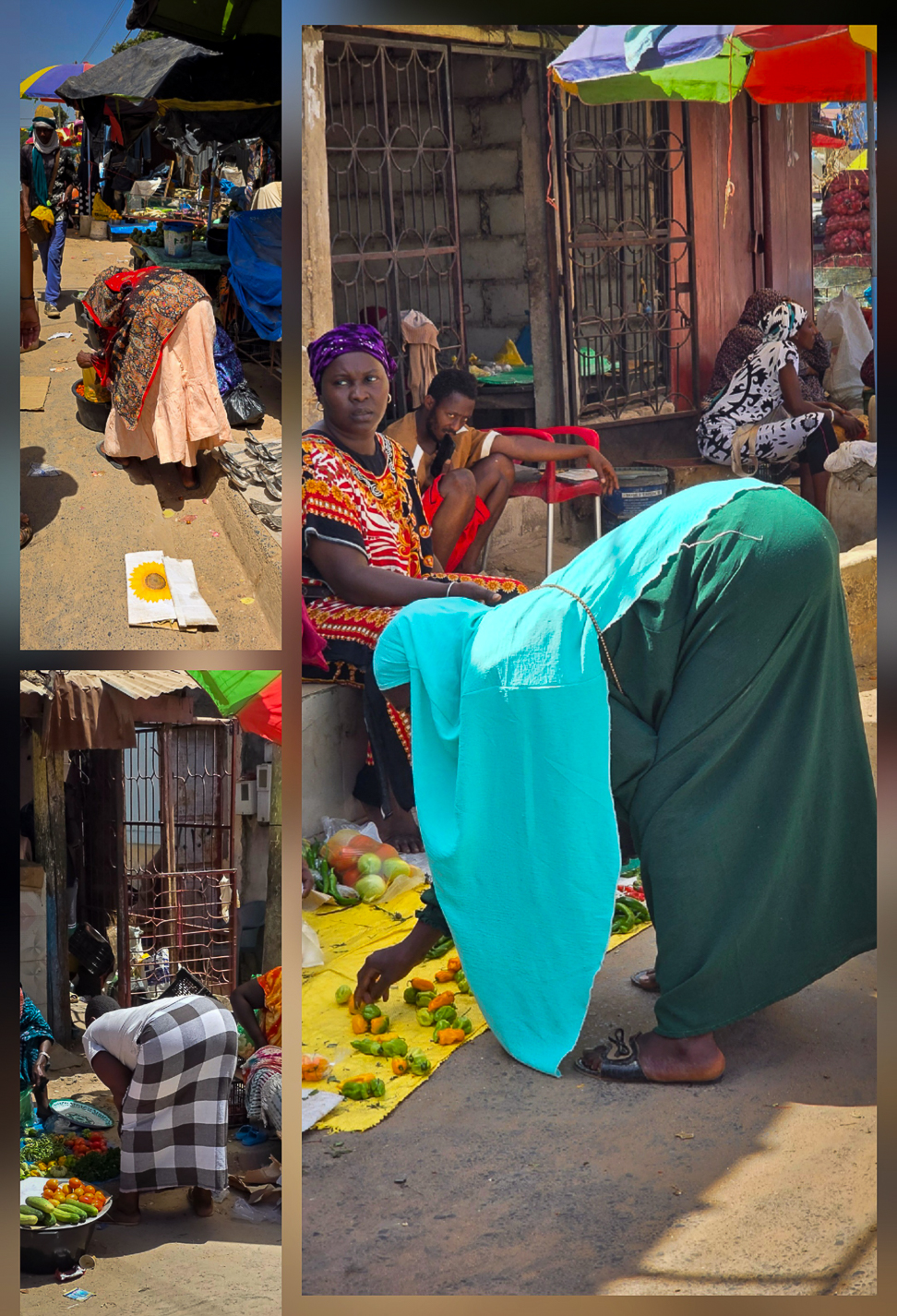
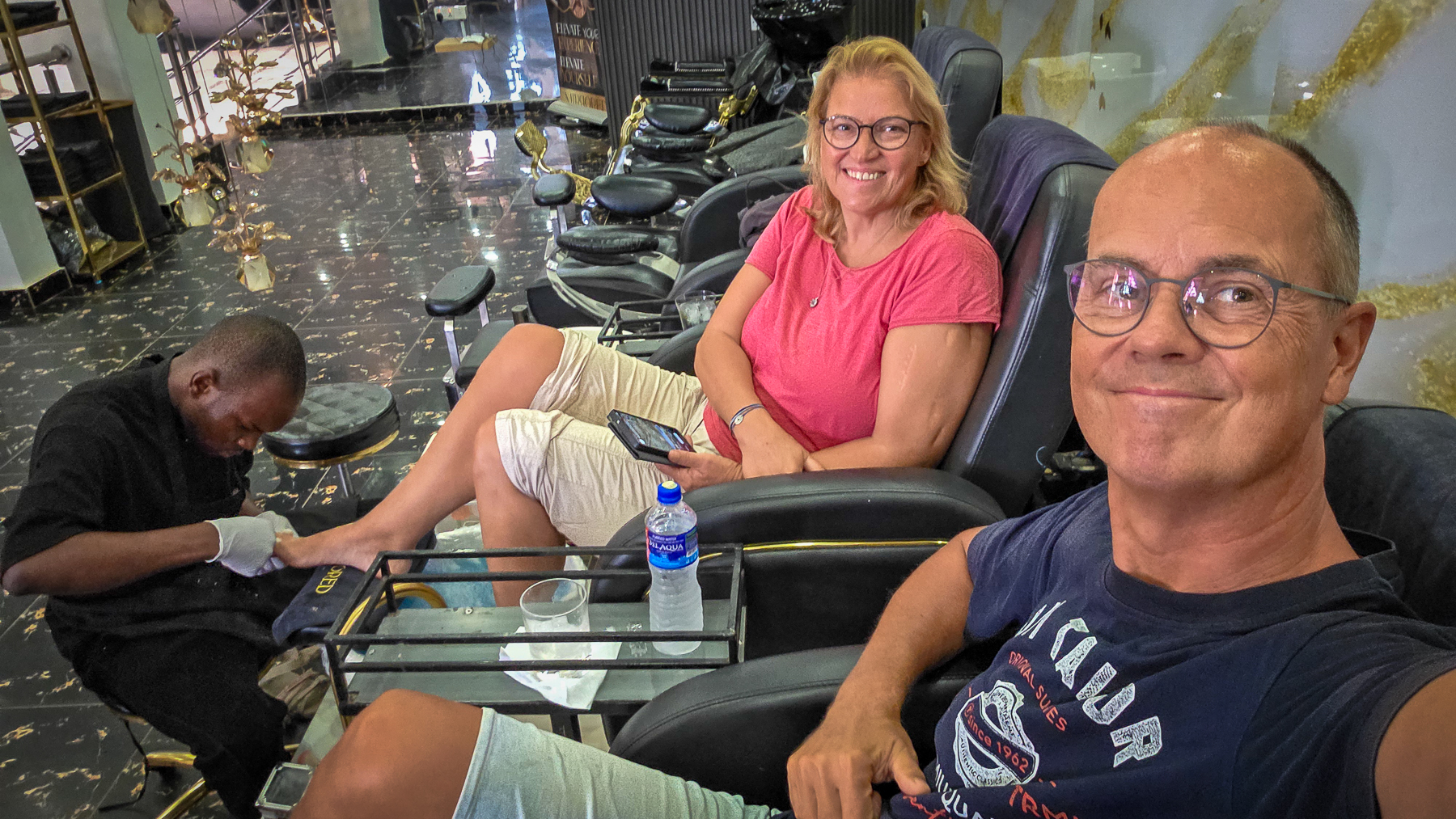
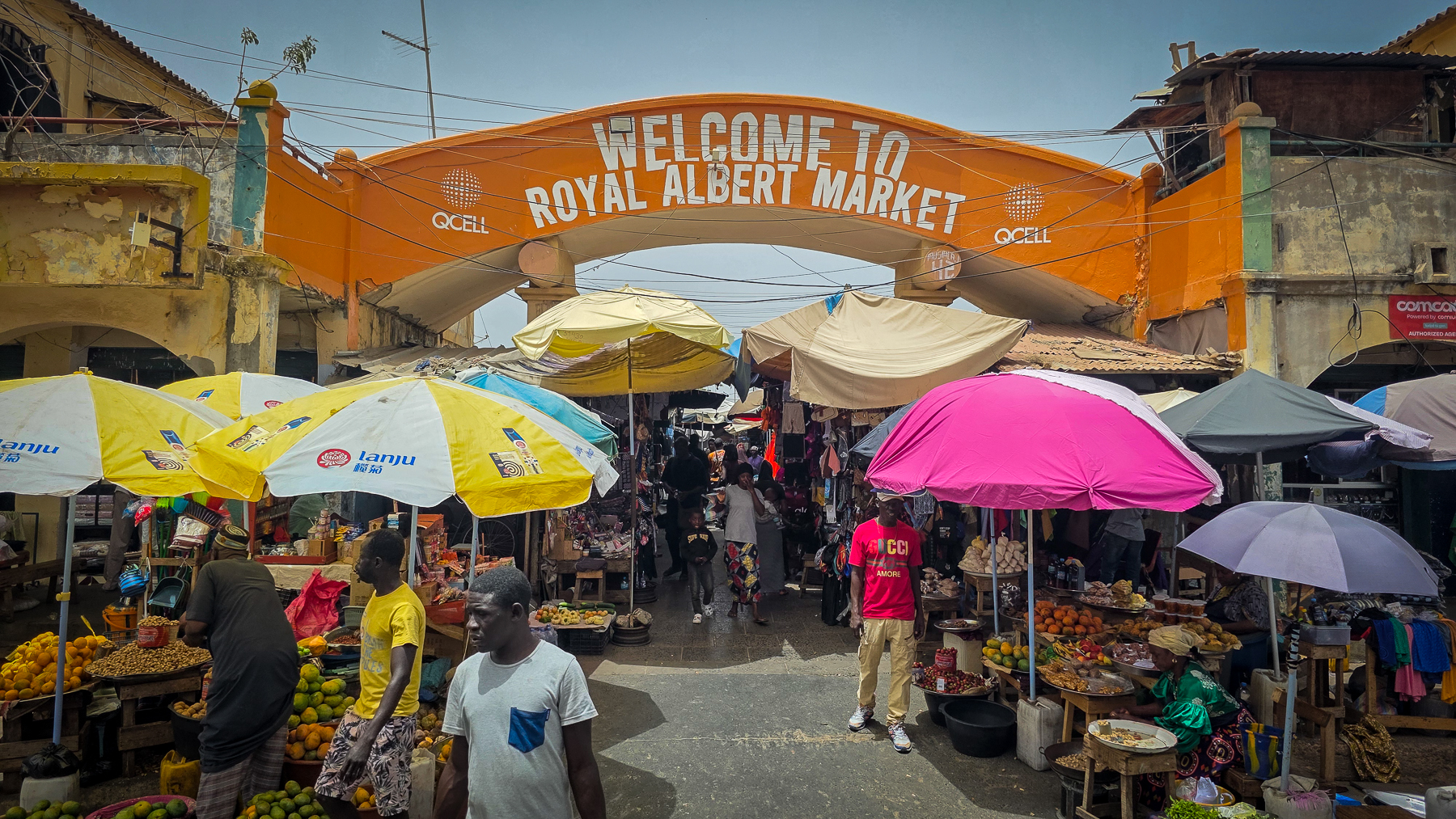
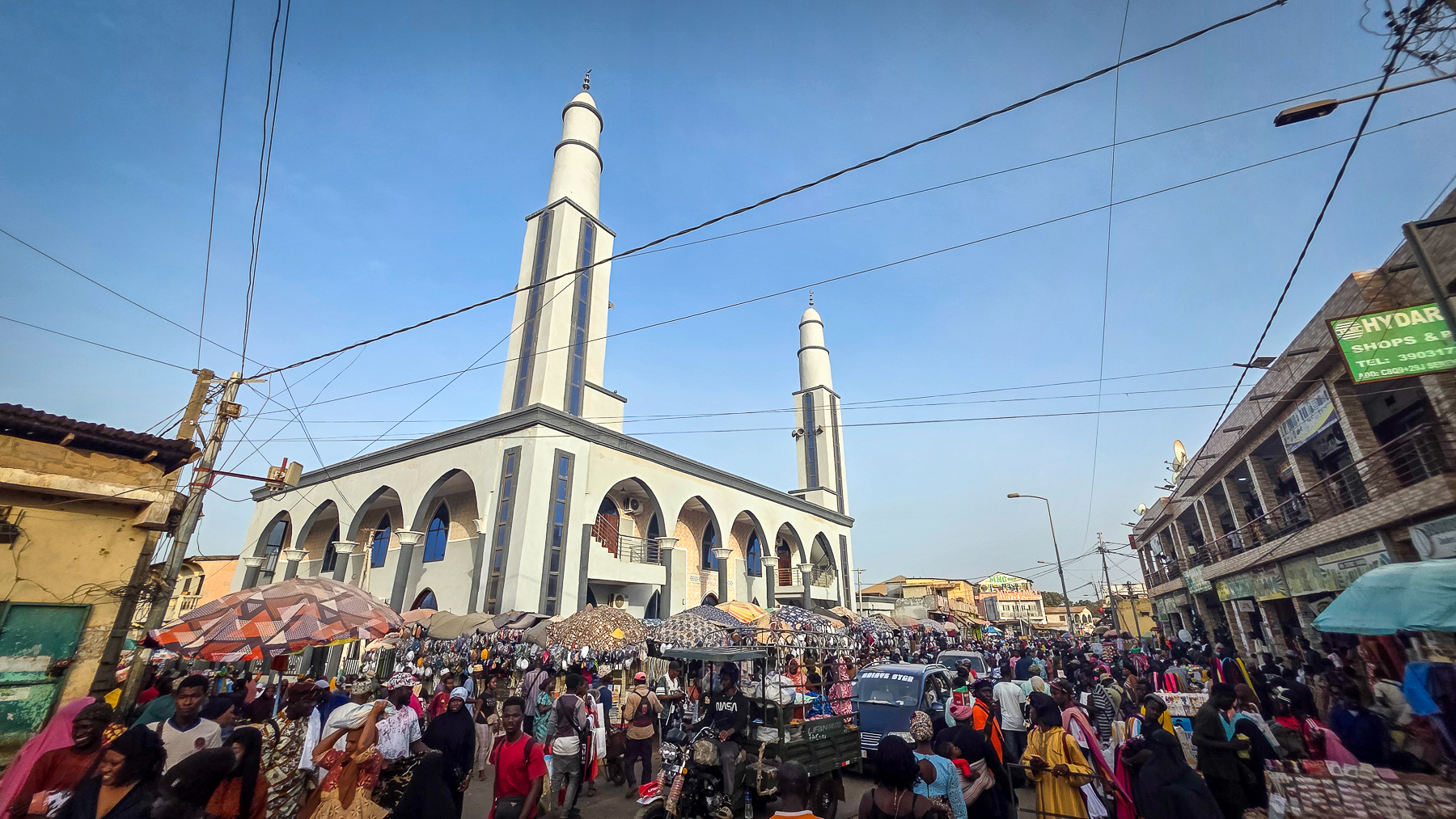
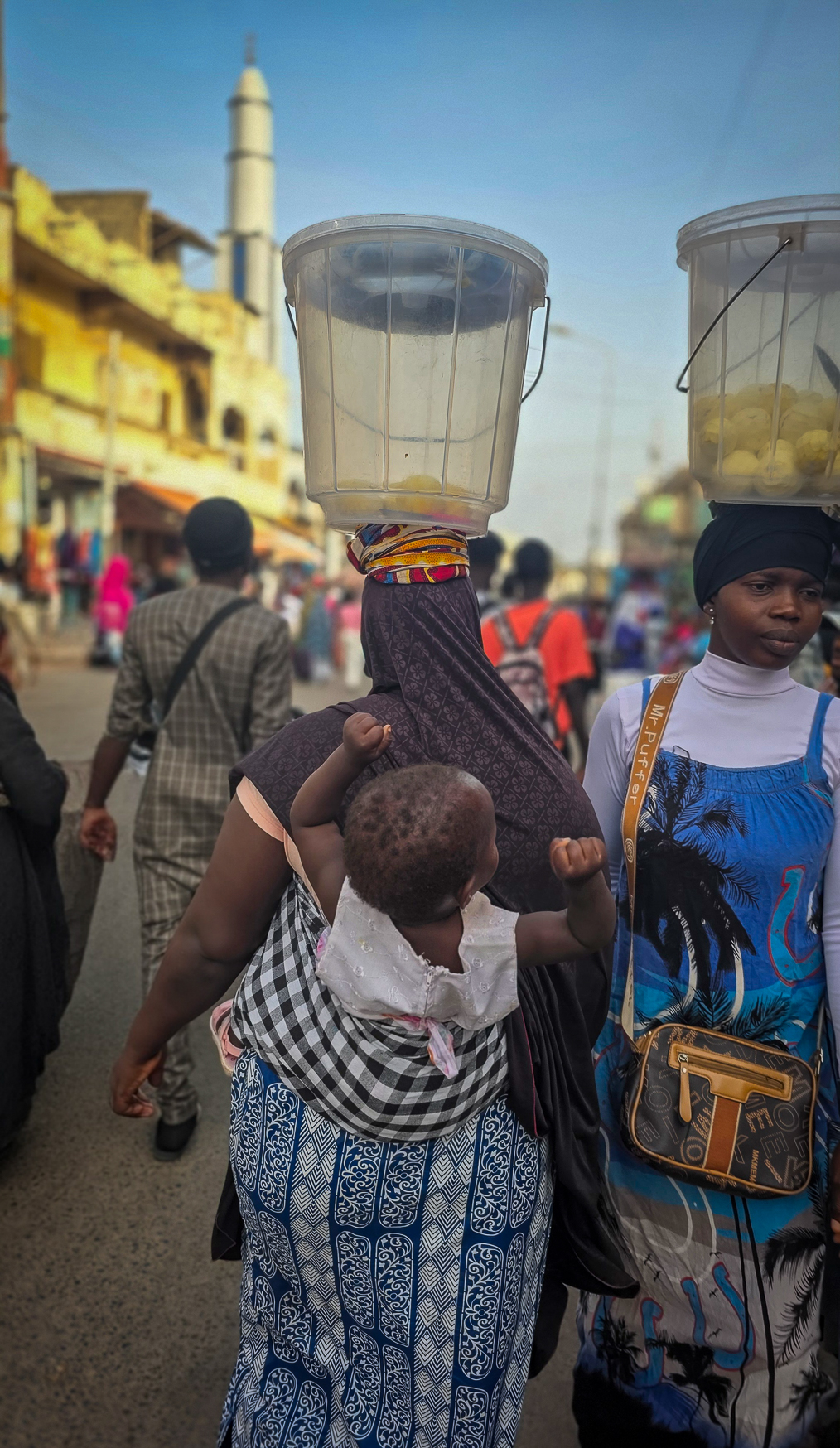
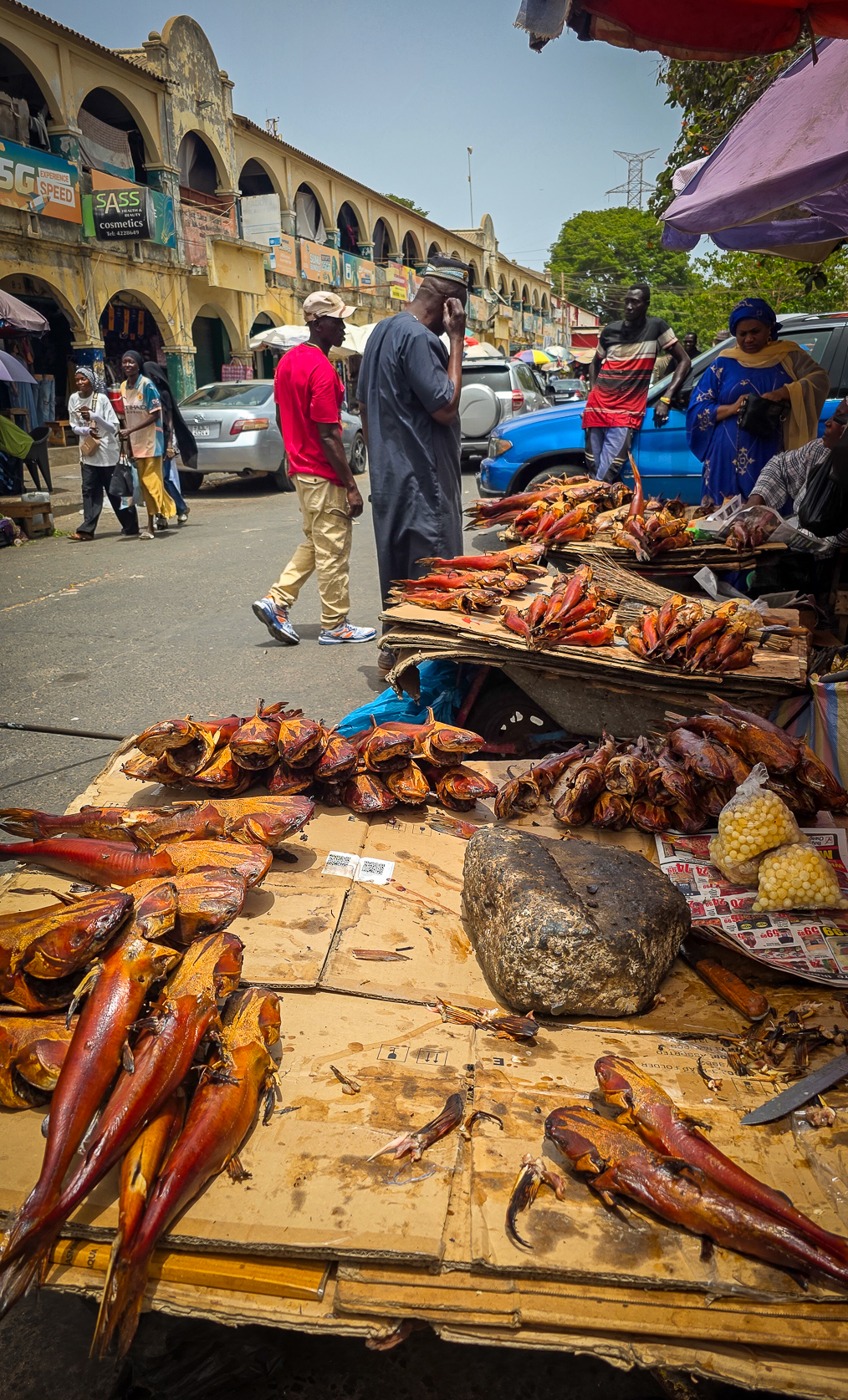
Away from the beach, we explored local markets, busy streets, and the surprisingly small capital city of Banjul. The markets were chaotic, colorful, noisy, and full of life. One moment you are fascinated by the endless variety of goods, the next you are keeping a close eye on your pockets (after someone tried to snatch my smartphone out of my pocket). Banjul itself felt almost sleepy compared to other African capitals we have visited, giving it a charm that is hard to describe but easy to appreciate.
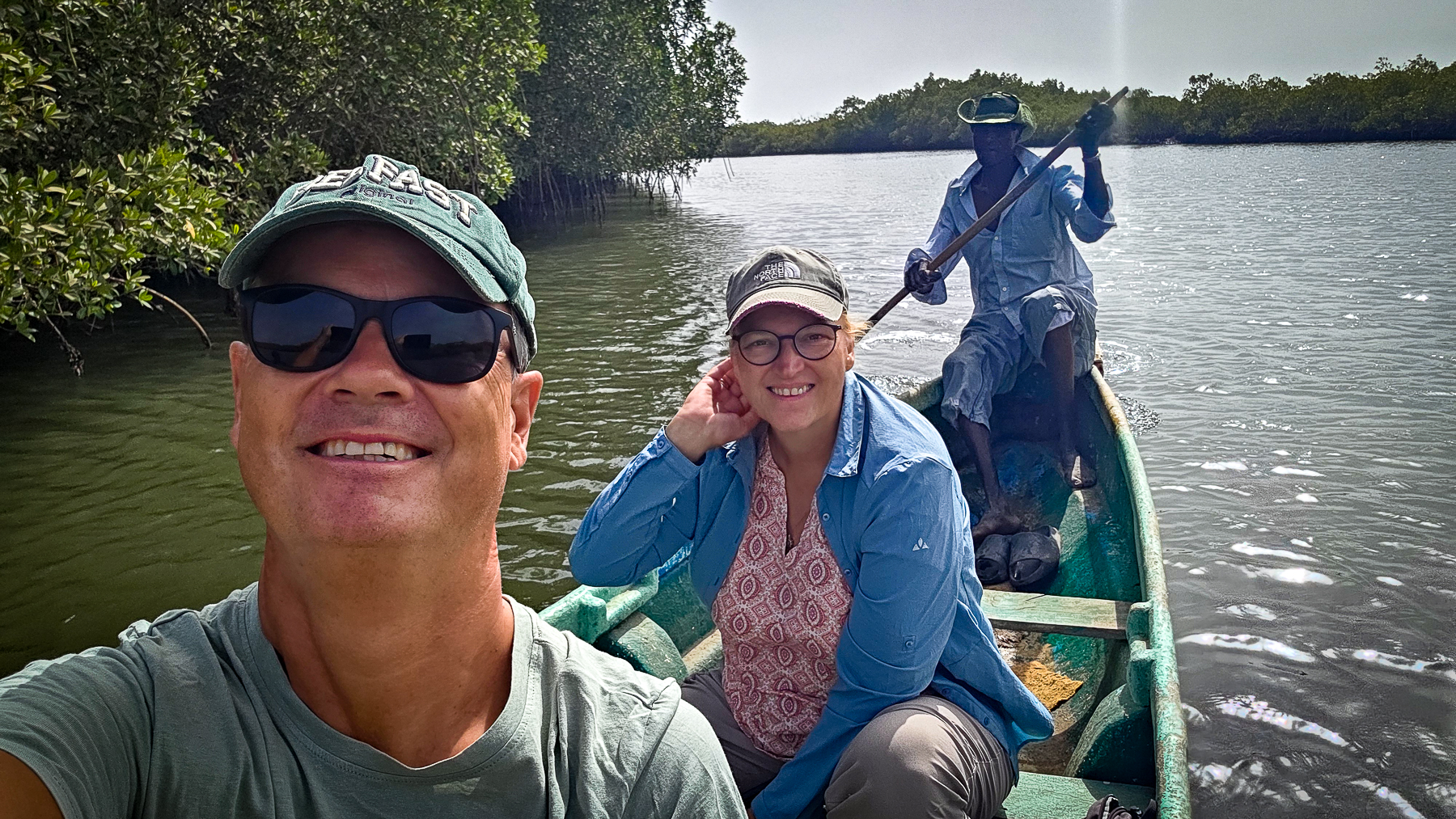
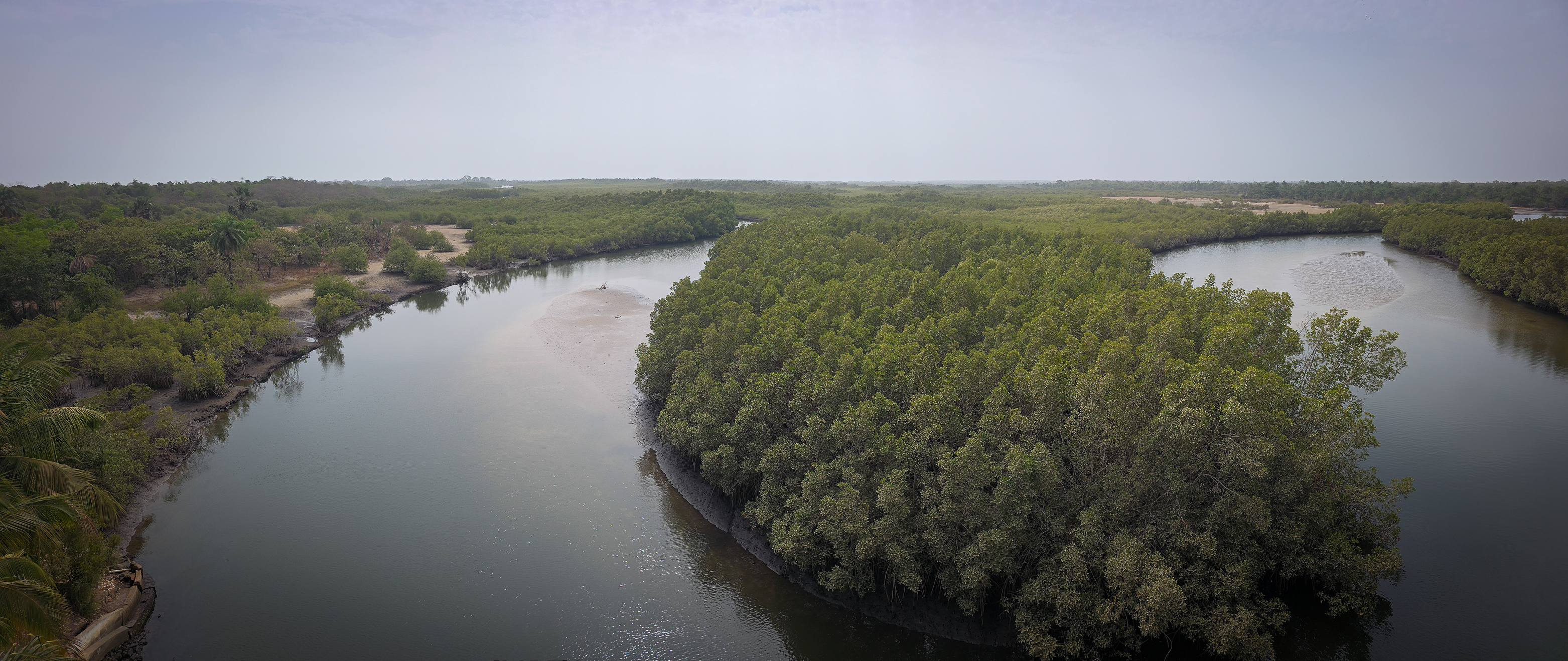
One of the highlights of our stay was a visit to the Makasutu Cultural Forest. Within a relatively small area, the landscape changes from mangroves to palm groves and open savannah. A quiet boat trip through the waterways brought us close to nature, while encounters with local traditions, palm wine tappers, musicians offered a glimpse into a cultural world that still feels very much alive. It was one of those places where nature and spirituality seem naturally connected.
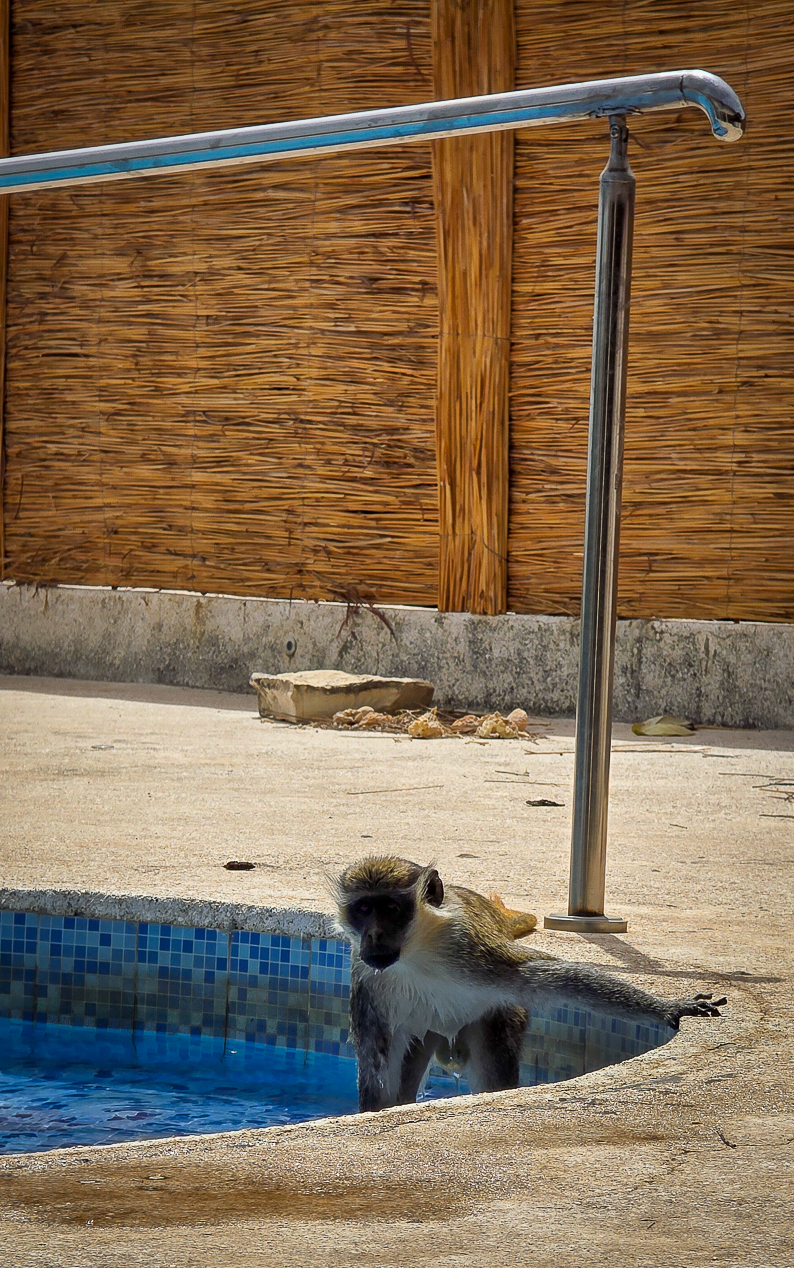
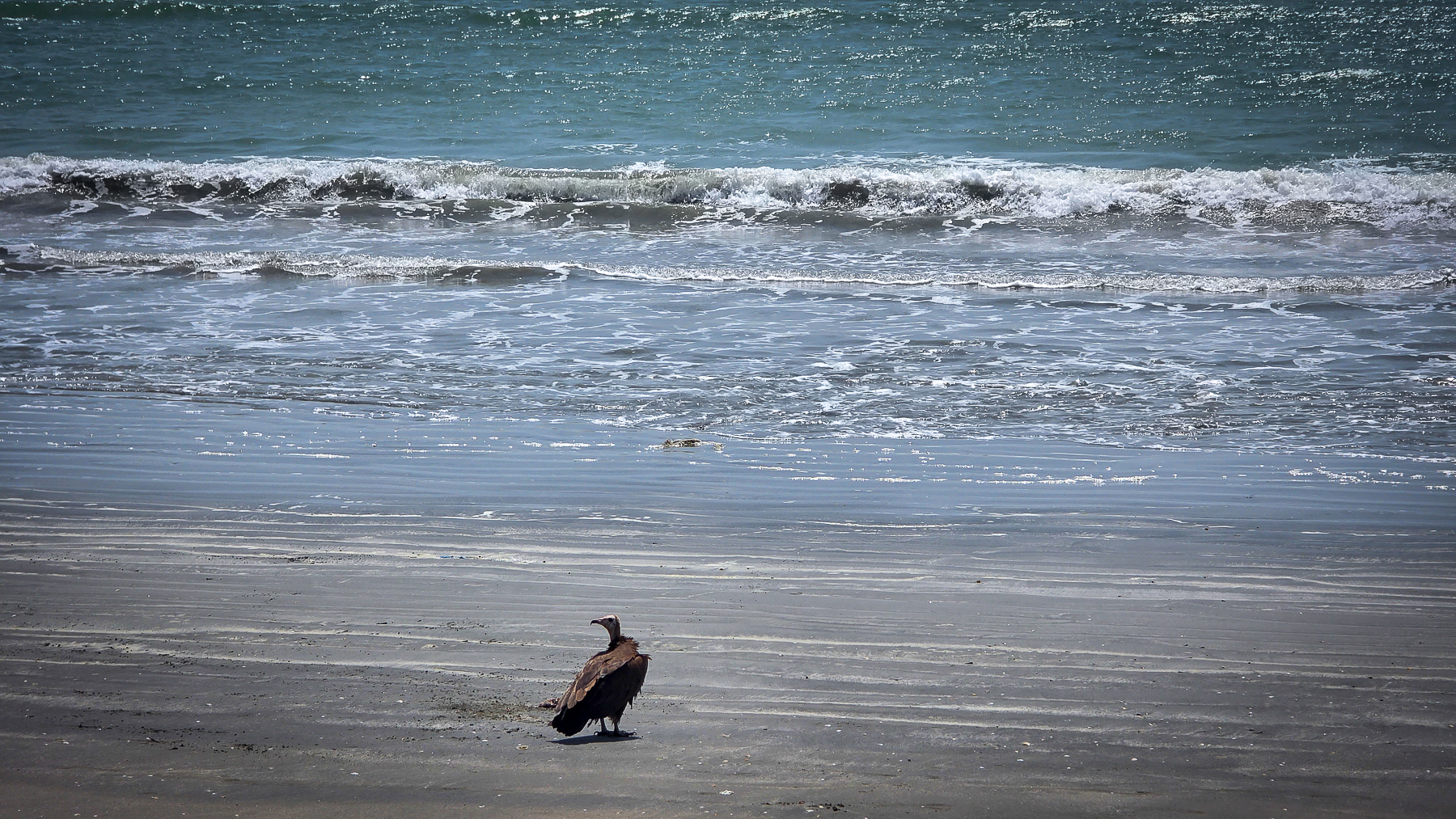
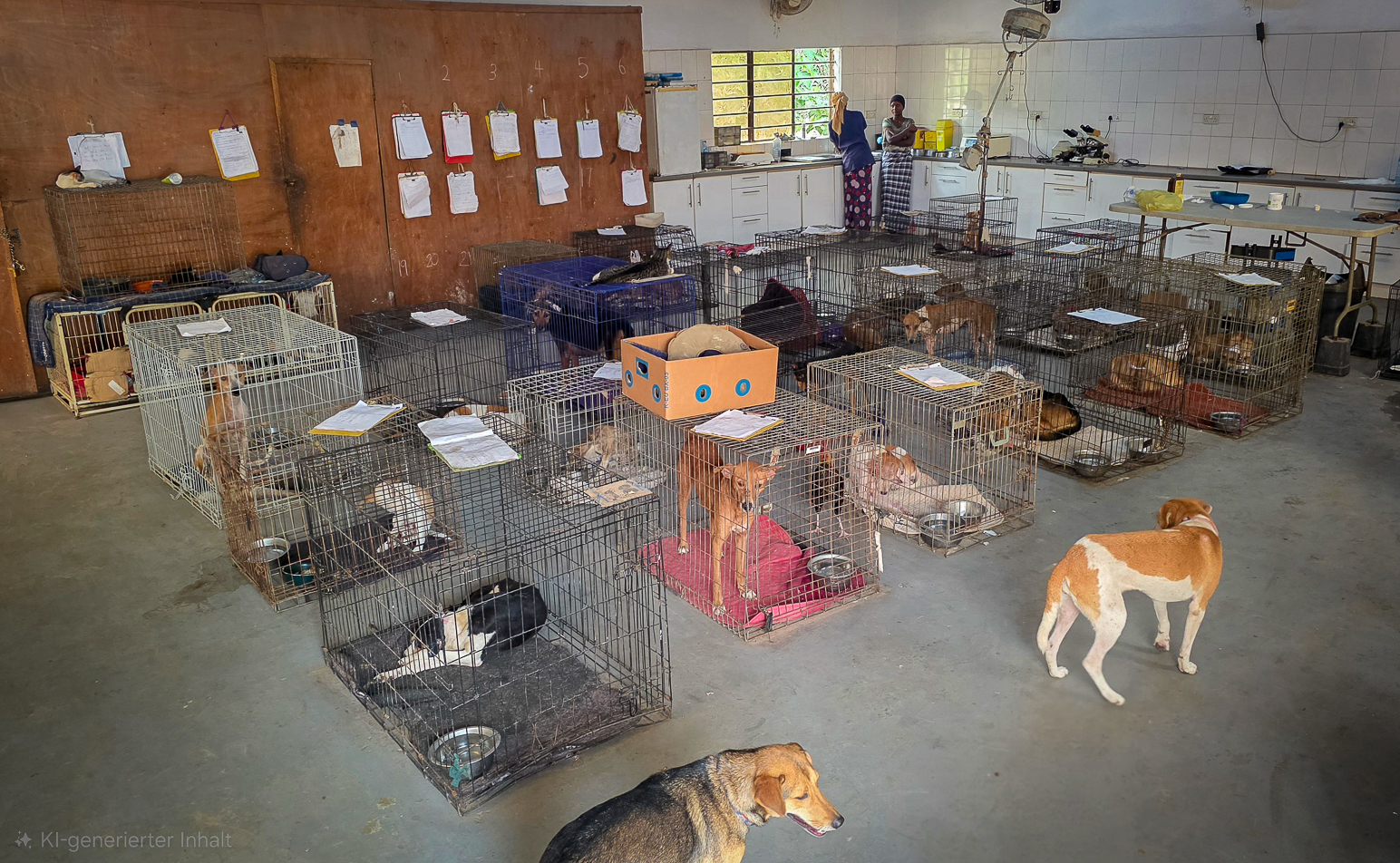
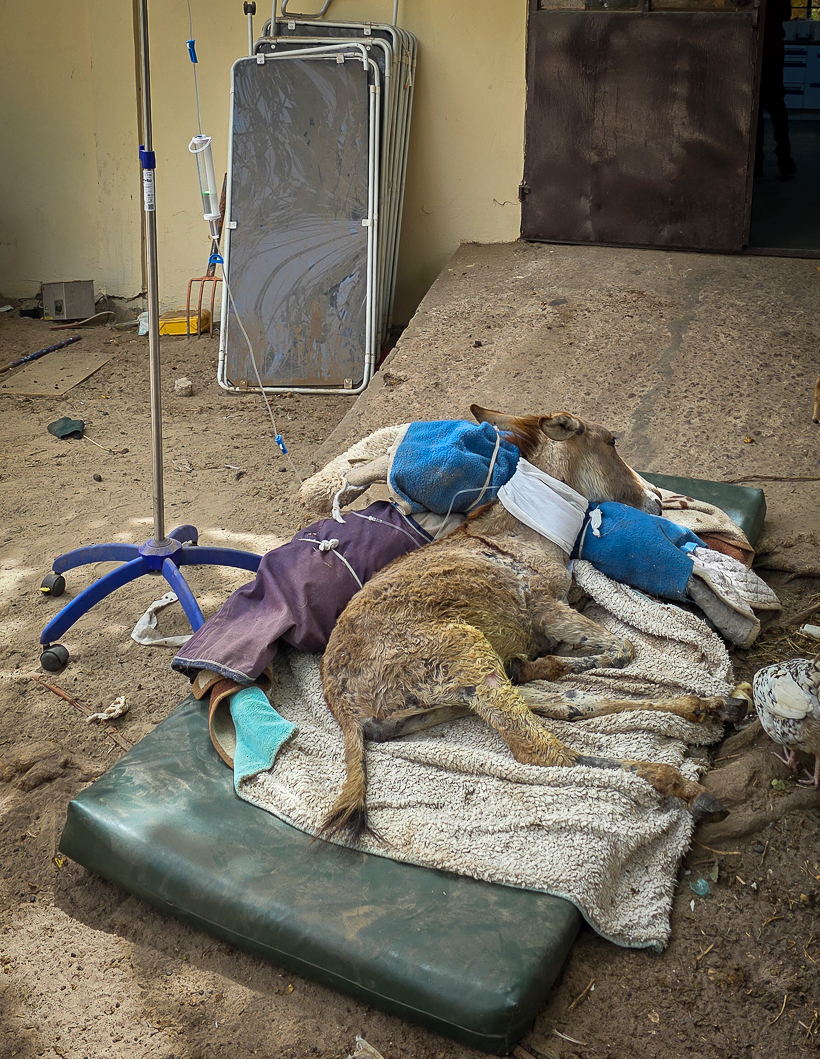
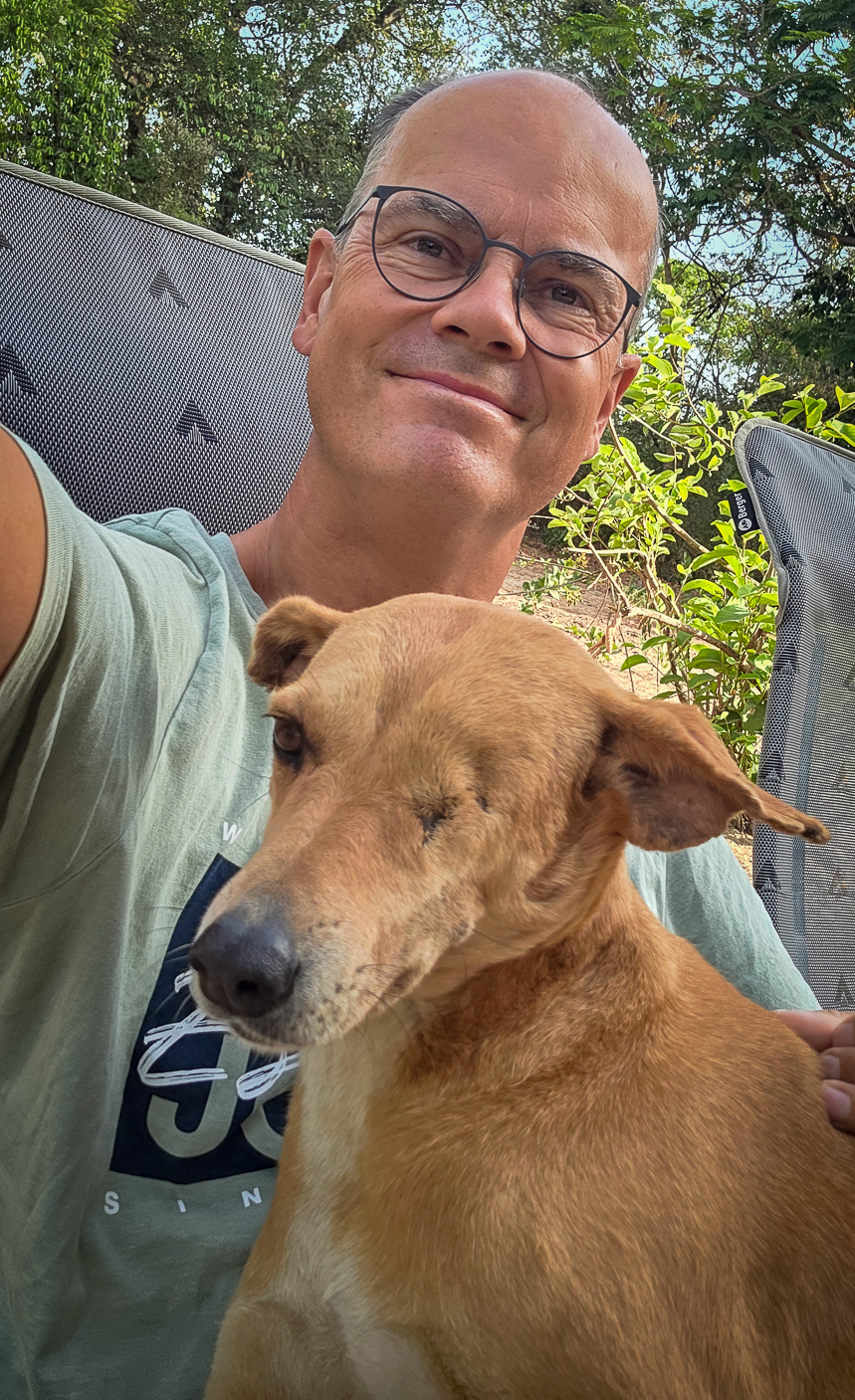
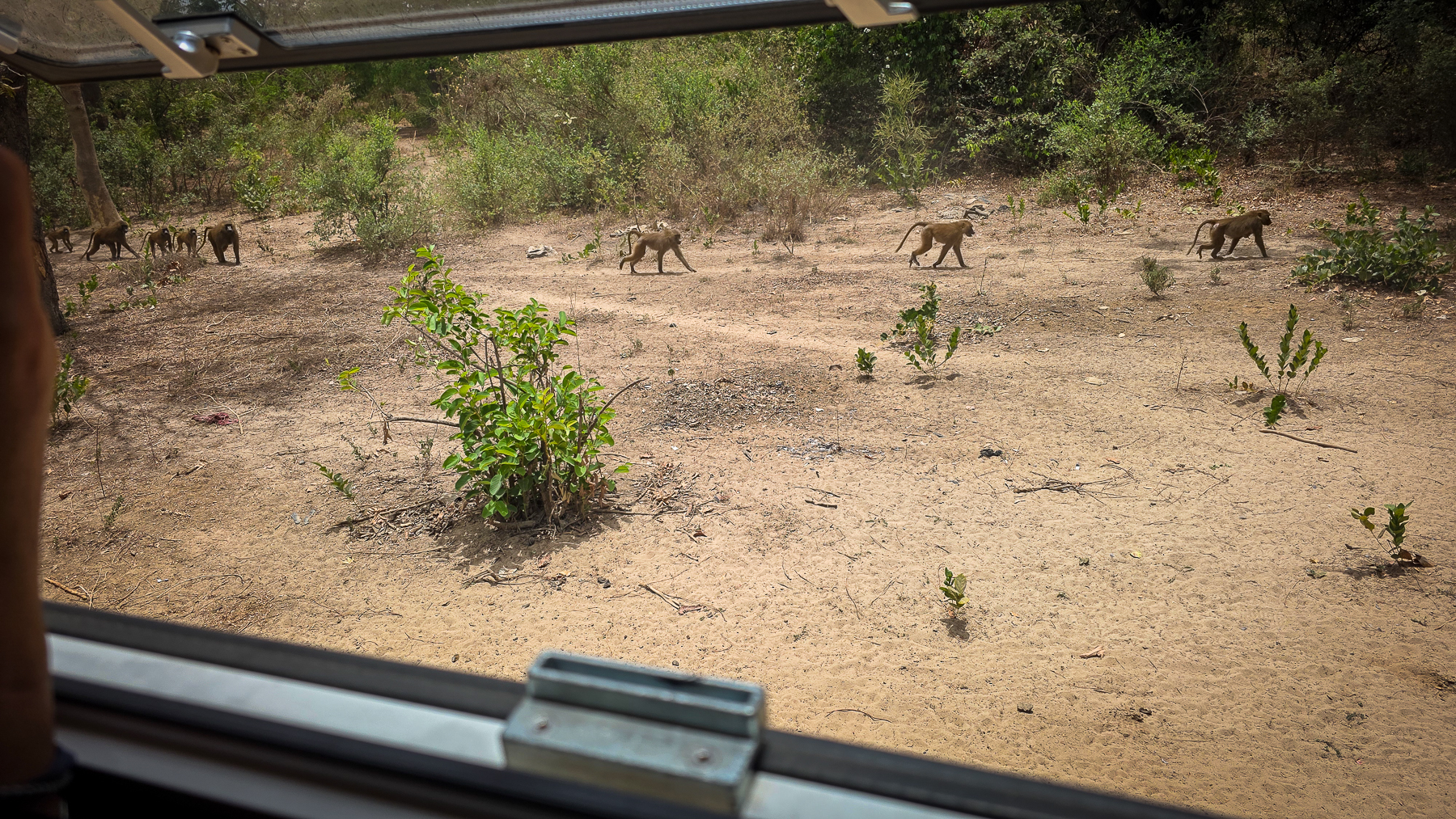
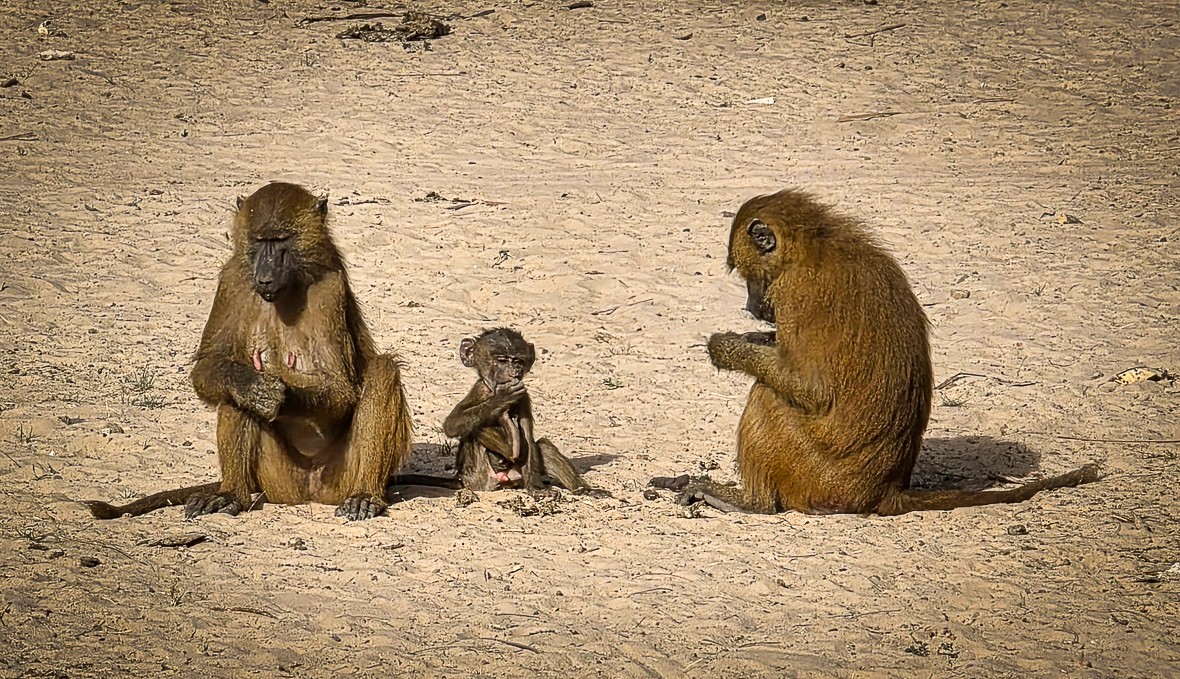
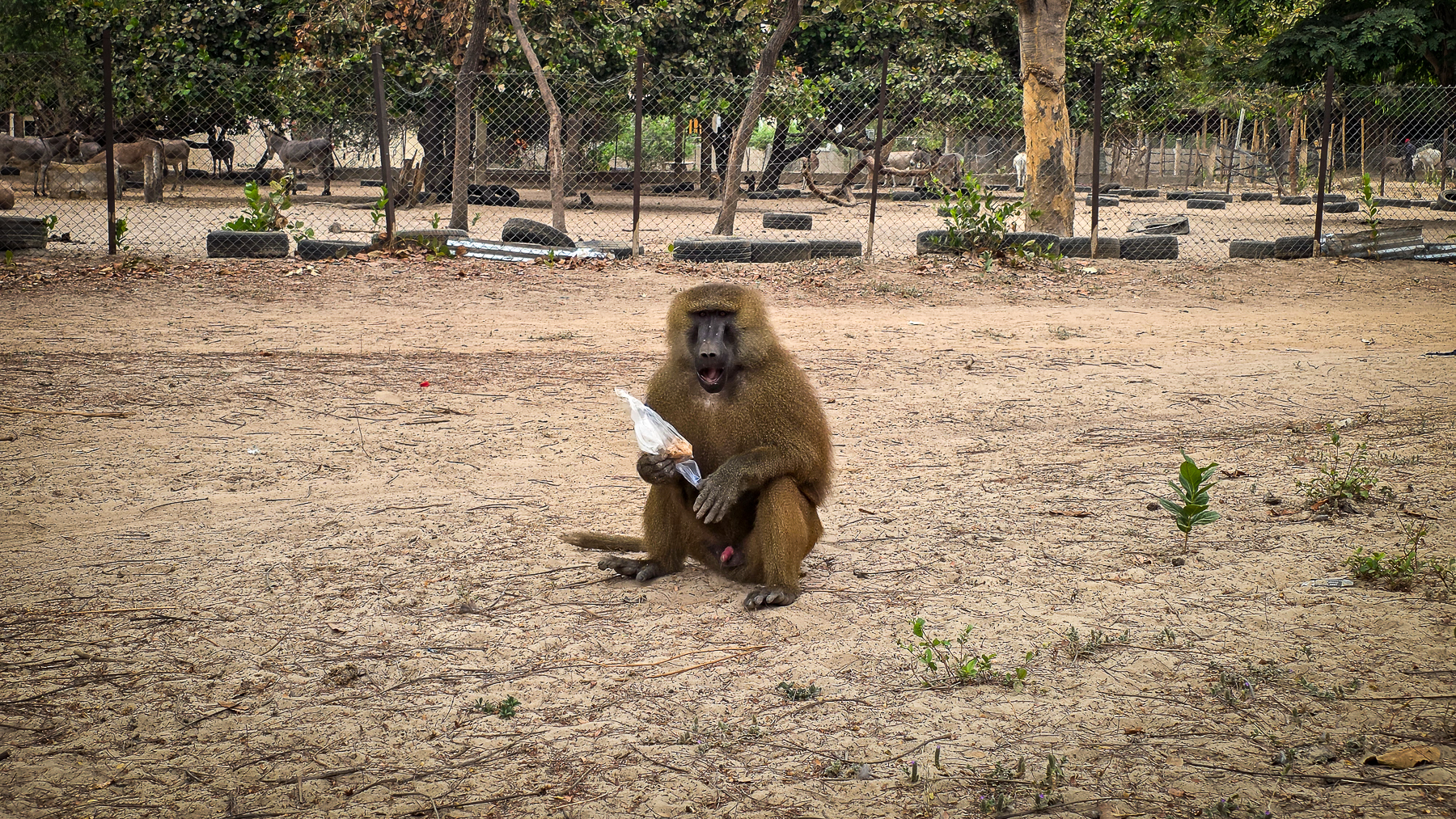
Our campsite near the forest came with an unexpected feature: hundreds of baboons. Every evening they marched through the area like a noisy army, climbing over vehicles, stealing food whenever possible, and generally reminding everyone who was really in charge. One morning a baboon casually grabbed our biscuits directly from the breakfast table. Combined with our visit to a local ‚horse, donkey, and dog sanctuary‘, these days provided some of the most memorable animal encounters of our time in The Gambia.
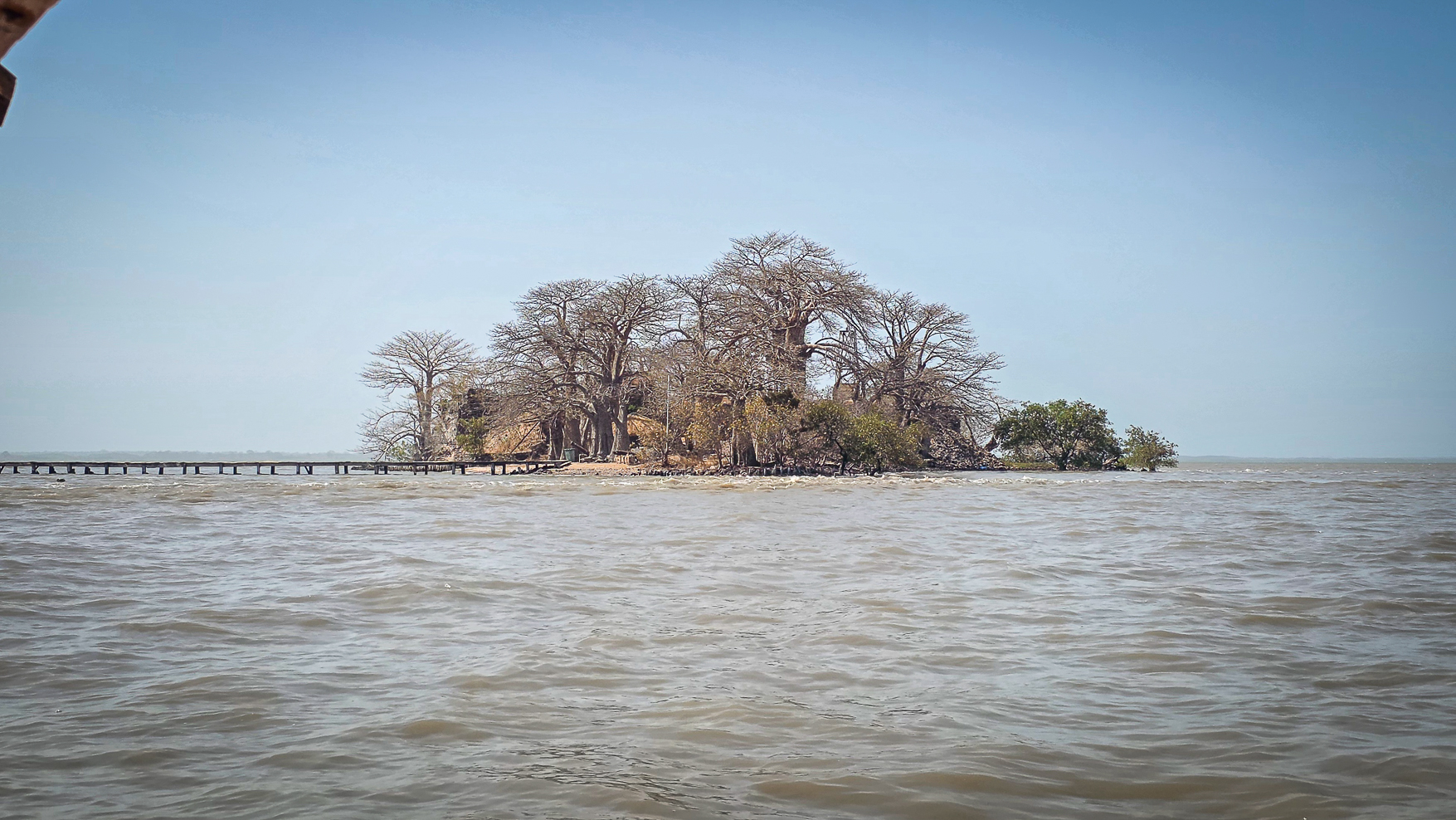
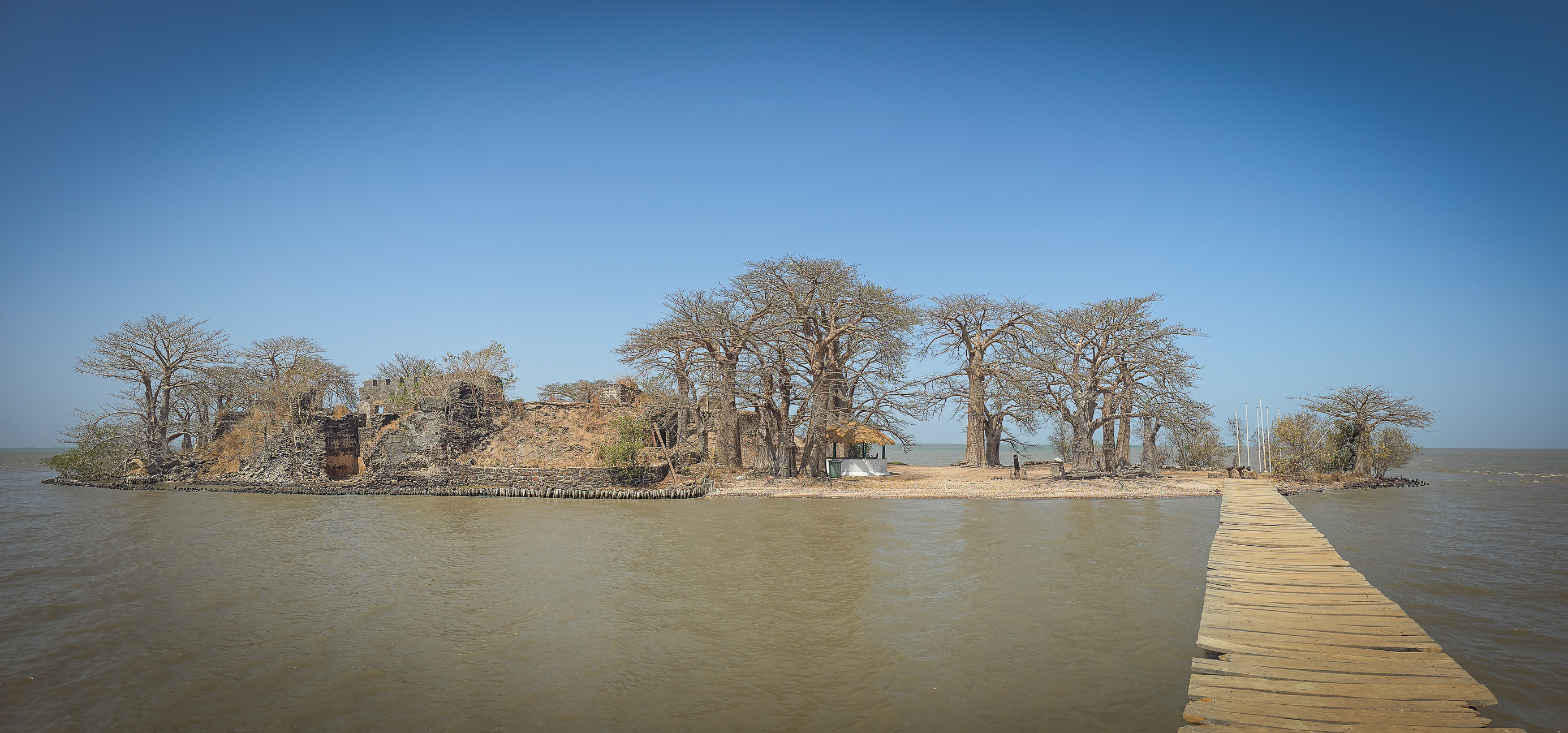
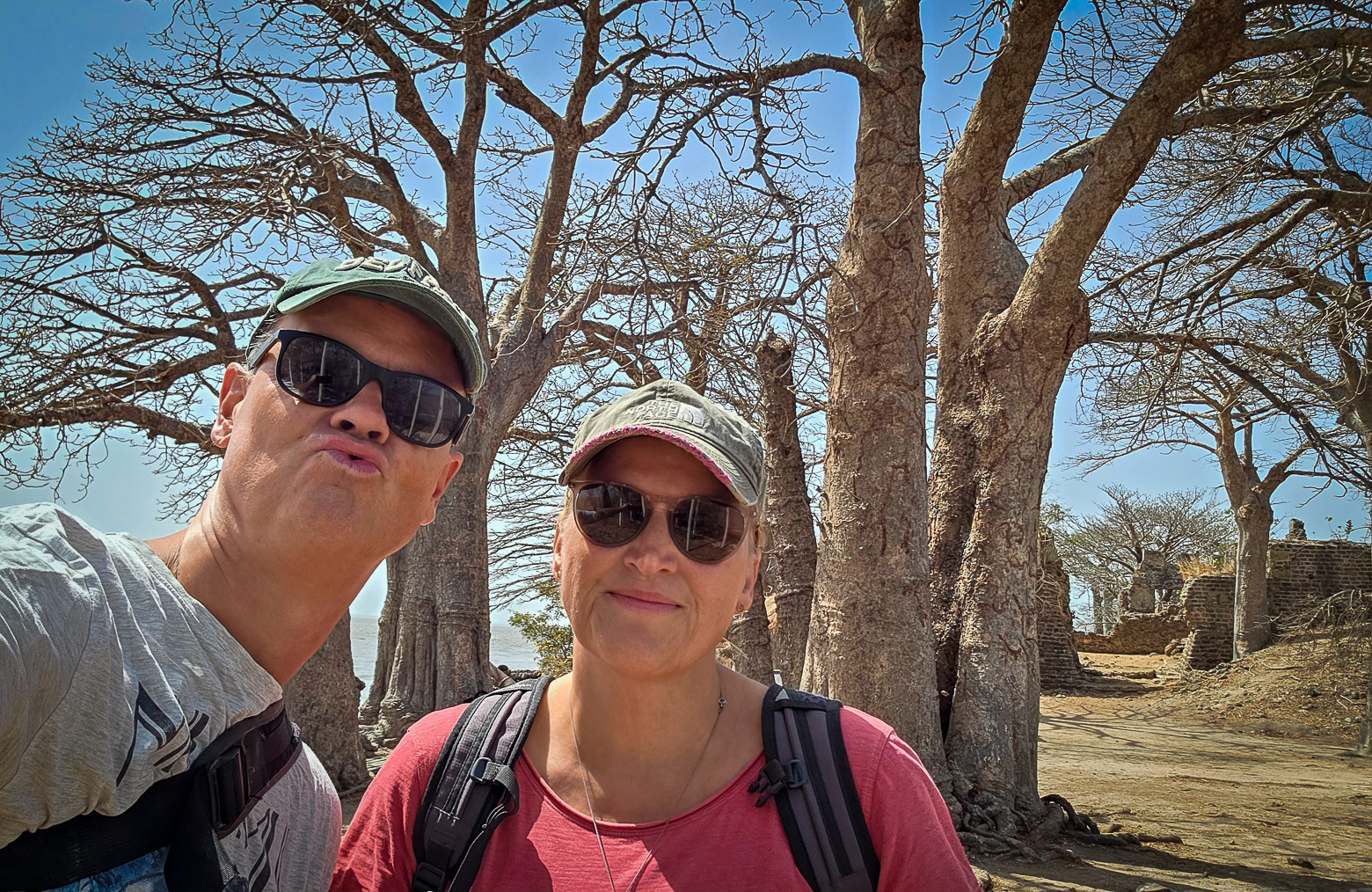
No visit to The Gambia would feel complete without learning about the country’s role in the transatlantic slave trade. Our trip to ‚Kunta Kinteh Island‘ took us across the Gambia River and into a chapter of history that is both fascinating and deeply unsettling. Standing at a place that witnessed so much human suffering creates a very different connection to the past than reading about it in a book. It is one of those experiences that stays with you long after the journey continues.
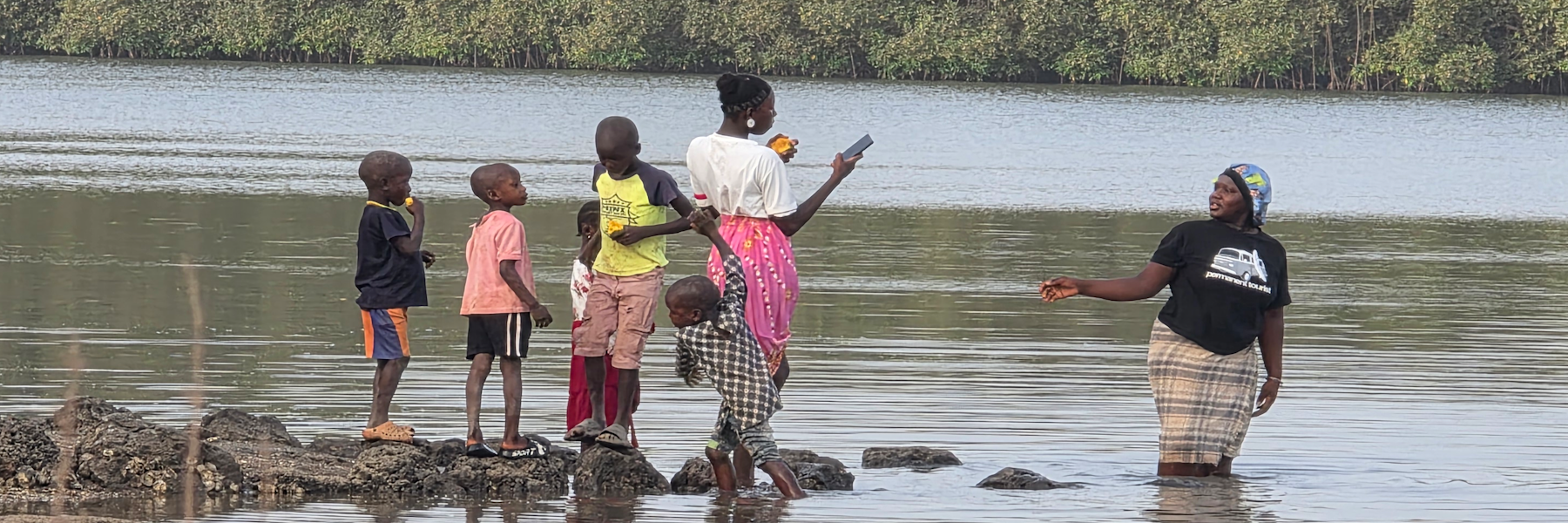
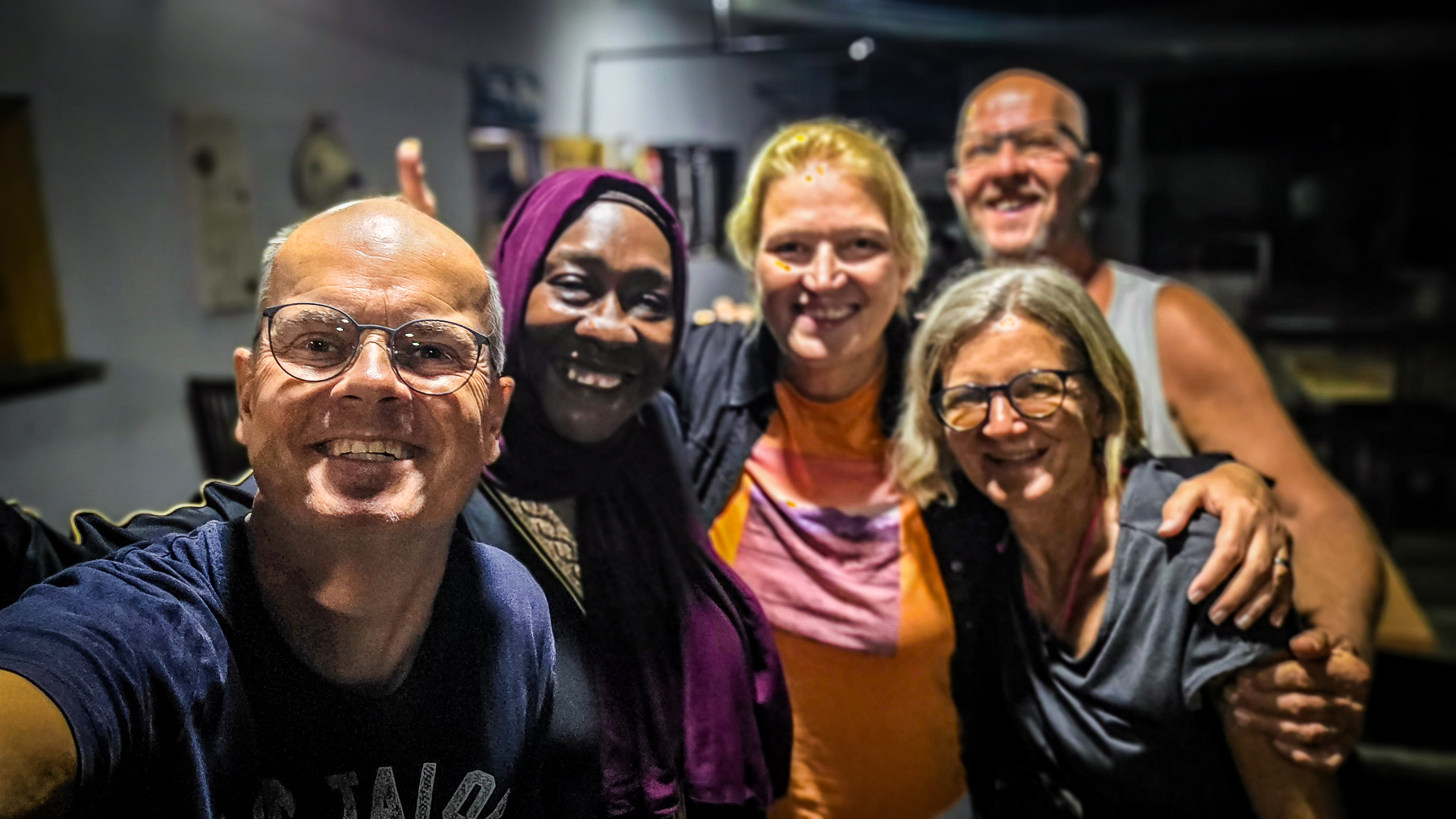
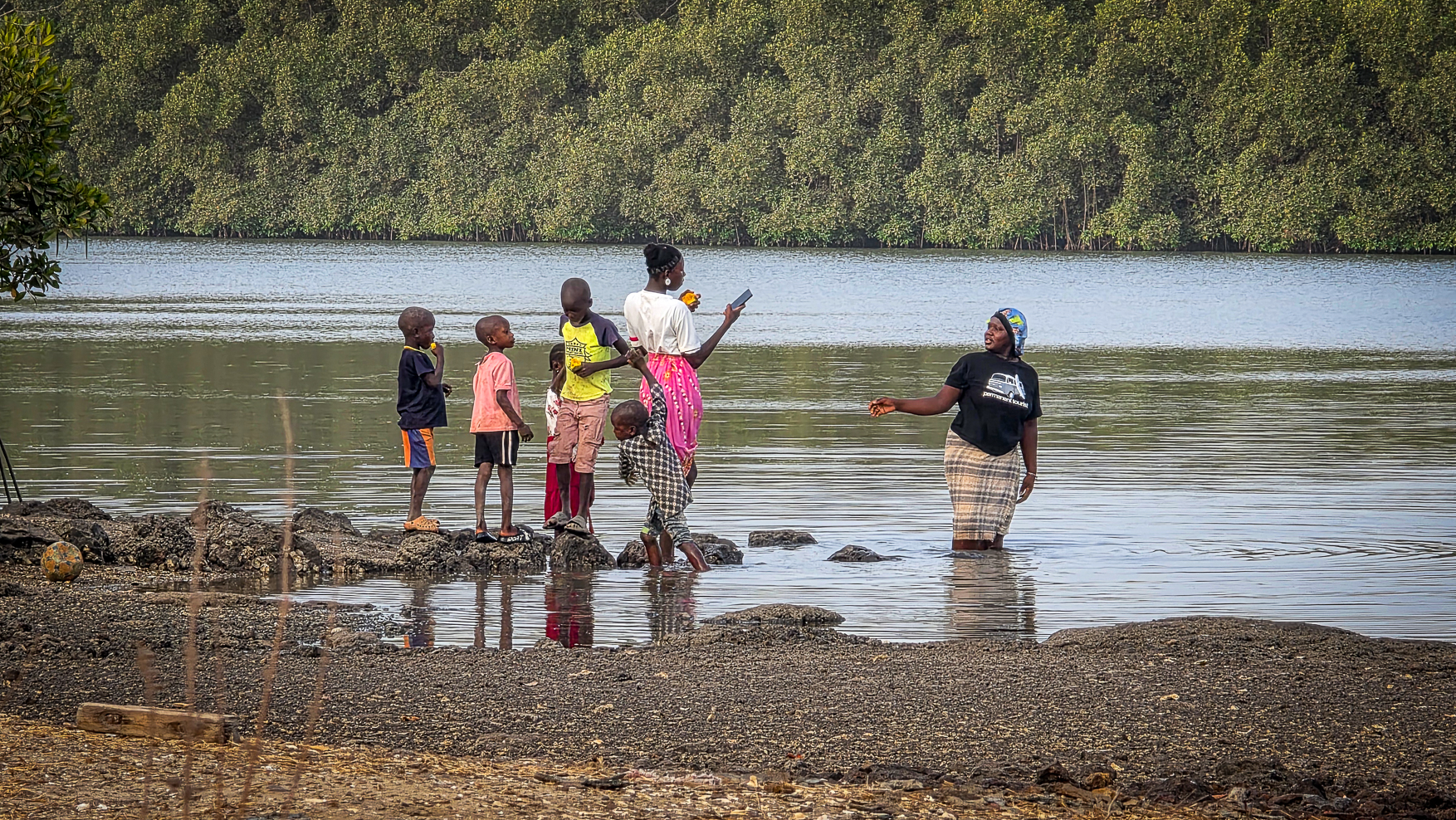
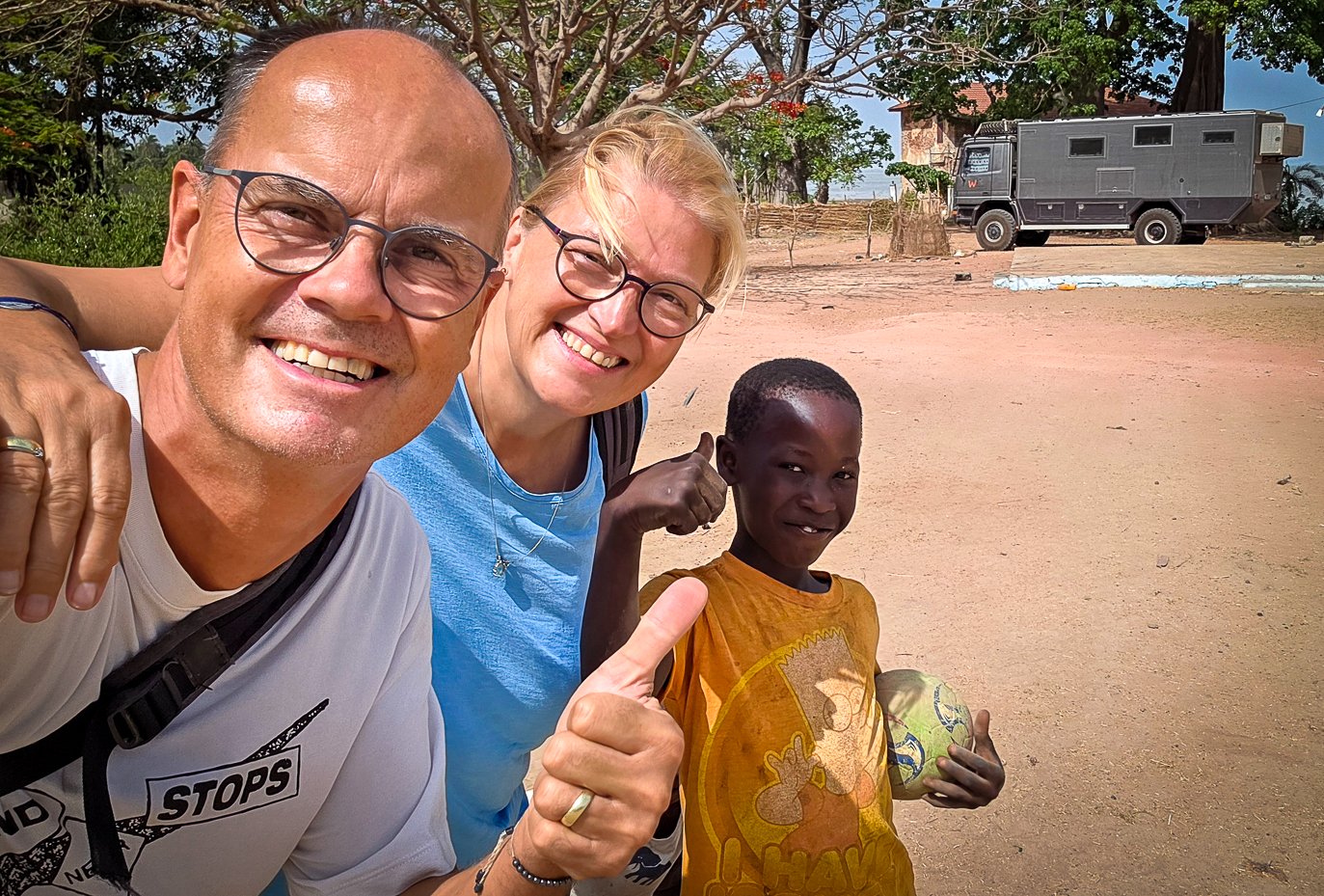
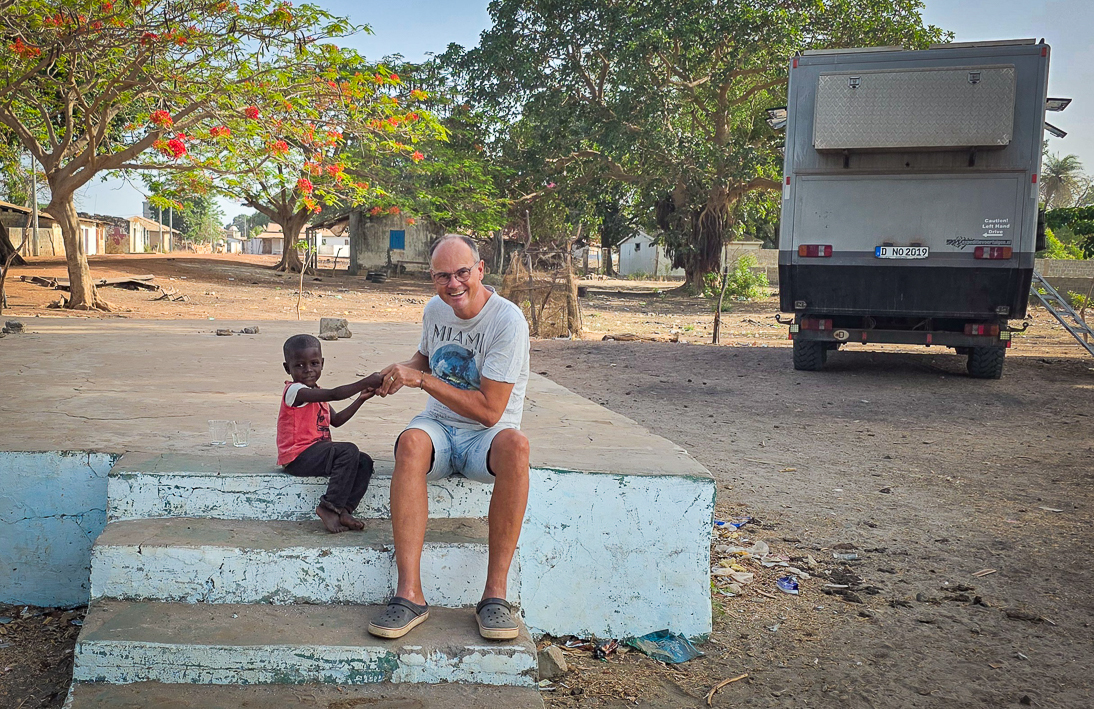
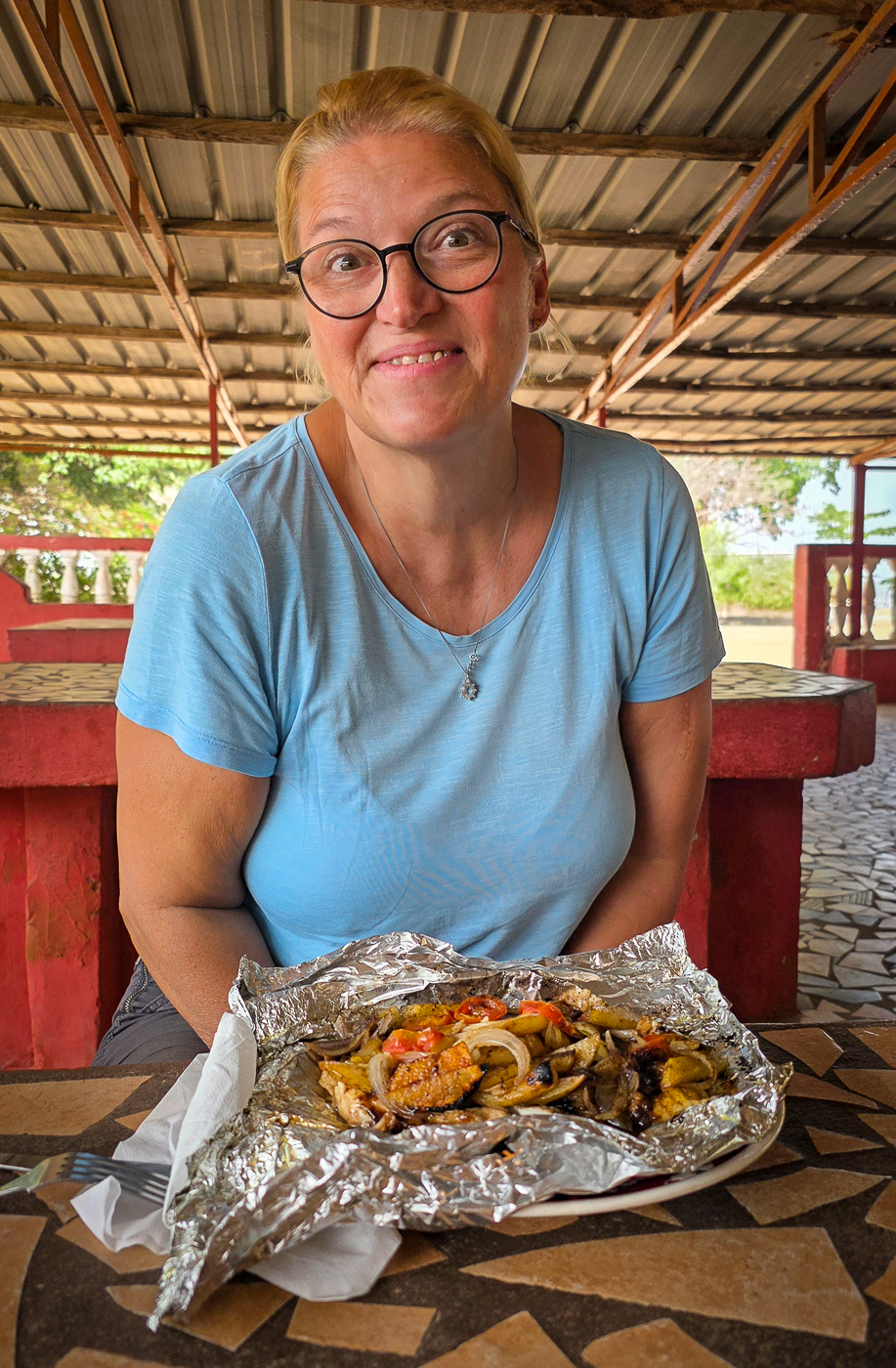
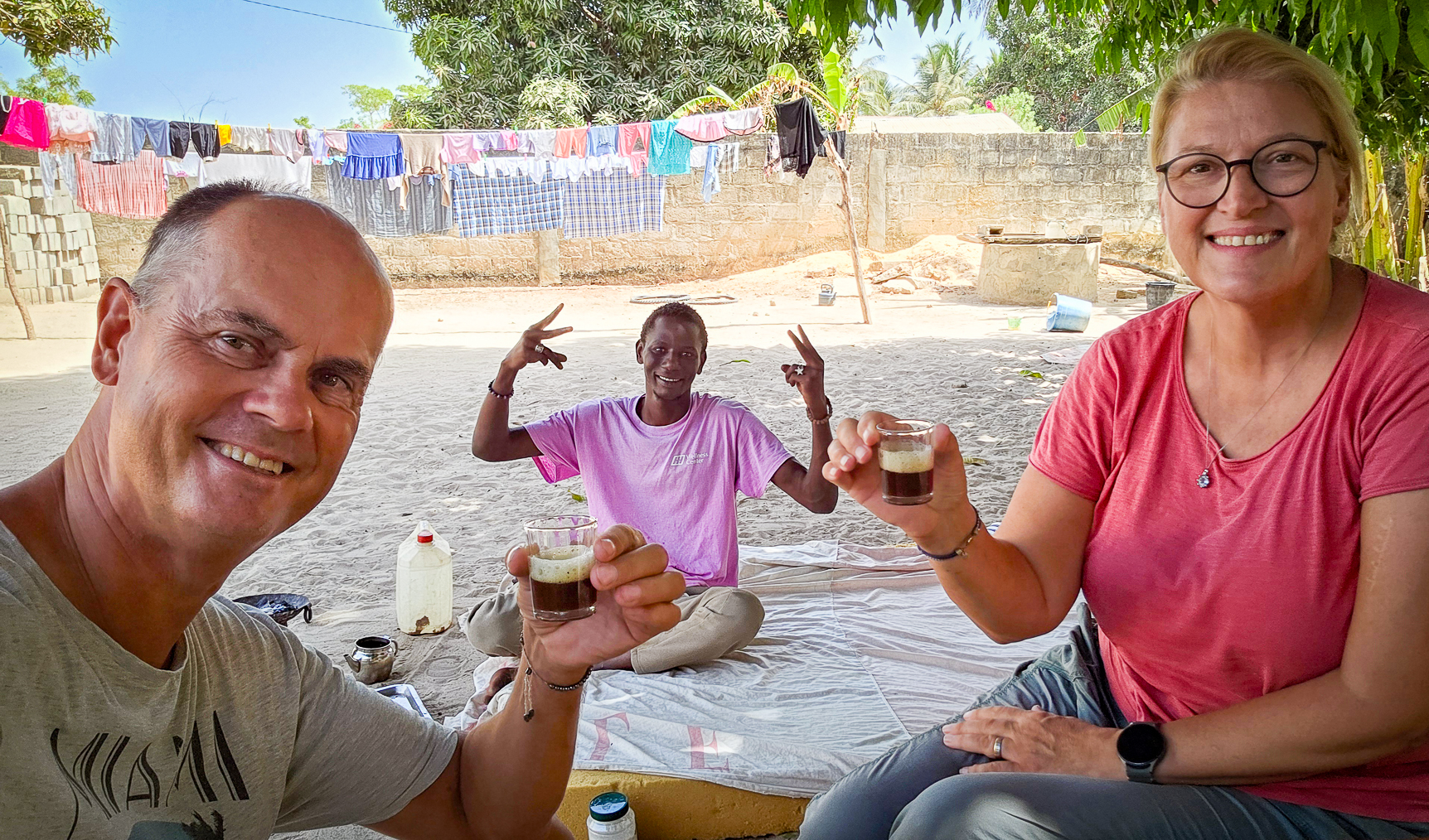
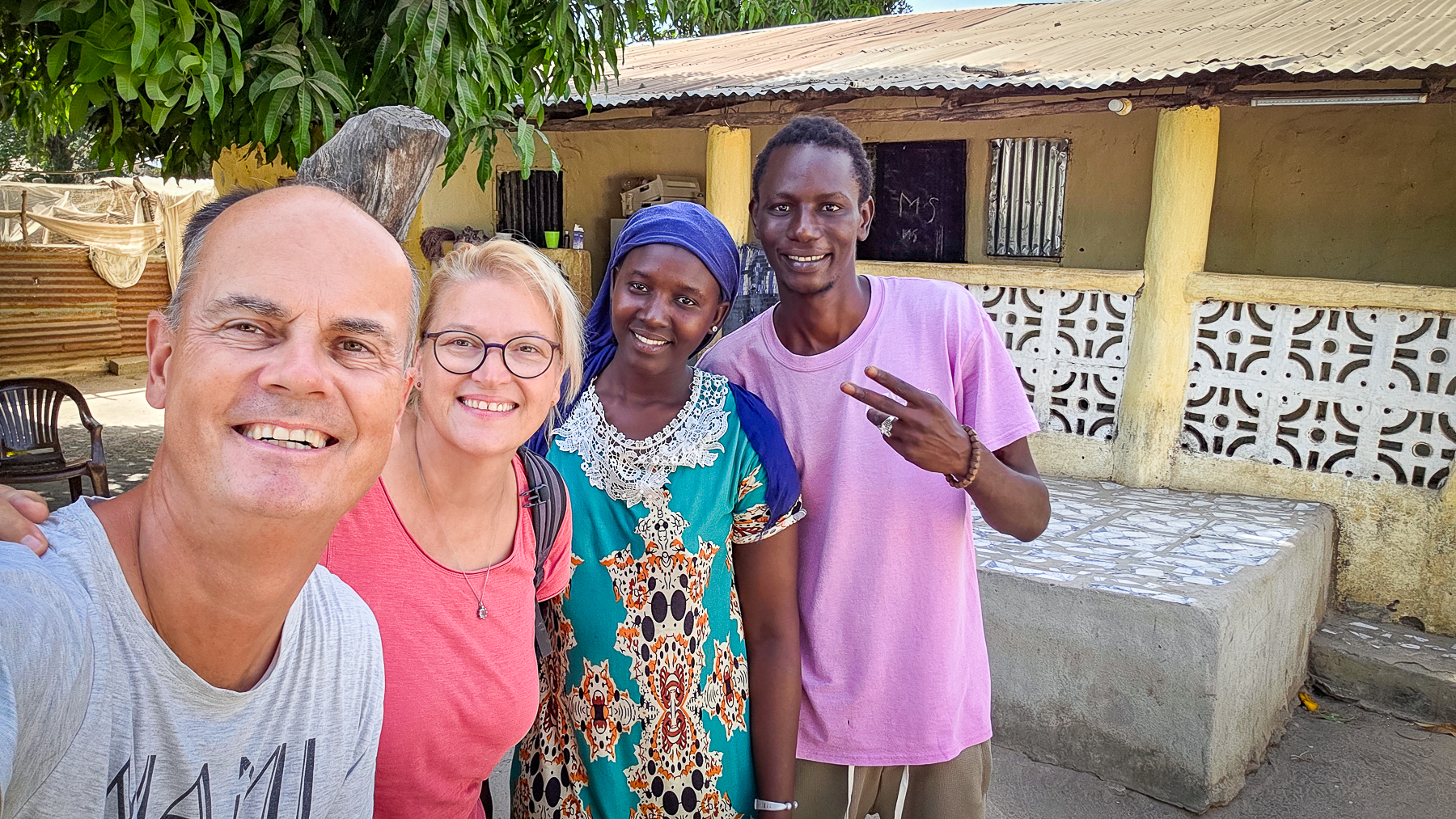
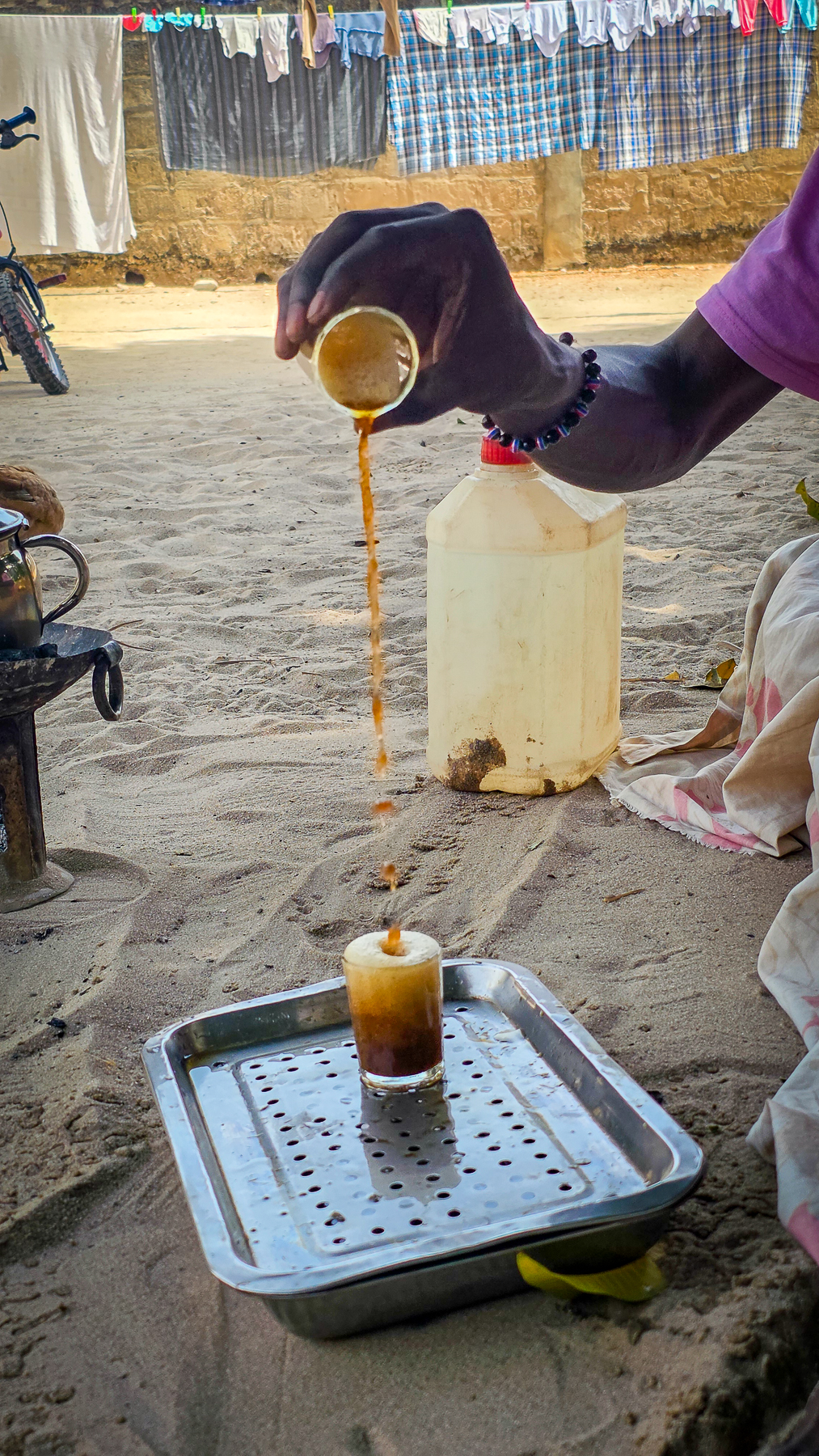
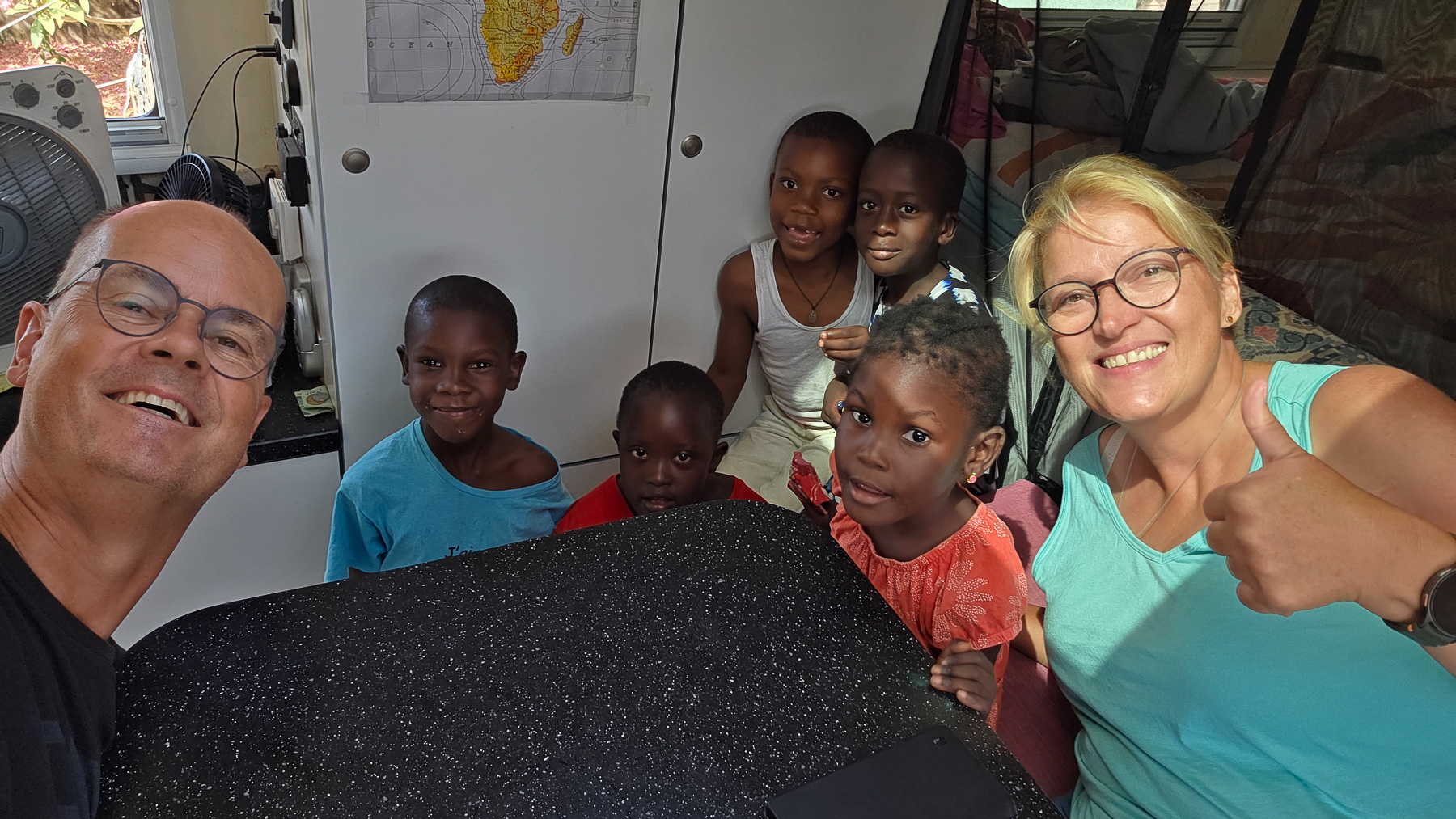
What we will remember most are the people. Children seemed to be everywhere, often moving around independently in small groups, curious about the strange overlanders passing through their villages. We spent afternoons drinking tea beneath mango trees, talking with local families, playing with children, and learning more about everyday life. The country is full of contradictions: incredible hospitality alongside widespread poverty, strong community ties alongside limited opportunities. Traveling through The Gambia taught us once again that not every problem can be solved, not every idea can be implemented, and not every contradiction can be explained. Sometimes the most valuable lesson is simply learning to accept things as they are and still appreciating the people you meet along the way.
Best wishes from
Heike & Carsten
To see full-size pictures and comments please
KLICK!
on the thumbnails!
At my 'Overlander Base' you find the sources (great weblinks) that I actually use on the road — try them yourself.
Hello all!
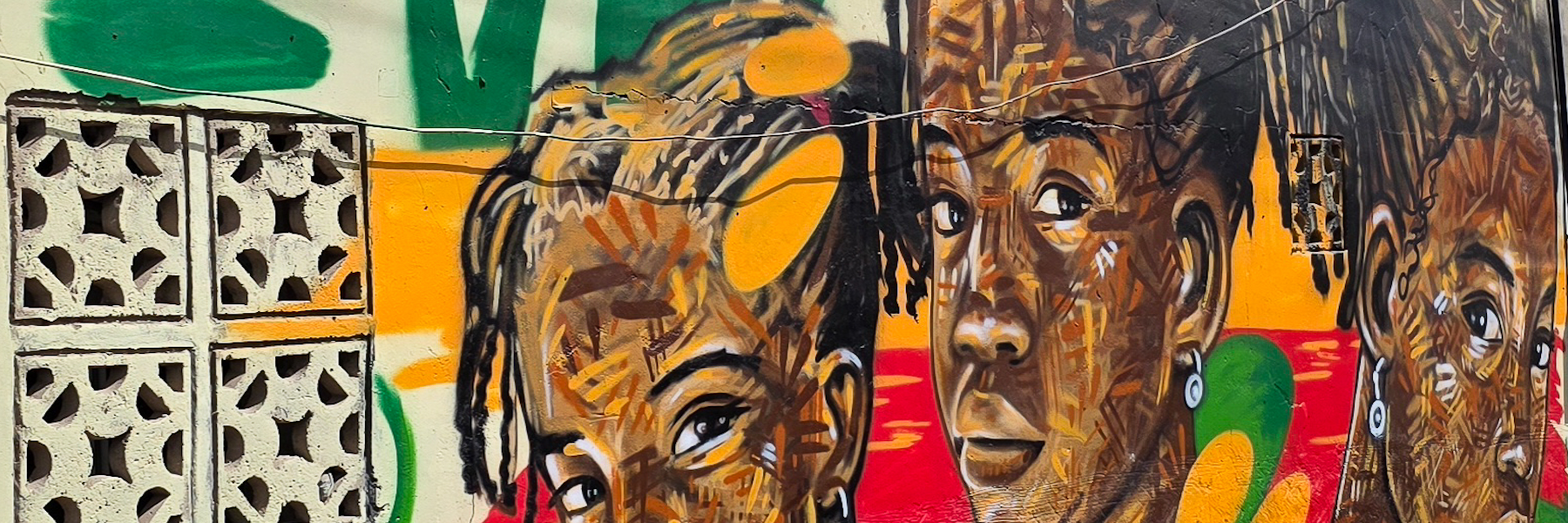
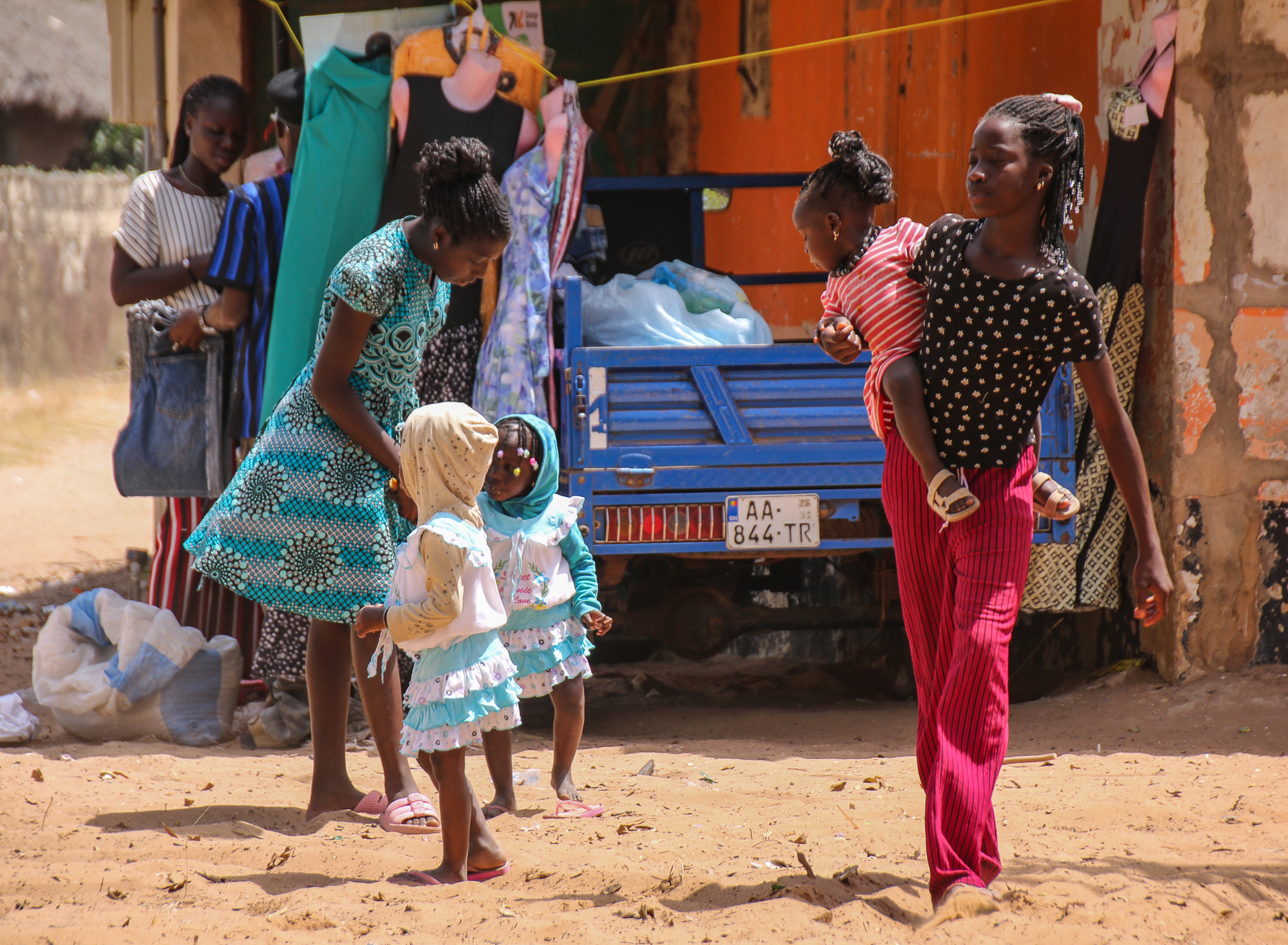
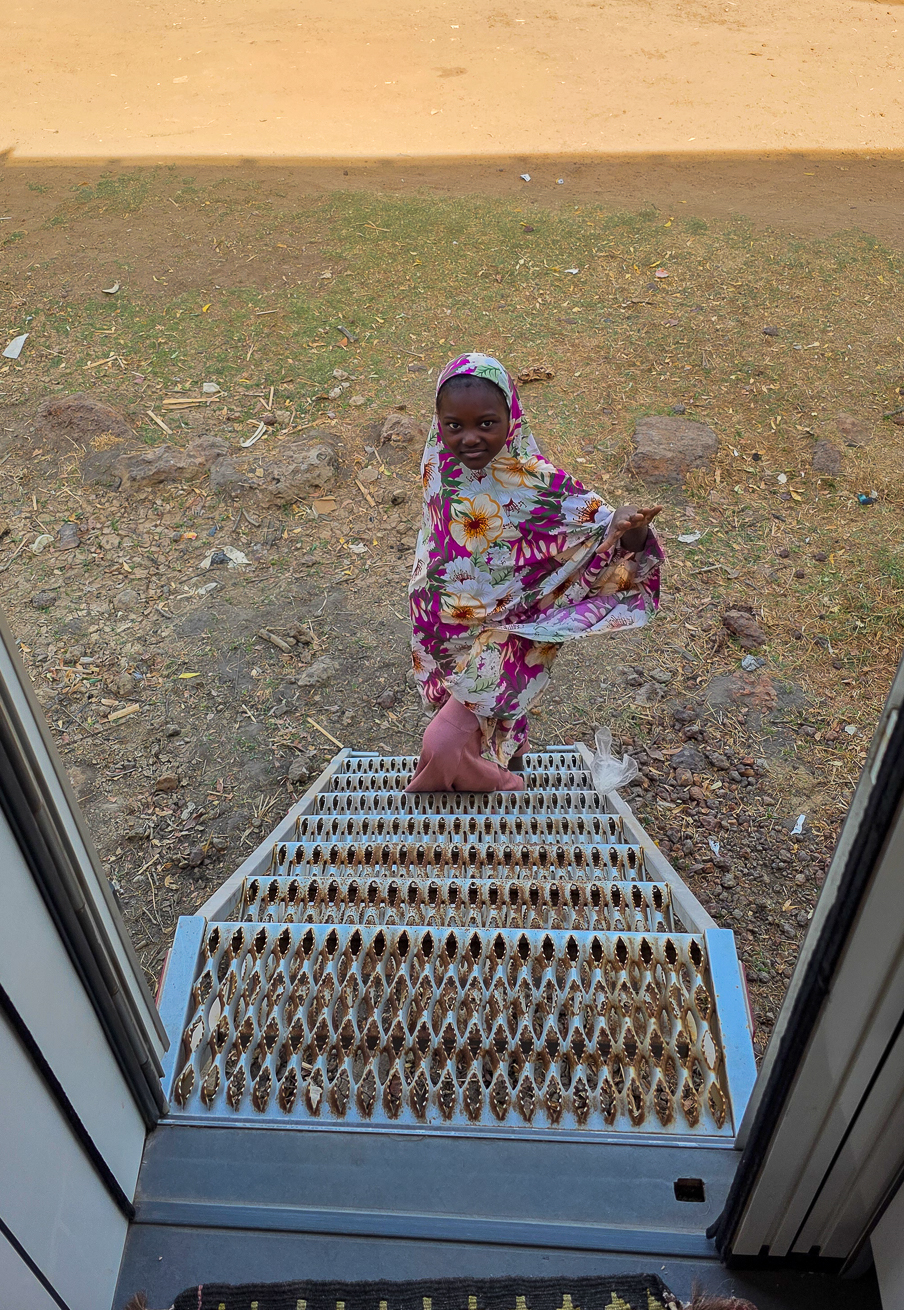
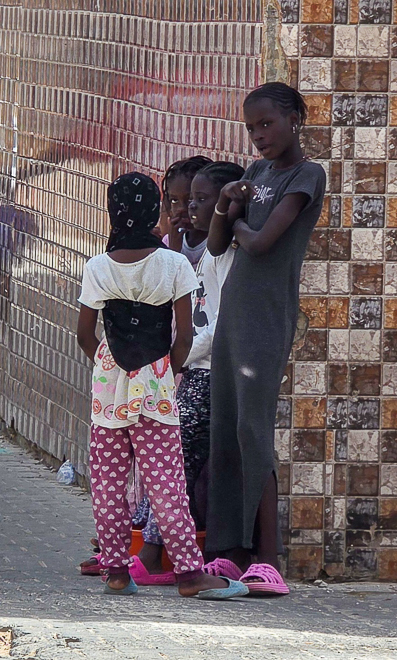
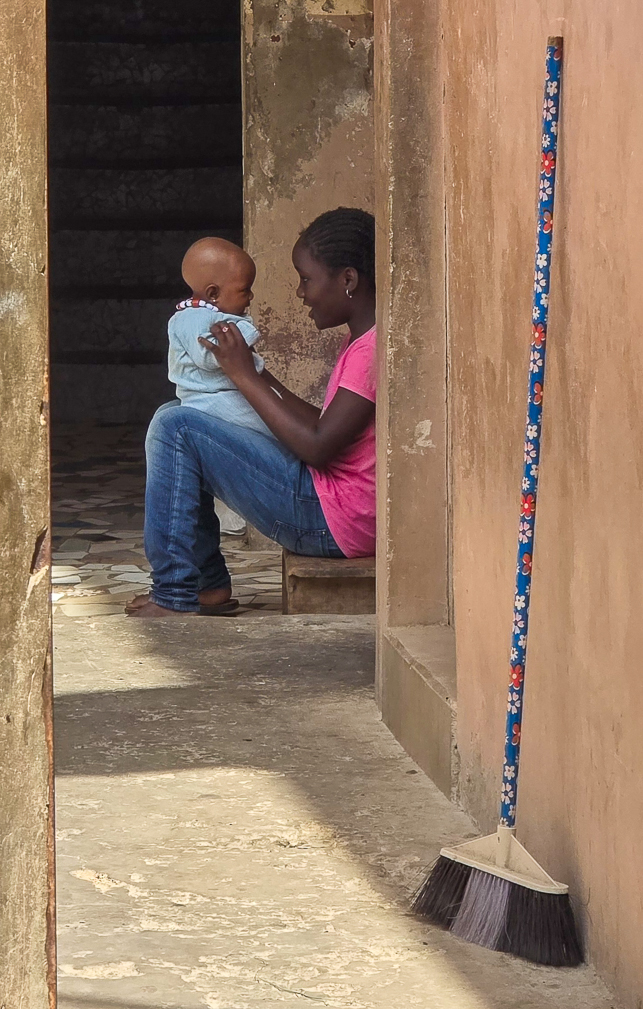
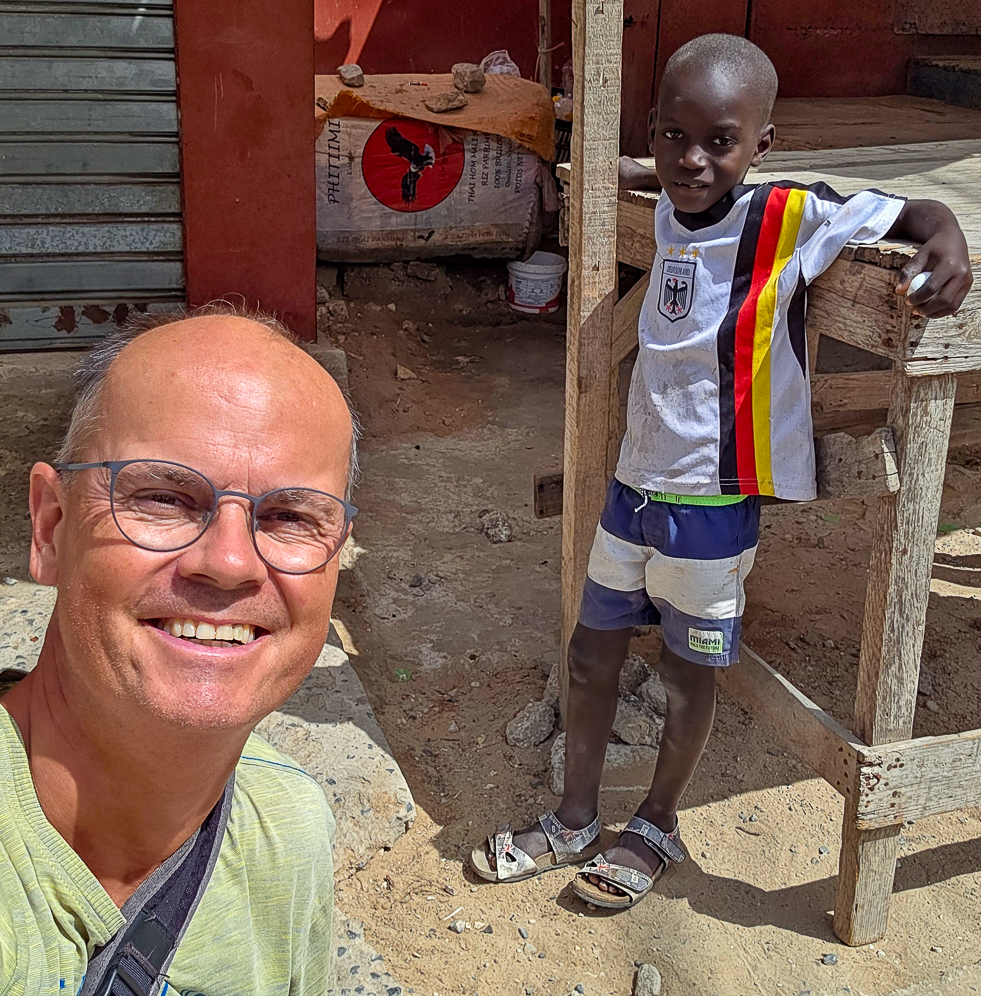
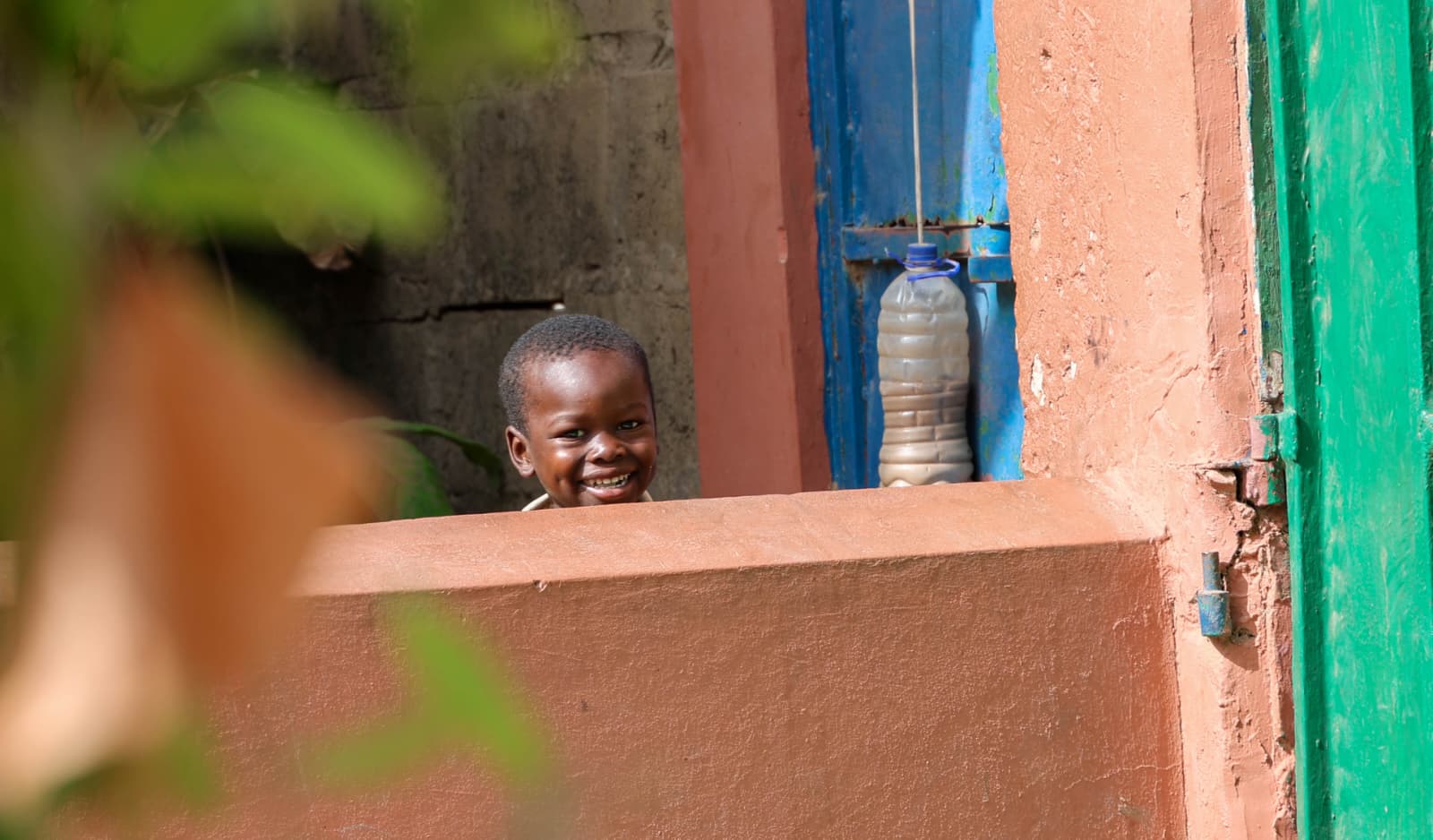
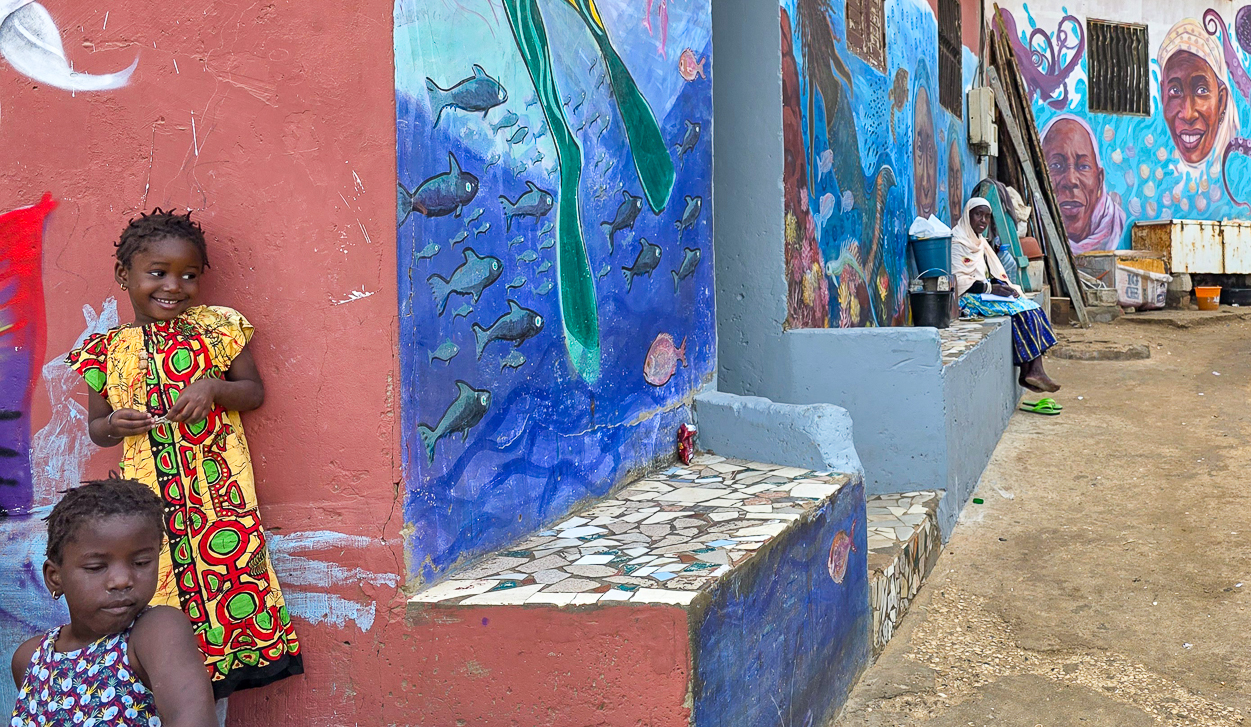
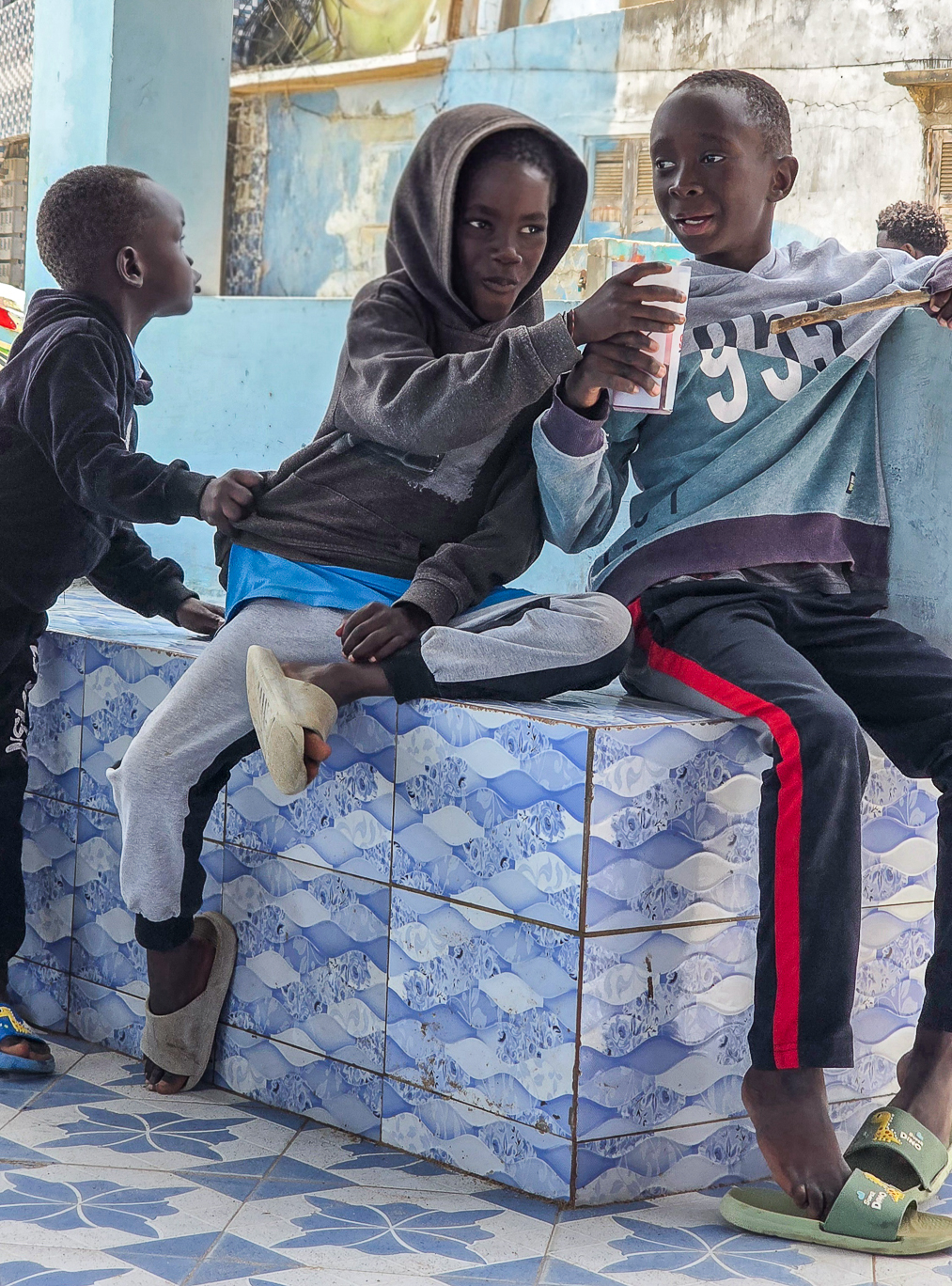
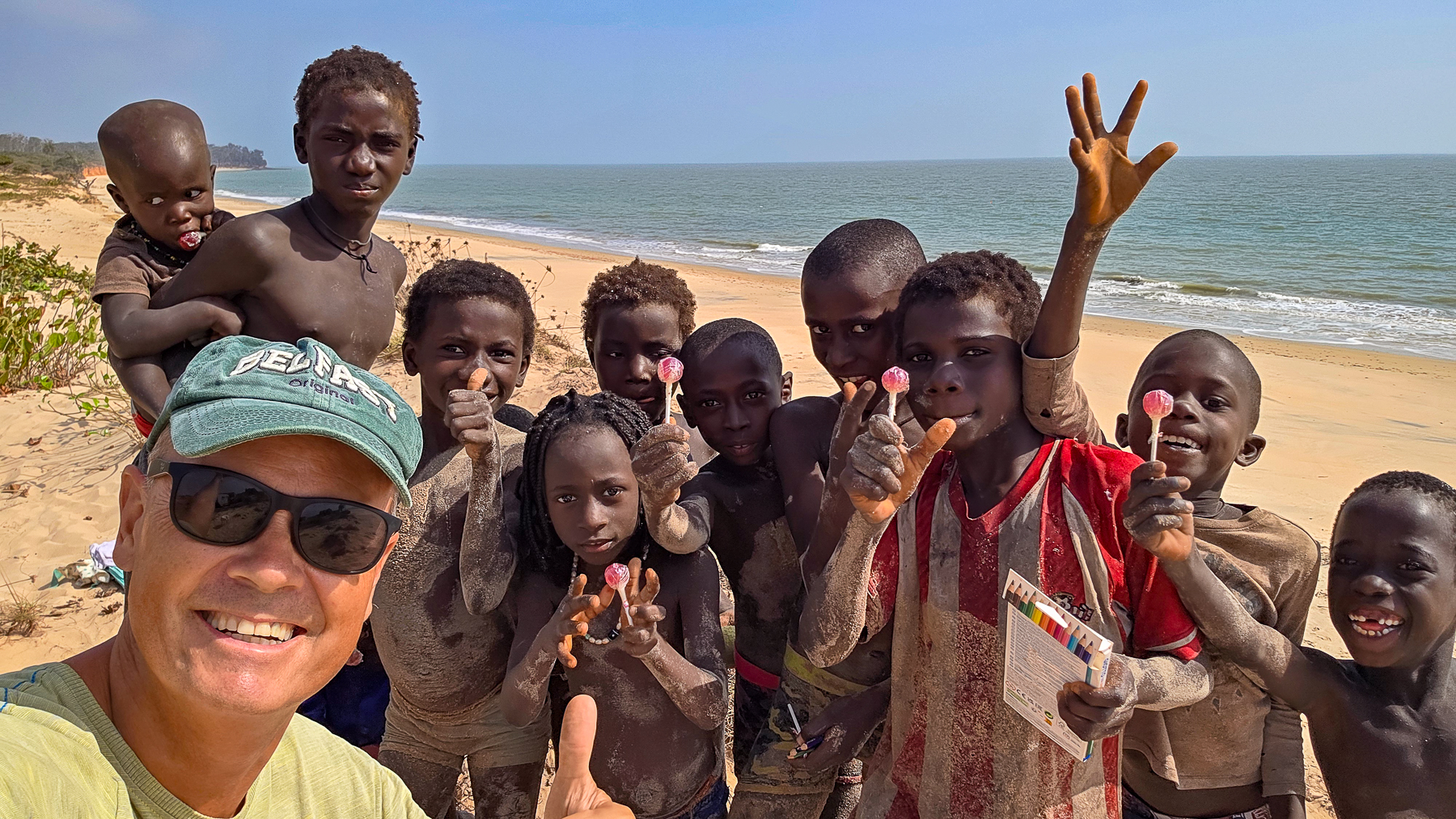
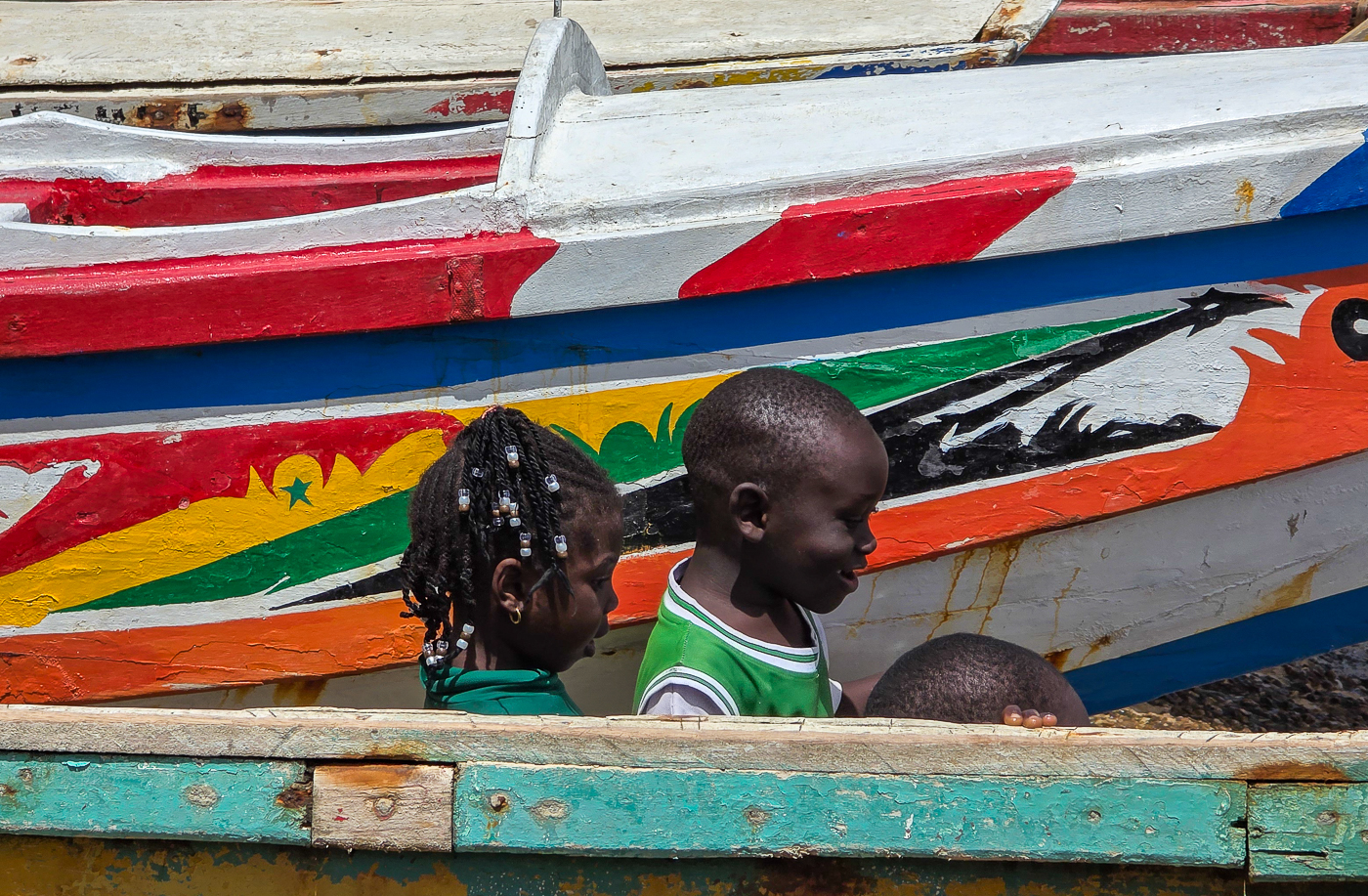
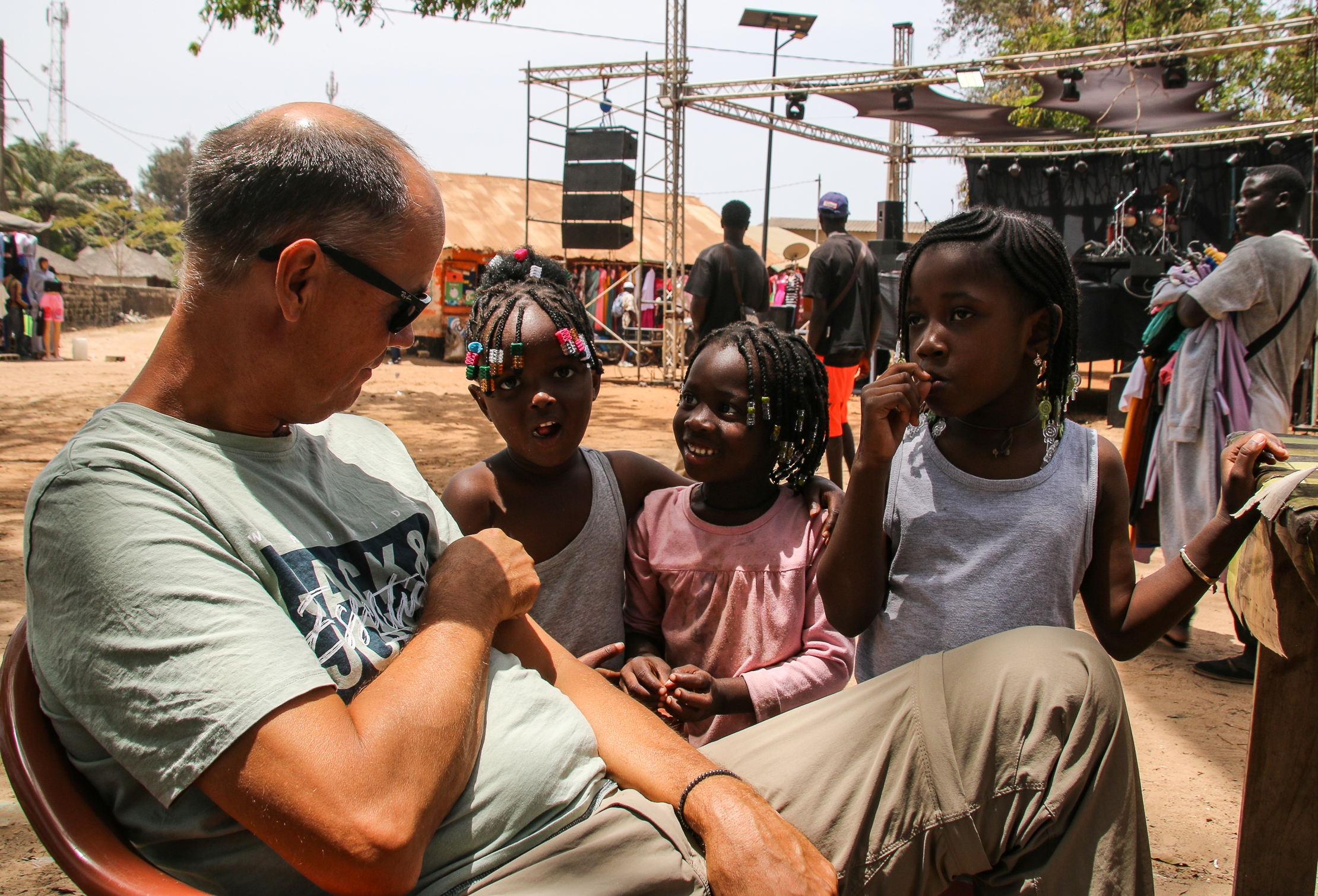
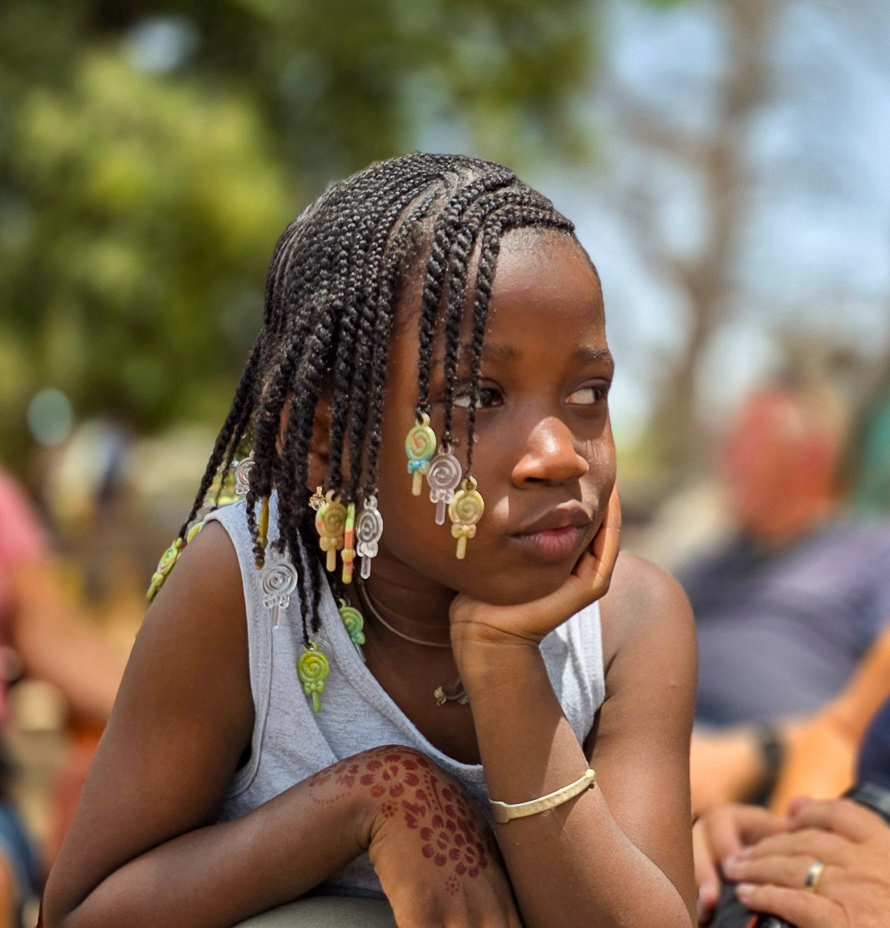
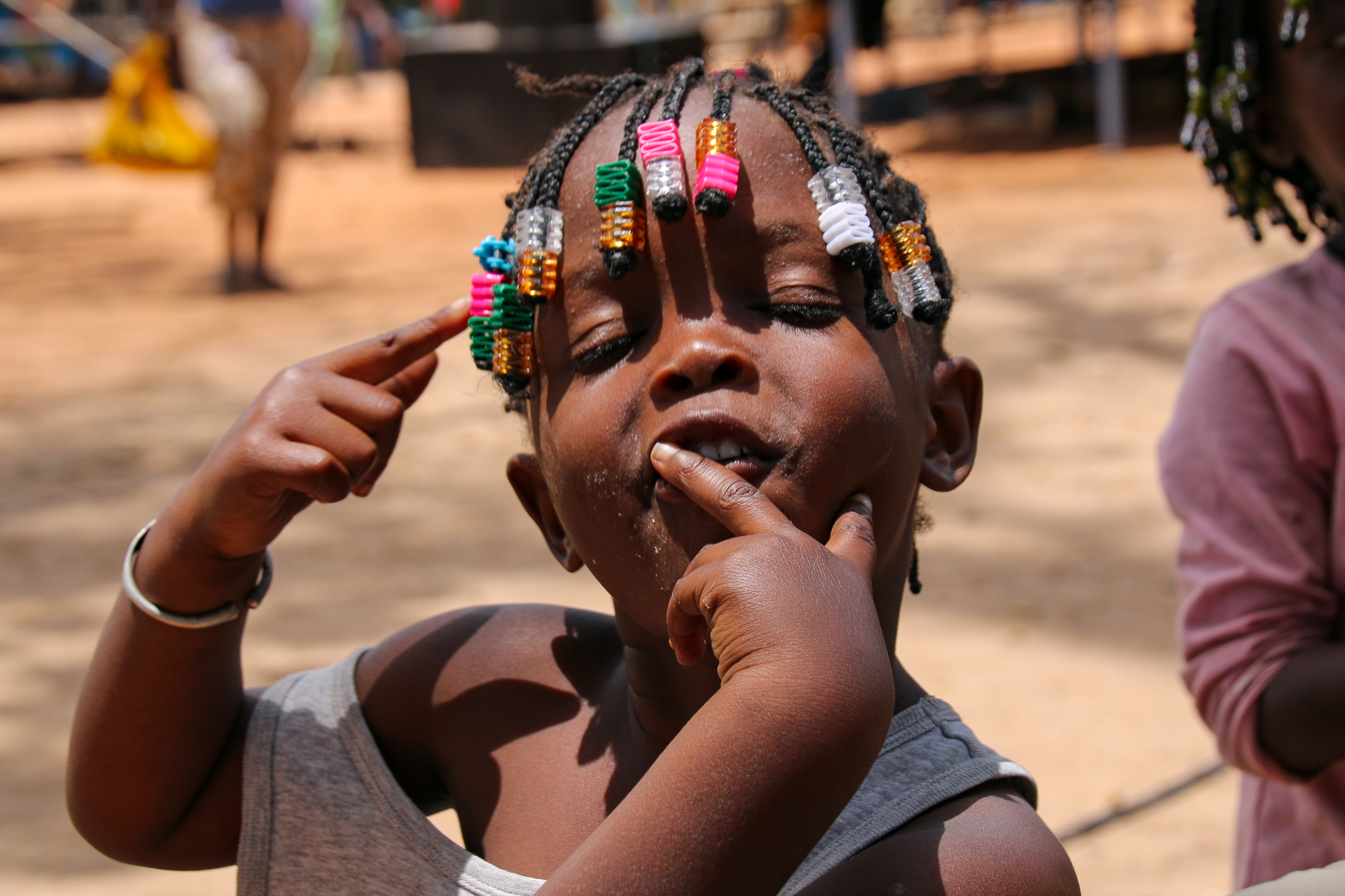
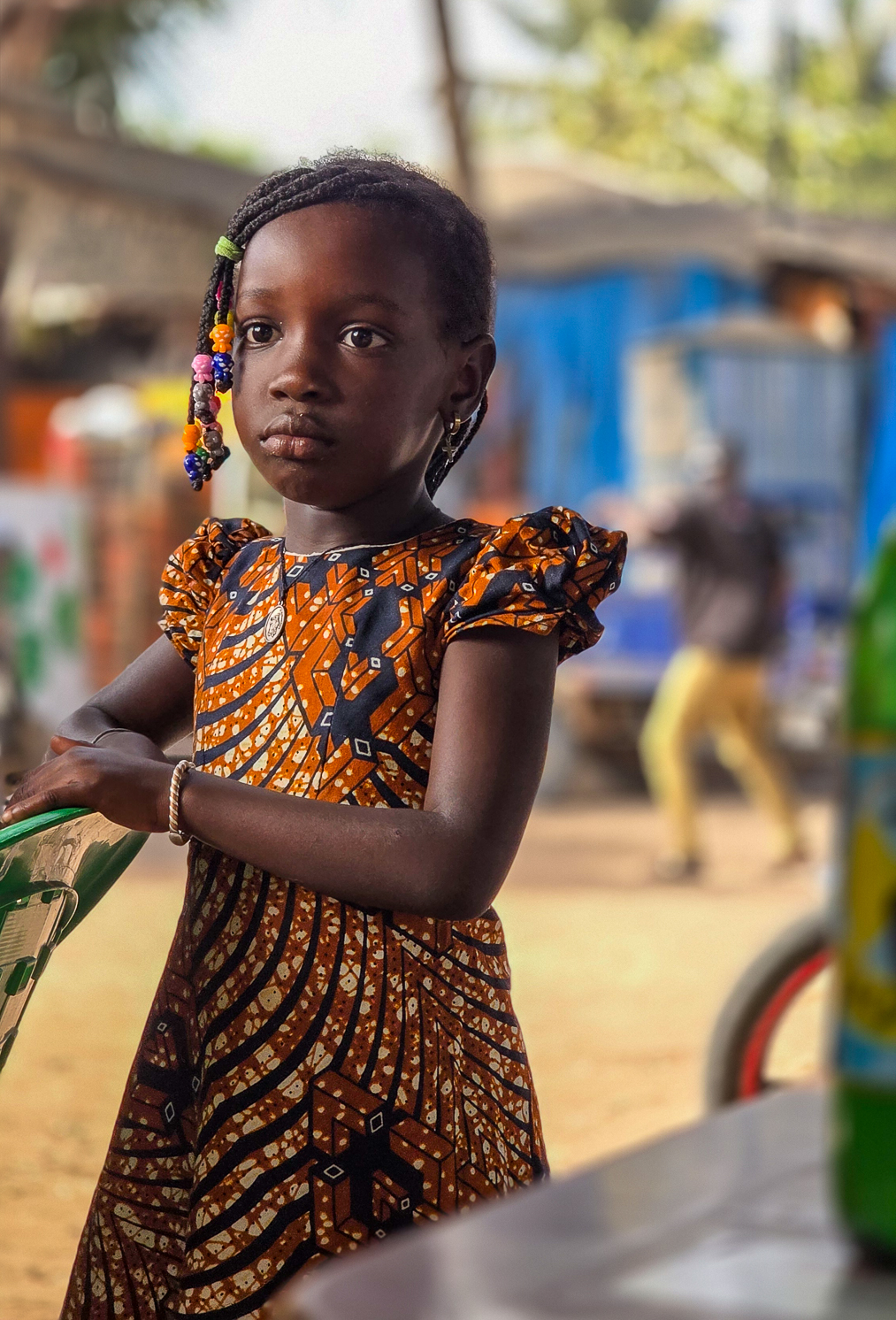
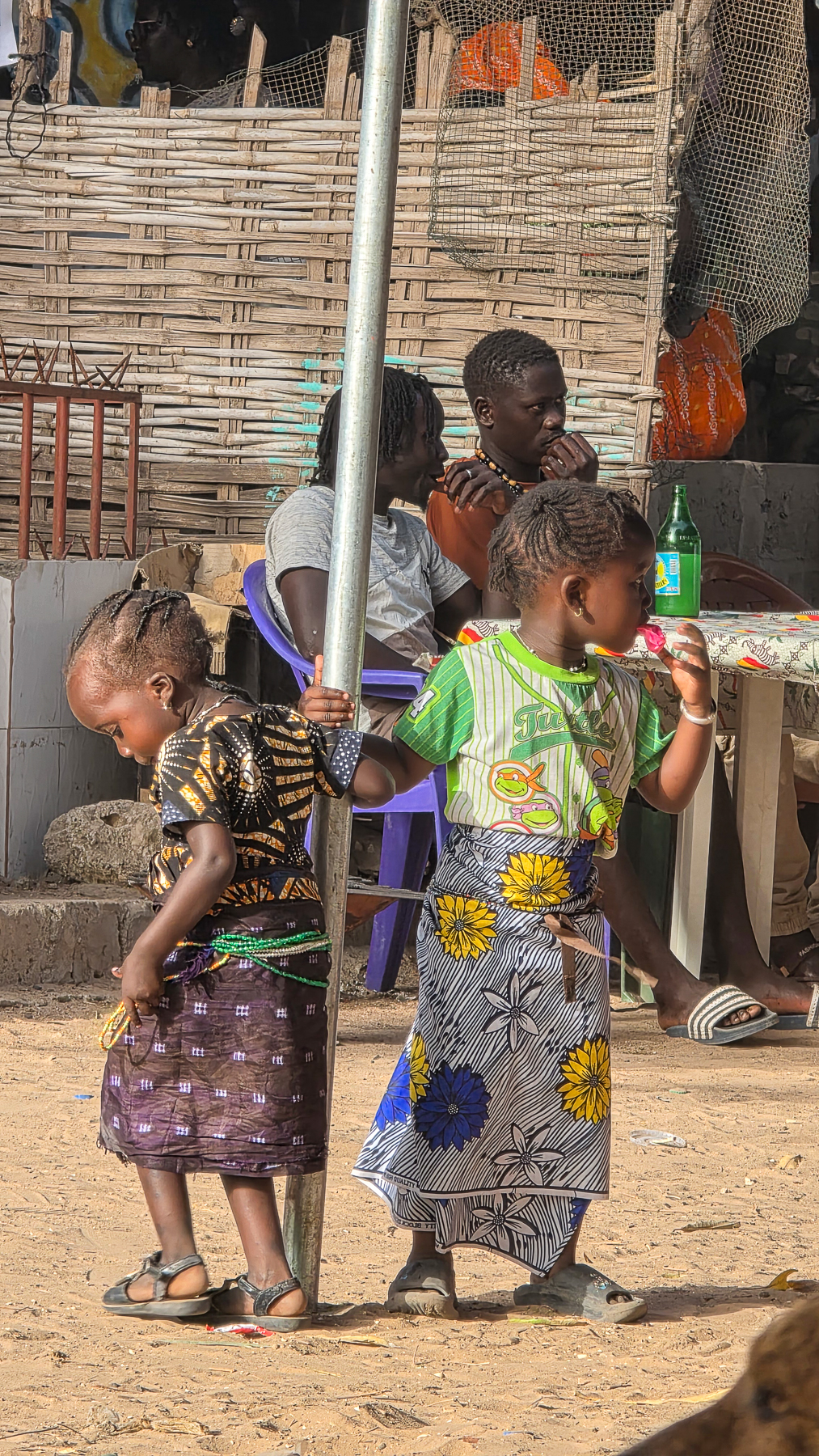
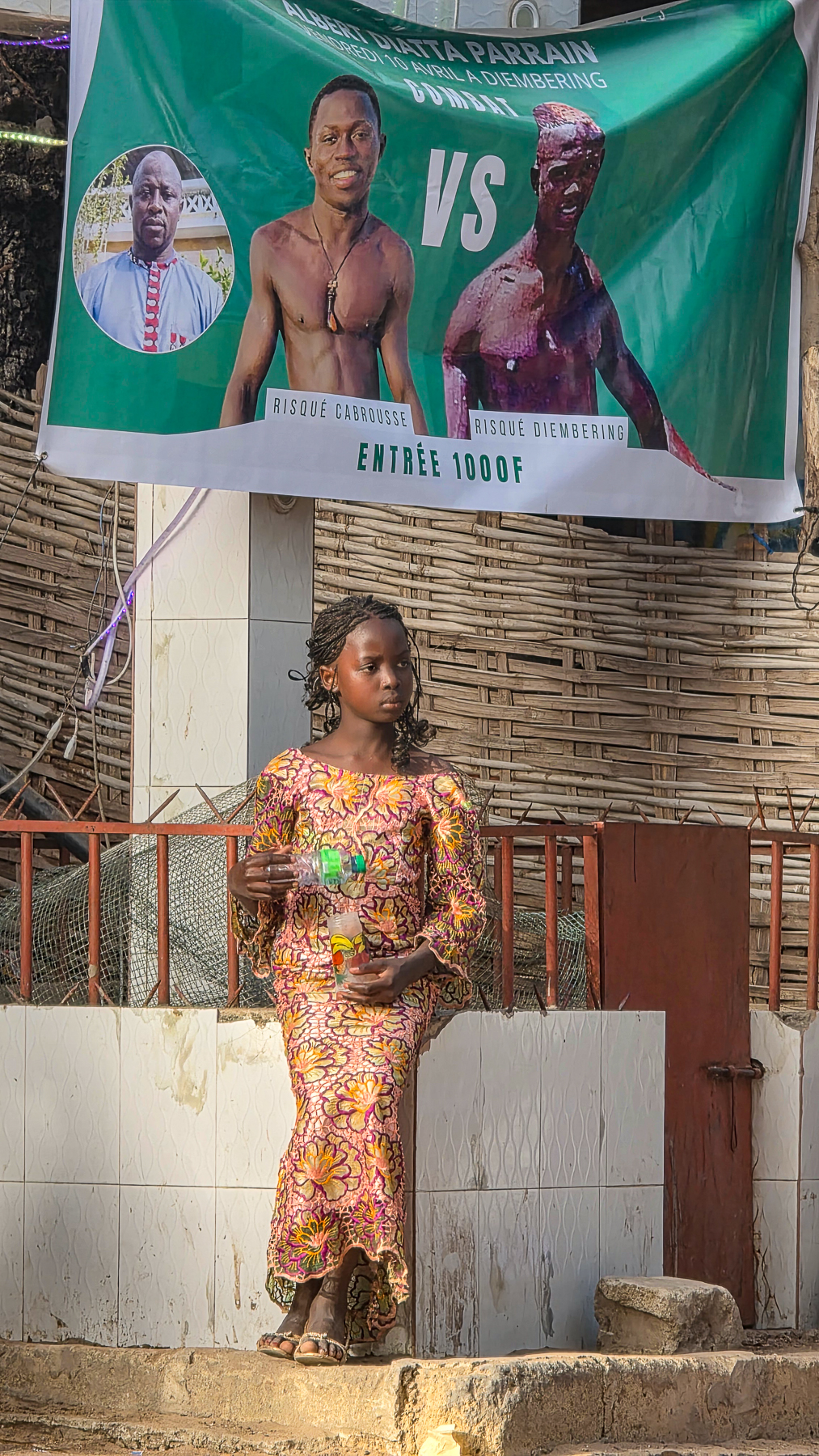
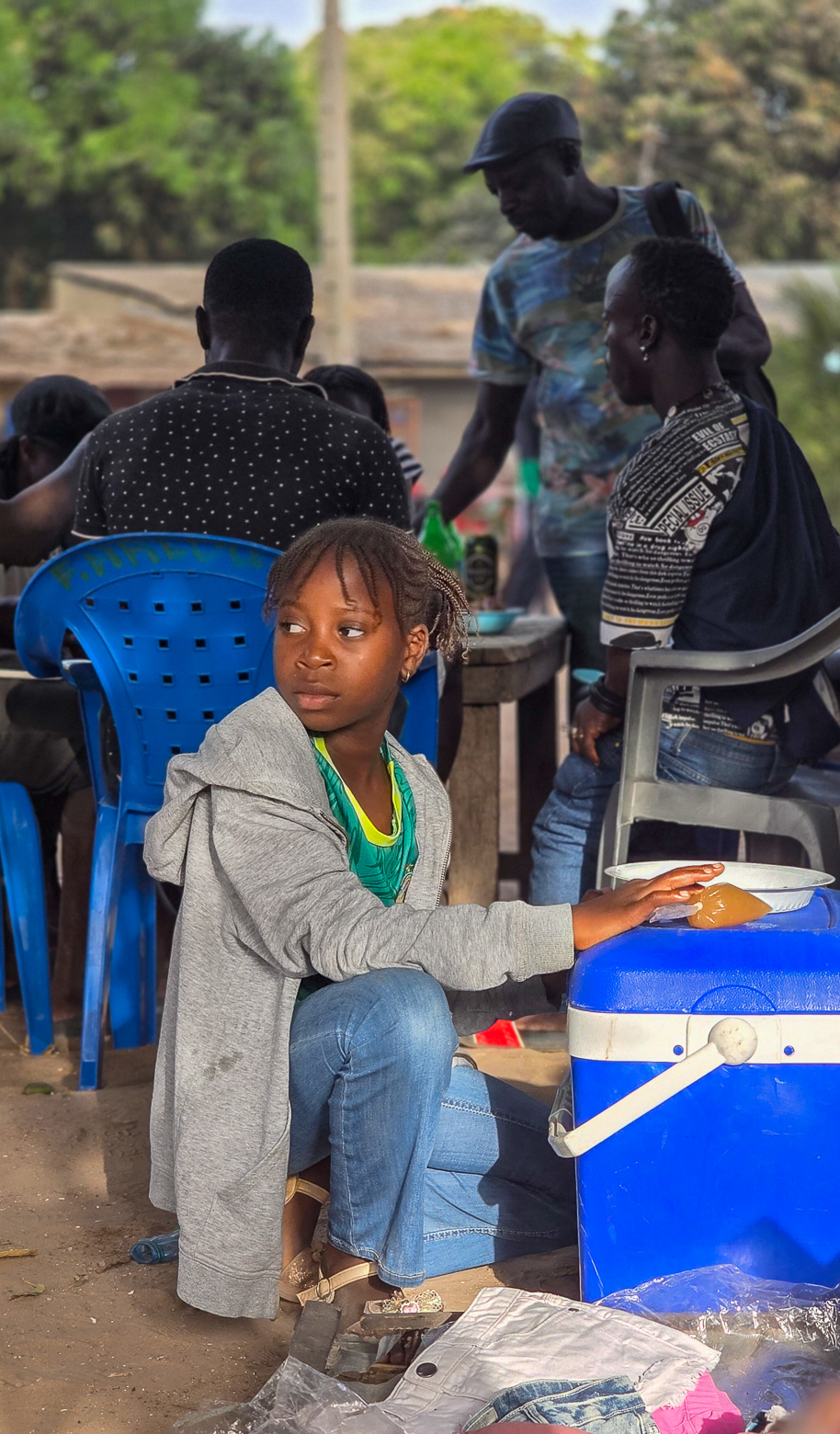
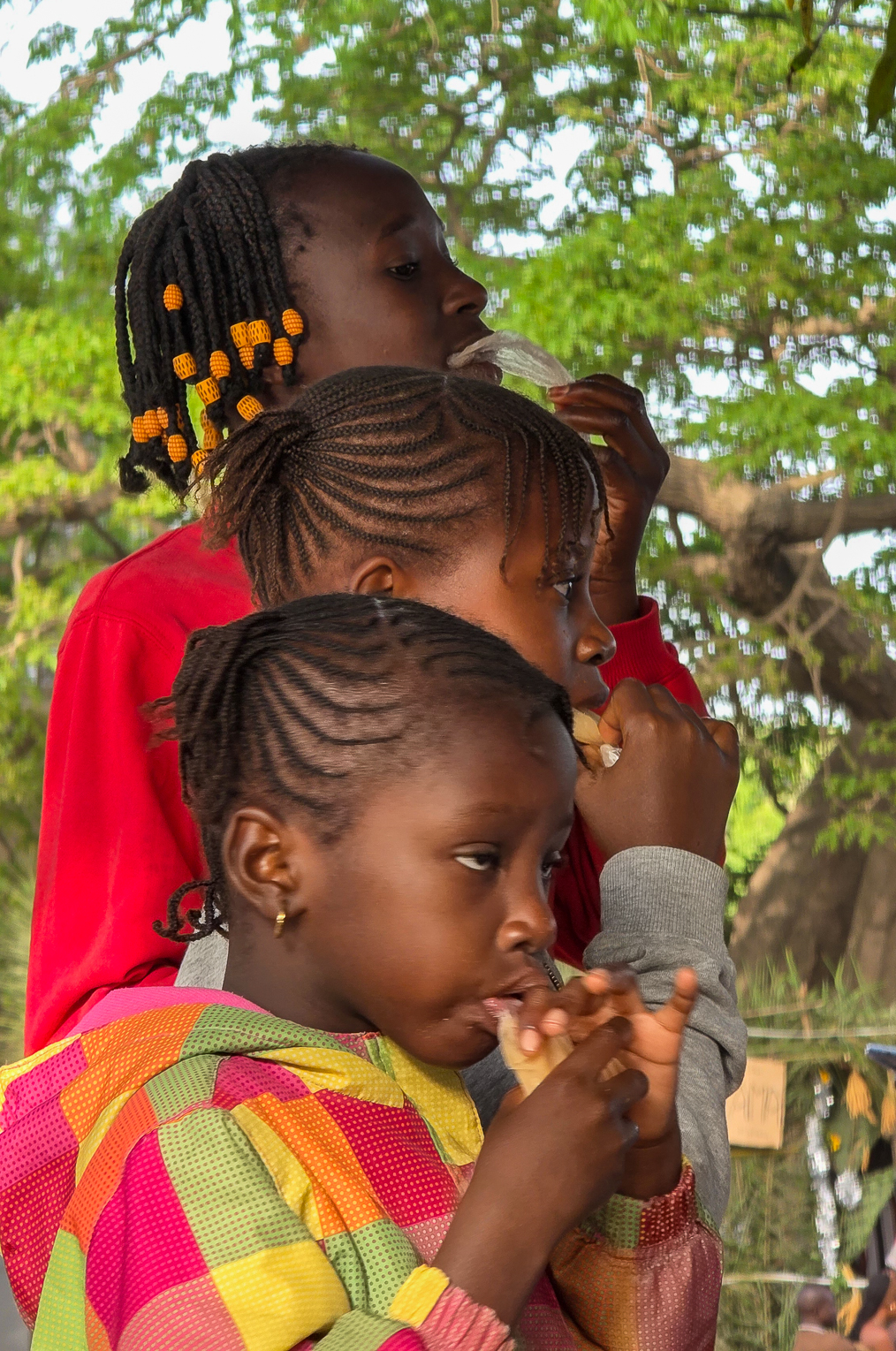
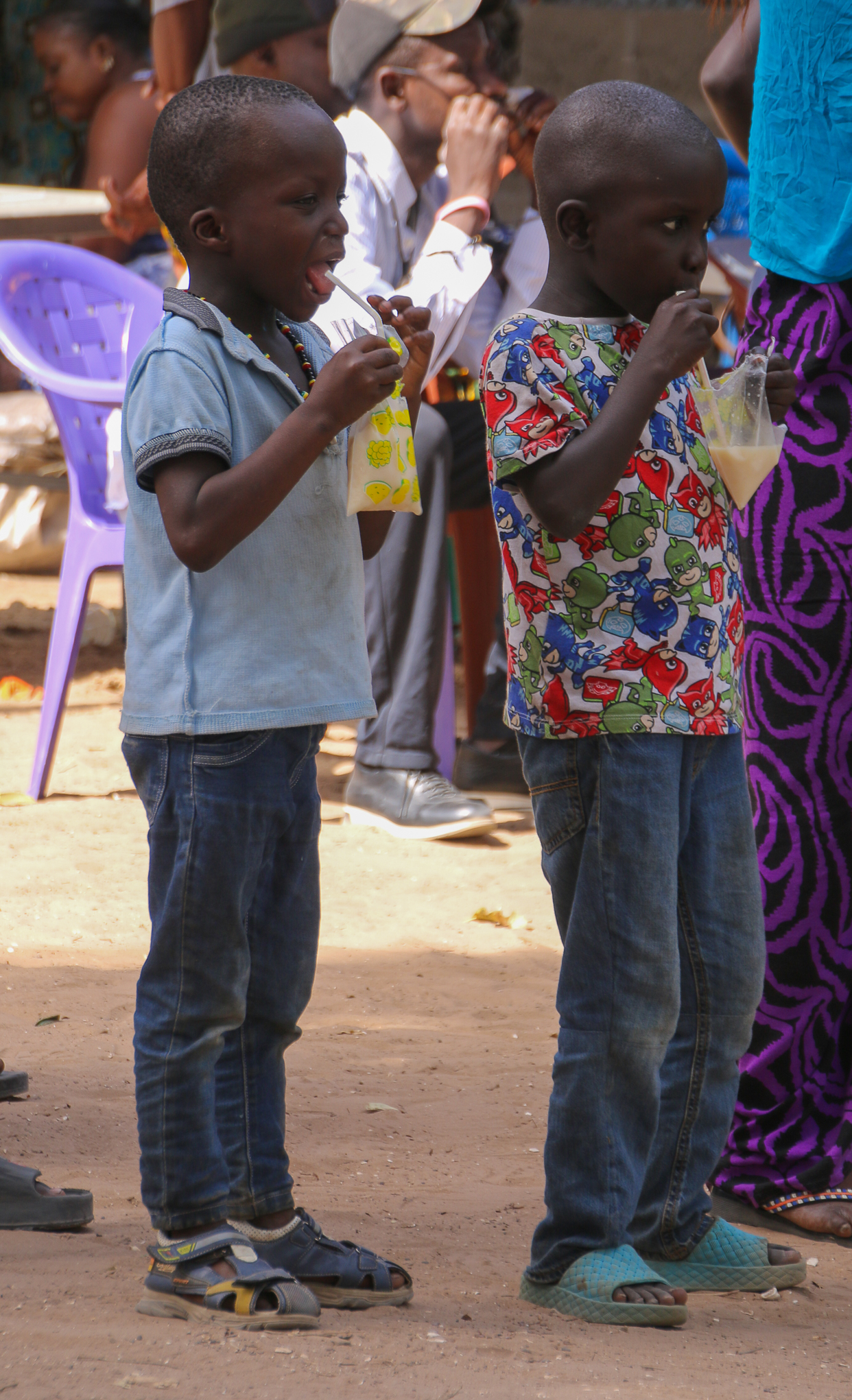
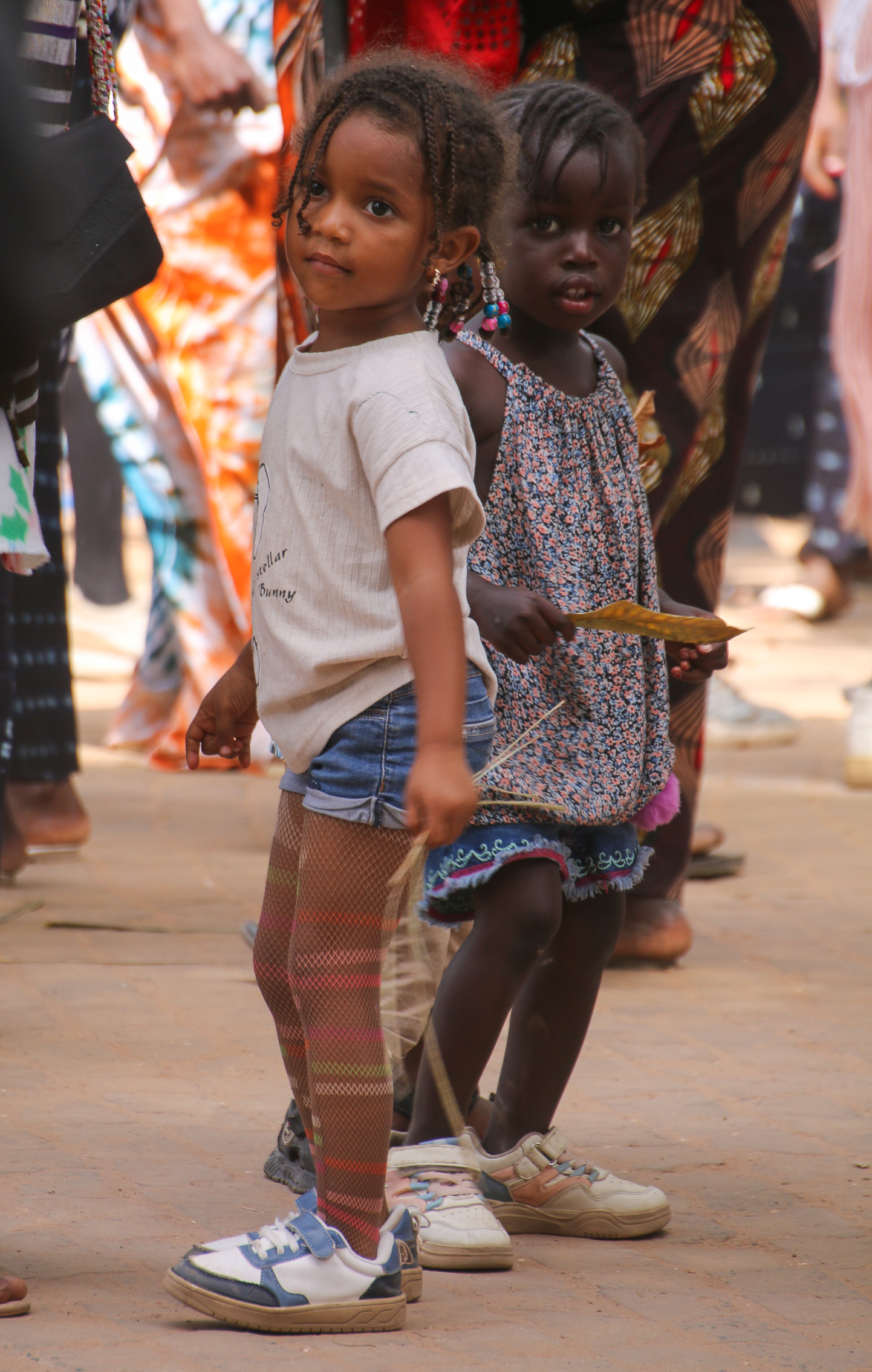
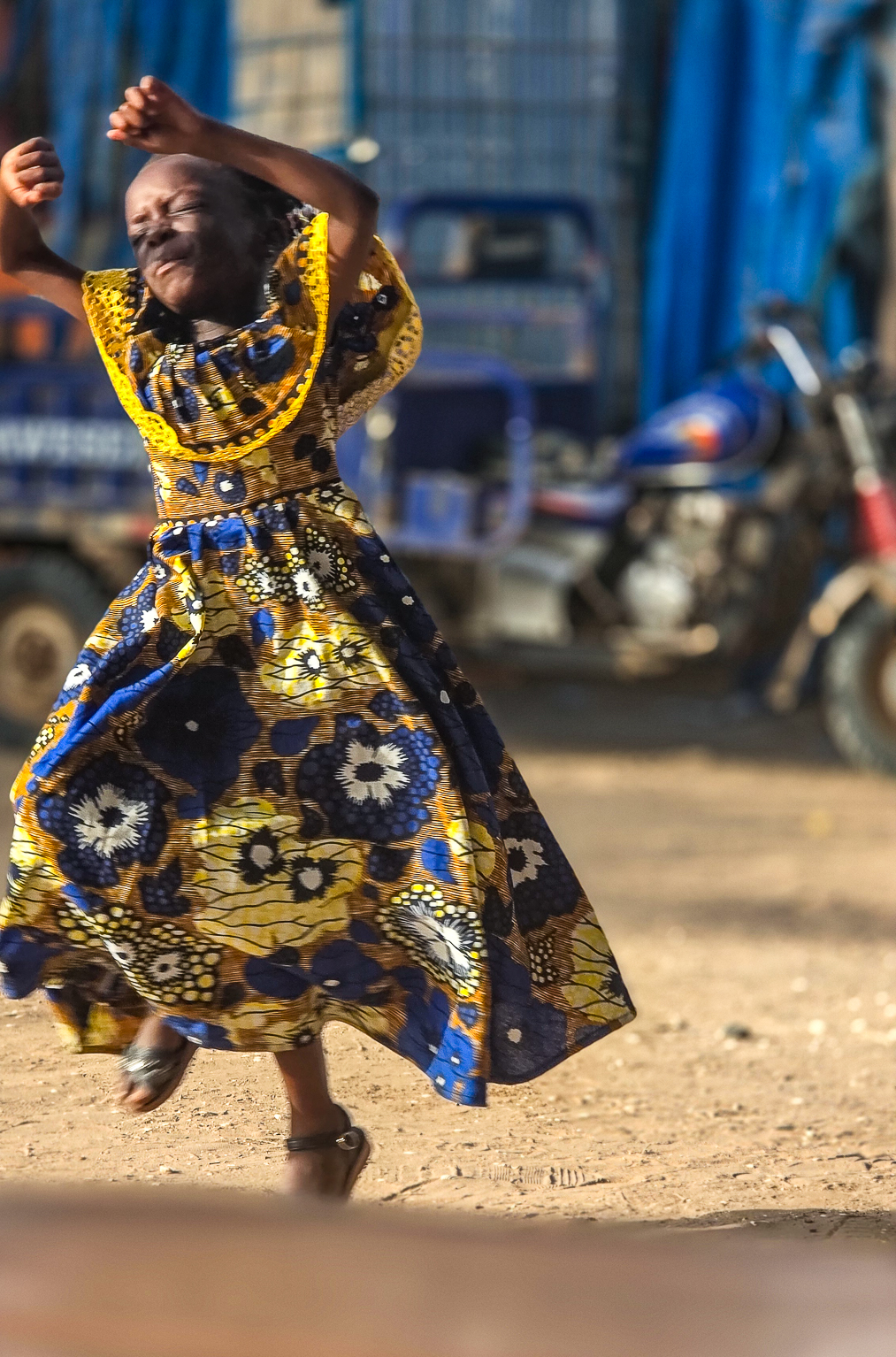
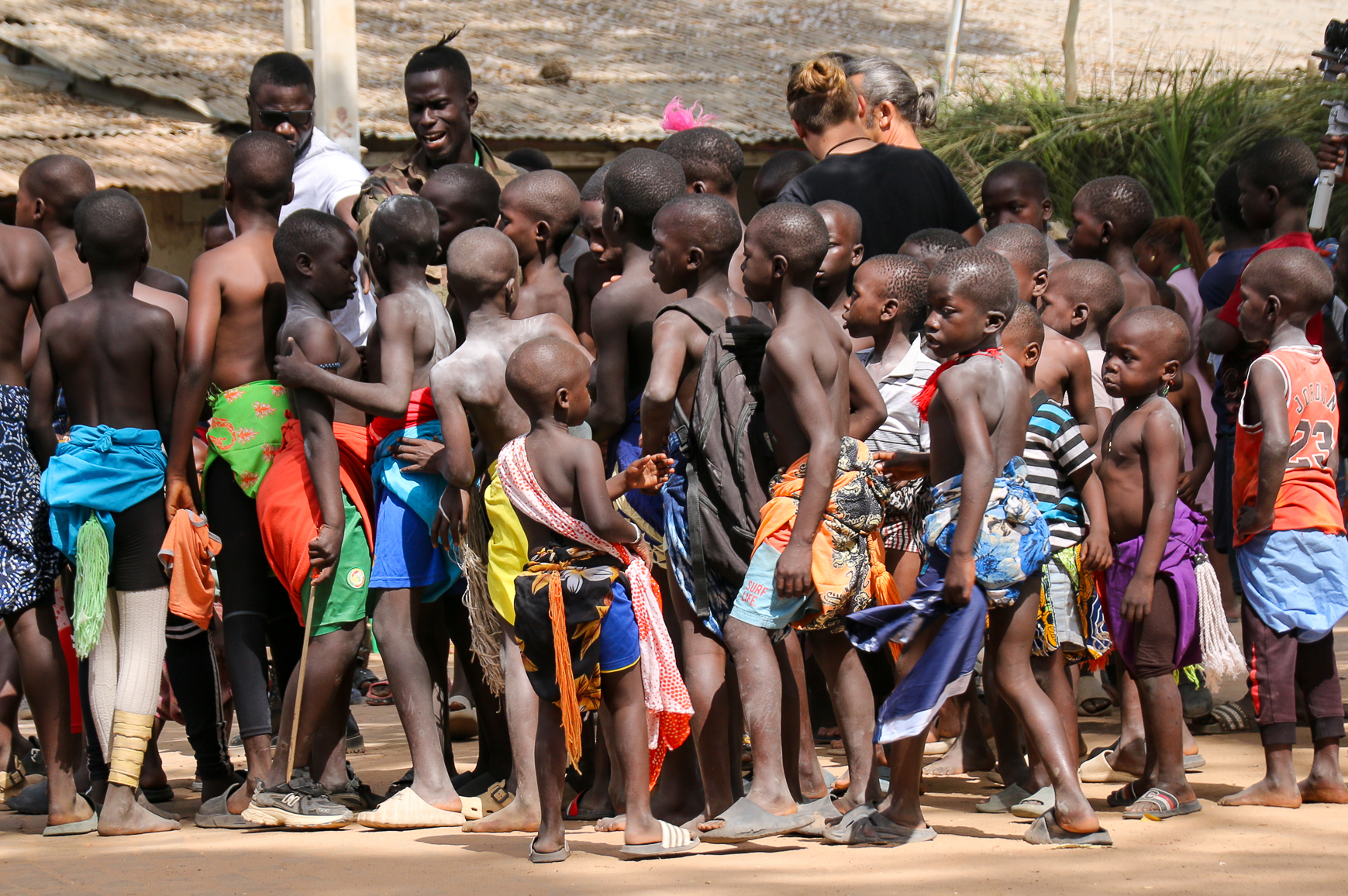
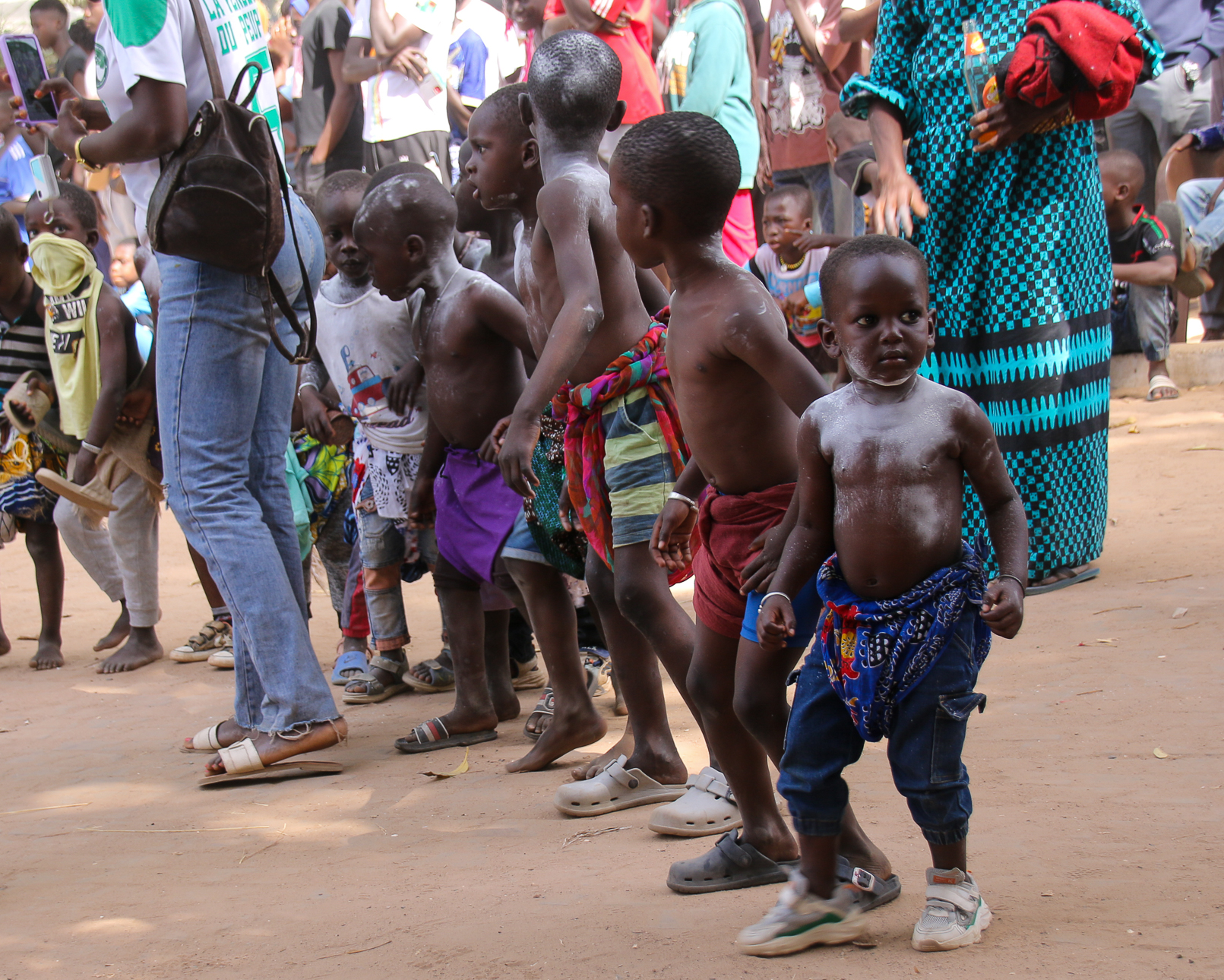
In many parts of West Africa, one thing immediately catches your attention: there are children everywhere.
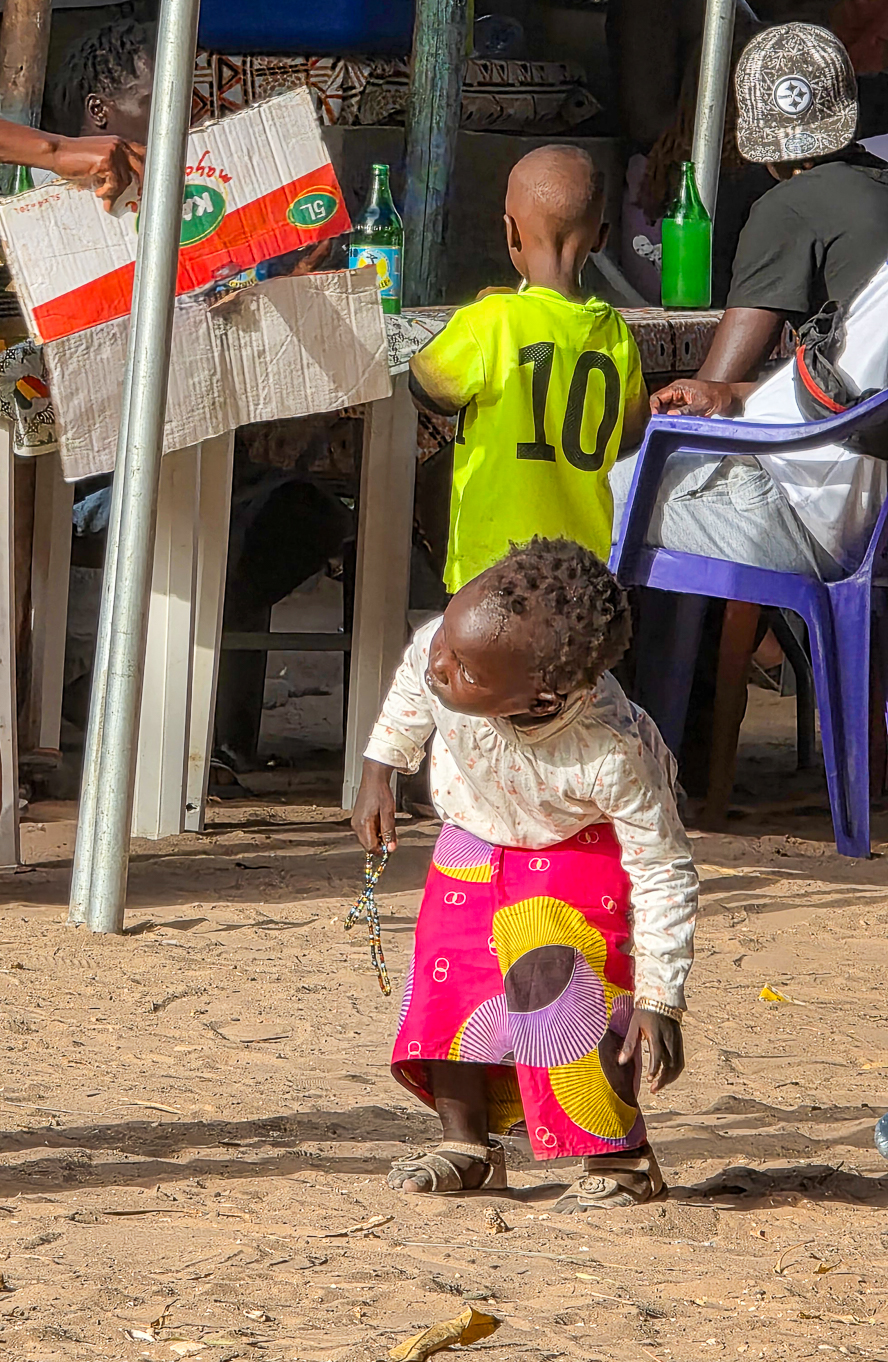
They appear in small groups along dusty roads, in villages, at markets, near wells, or simply sitting under a tree watching the world go by. What surprised us most was how independent many of them seem to be from a very young age. Tiny kids walk long distances alone, carry things on their heads, look after younger siblings, or confidently move through busy village life without constant supervision.
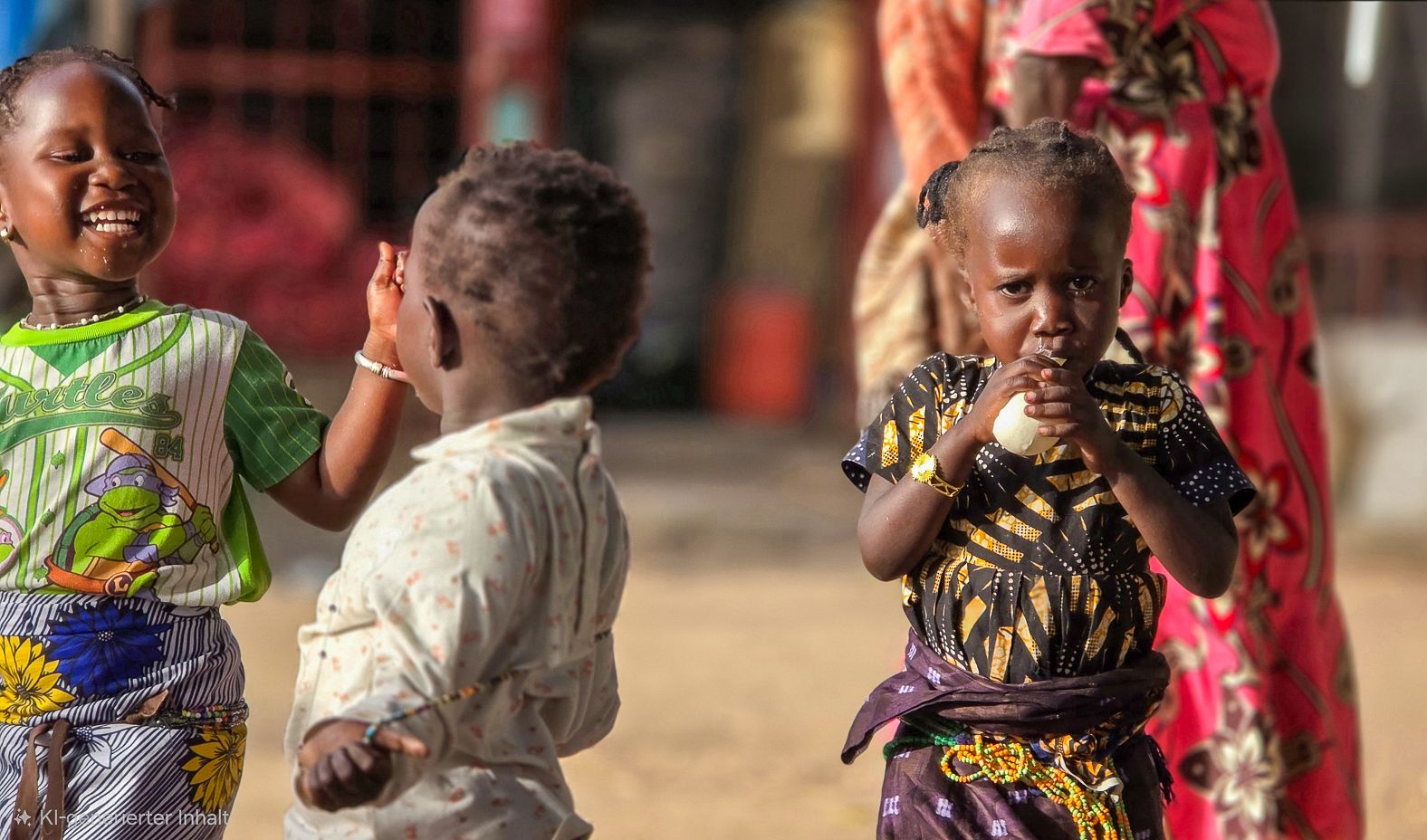
At the same time, there is an incredible energy around them. The children are curious, loud, playful, and often full of laughter. Many wave enthusiastically when our truck rolls through a village, others run alongside for a few meters, smiling and shouting greetings. Even in places with very simple living conditions, there is often a strong sense of freedom and community among the kids.
For us as travelers, these encounters became one of the most memorable parts of the journey. The children of West Africa bring life and movement to every place, and their natural confidence, openness, and joy leave a lasting impression long after the road continues.
Best wishes from
Heike & Carsten
To see full-size pictures and comments please
KLICK!
on the thumbnails!
At my 'Overlander Base' you find the sources (great weblinks) that I actually use on the road — try them yourself.