

Hello all!
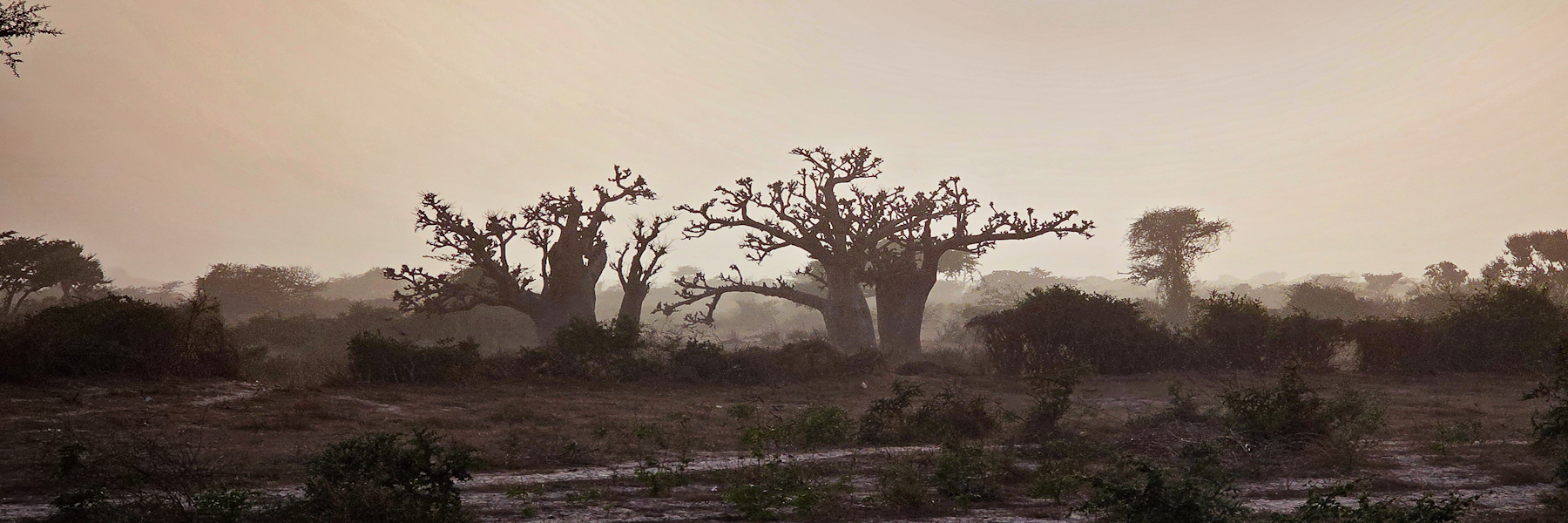
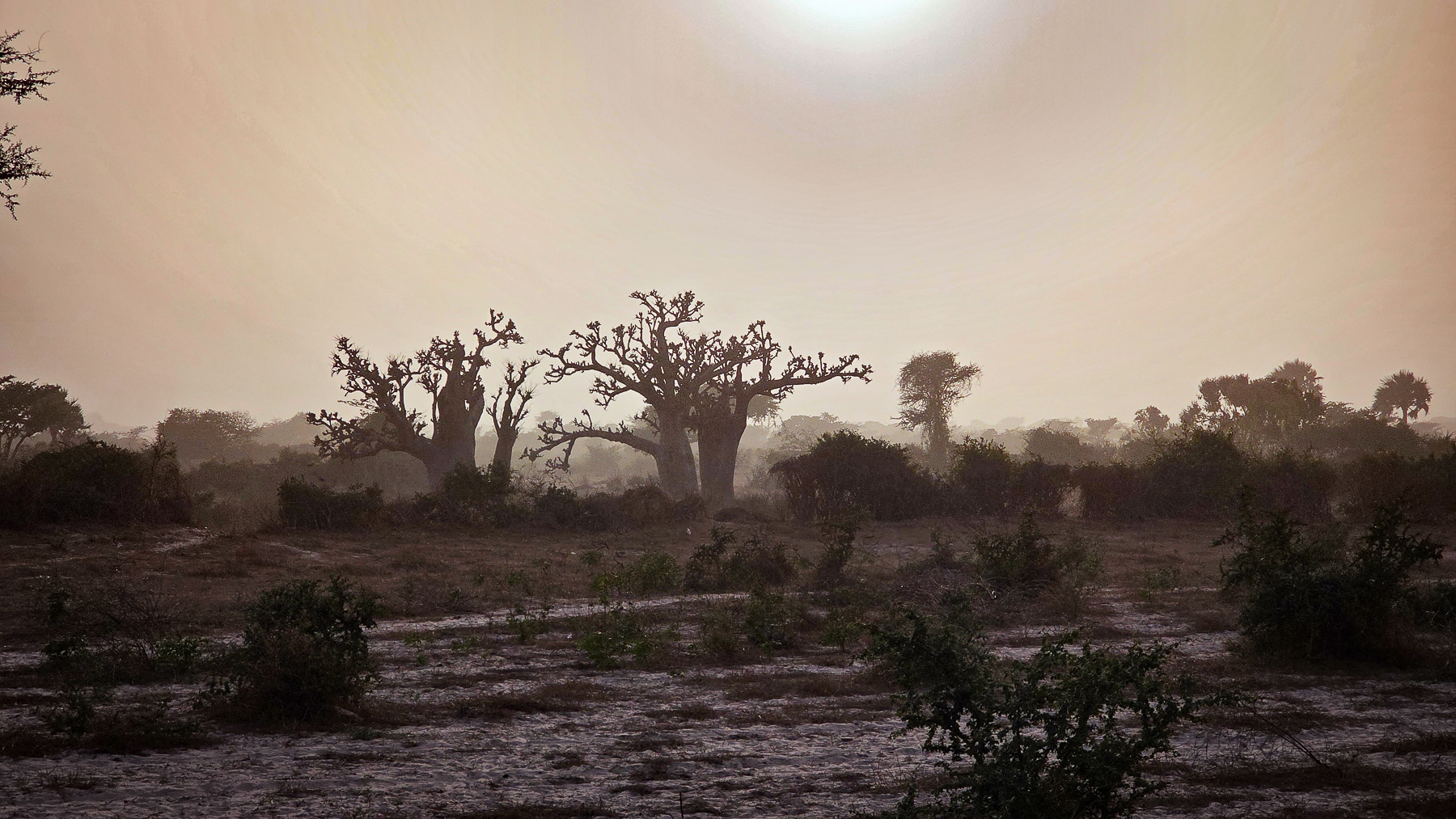
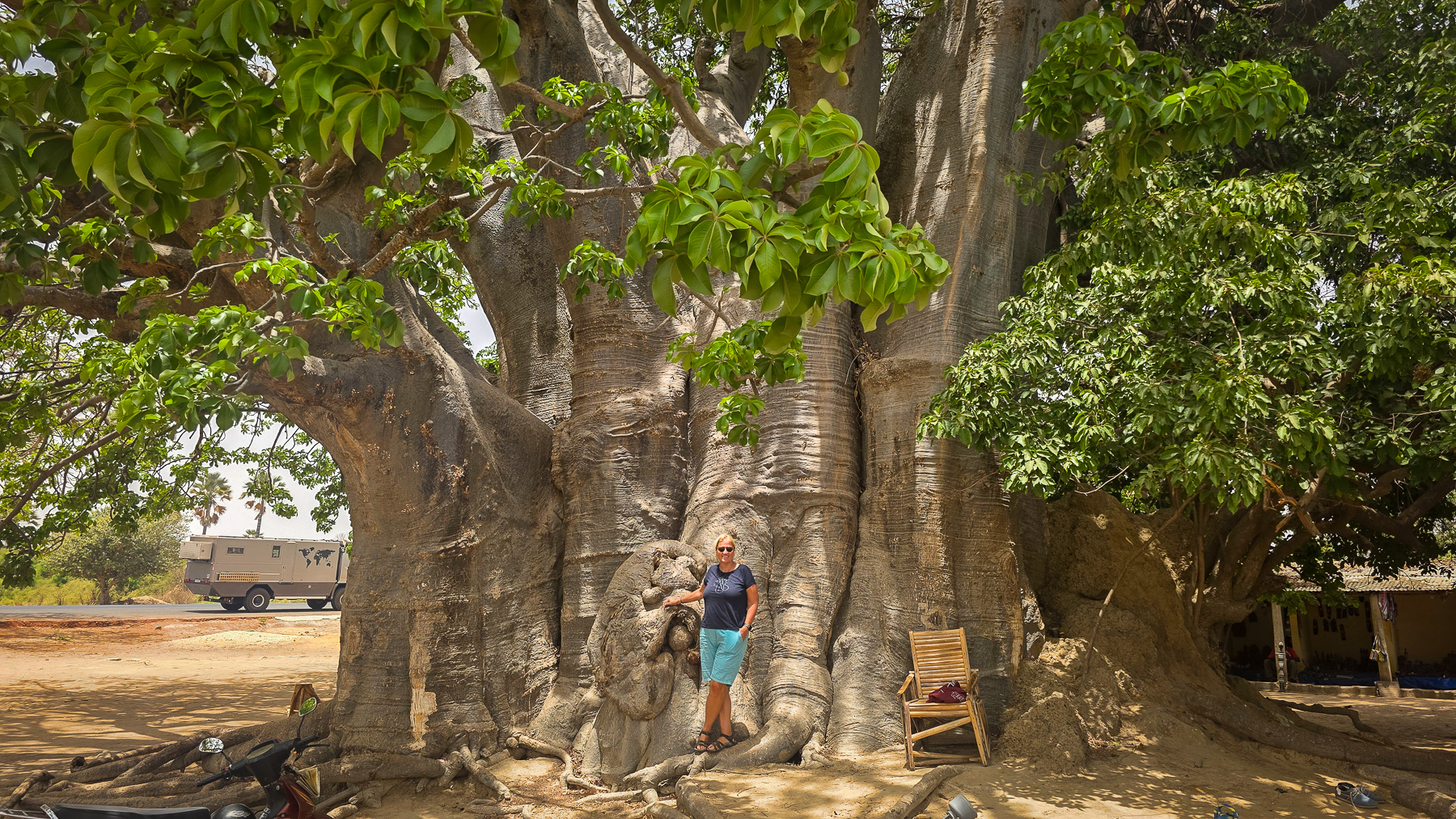
First Impressions of Senegal were a bit unusual because we did not visit the country only once. Due to our route through Senegal, Guinea-Bissau and The Gambia, we actually entered Senegal four different times during the last months. This means that some of the experiences in this post happened weeks apart, but together they form our overall picture of the country. Senegal was our first real step into ‚Black Africa‘ and the contrast to the Arab countries was immediately visible. Suddenly there were baobab trees, warthogs, beautiful birds, colorful markets and a very different atmosphere to Muslim Mauretania.
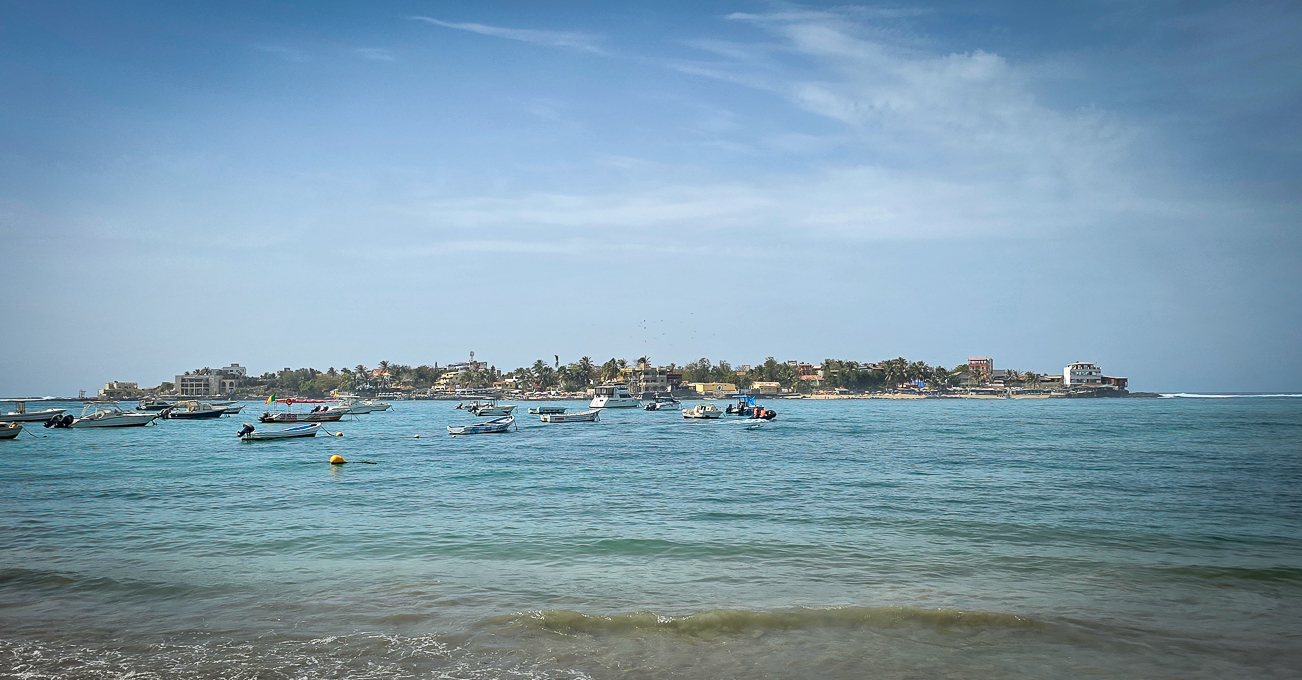
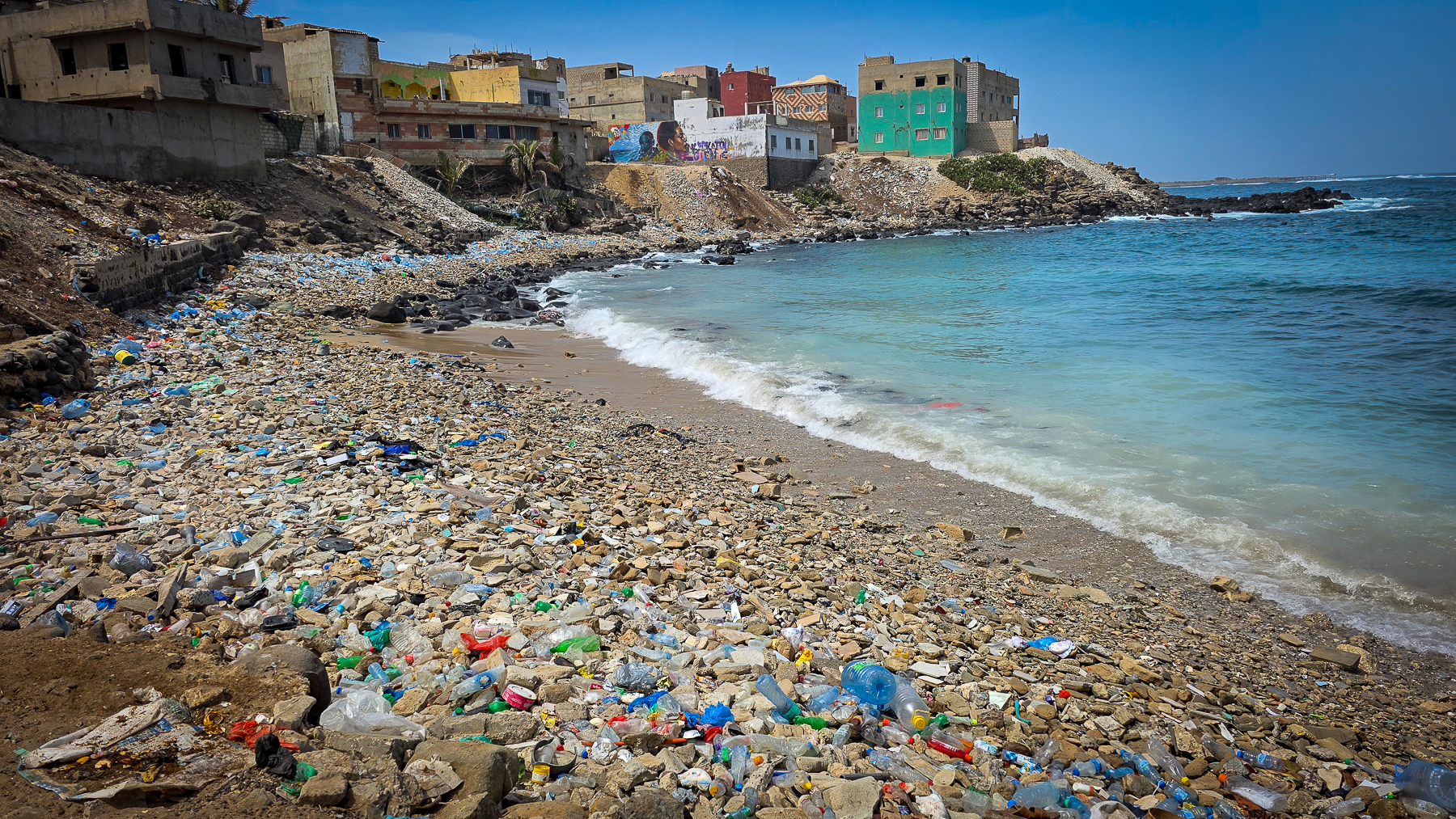
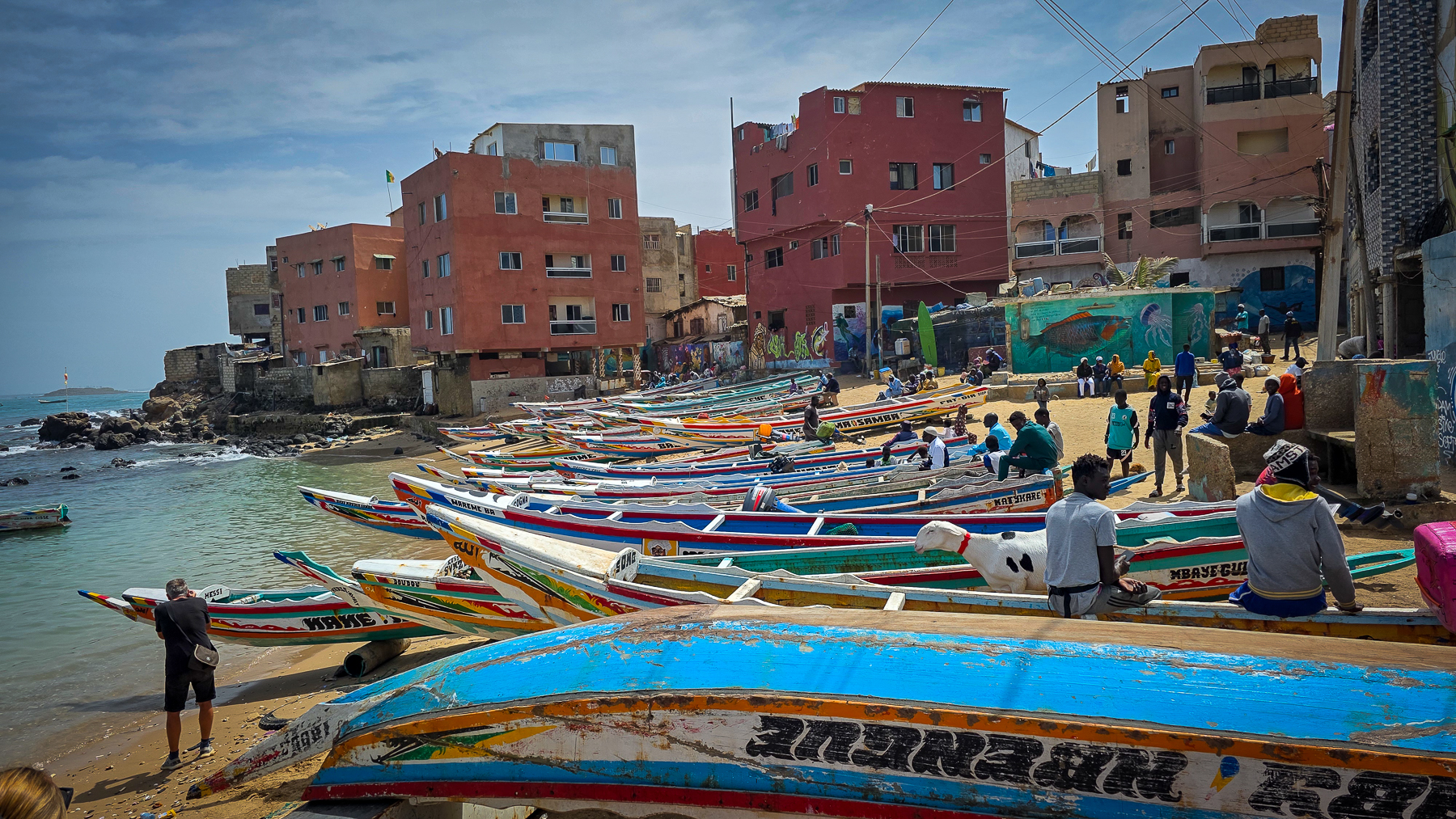
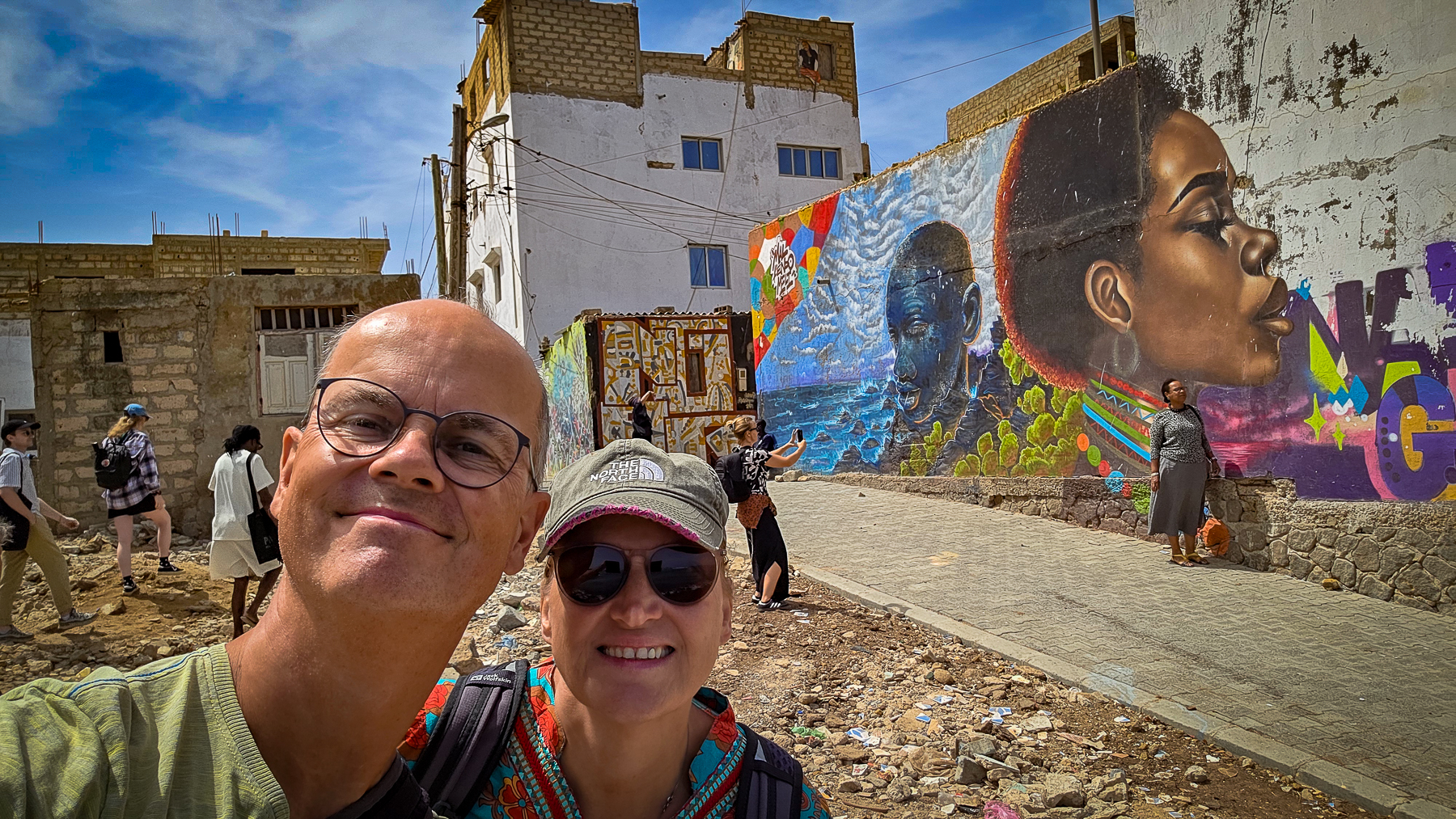
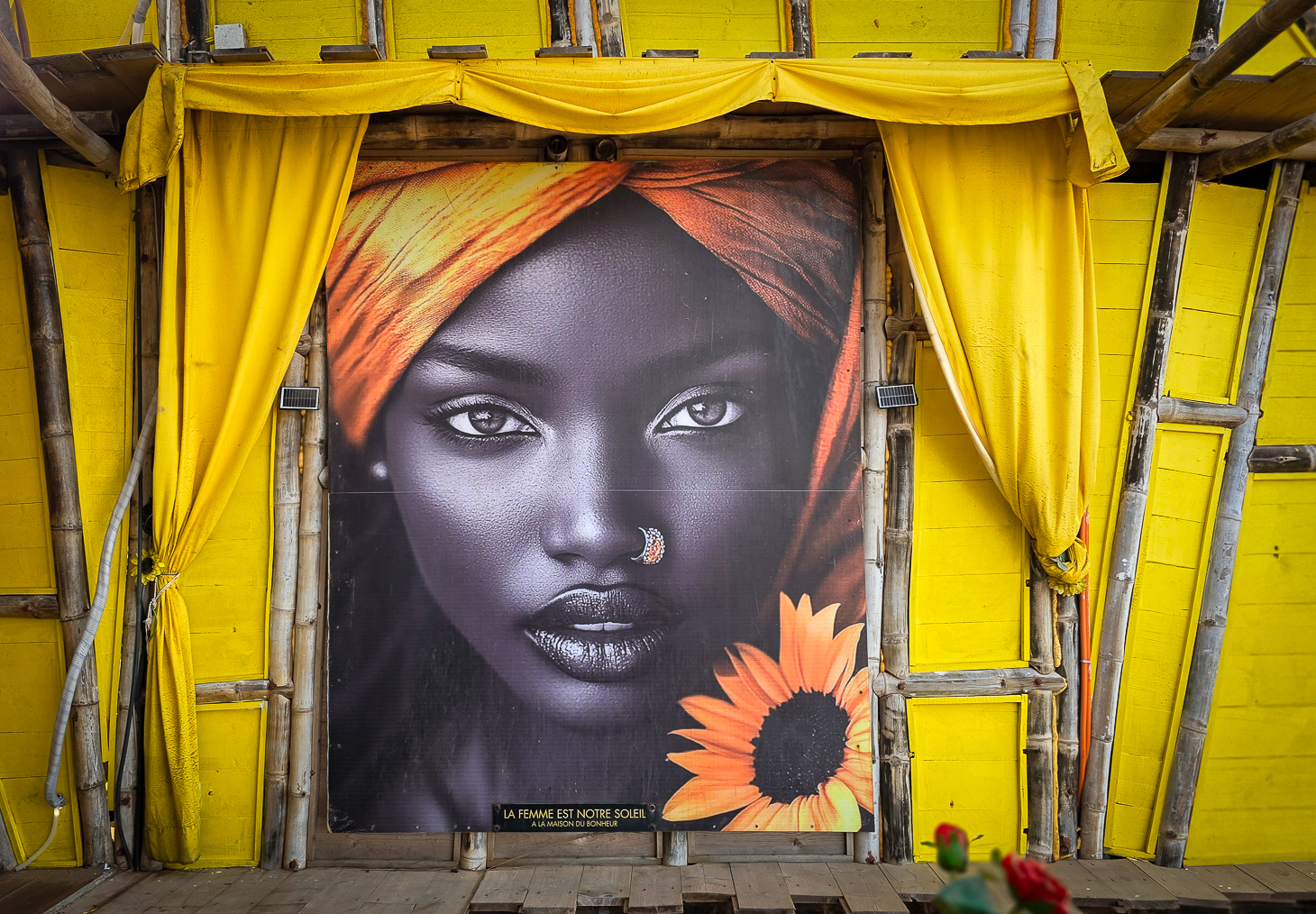
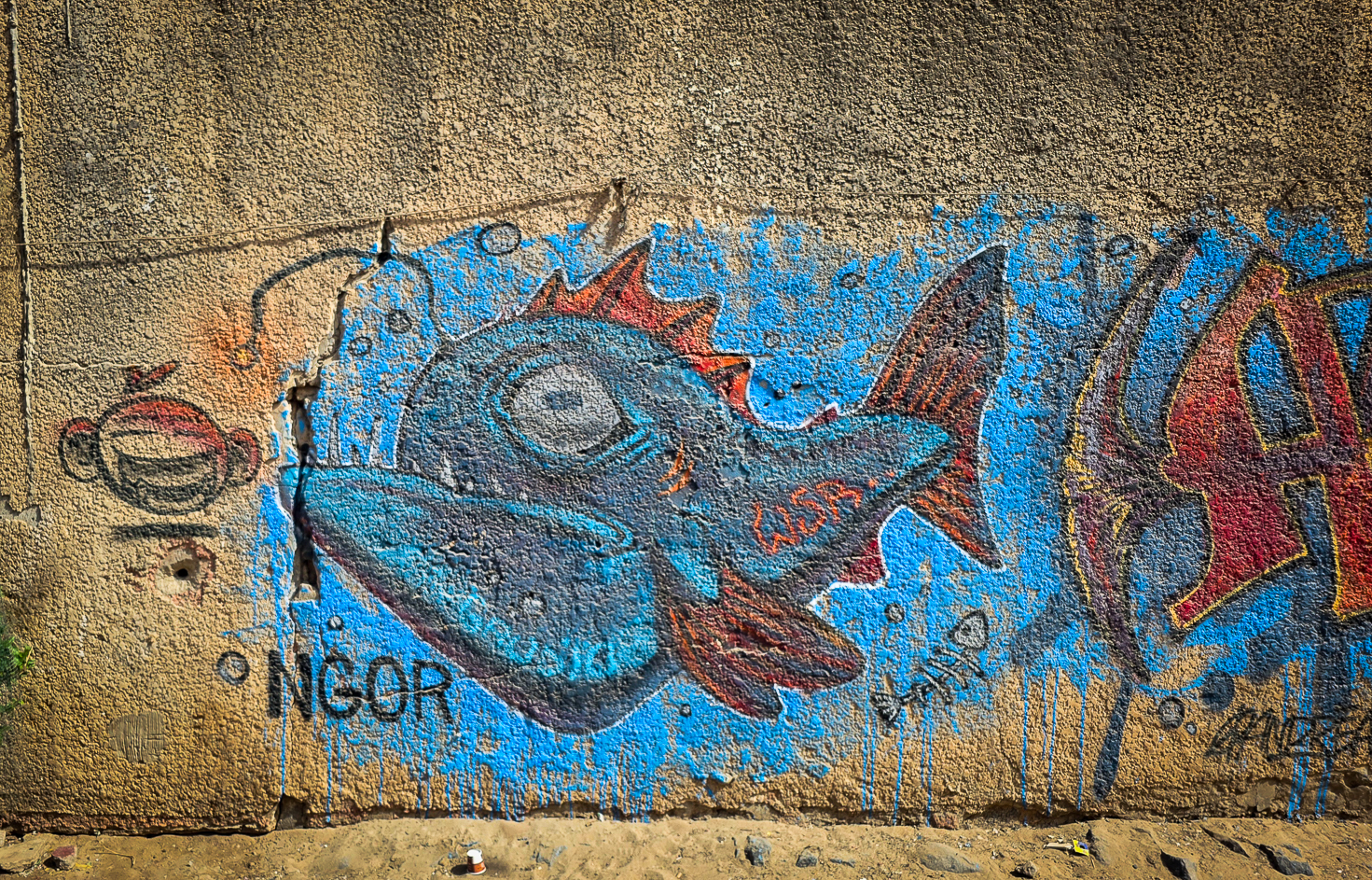
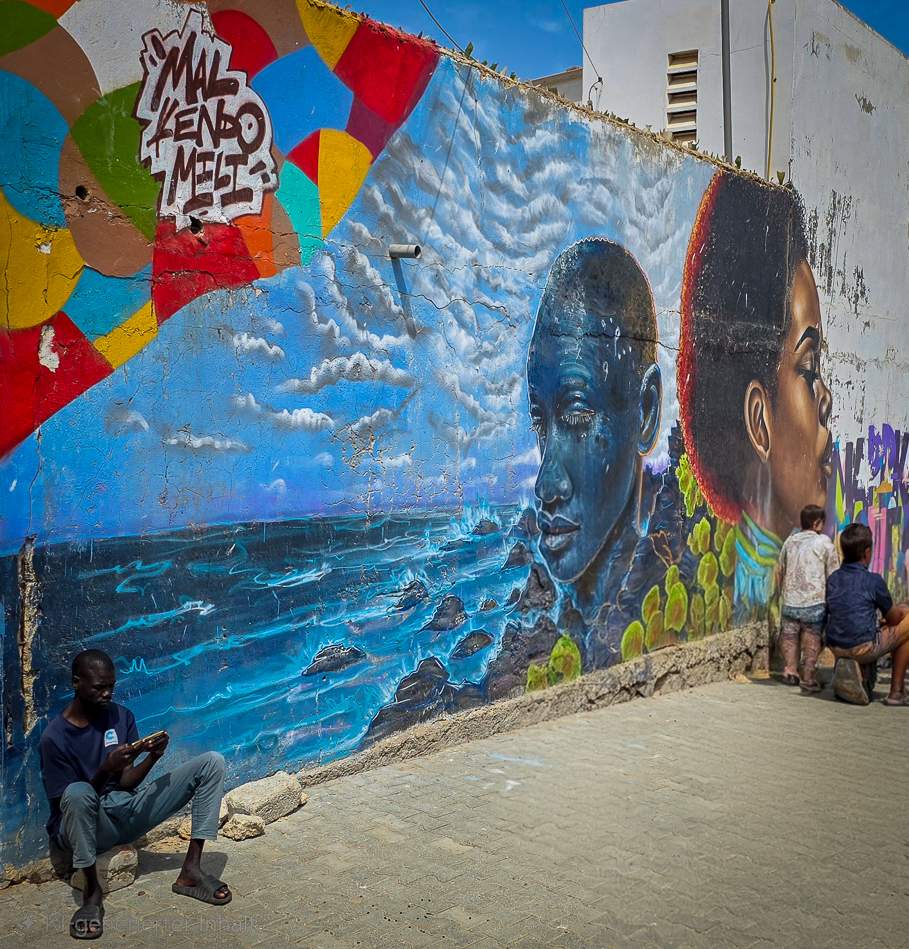
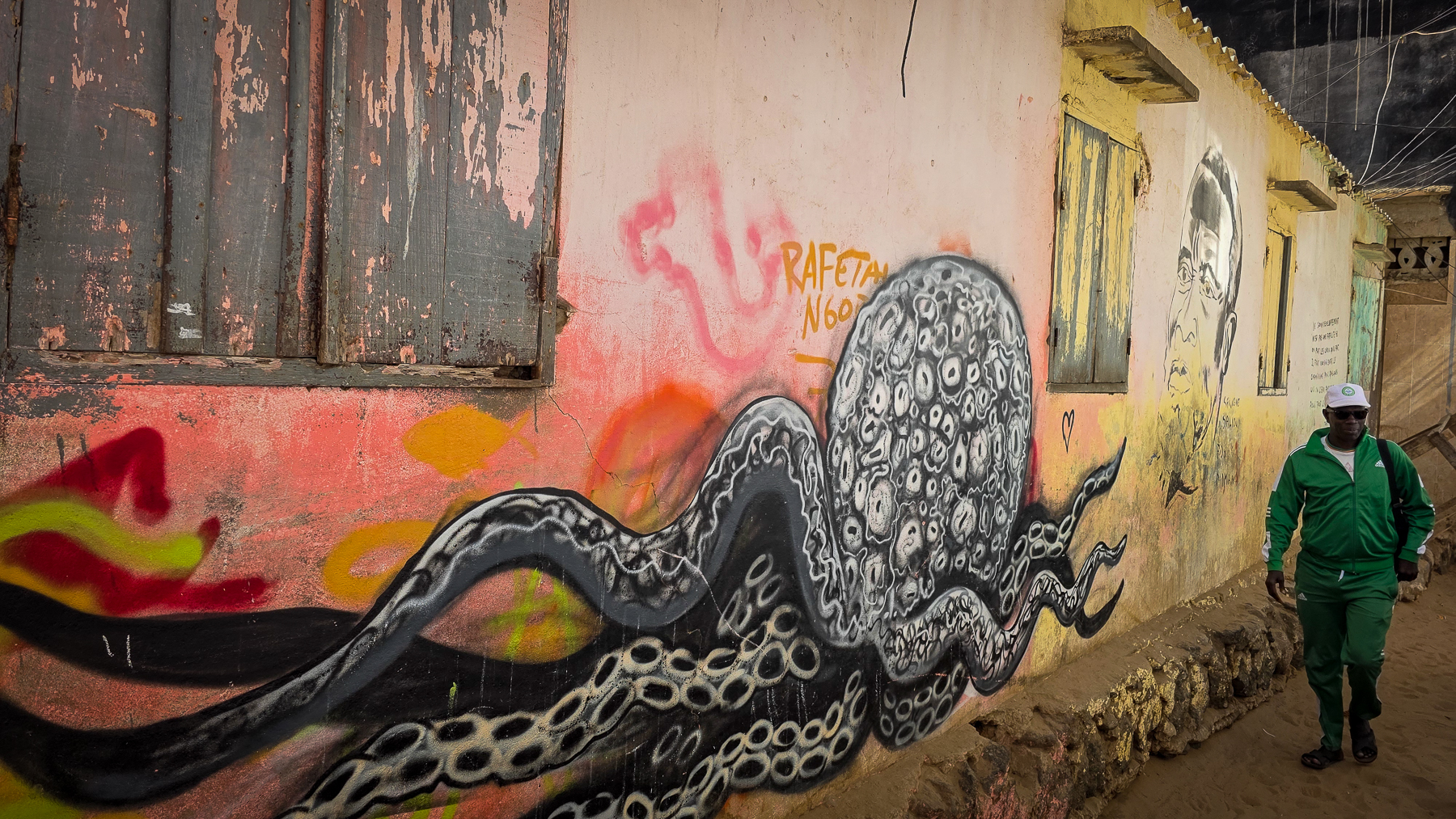
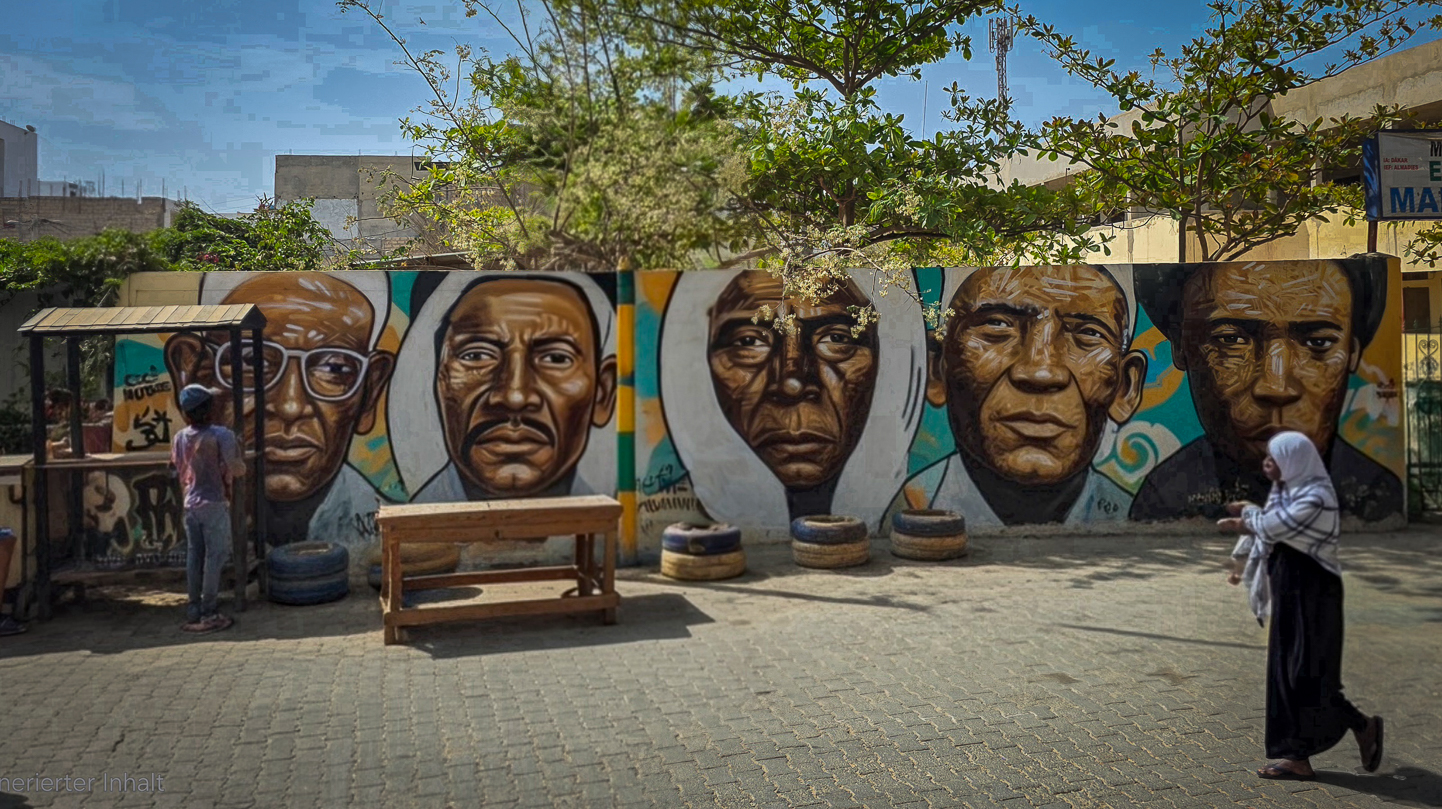
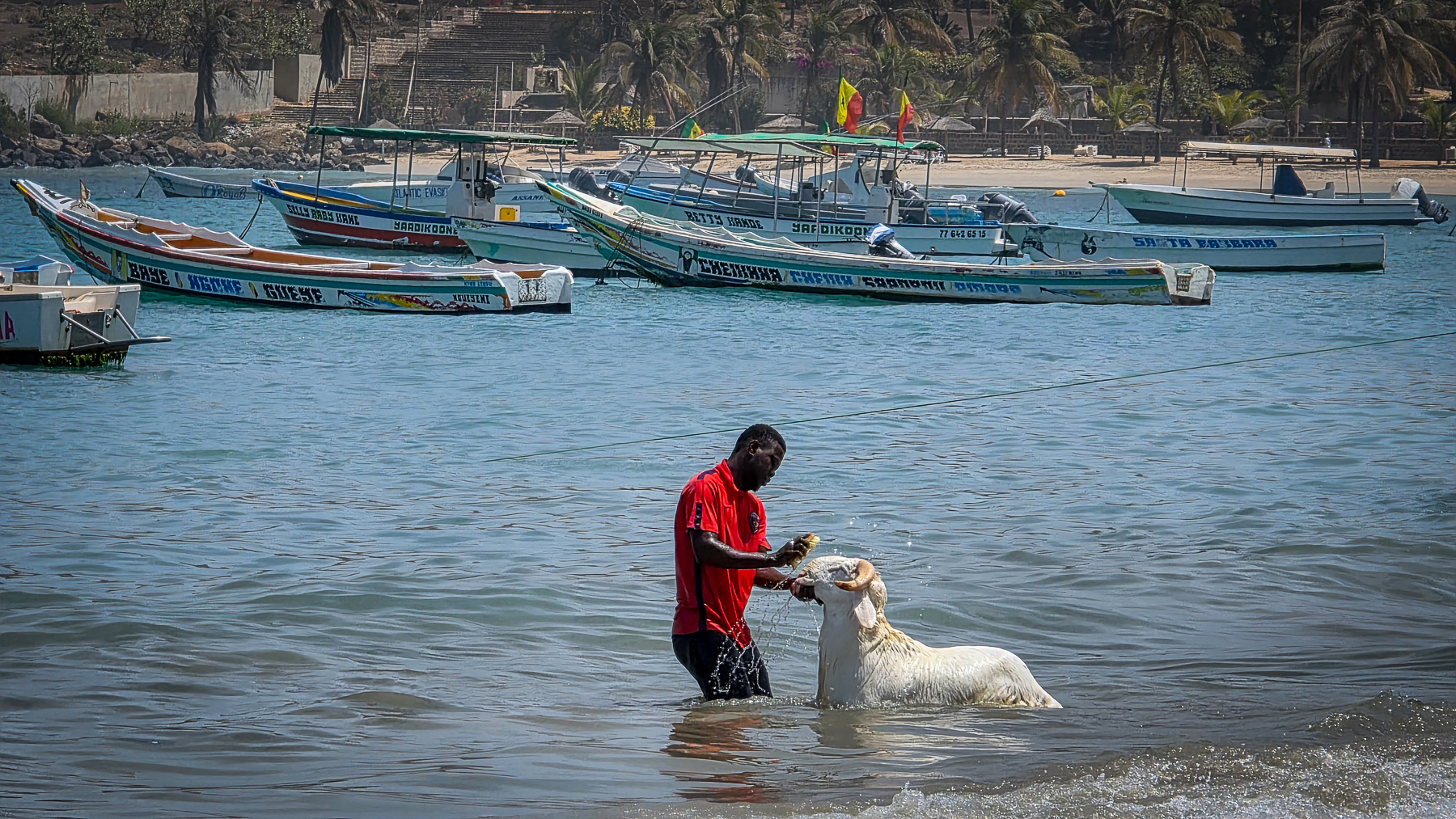
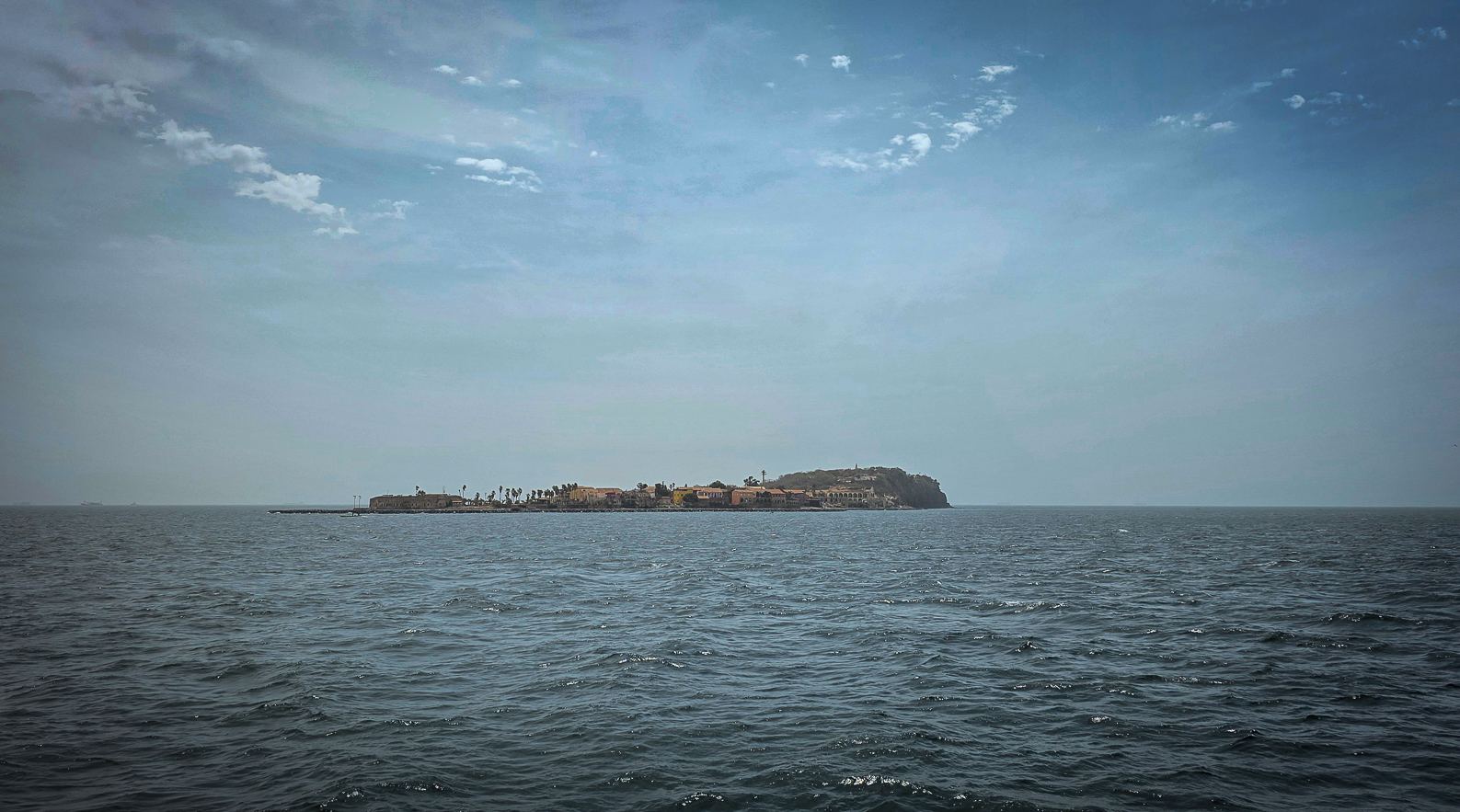
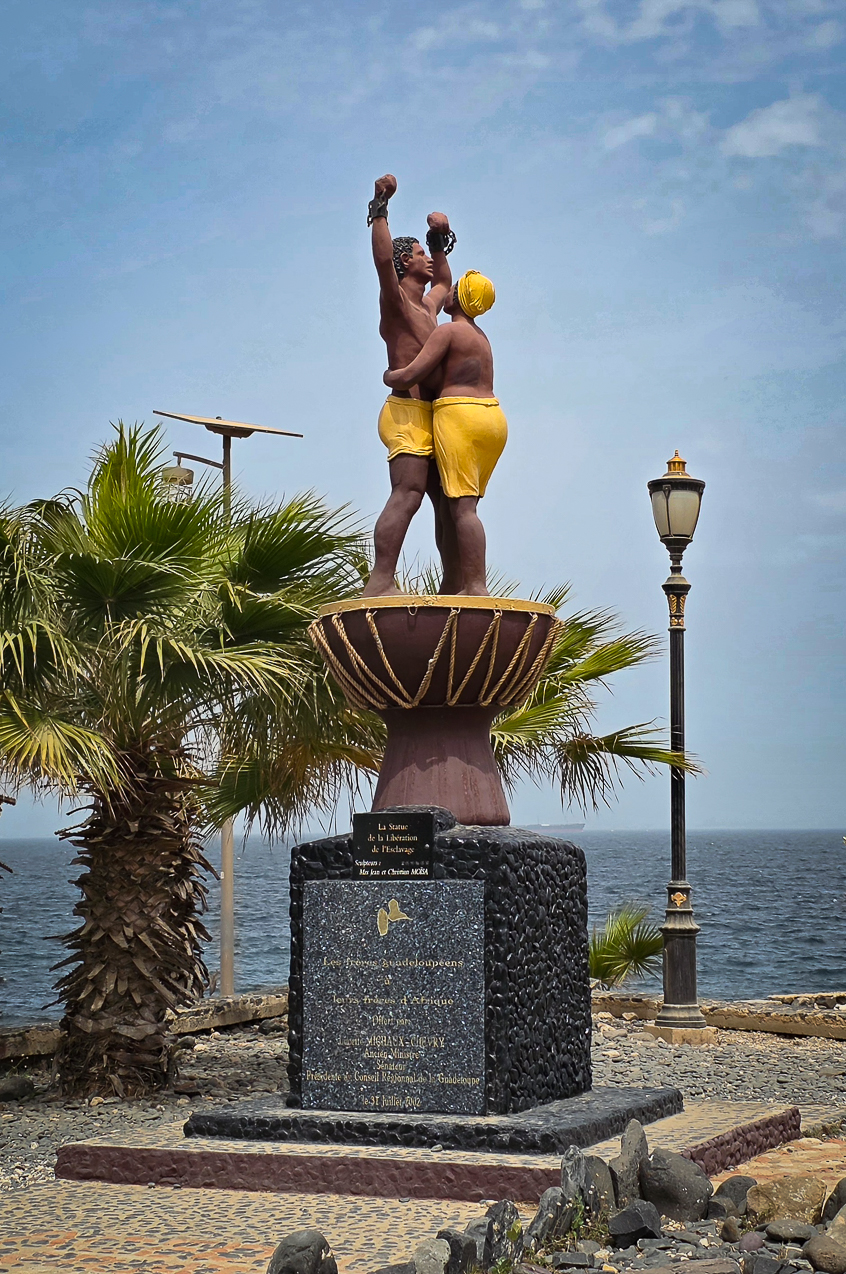
Saint-Louis and Dakar showed us two very different faces of the country. Saint-Louis impressed us with its colonial architecture and historical charm; as the former capital of French West Africa, the island still carries the layout, balconies and faded elegance of a colonial trading city. Dakar felt hectic, crowded and surprisingly exhausting. We visited Gorée Island, which is one of Senegal’s most symbolic places of remembrance for the transatlantic slave trade, even if the experience itself felt less intense than expected. We also spent time on the small island of N’Gor, just off the coast of Dakar, known for its colorful fishing boats, relaxed atmosphere and vibrant local art scene. Compared to the bustle of Dakar, N’Gor felt like a peaceful retreat where life moved at a much slower pace. We explored some street art districts and spent quite some time navigating the traffic chaos. Dakar was interesting to see, but after a few days we were happy to leave the city behind and return to quieter places.
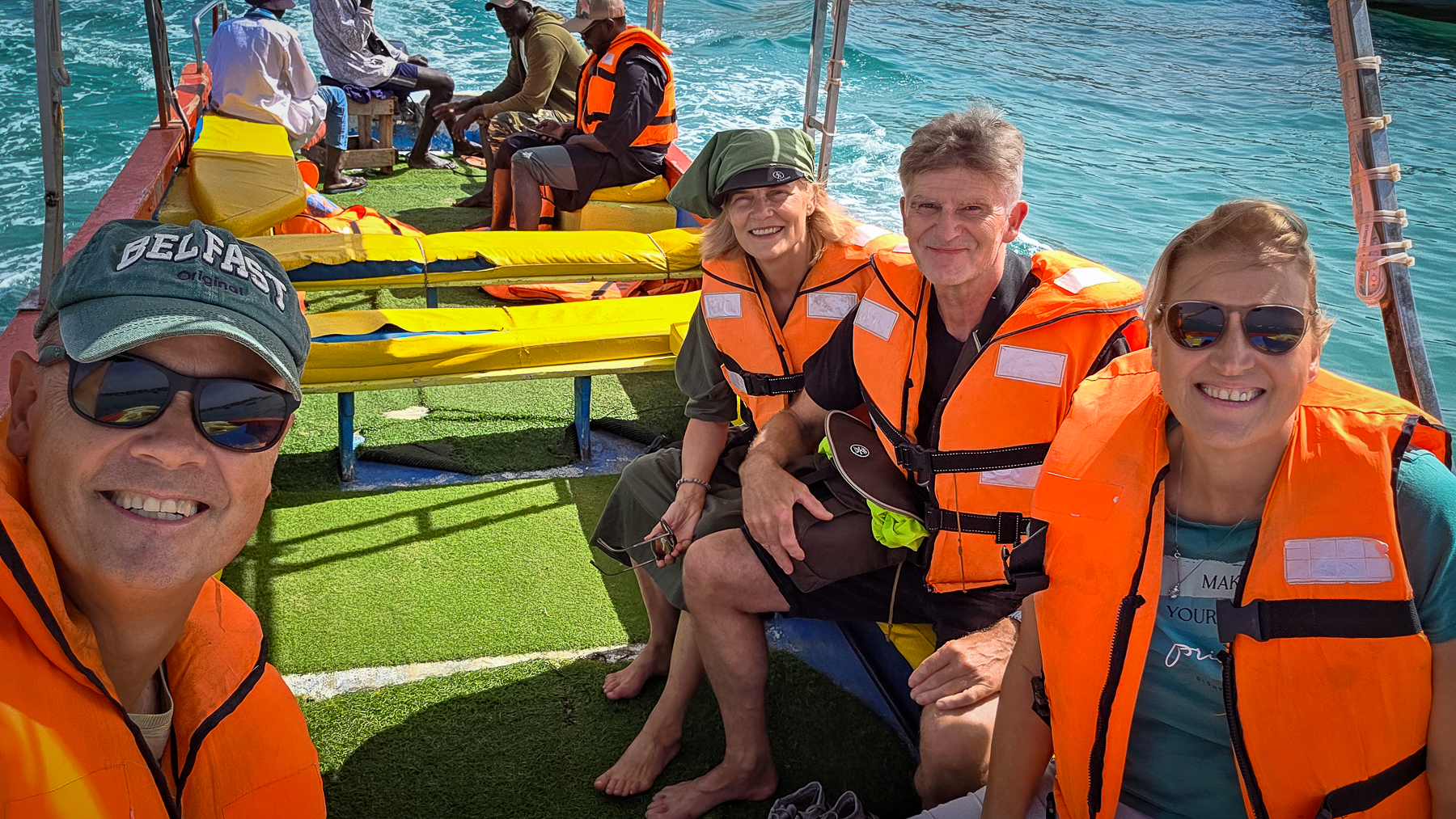
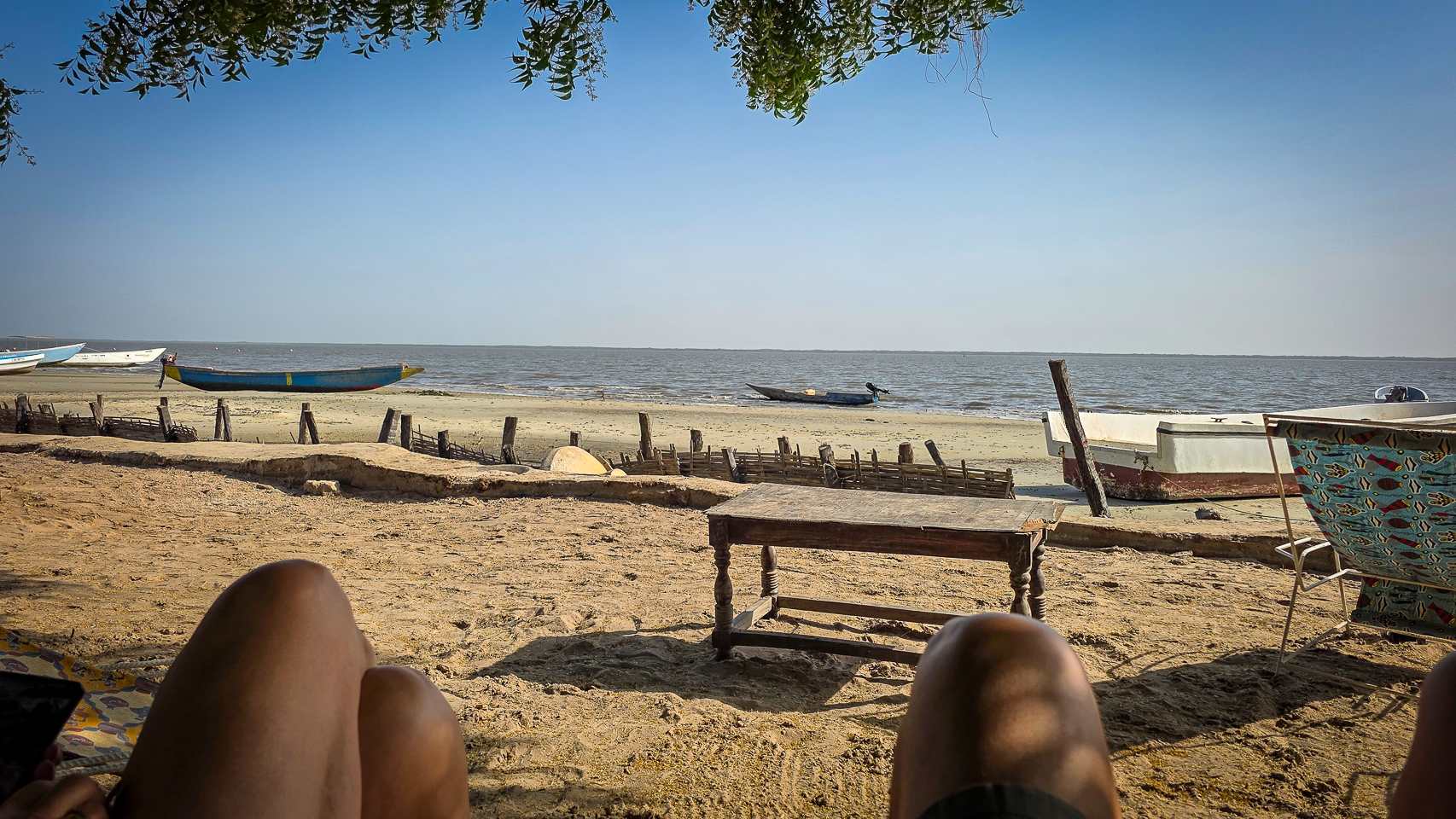
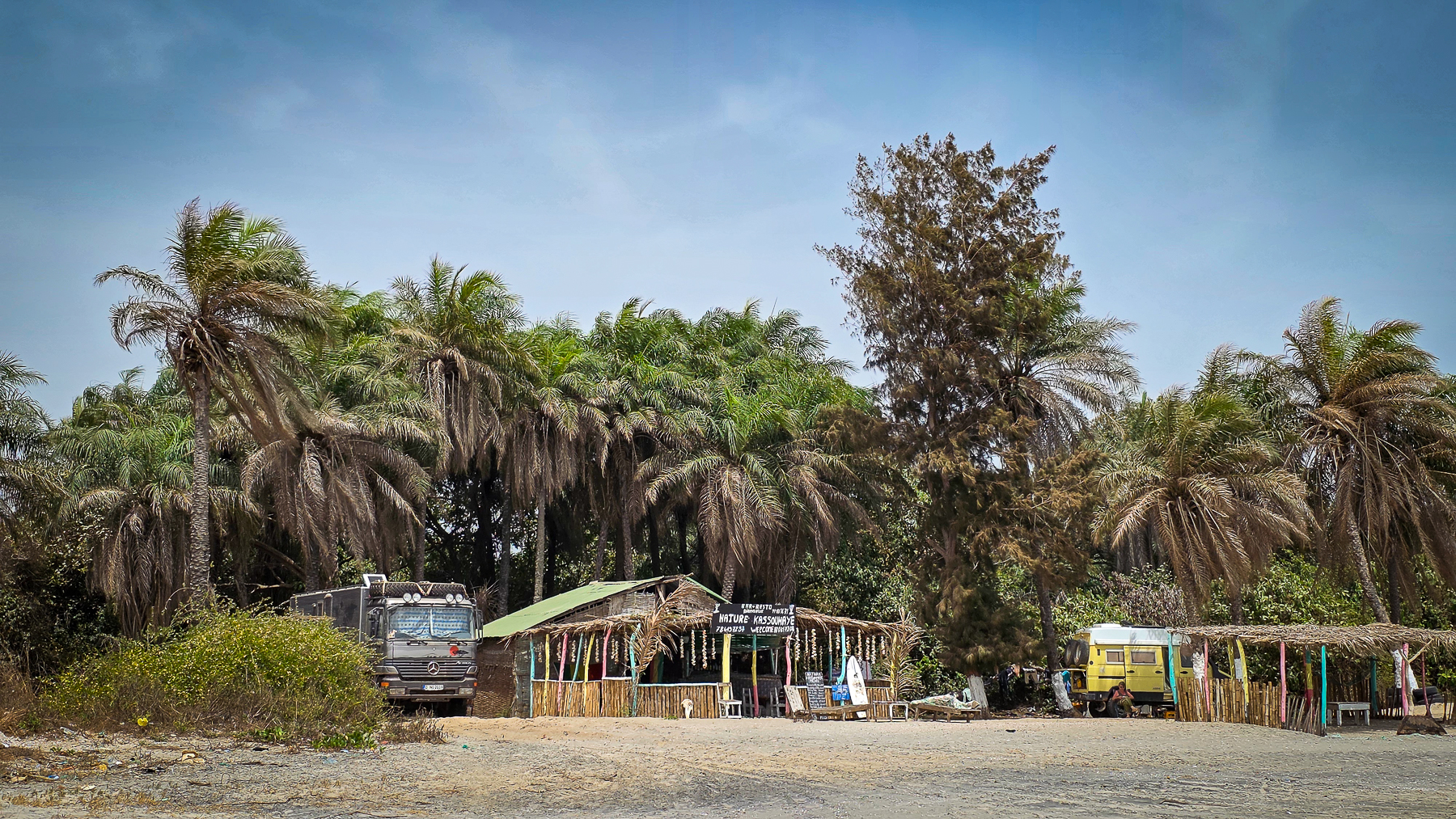
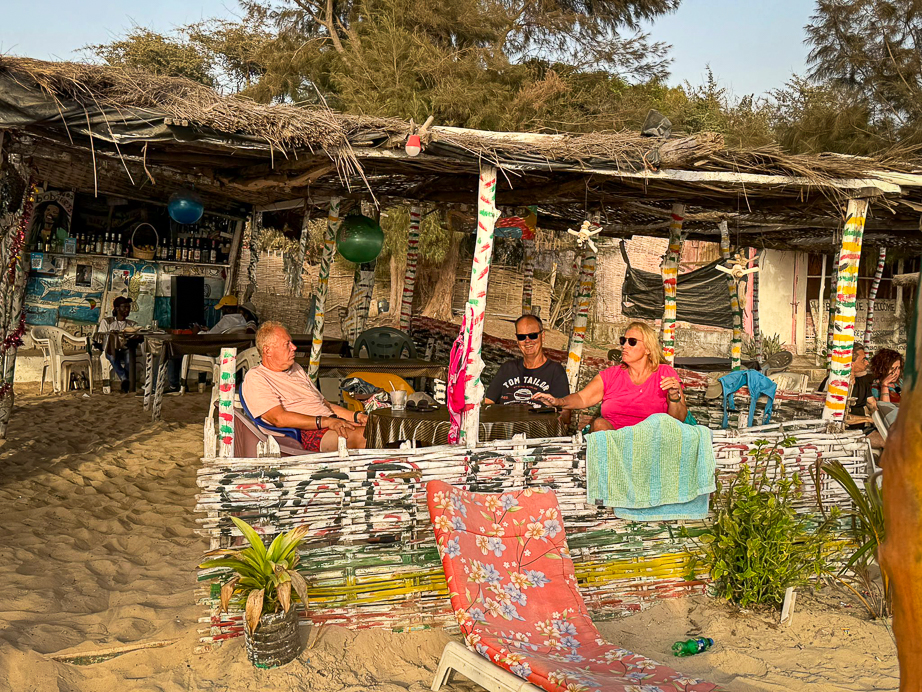
Life on the Atlantic Coast quickly became one of our favorite aspects of Senegal. Long beach walks, hammocks under palm trees, small lodges, mangrove tours and endless views over the ocean created a very relaxed atmosphere. Especially after the extreme heat further inland, the Atlantic breeze felt like a gift. Many days passed without major sightseeing, simply enjoying the slower rhythm of life. Looking back, these quiet days near the sea are among our strongest memories of Senegal.
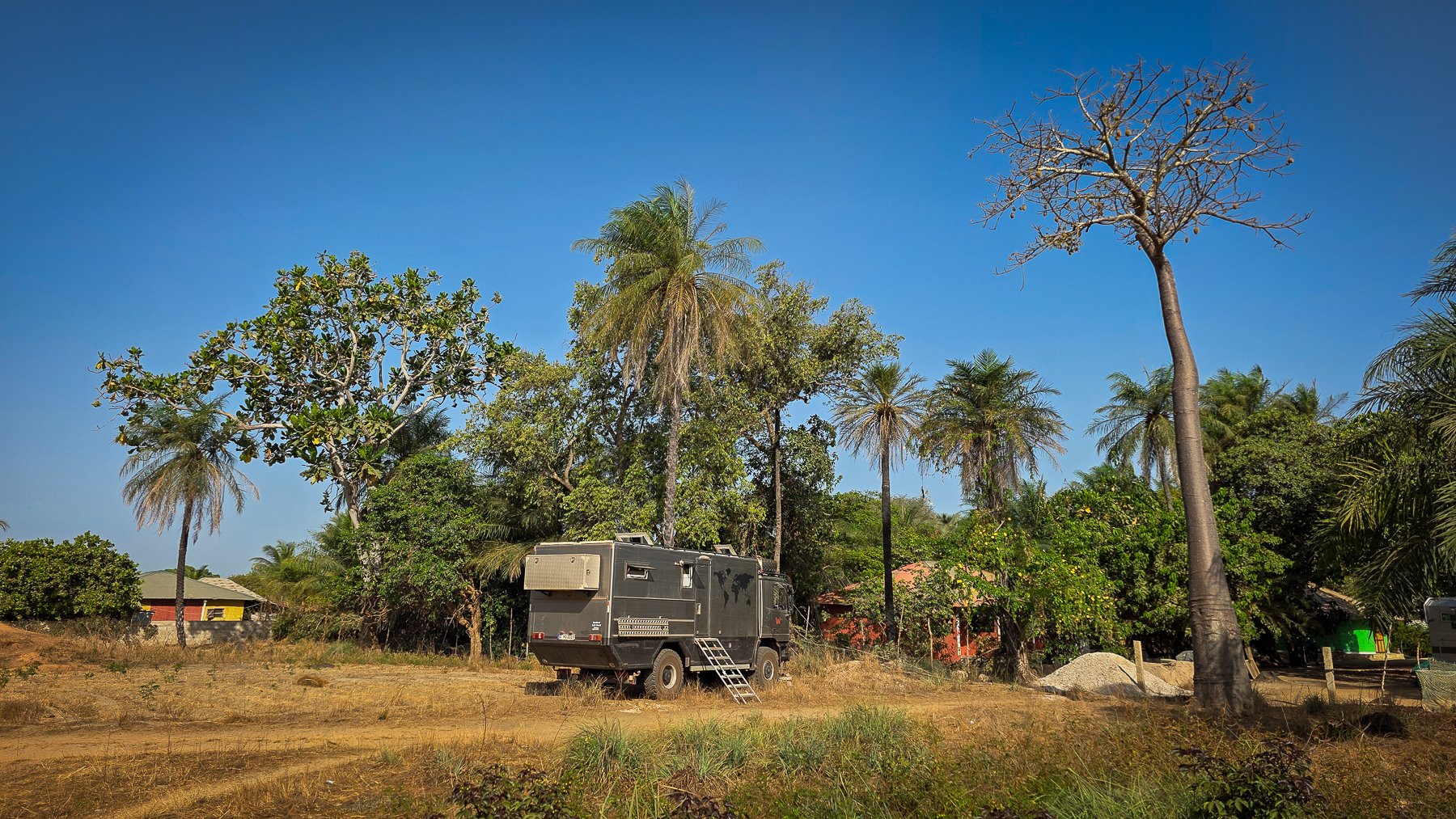
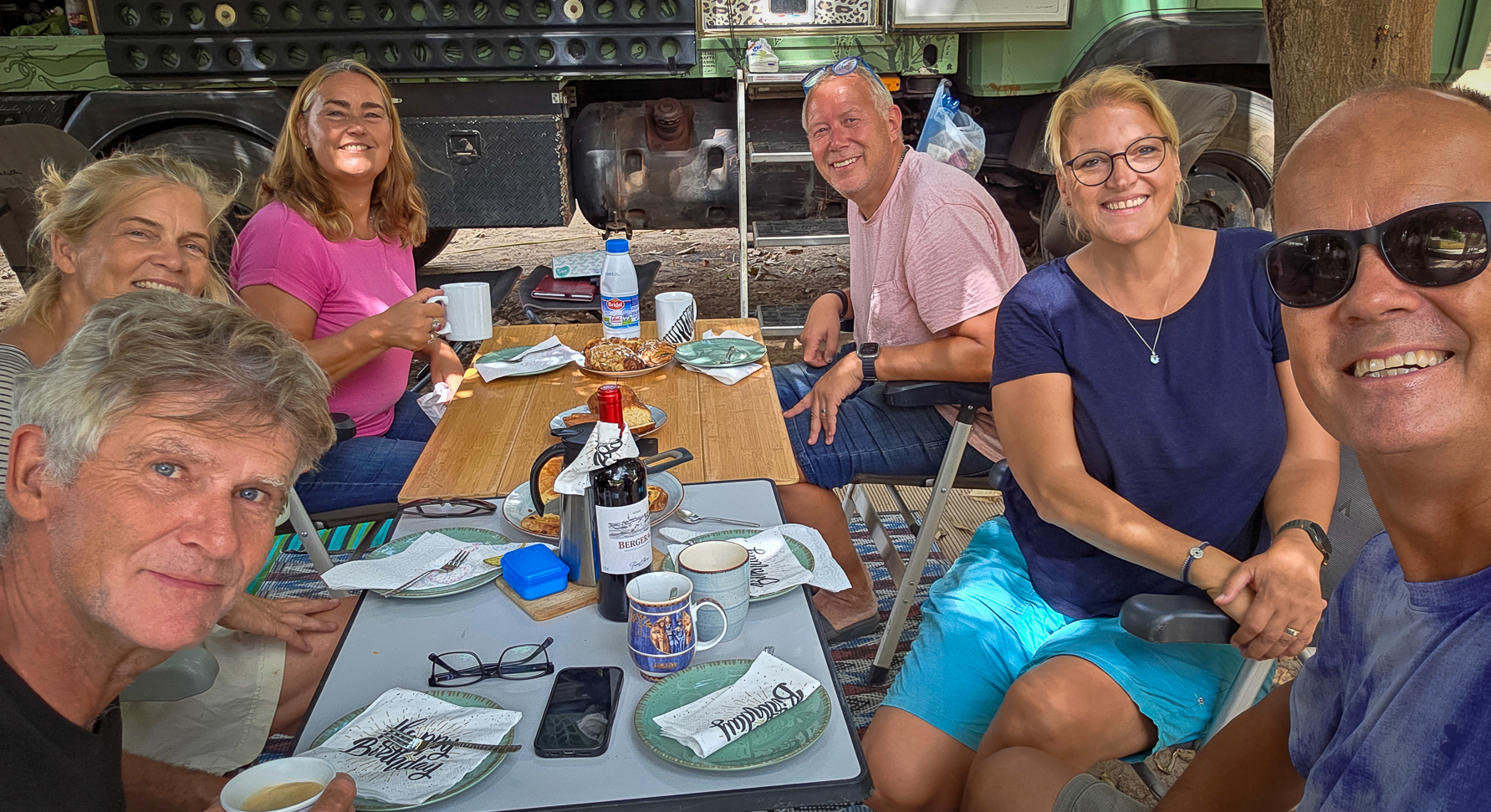
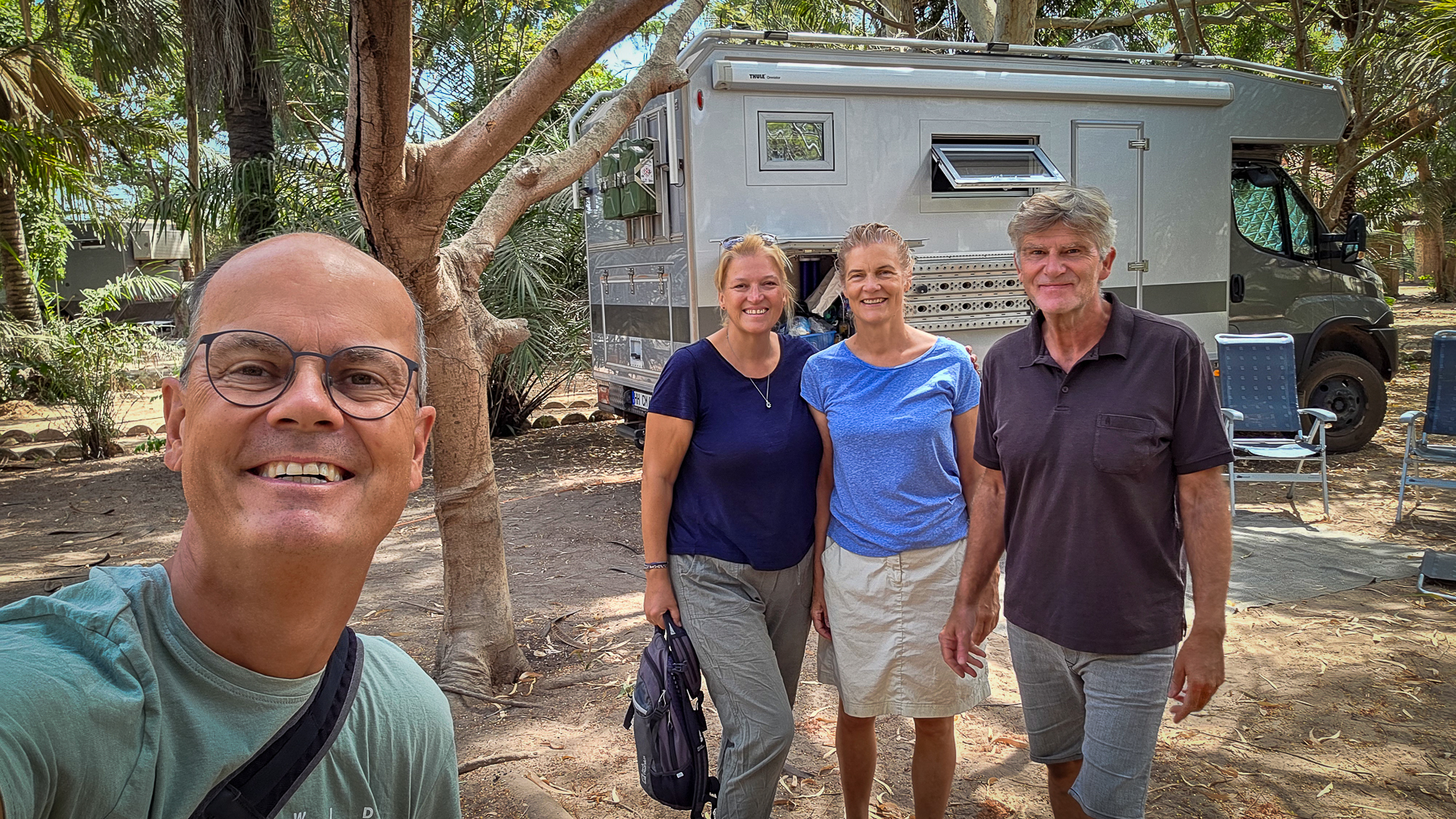
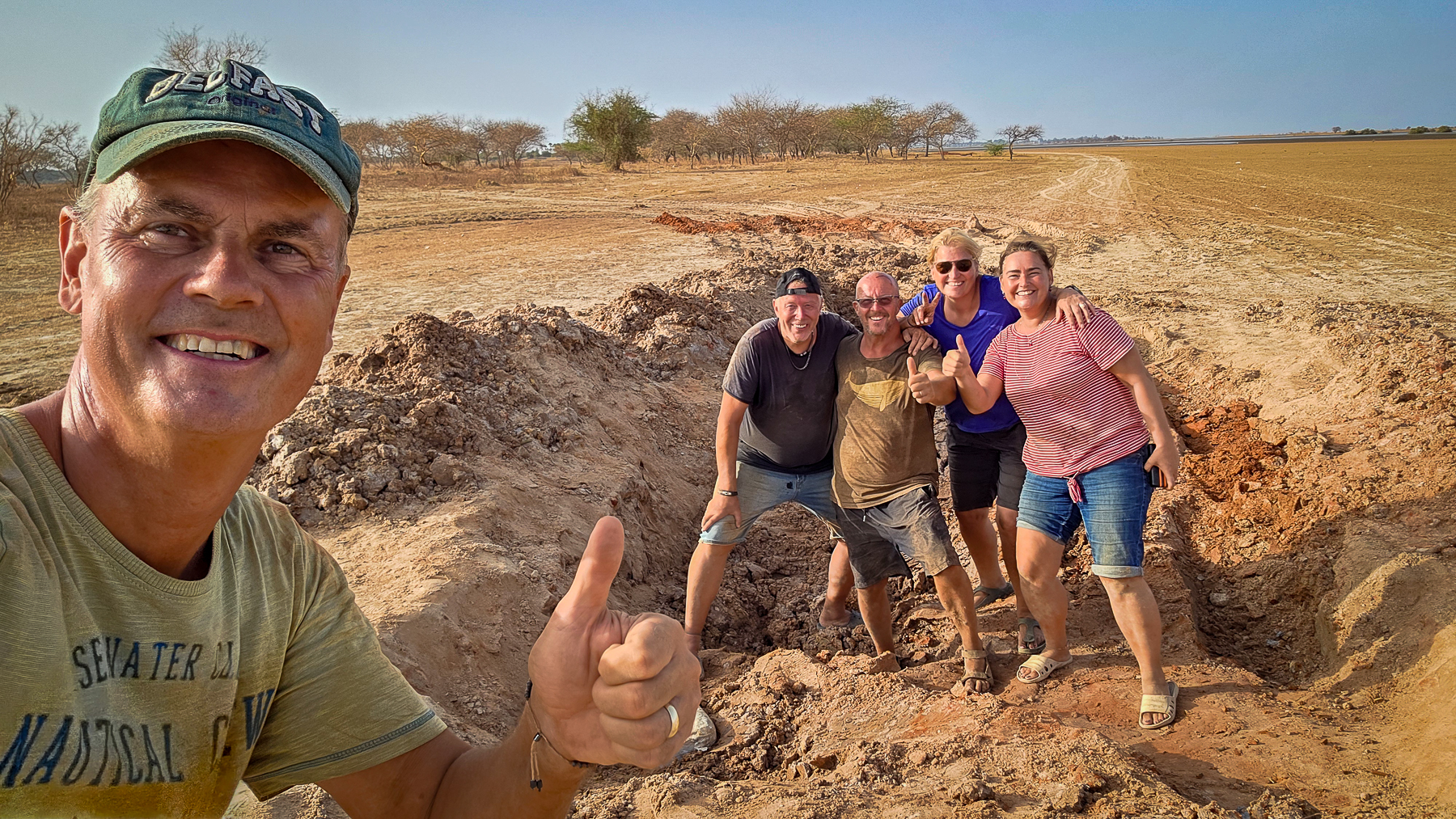
Traveling with Other Overlanders was another important part of our time in Senegal. We spent several weeks together with Marlis and Carsten from Hamburg, sharing campsites, meals, ideas and experiences. Traveling together often opens doors to activities that we would probably never have considered on our own. We realized that there are ‚other things to do on a world trip‘, that was very beneficial for the substance of our trip! We also had a great time with ‚Tina & Volker‘ plus ‚Susanne & Hans-Peter‘, they all are on a similar trip like we are, …on the way to South Africa.
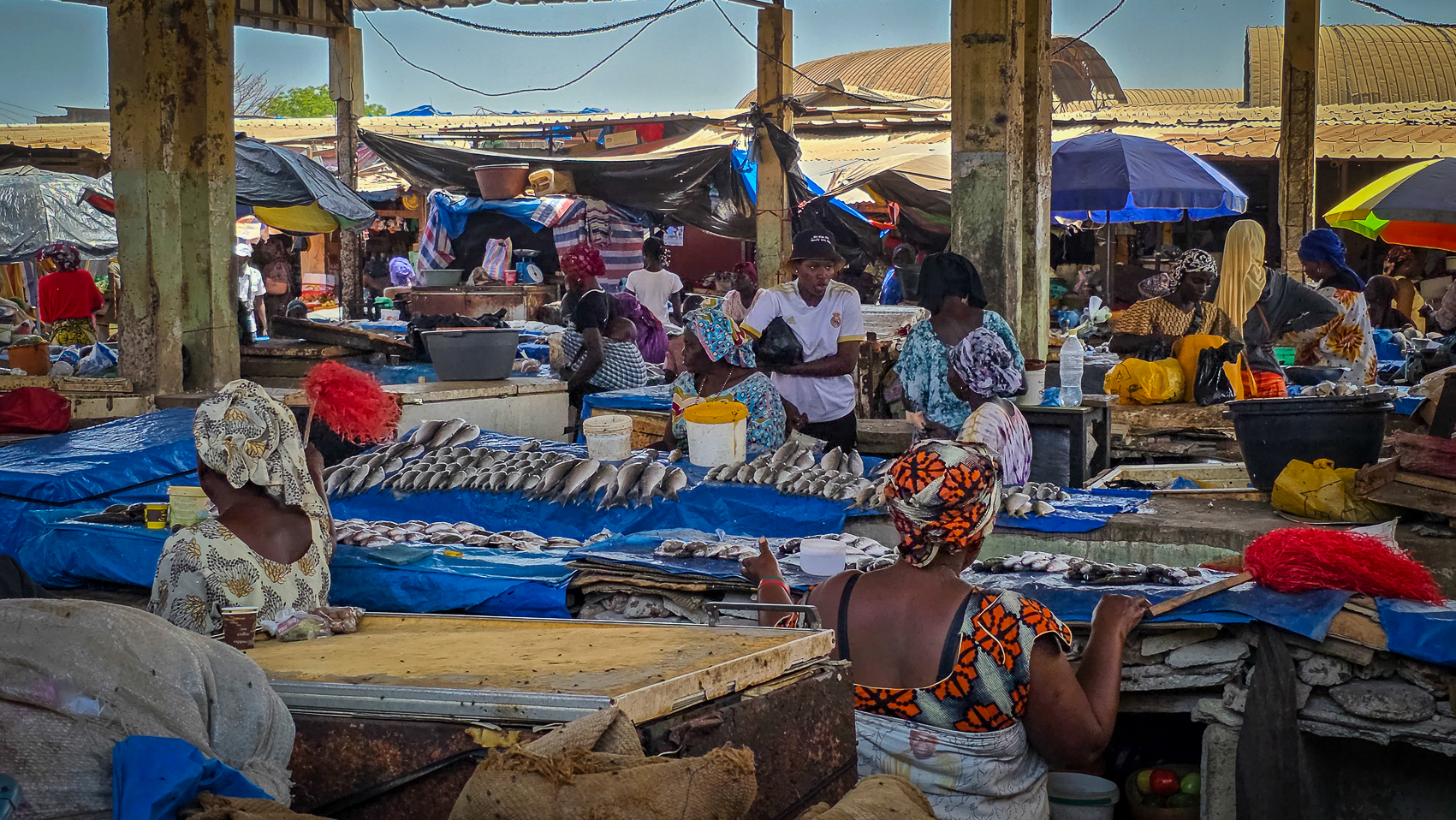
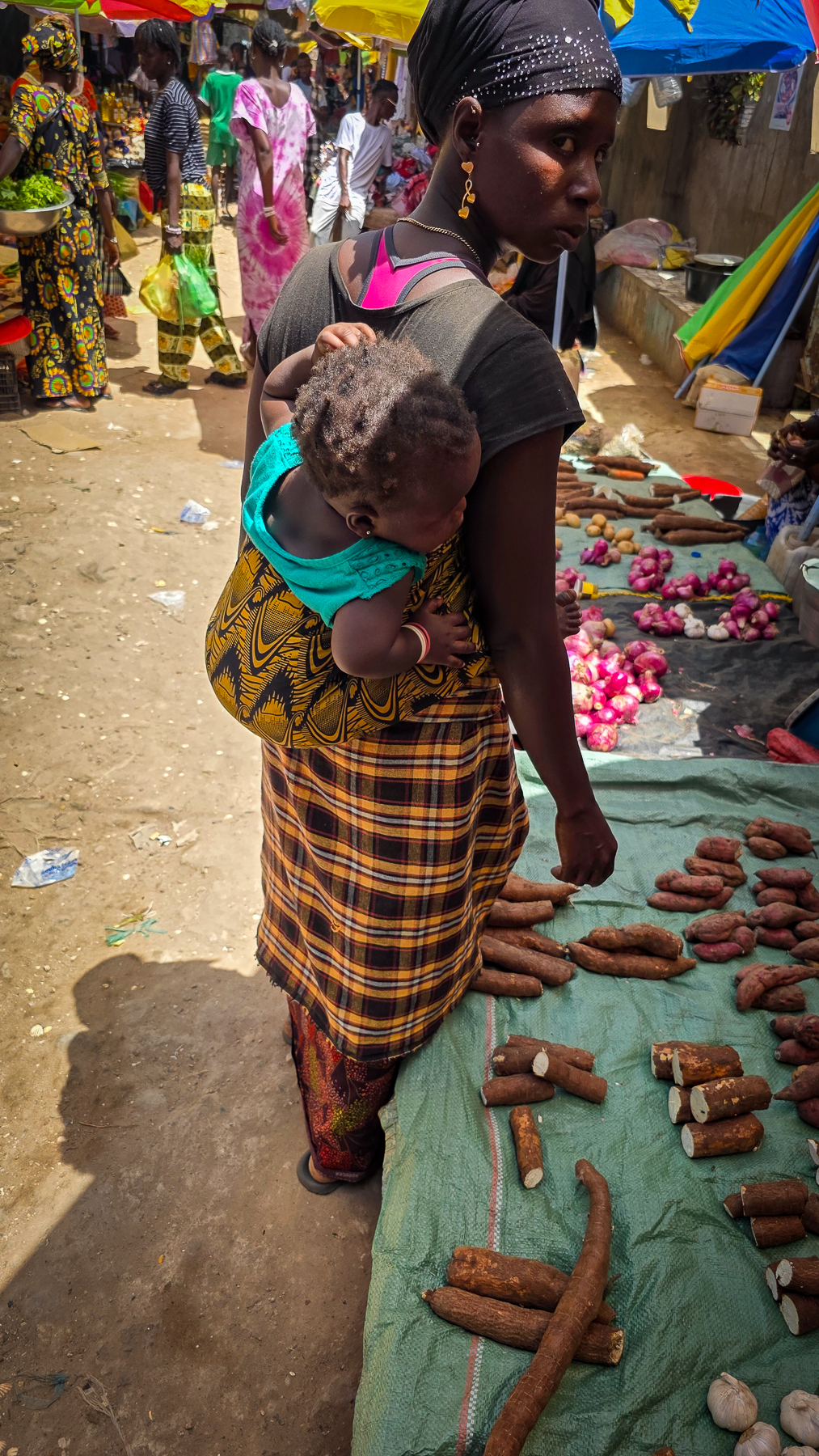
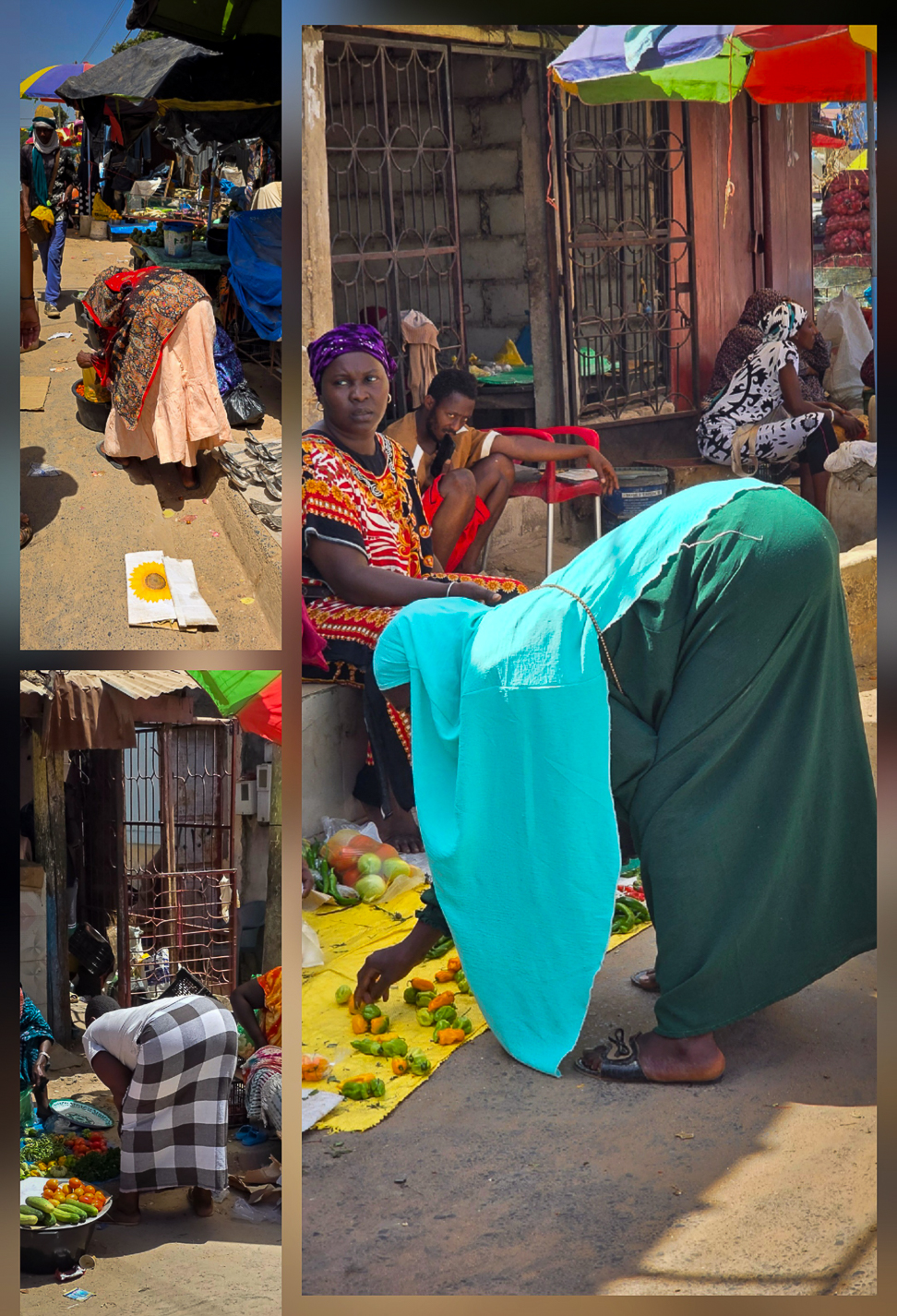
Casamance – A Different Senegal felt almost like a country within a country. The region is greener, more tropical and more relaxed than many other parts of Senegal. We visited the enormous market in Ziguinchor, arranged our Guinea-Bissau visa without any problems and explored river landscapes and mangroves. Even a distant manatee sighting added to the feeling that this region follows its own pace. If we had to describe Casamance in one sentence, it would probably be: less stress, more nature, and a very pleasant atmosphere.
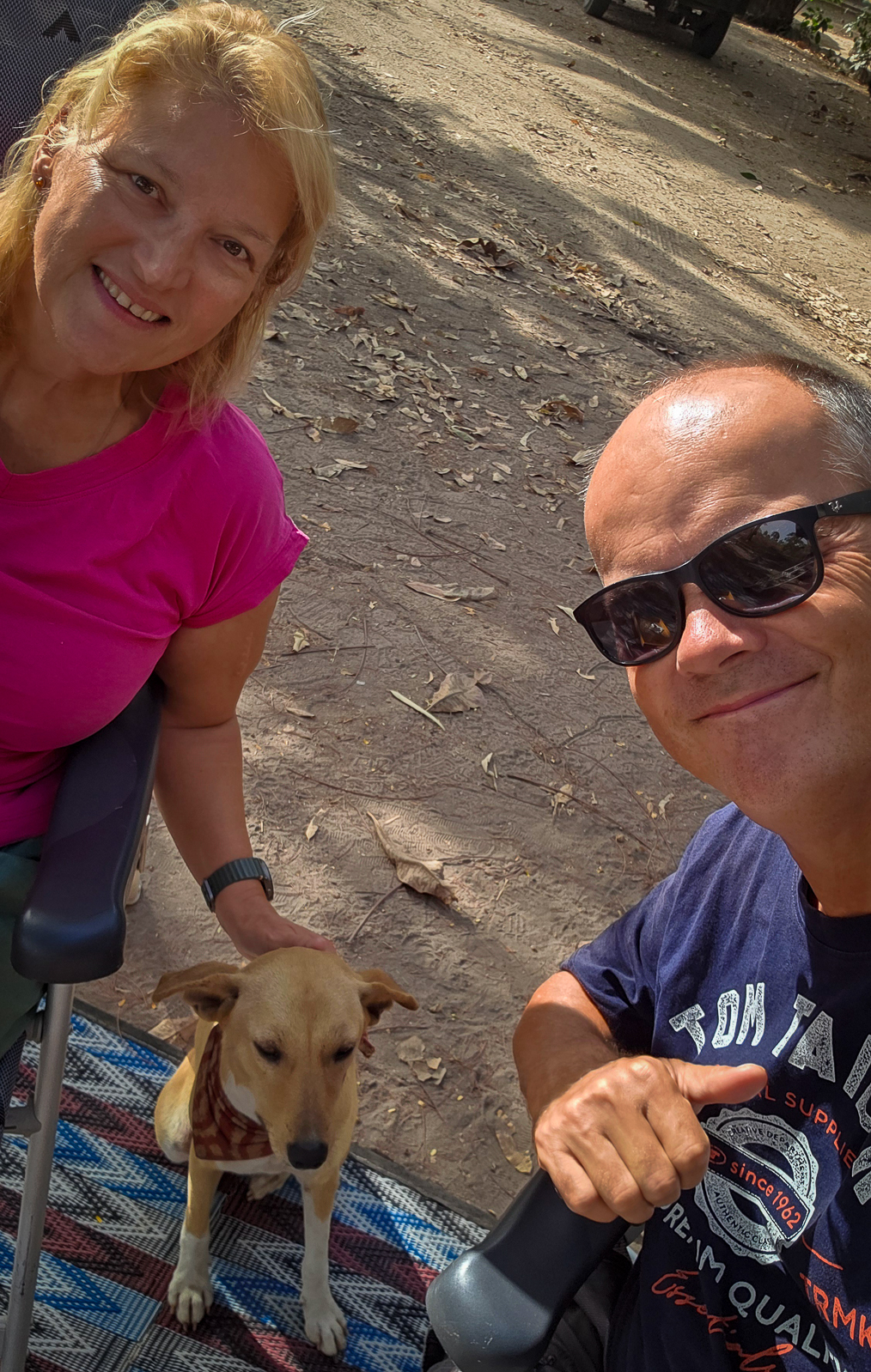
Cap Skirring and Village Life slowed us down even more. Fresh croissants and pain au chocolat in the morning, cows walking along the beach, friendly campsite dogs and campfires in the evening created a surprisingly French-African mix. We spent many days swimming, working on our projects and simply enjoying life near the ocean. Sometimes not much happened, which turned out to be exactly what we needed. Cap Skirring was one of those places where a few planned days can easily turn into a few weeks.
Festivals, Dance and Local Culture became one of the absolute highlights of our stay. Through local contacts we attended traditional festivals in Diembéreng and later a Kompo dance event near Oussouye. The energy was incredible: hours of dancing, drumming, wrestling, palm wine and celebrations that felt completely authentic. Nothing was staged for tourists, and that made the experience even more special. These events gave us a rare opportunity to experience local culture from the inside rather than simply observing it from a distance.
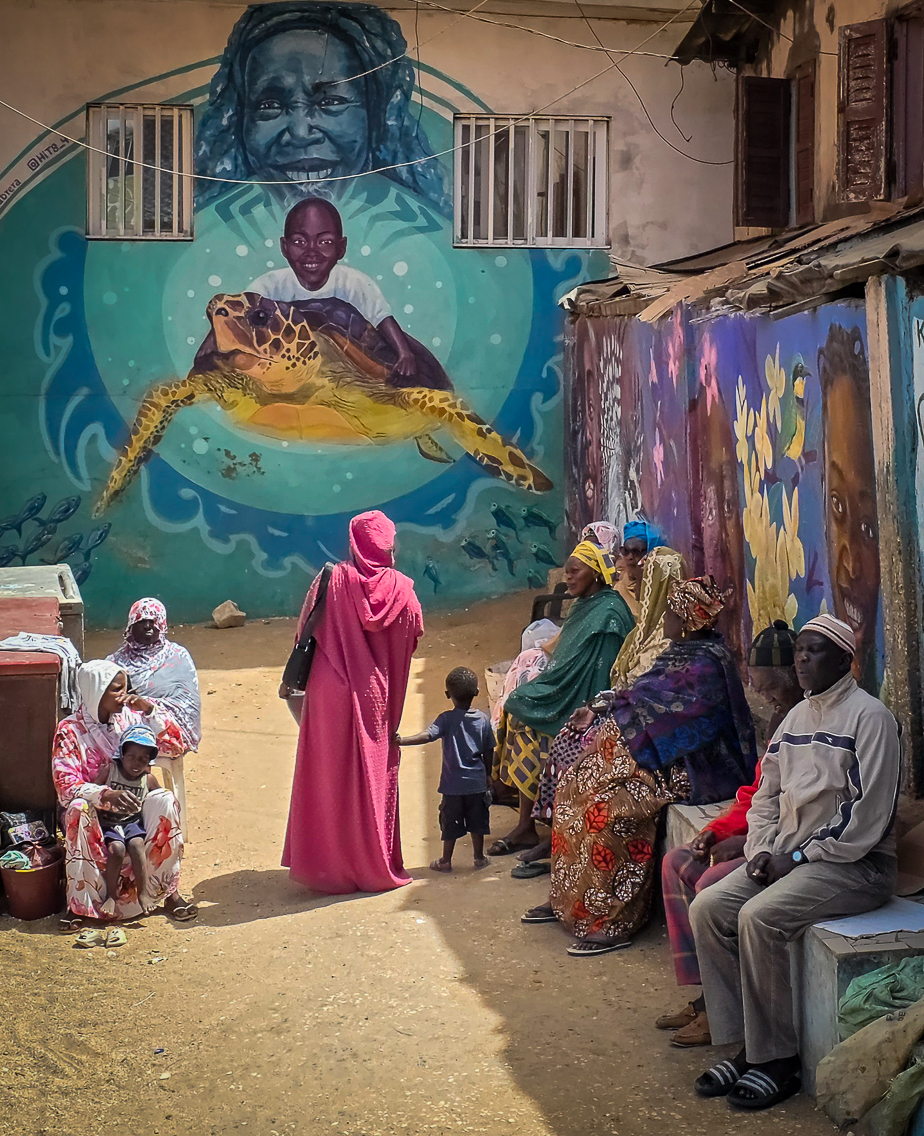
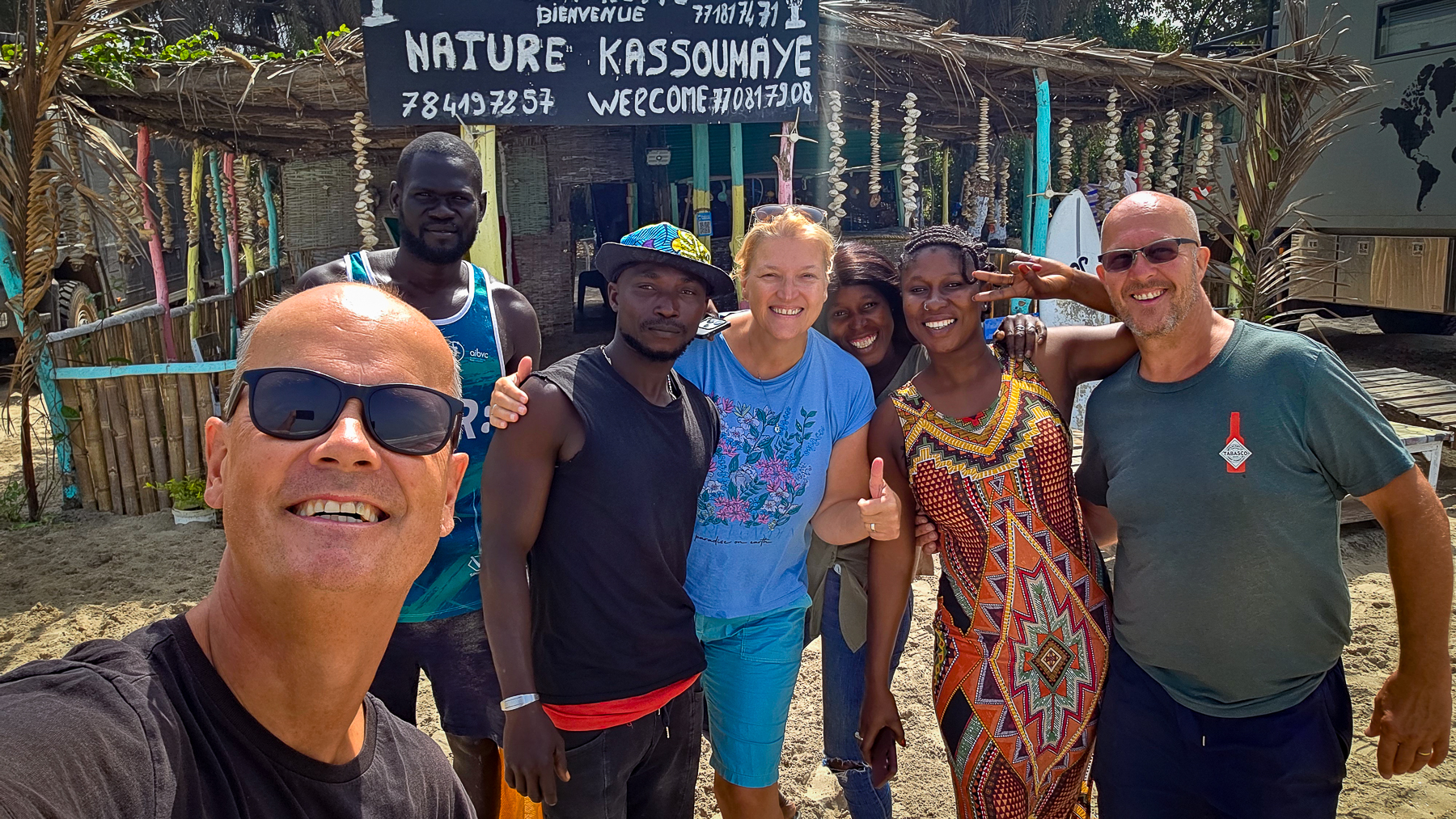
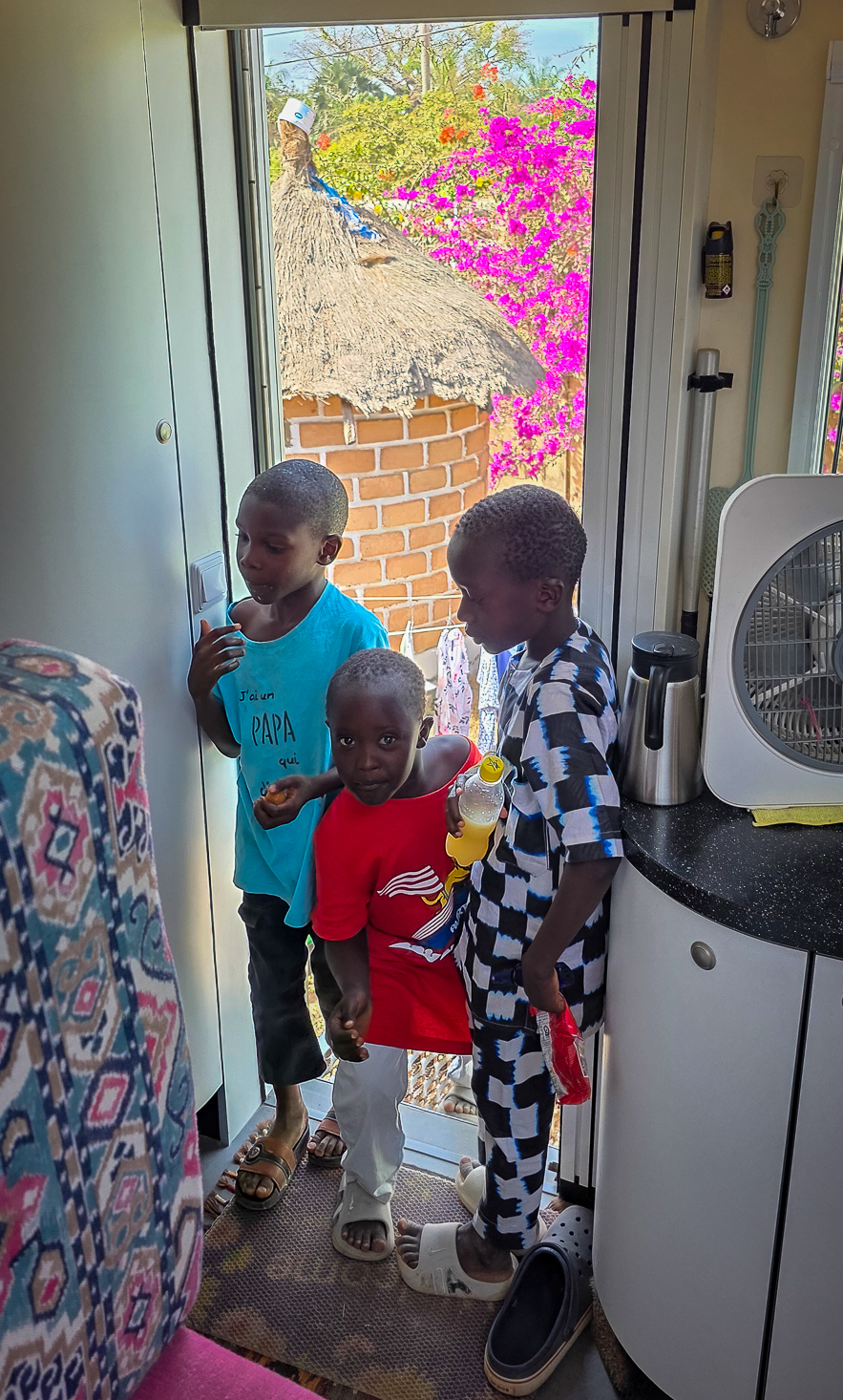
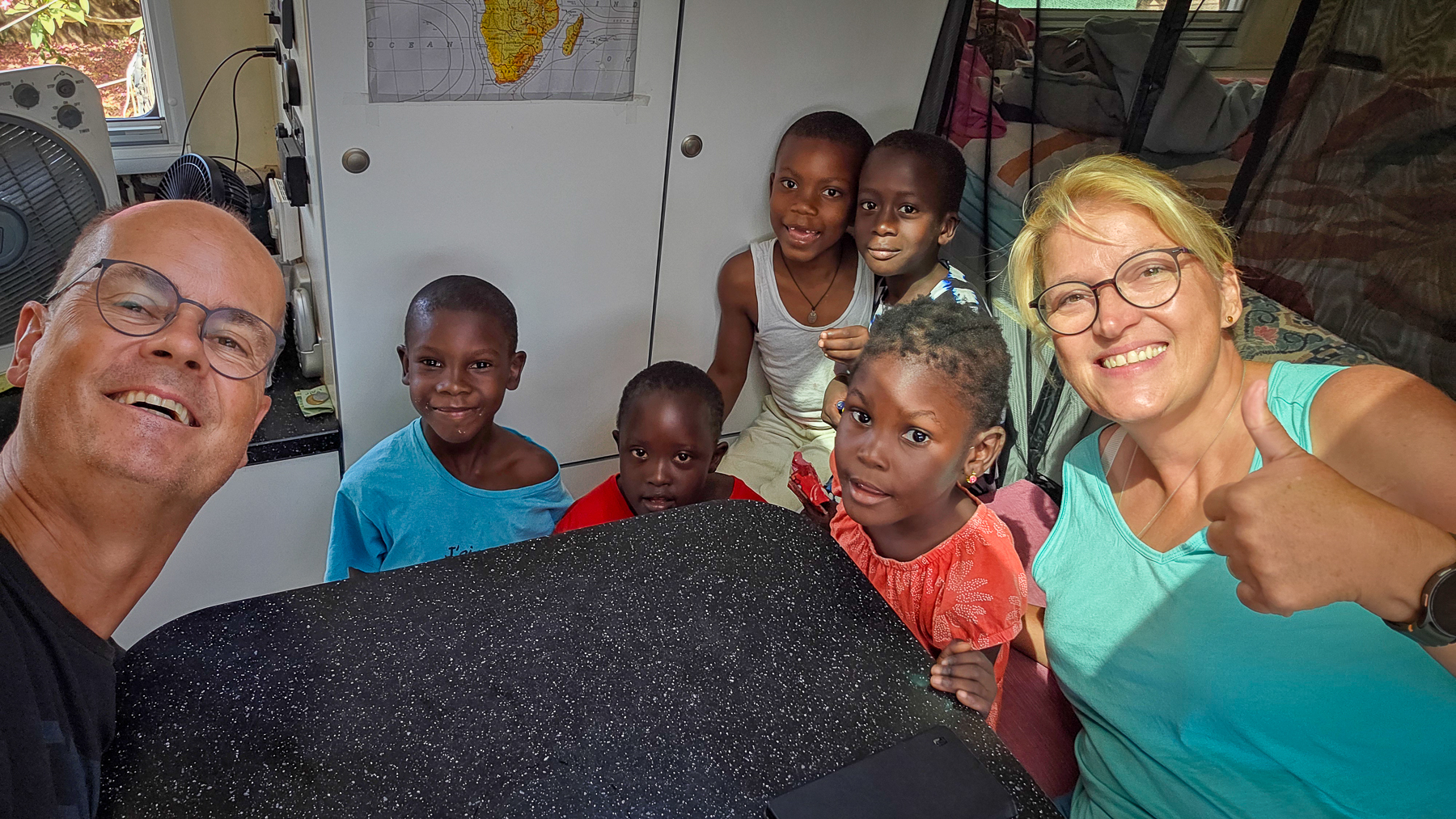
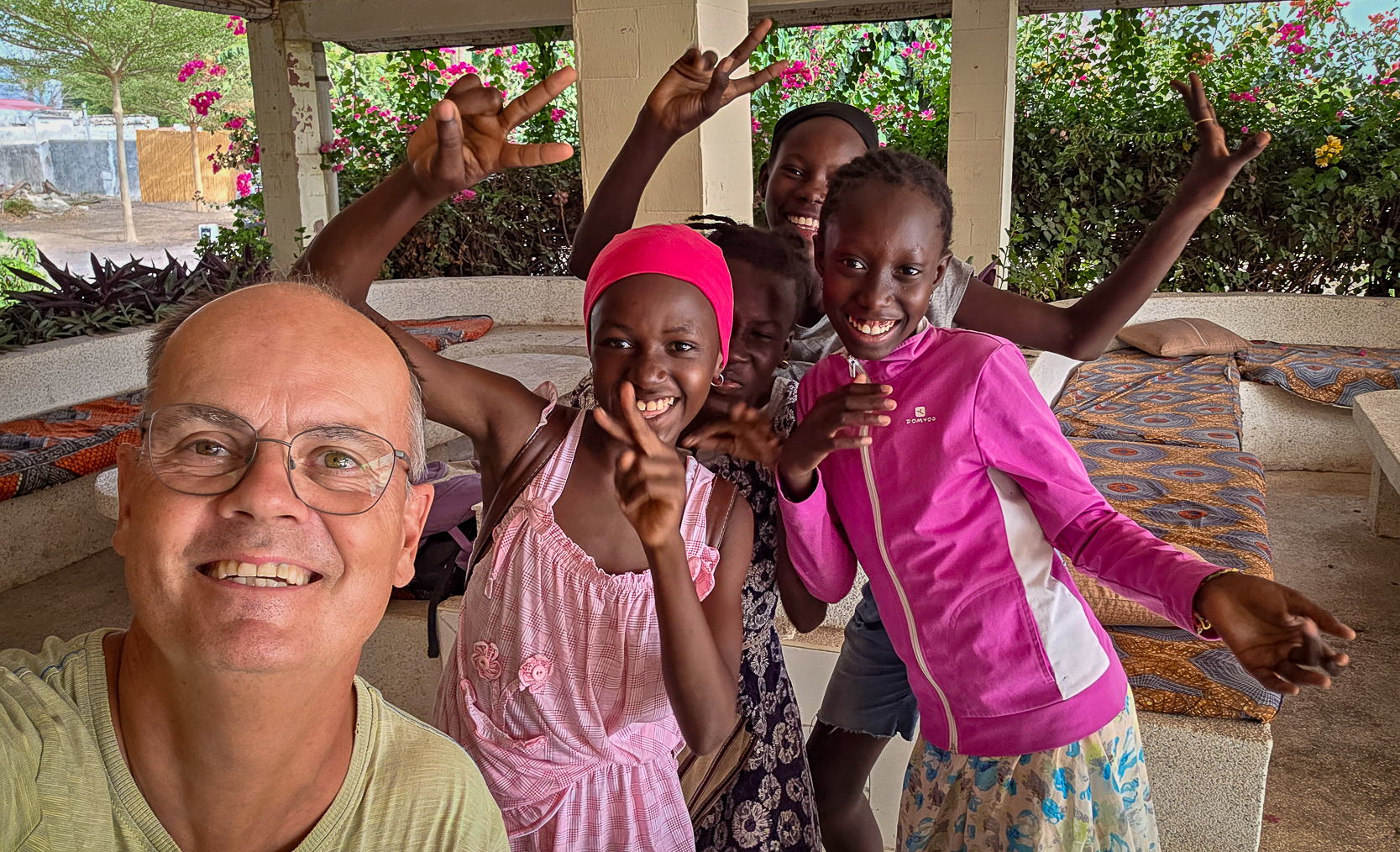
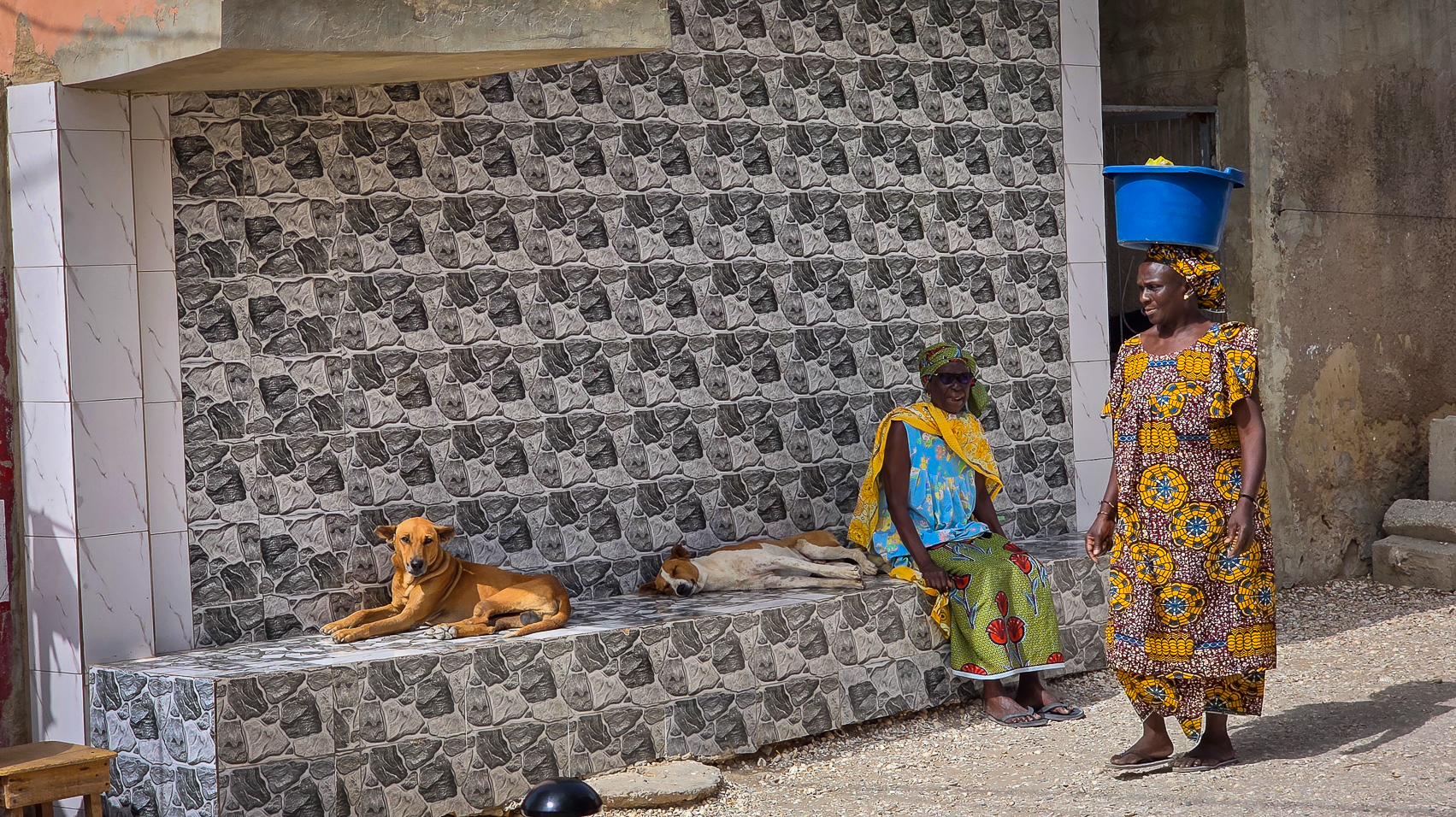
People, Children and Everyday Life often left the strongest impressions. Children appeared everywhere, usually in groups, curious and cheerful. We were repeatedly invited into conversations, observed village life and spent time with local families. One thing we noticed was how naturally children shared with each other and how strong the sense of community often seemed to be. Those small everyday encounters were often more memorable than any official attraction.
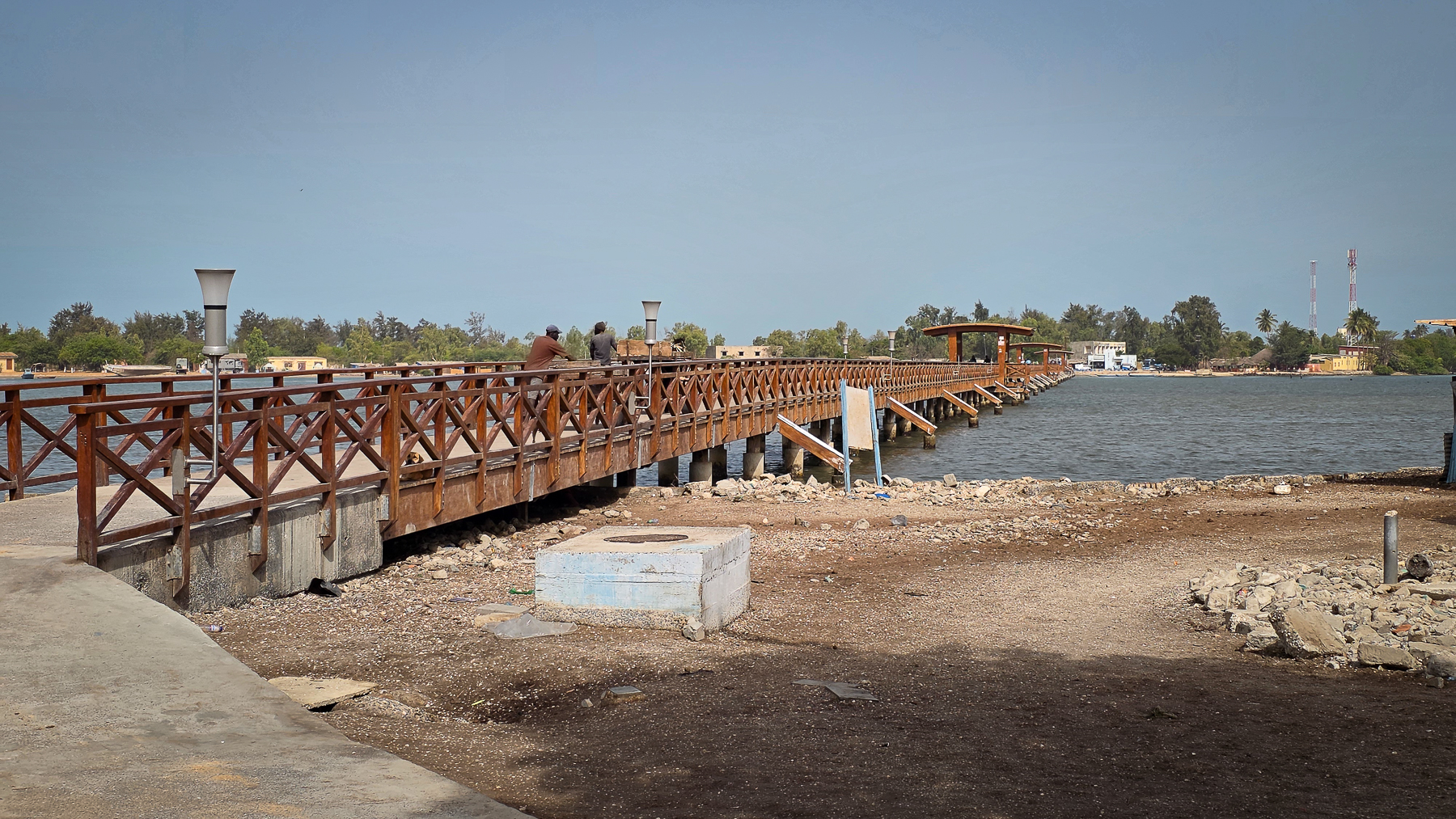
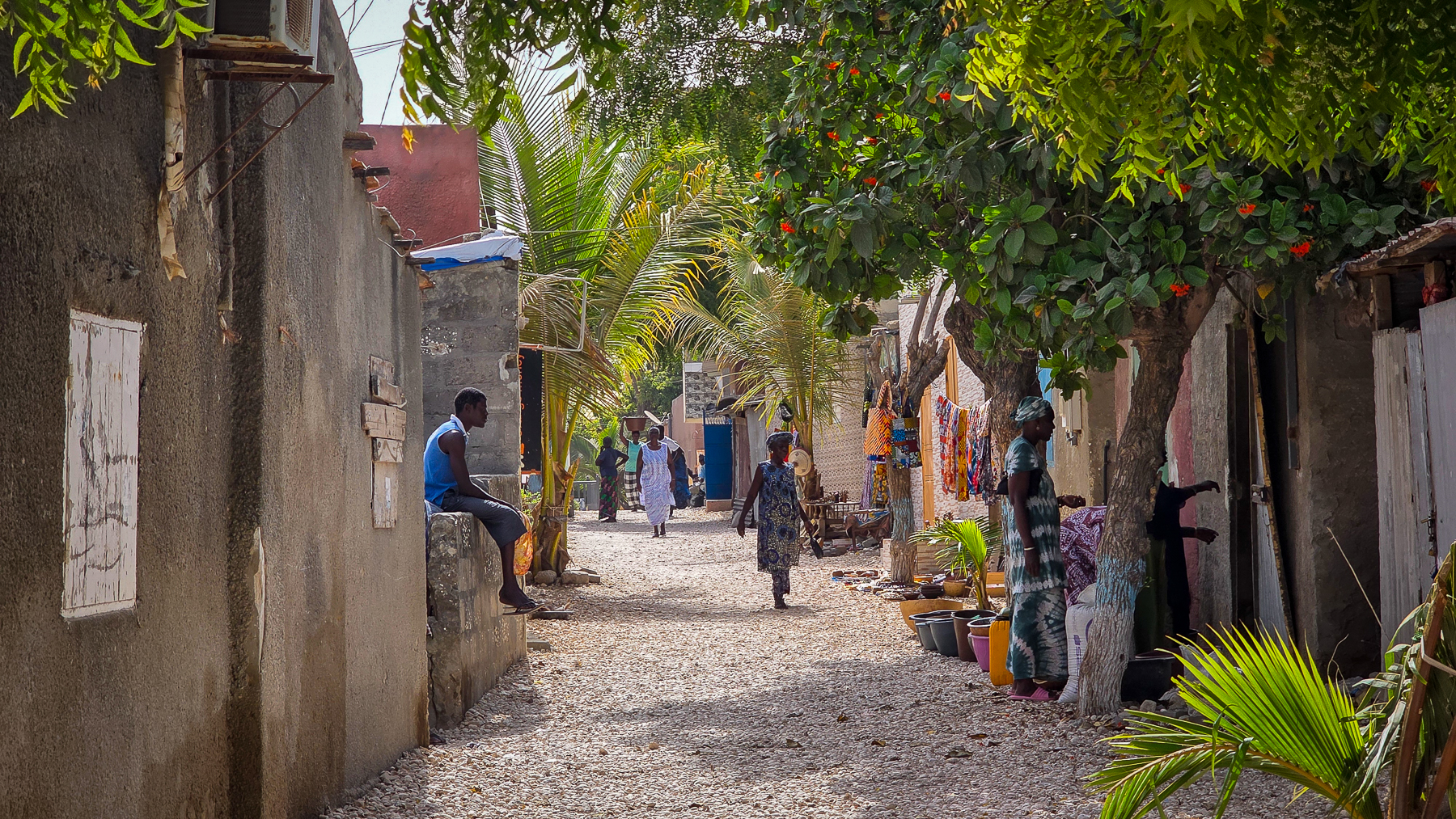
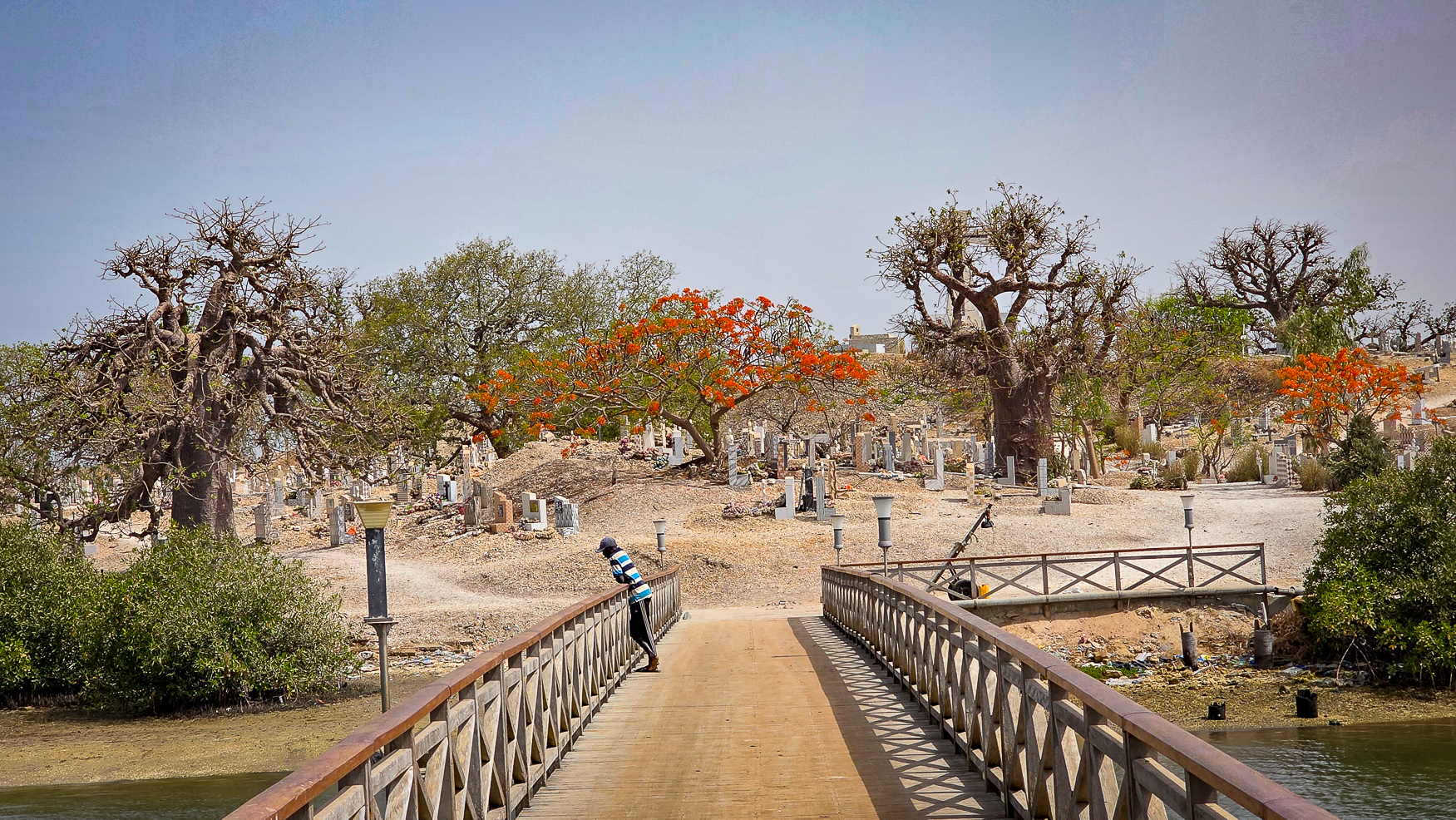
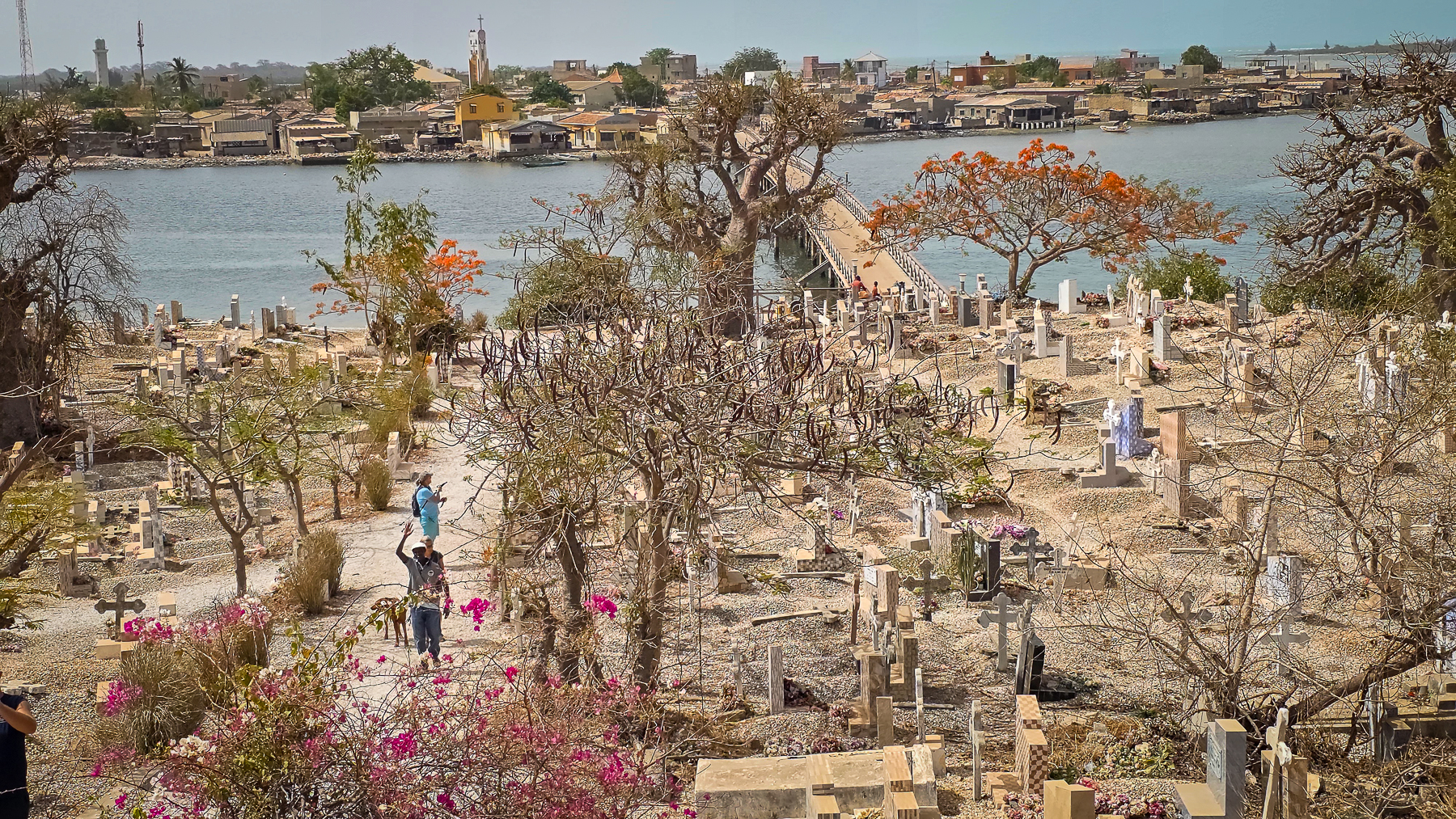
The Muslim Feast and Fadiouth offered another fascinating insight into Senegalese society. Visiting the shell island of Fadiouth was special because the village is literally built on countless seashells, with narrow paths, wooden bridges and no real car traffic on the island itself. Its famous Christian-Muslim cemetery sits on a separate shell island and shows in a very simple but impressive way how naturally different religions coexist here. At the same time we experienced Eid al-Adha, the most important Muslim festival of the year. Entire villages seemed to pause, families gathered and daily life slowed down noticeably.
What Senegal Taught Us is difficult to summarize in only a few sentences. The country constantly challenged our assumptions while confirming others. We learned once again that Africa often works through improvisation rather than detailed planning, and that things do not always have to be perfectly organized to work surprisingly well. Most importantly, Senegal reminded us that traveling is often less about famous sights and more about people, conversations, unexpected encounters and learning to feel comfortable with contradictions. For overlanders, Senegal offers a remarkable mix of culture, nature, history and hospitality, making it one of the most diverse countries we have visited in West Africa.
Best wishes from
Heike & Carsten
Here you find some pictures of ‚Senegal‘
To see full-size pictures and comments please
KLICK!
on the thumbnails!
@ Overlanders and Wordtravellers:
At my 'Overlander Base' you find the sources (great weblinks) that I actually use on the road — try them yourself.

Ähnliche Beiträge
Discover more from Wischnewski-unlimited
Subscribe to get the latest posts sent to your email.