
Hello all!
After weeks on the road through West Africa, arriving in ‚The Gambia‘ felt surprisingly easy. The border formalities were relaxed, the atmosphere immediately calmer than in many neighboring countries, and before long we found ourselves settling into life near the coast.
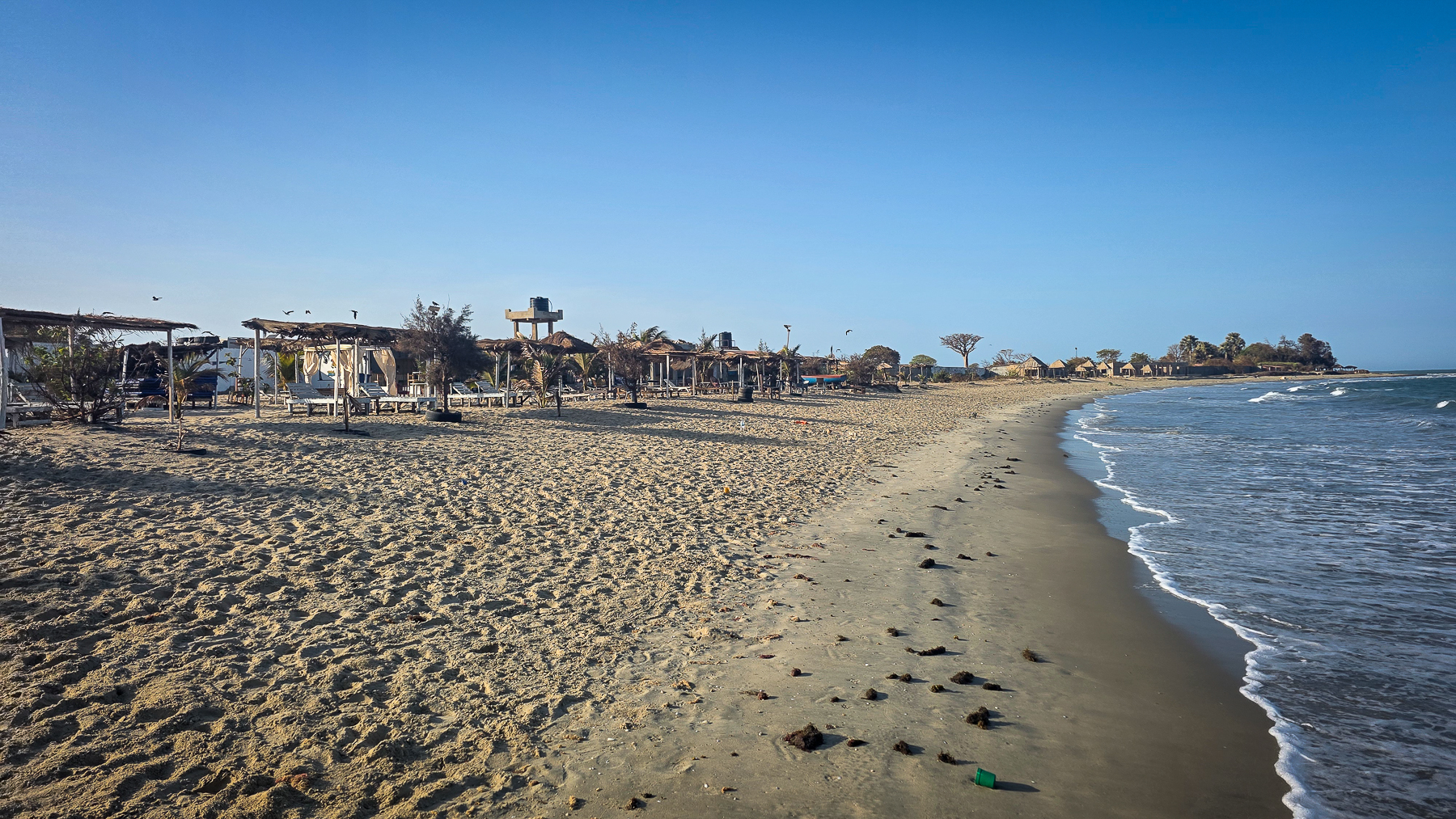
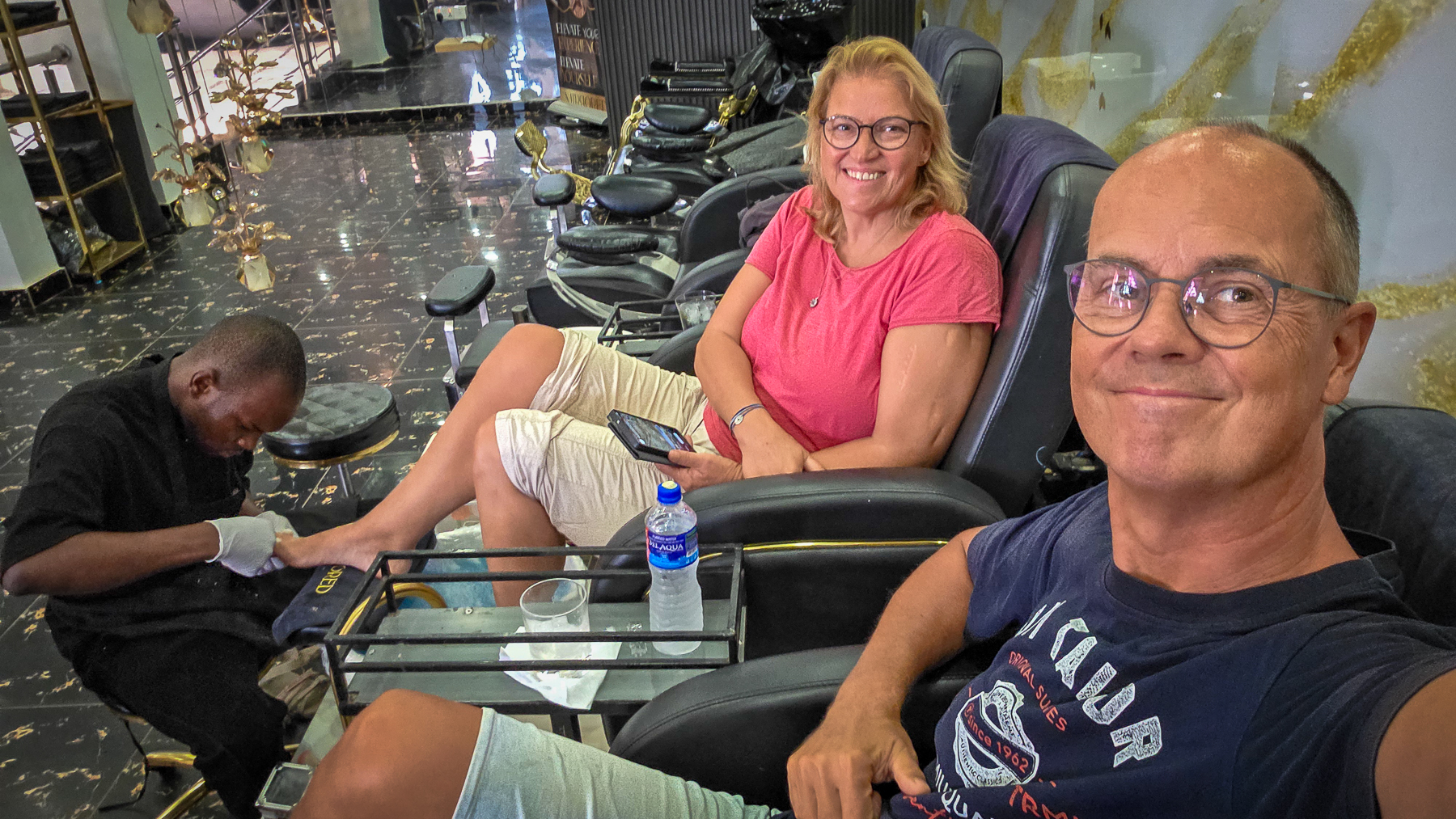
A lot of our time was spent near the beach, where life followed a very different pace. Days often started with a walk along the shoreline and ended with a cold drink while watching the sun disappear into the Atlantic. Around us was a fascinating mix of local Gambians, European expats, British retirees, long-term travelers, and the occasional „sugar boy“ trying his luck. It was an interesting reminder that tourism creates its own parallel world, sometimes completely separate from everyday Gambian life.
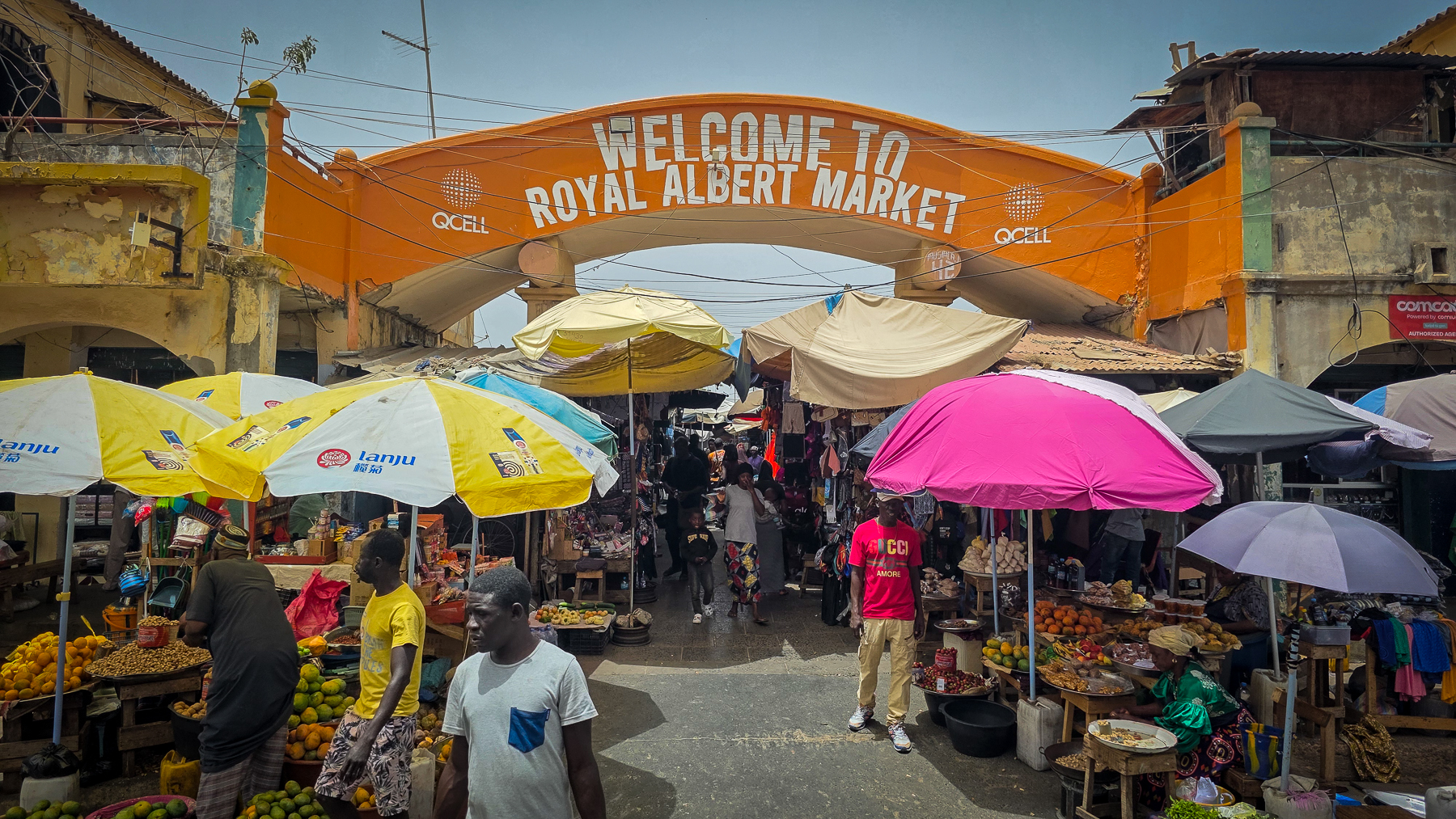
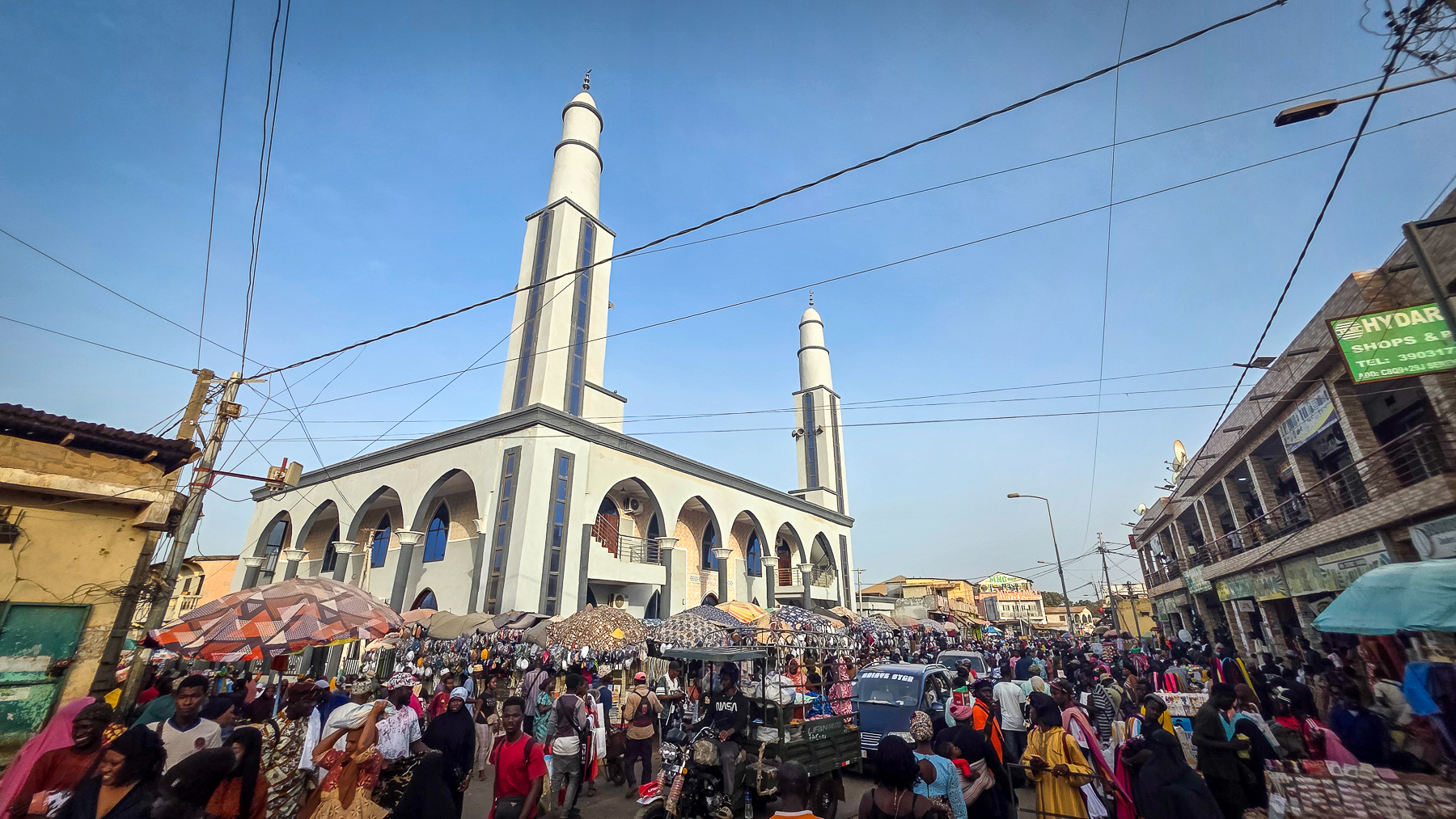
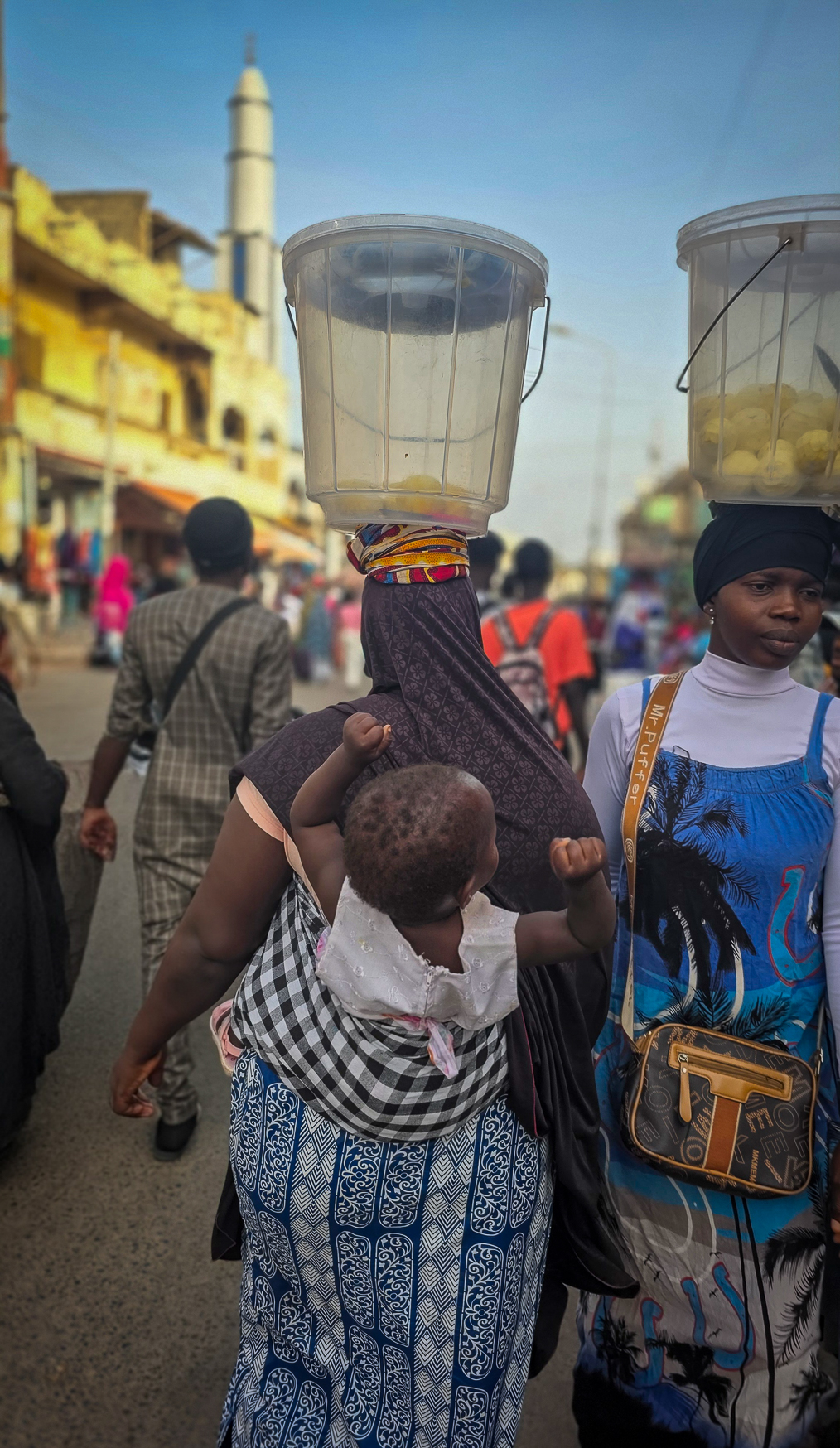
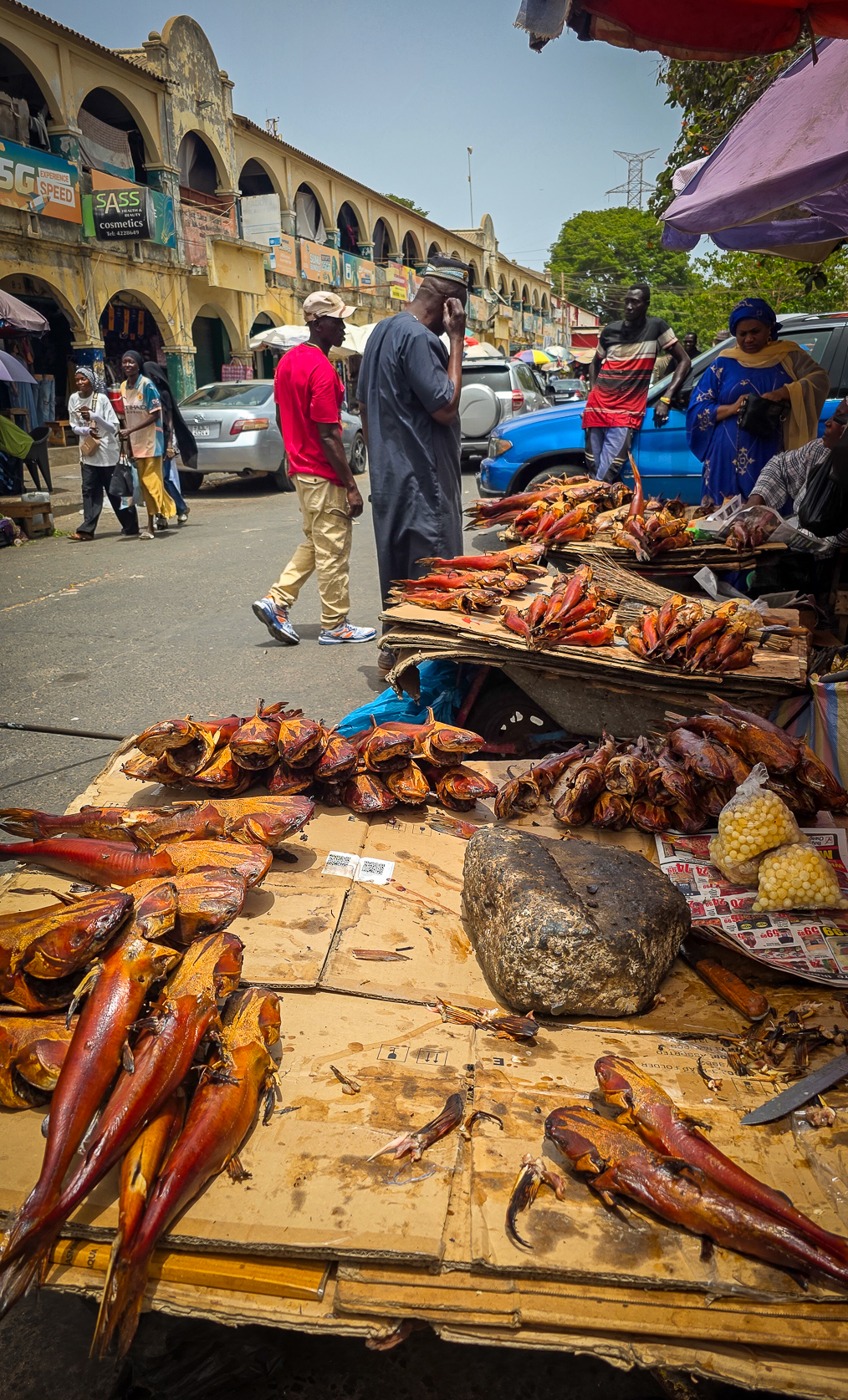
Away from the beach, we explored local markets, busy streets, and the surprisingly small capital city of Banjul. The markets were chaotic, colorful, noisy, and full of life. One moment you are fascinated by the endless variety of goods, the next you are keeping a close eye on your pockets (after someone tried to snatch my smartphone out of my pocket). Banjul itself felt almost sleepy compared to other African capitals we have visited, giving it a charm that is hard to describe but easy to appreciate.
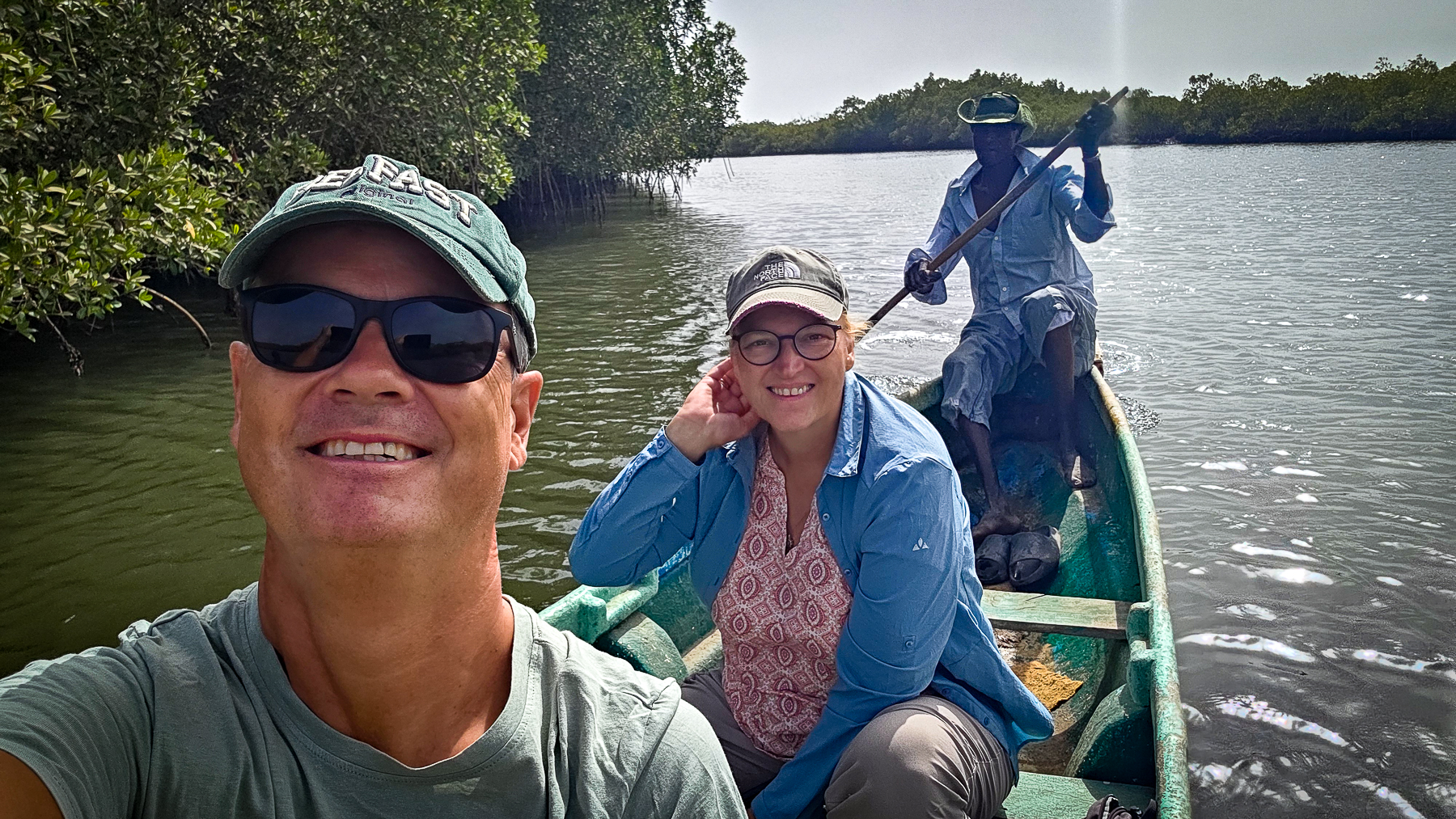
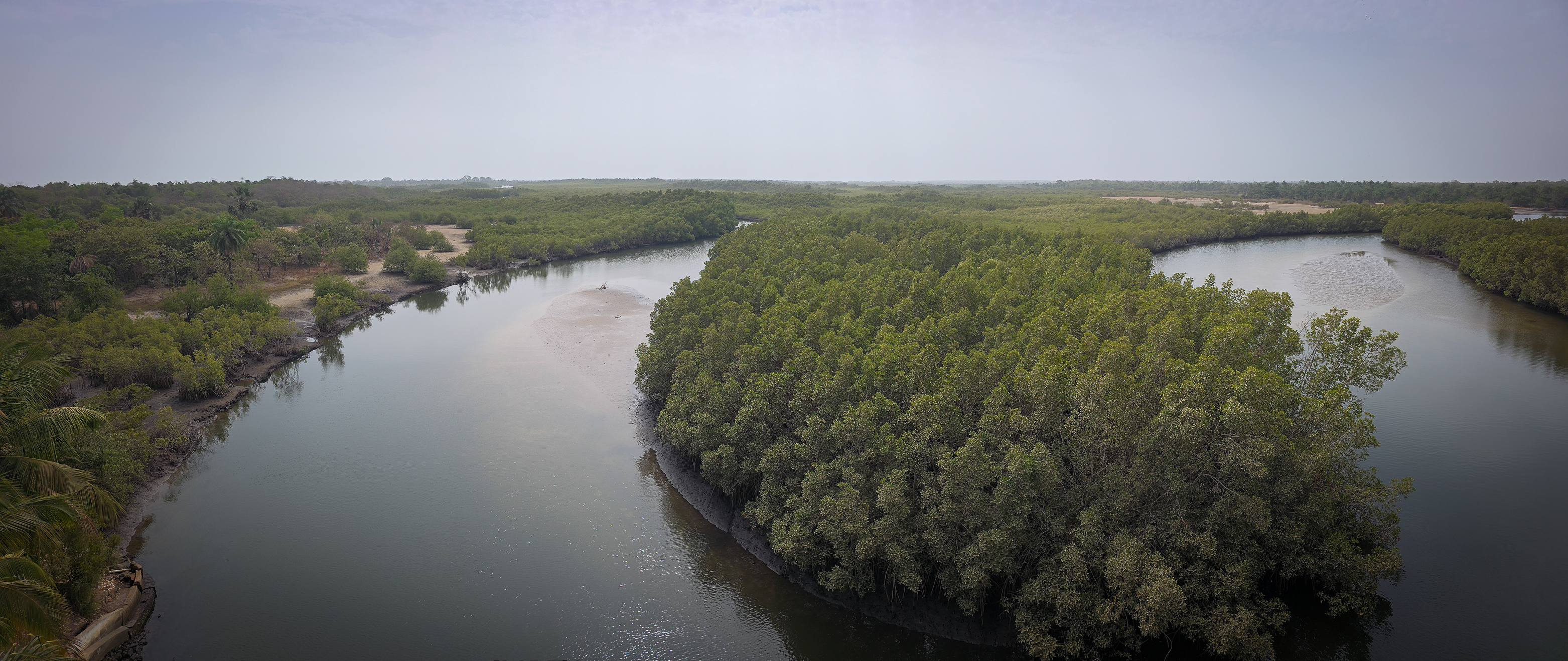
One of the highlights of our stay was a visit to the Makasutu Cultural Forest. Within a relatively small area, the landscape changes from mangroves to palm groves and open savannah. A quiet boat trip through the waterways brought us close to nature, while encounters with local traditions, palm wine tappers, musicians offered a glimpse into a cultural world that still feels very much alive. It was one of those places where nature and spirituality seem naturally connected.
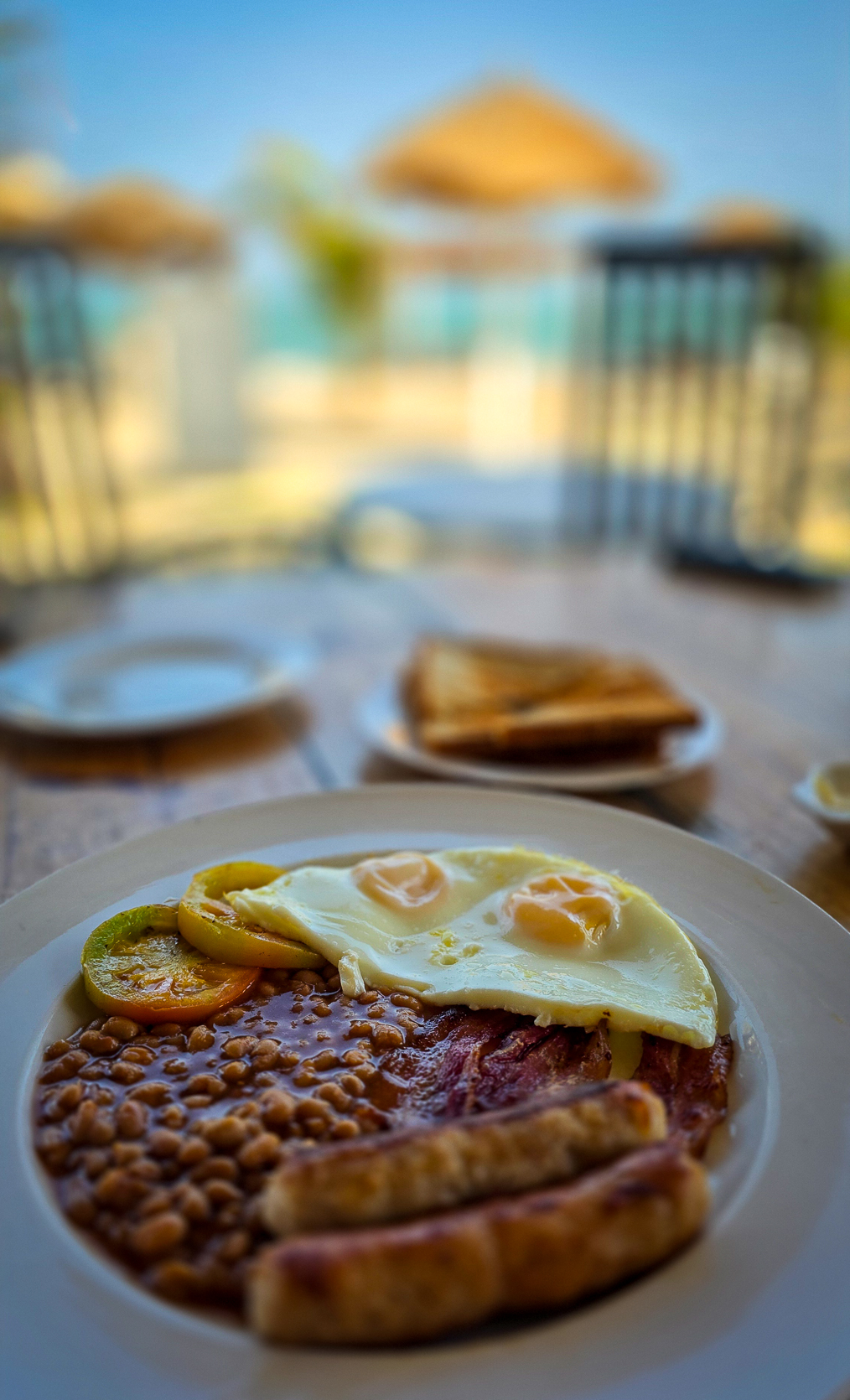
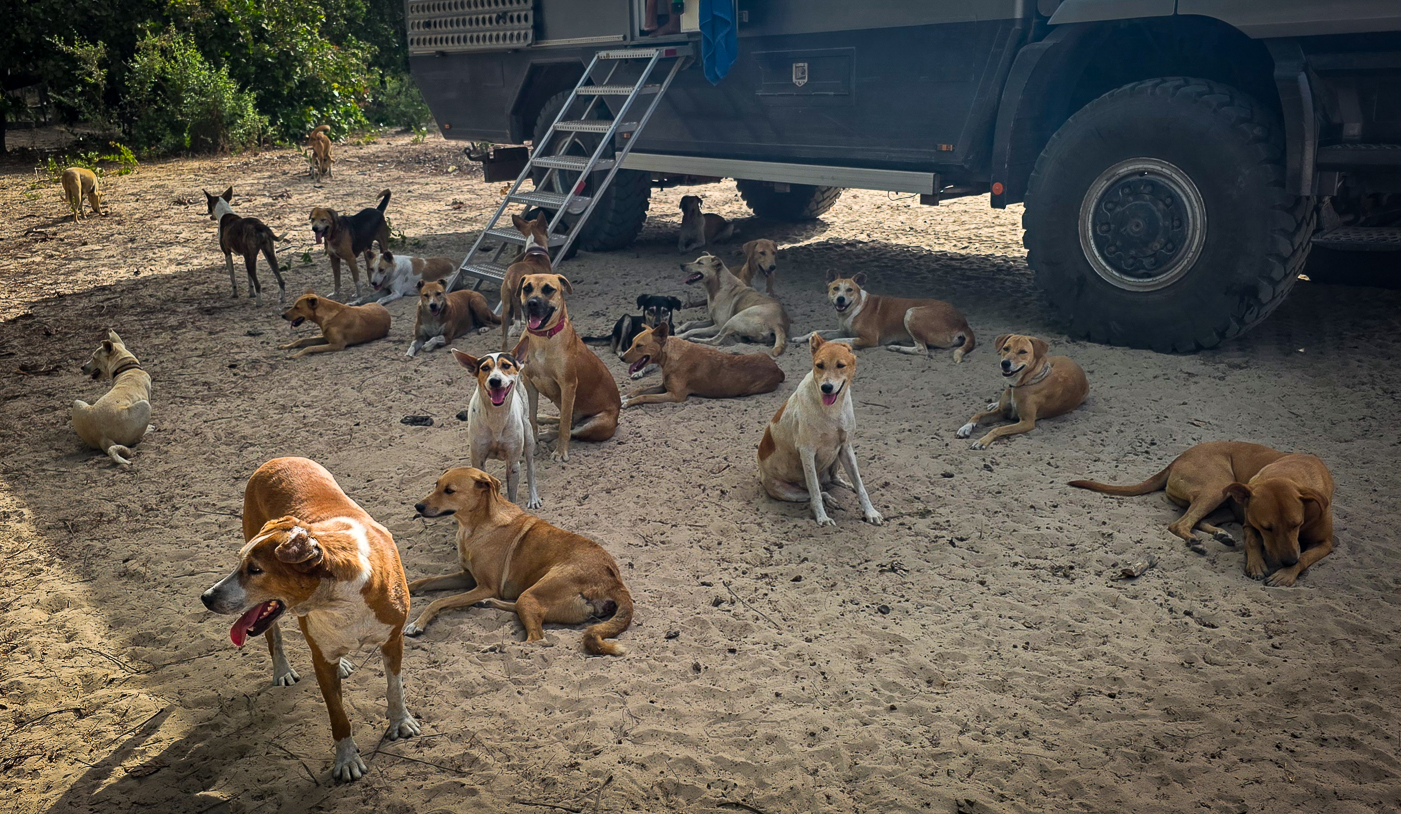
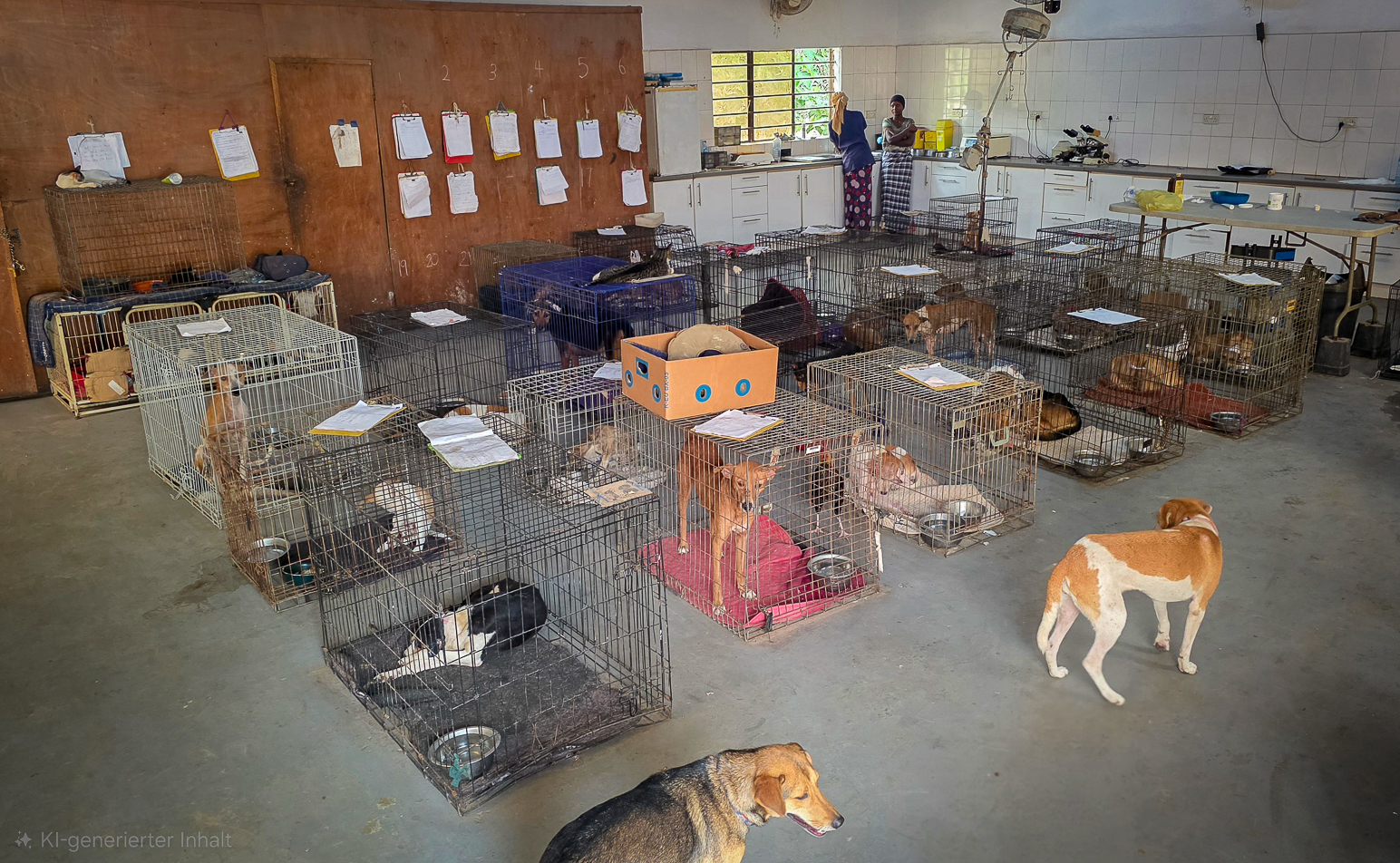
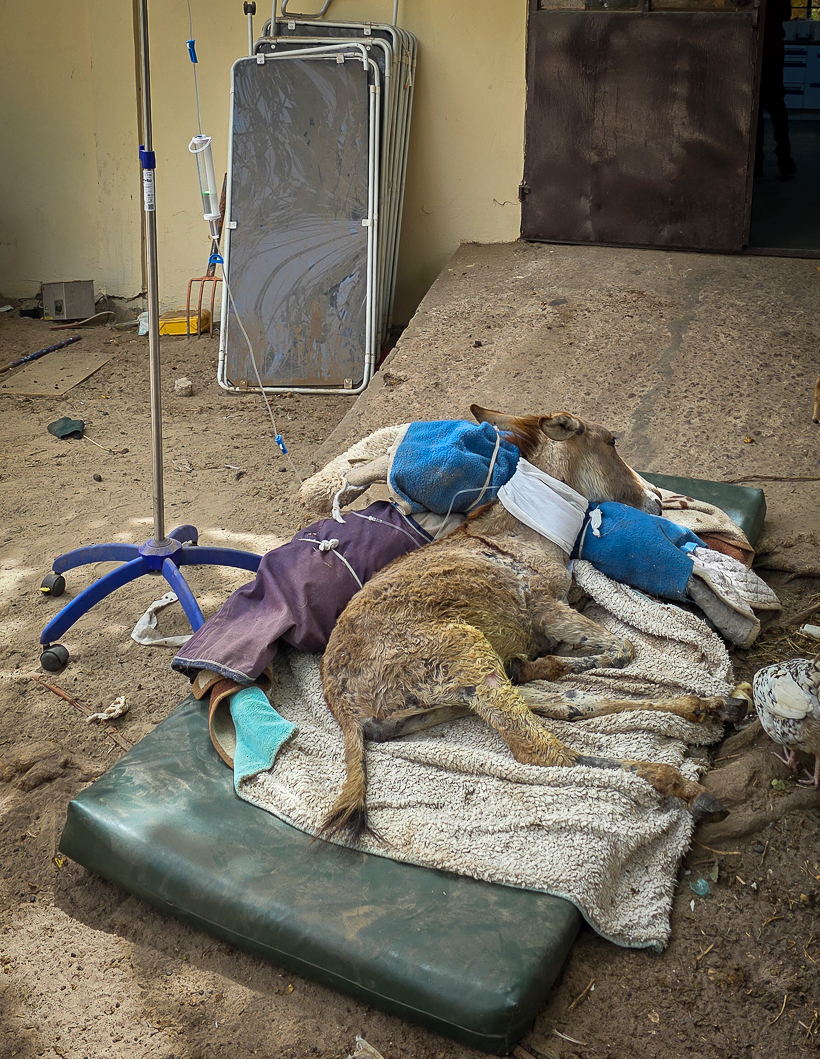
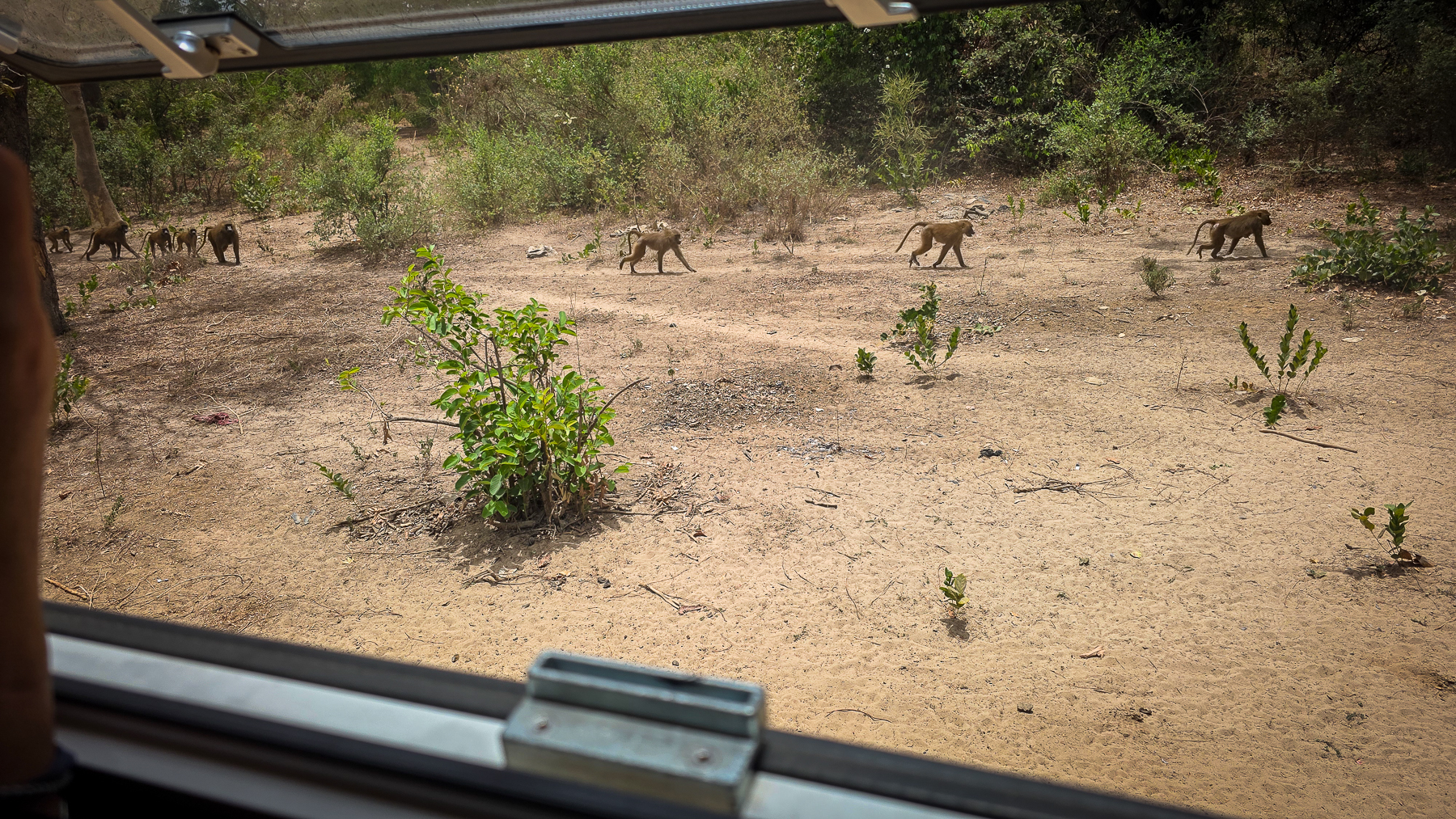
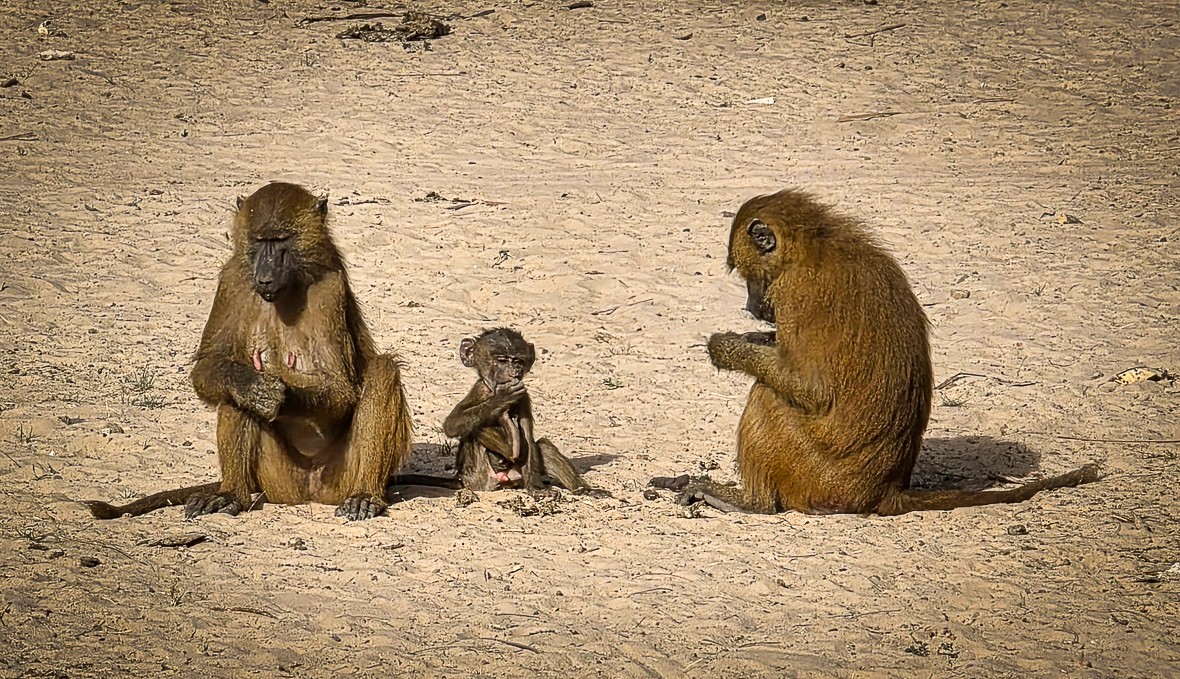
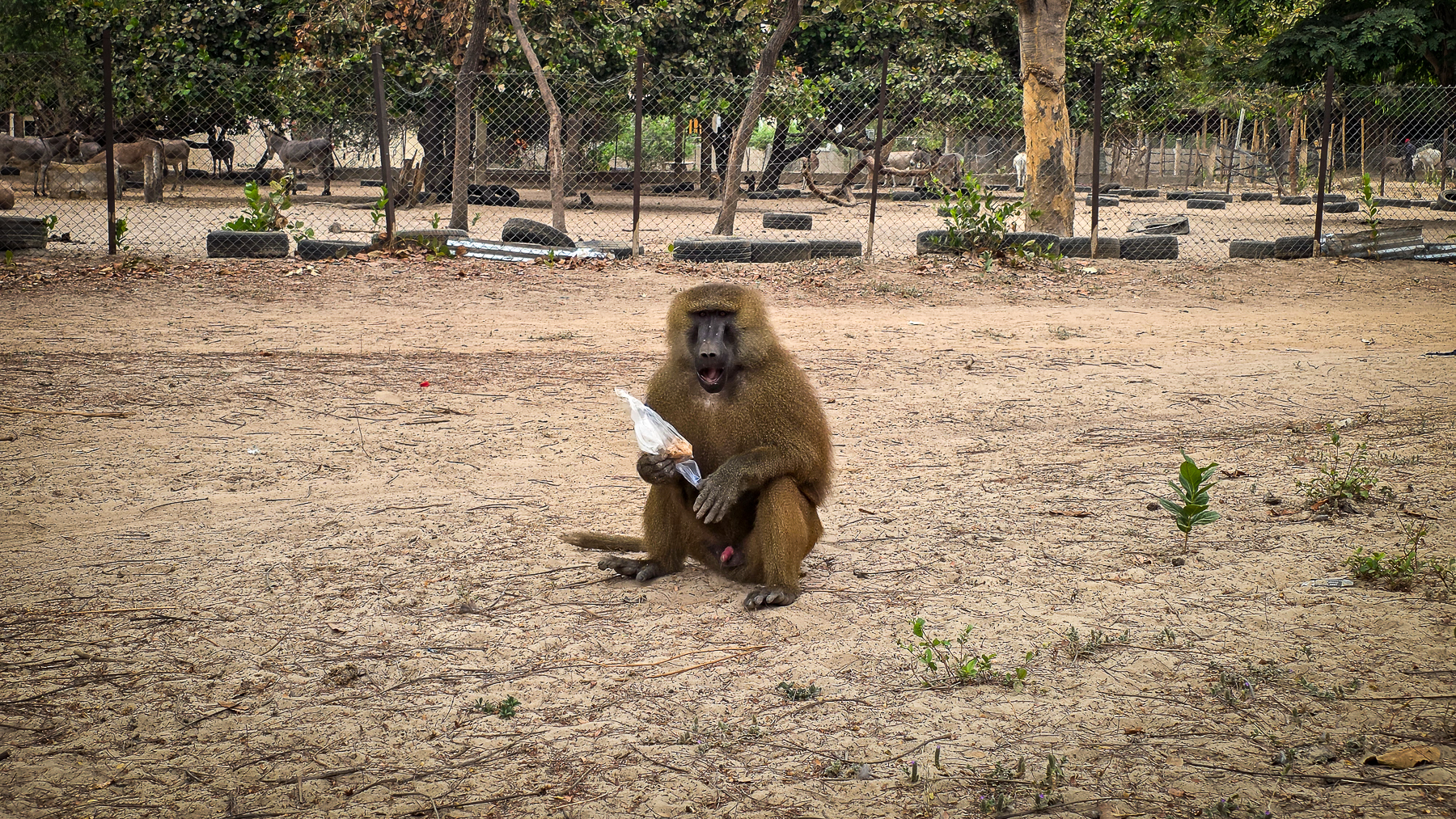
Our campsite near the forest came with an unexpected feature: hundreds of baboons. Every evening they marched through the area like a noisy army, climbing over vehicles, stealing food whenever possible, and generally reminding everyone who was really in charge. One morning a baboon casually grabbed our biscuits directly from the breakfast table. Combined with our visit to a local ‚horse, donkey, and dog sanctuary‘, these days provided some of the most memorable animal encounters of our time in The Gambia.
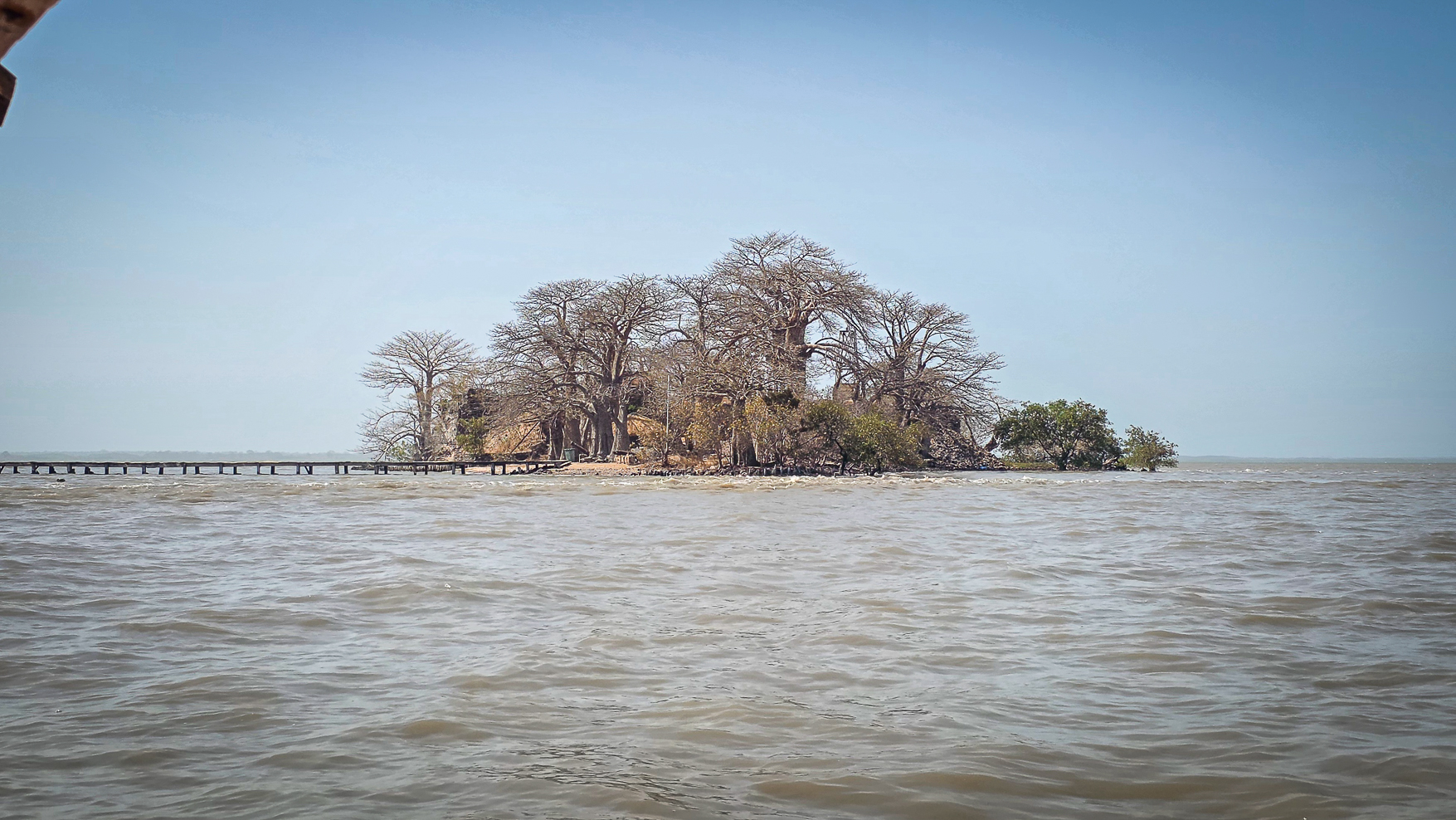
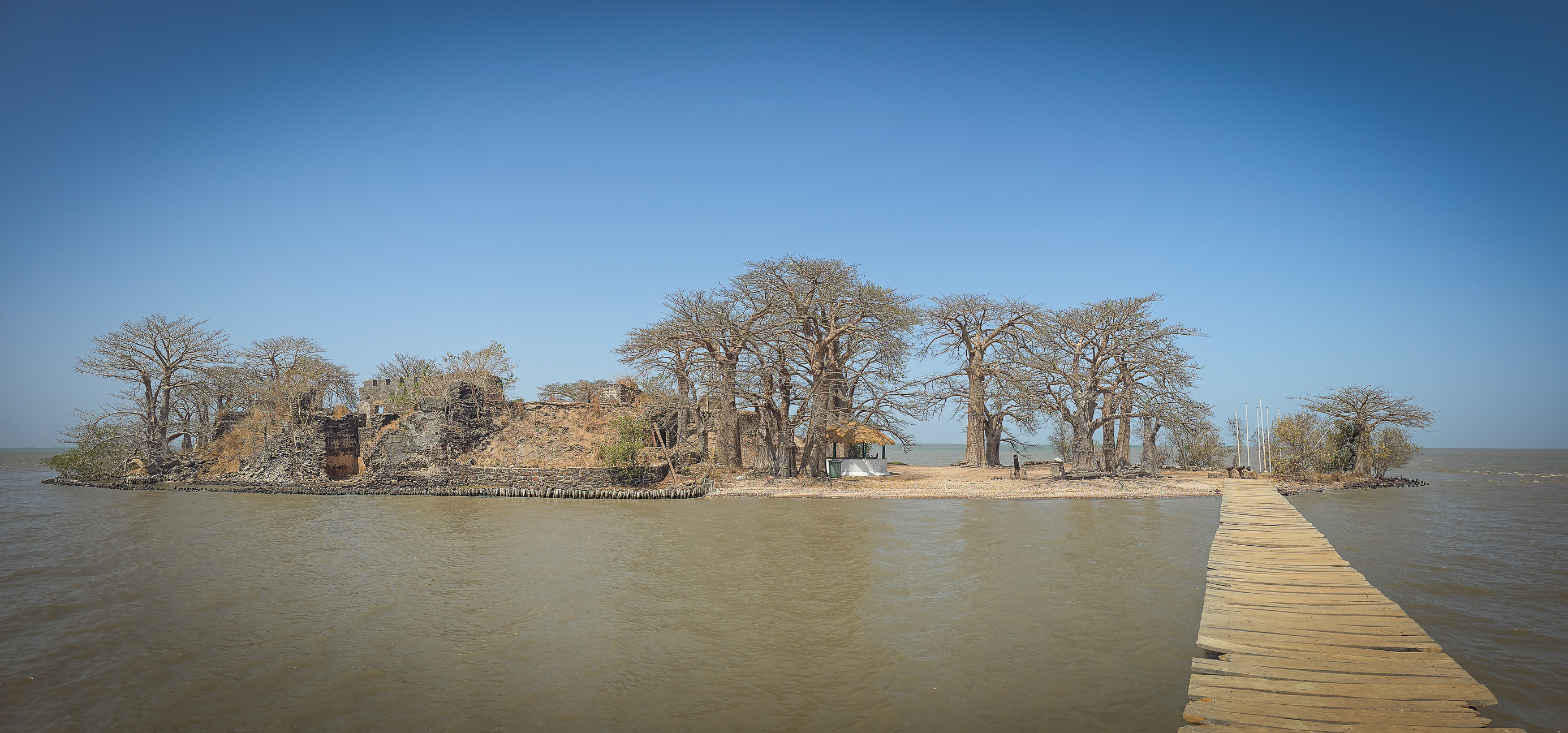
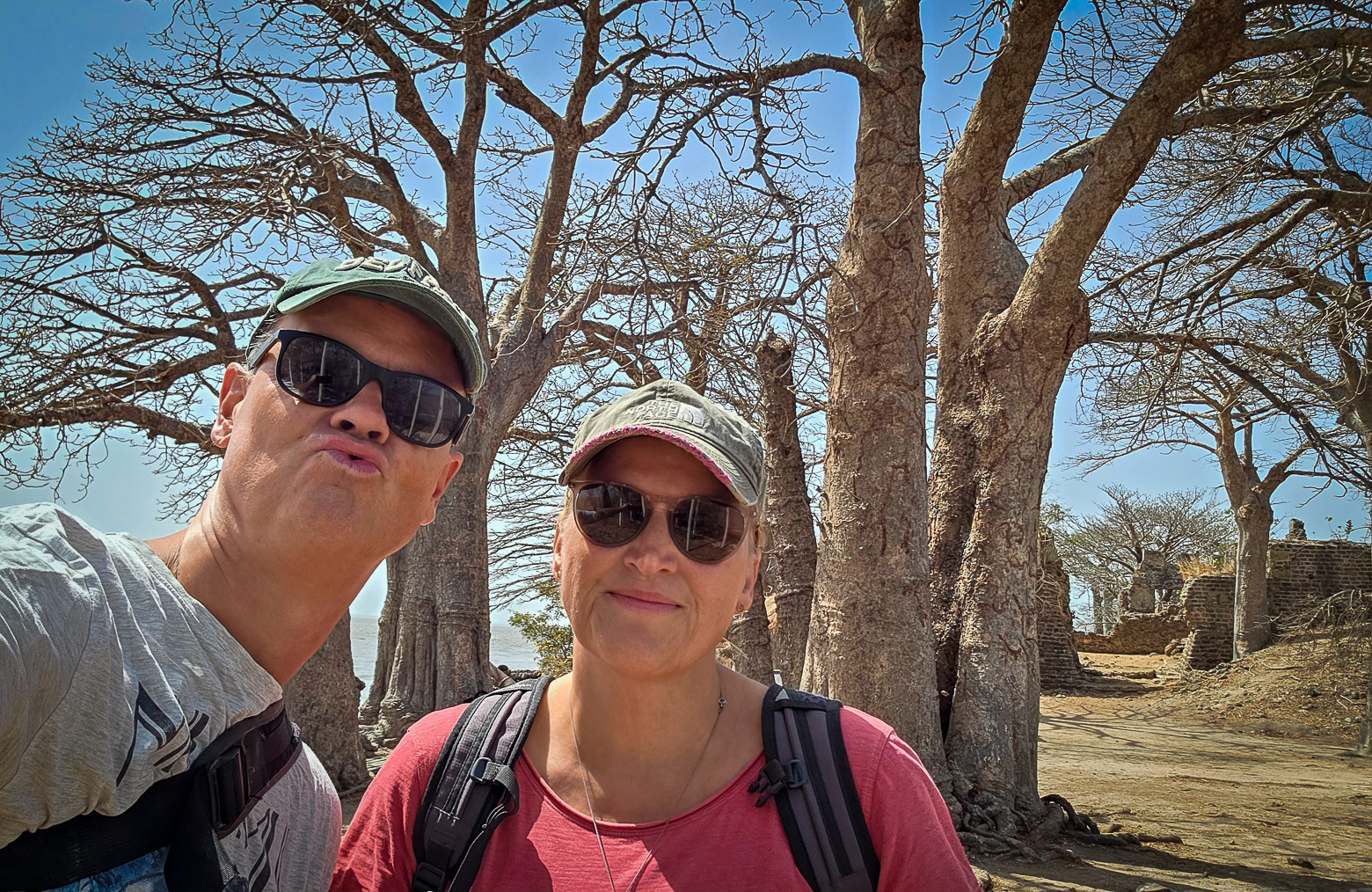
No visit to The Gambia would feel complete without learning about the country’s role in the transatlantic slave trade. Our trip to ‚Kunta Kinteh Island‘ took us across the Gambia River and into a chapter of history that is both fascinating and deeply unsettling. Standing at a place that witnessed so much human suffering creates a very different connection to the past than reading about it in a book. It is one of those experiences that stays with you long after the journey continues.
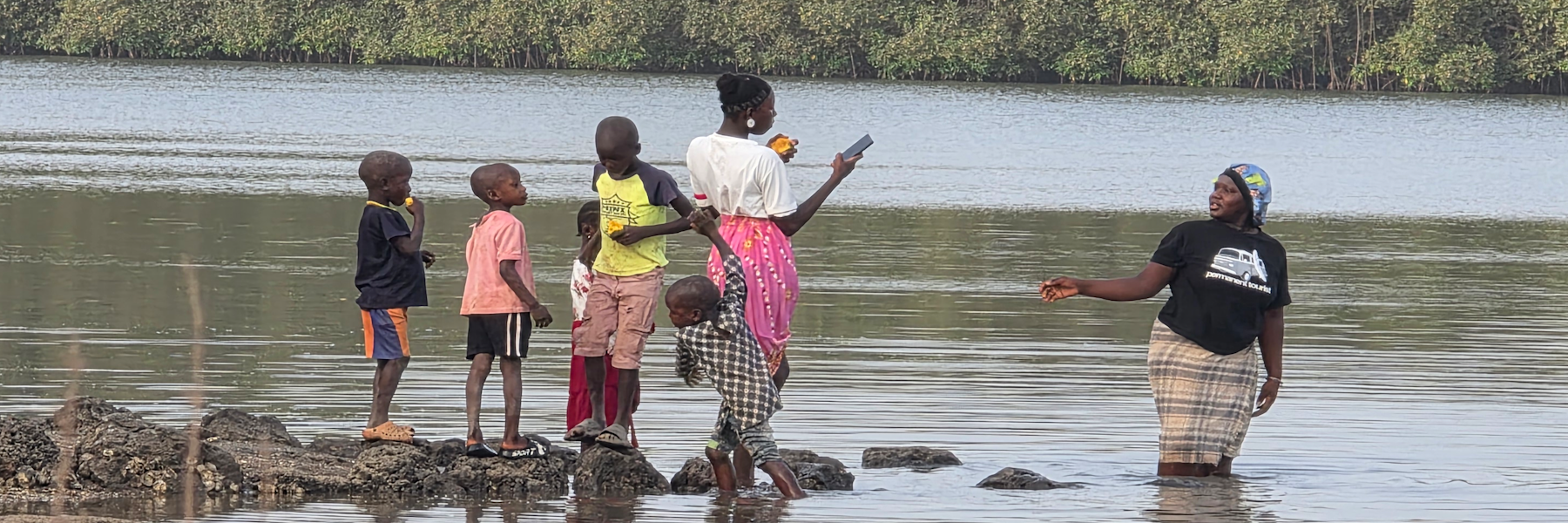
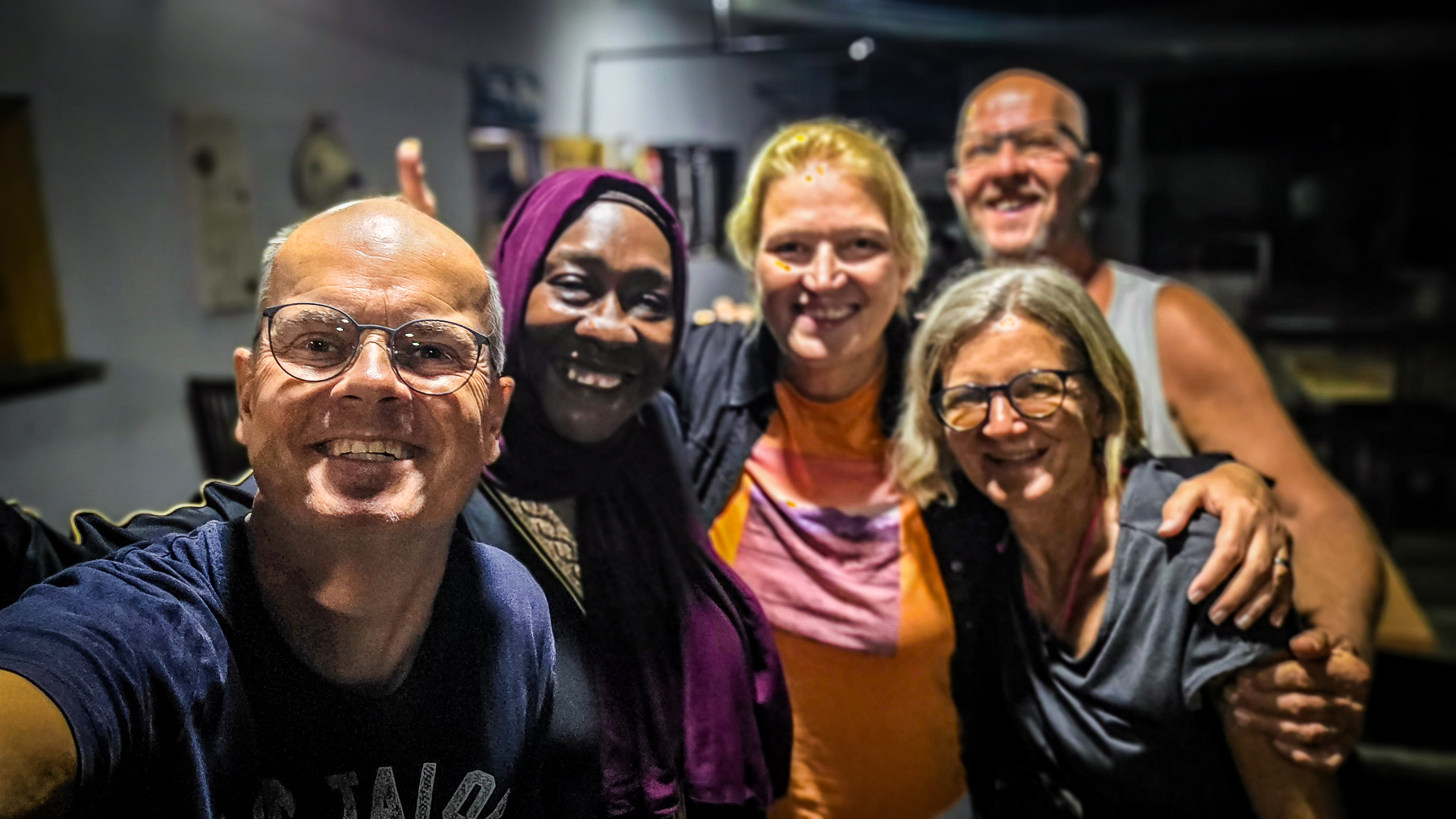
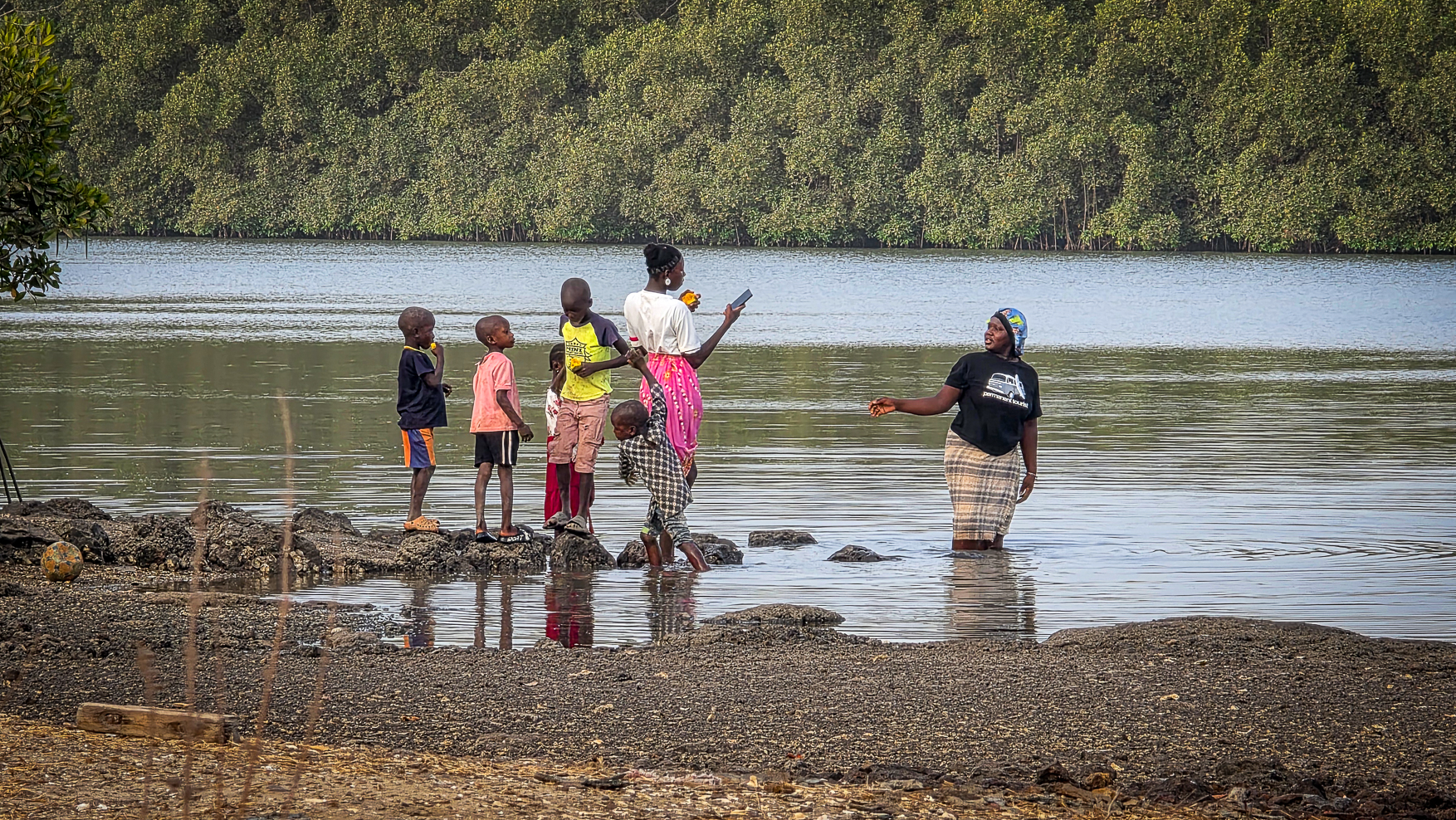
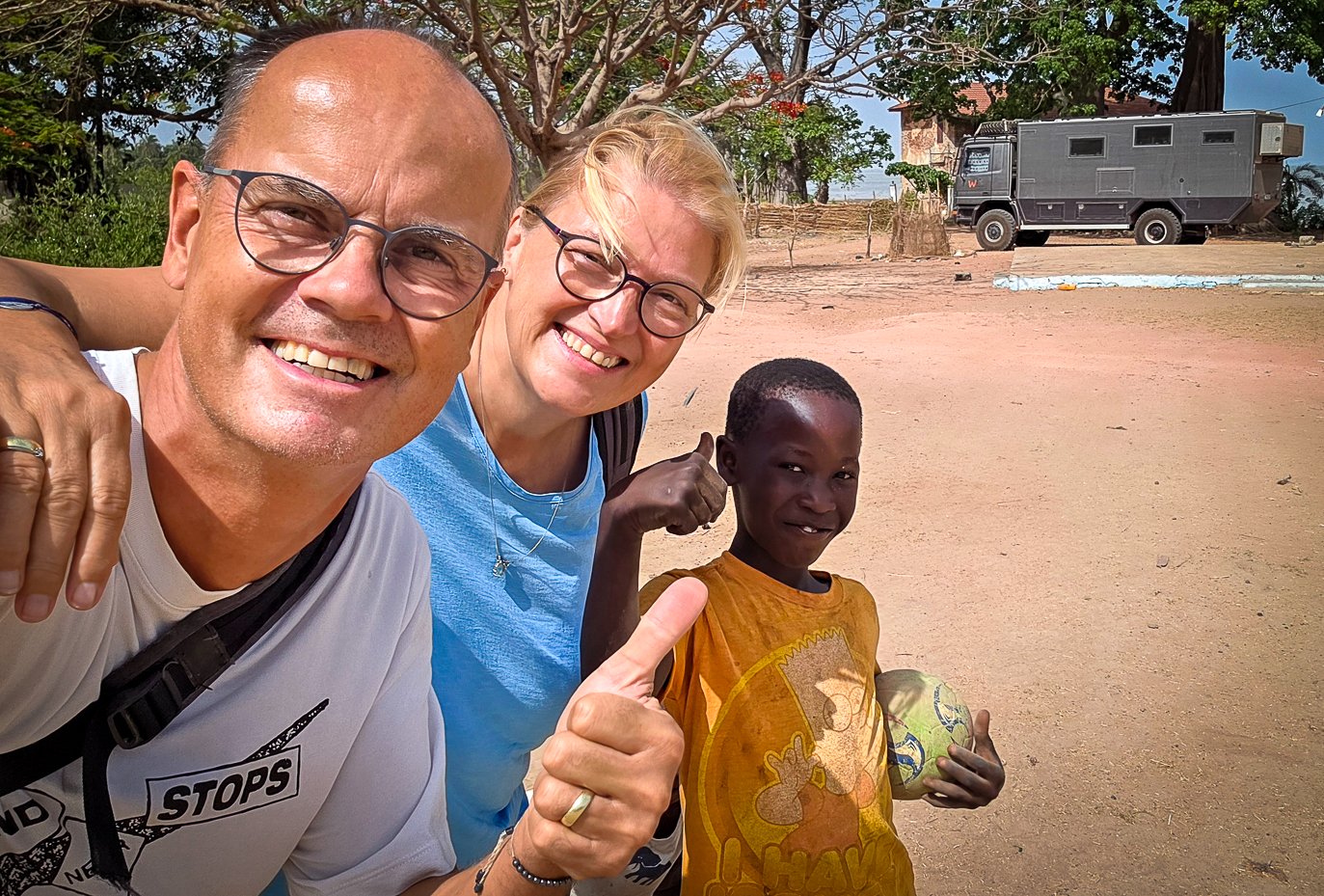
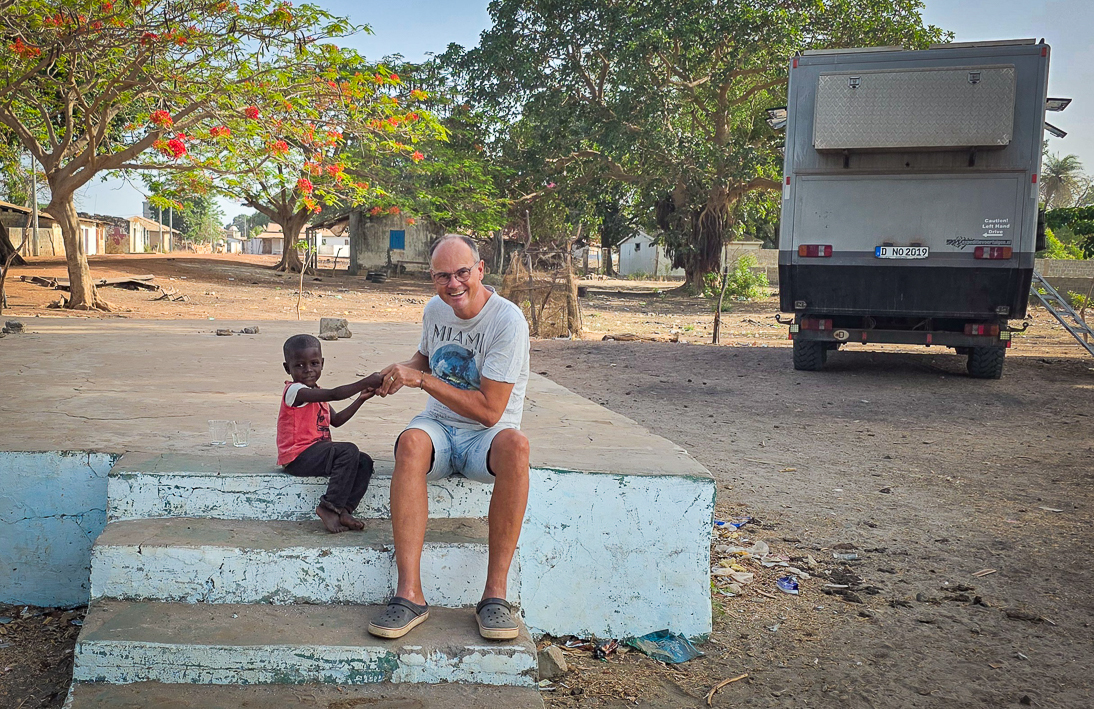
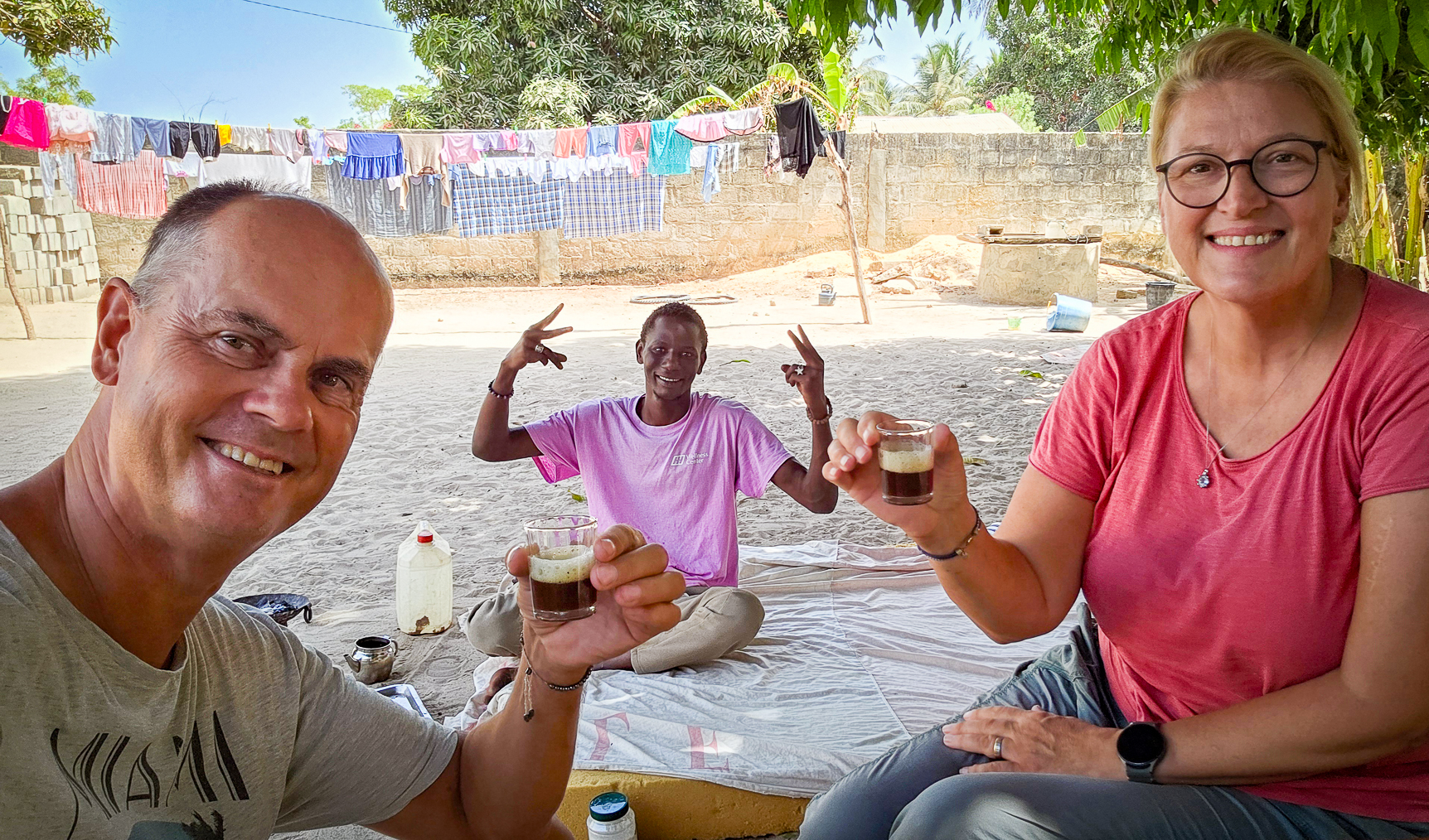
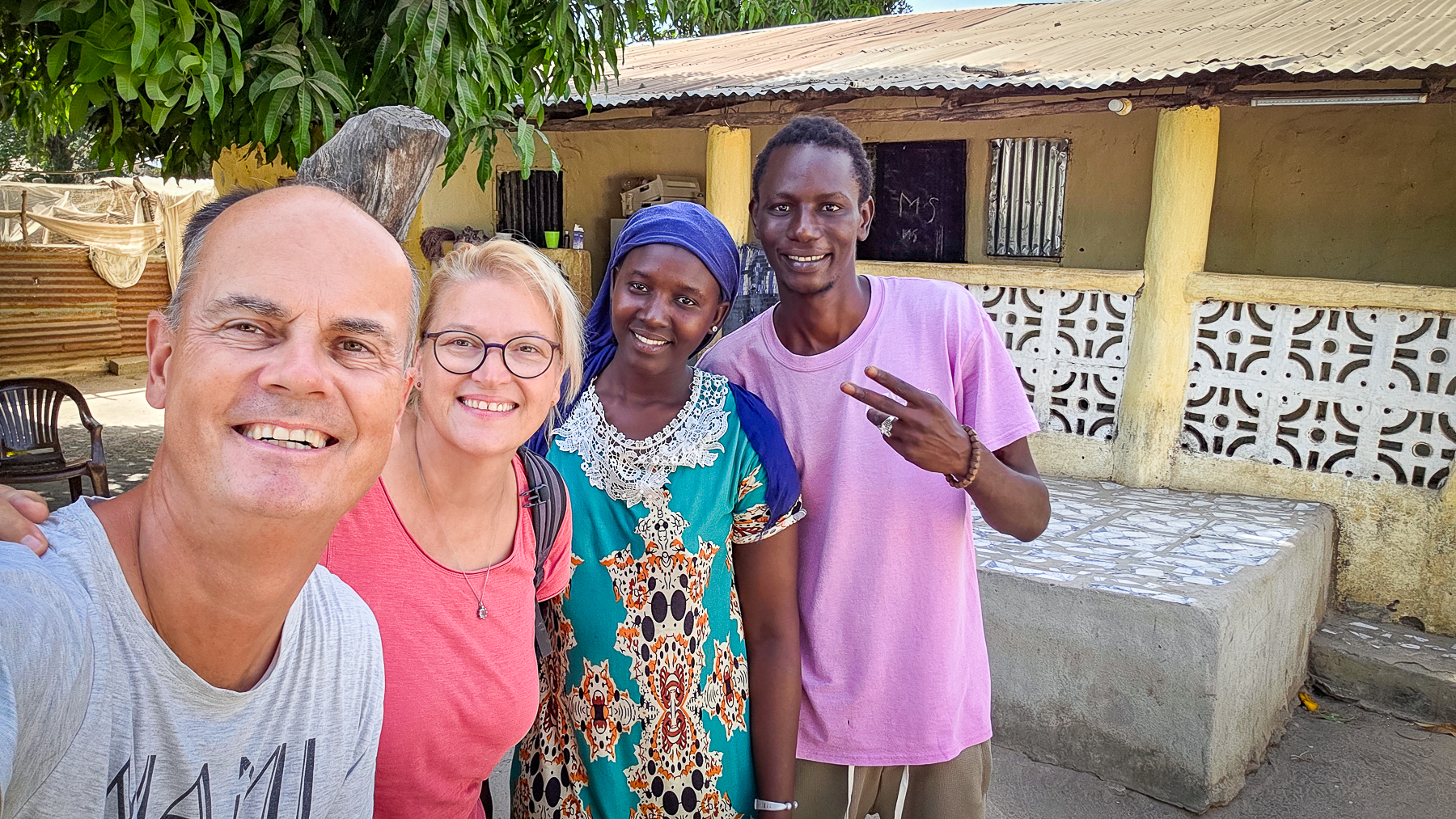
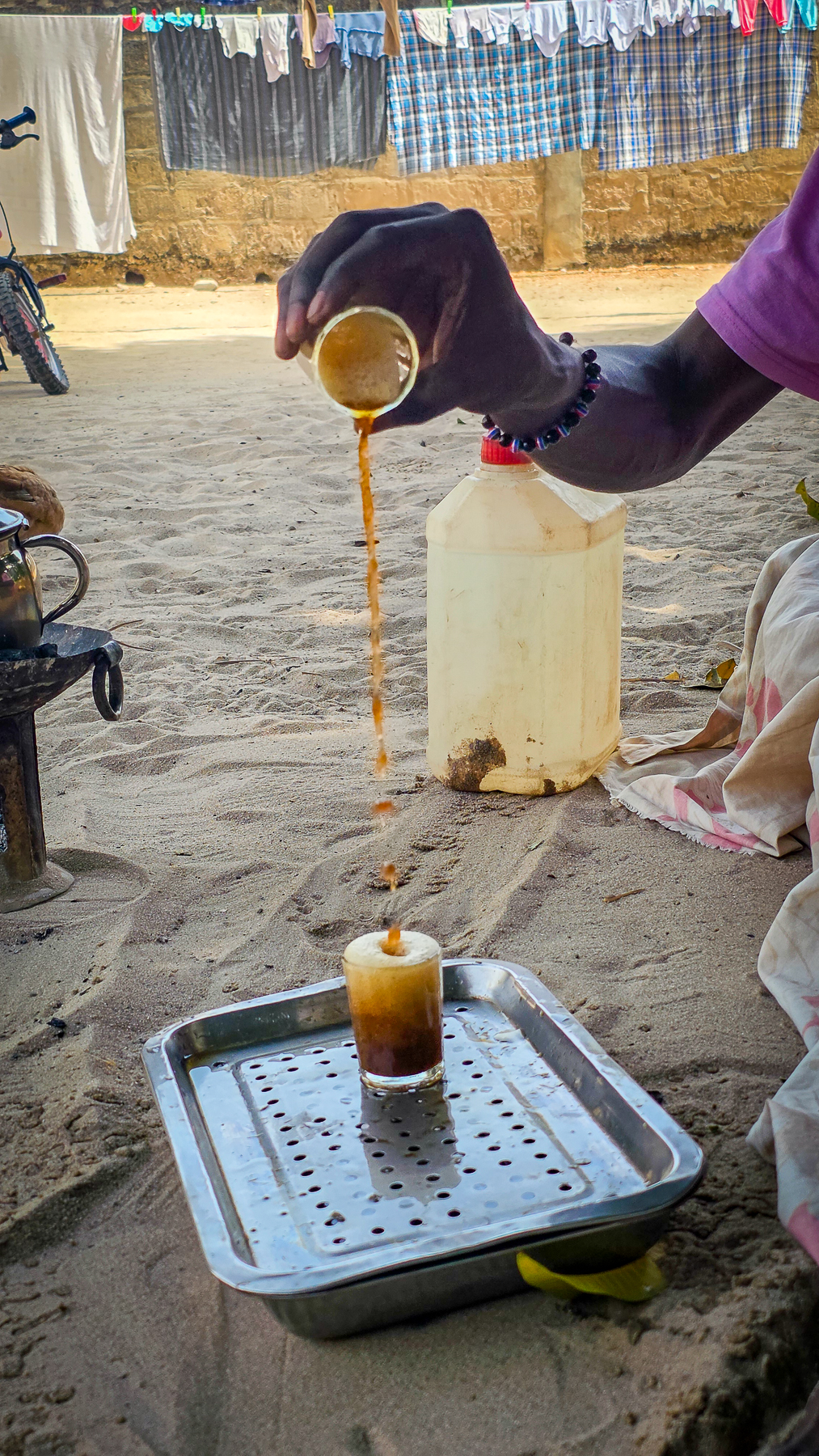
What we will remember most are the people. Children seemed to be everywhere, often moving around independently in small groups, curious about the strange overlanders passing through their villages. We spent afternoons drinking tea beneath mango trees, talking with local families, playing with children, and learning more about everyday life. The country is full of contradictions: incredible hospitality alongside widespread poverty, strong community ties alongside limited opportunities. Traveling through The Gambia taught us once again that not every problem can be solved, not every idea can be implemented, and not every contradiction can be explained. Sometimes the most valuable lesson is simply learning to accept things as they are and still appreciating the people you meet along the way.
Best wishes from
Heike & Carsten
Here you find some pictures of ‚The Gambia‘
To see full-size pictures and comments please
KLICK!
on the thumbnails!
@ Overlanders and Wordtravellers:
At my 'Overlander Base' you find the sources (great weblinks) that I actually use on the road — try them yourself.